California has more than 60,000 insect species, and about a third still have no scientific description
After DNA-barcoding more than 1 million specimens, researchers led by the Natural History Museum of Los Angeles County estimate California has over 60,000 insect species, about one-third undescribed. Nearly every site had its own distinct insect community.
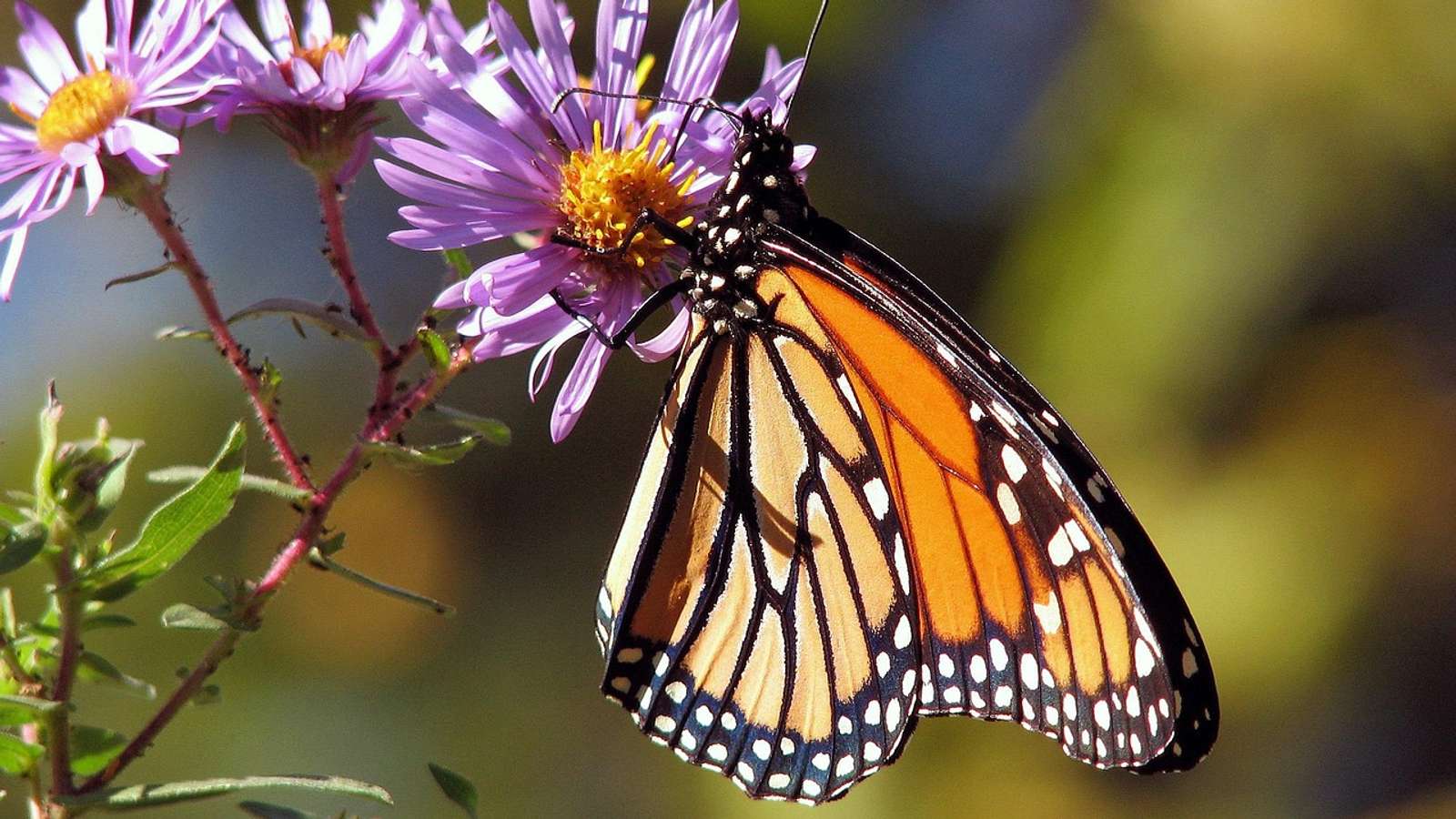
California is home to more than 60,000 insect species, and about a third of them have never been formally described, according to a study in Ecography reported by Phys.org. The work comes from the California Insect Barcode Initiative, led by the Natural History Museum of Los Angeles County, which aims to collect and identify every insect species in the state.
One million specimens, read by their DNA
Researchers DNA-barcoded more than 1 million specimens. They drew on tissue samples from museum collections, Malaise traps set in 72 ecoregions across the state and collecting expeditions to 454 further locations. Volunteers helped too: Sara Fairchild and Michael Nance maintained a high-desert trap for more than three years, the project's longest continuous site. Partners include the California Department of Food and Agriculture, UC Berkeley, UC Riverside, the San Diego Natural History Museum and the California Academy of Sciences.
Every site its own community
The sites overlapped little. Nearly every location sampled had its own distinct insect community, and even ecoregions with similar climate and geography hosted different insects. The Mojave Basin and Range had the highest estimated species richness among the ecoregions compared.
“Every part of the state hosts a really different insect fauna.” — Dr. Megan Barkdull, co-author
An estimate, not a final count
The figures are estimates. The richness map was built by interpolating species ranges according to ecoregion and vegetation type. Some sampled ecoregions had not been sequenced yet, and some combinations of ecoregion and vegetation had no insect samples at all. Earlier estimates for California ran from 60,000 to 100,000 species, Mongabay reported last year, when it described the effort as a project of seven California institutions that secured $6 million in 2022.
Sources
How we choose and verify sources: editorial policy.