A fingernail-sized chip sorts mixed light into clean, separate beams for the first time
Stanford engineers and colleagues built a photonic chip that takes in mixed, partially coherent light from two or three lasers and sorts it into separate, independent beams. The method could help microscopes and telescopes tell overlapping light sources apart.
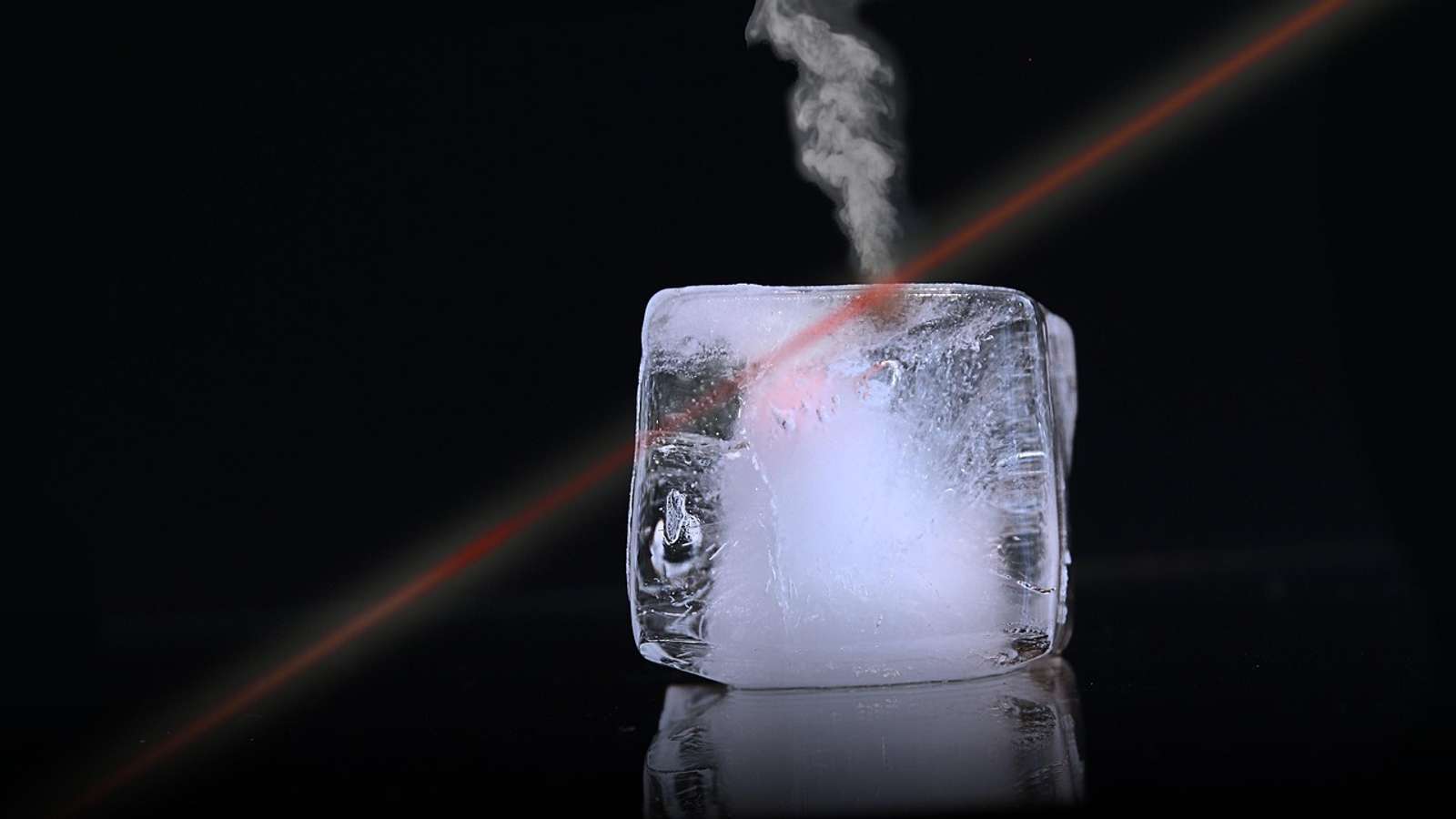
Engineers at Stanford University and colleagues have built a chip that takes in a mixture of light and sorts it into clean, separate beams, the Stanford Report said on 2 November. It is the first demonstration of a device that does this with partially coherent light, according to the study, published on 30 October in Nature Photonics.
Light bulbs versus lasers
A laser is a coherent light source: its light waves move in step. A light bulb is incoherent: its waves are out of sync. Most light in the world is somewhere in between, called partially coherent, and when light from different sources overlaps, pulling it apart into its components has long been hard. The idea of doing so was first proposed in the 1980s.
“We're experimentally demonstrating stuff that was thought of originally in the 1980s for the first time.” — Annie Kroo, co-lead author and PhD student, Stanford
Two lasers, then three
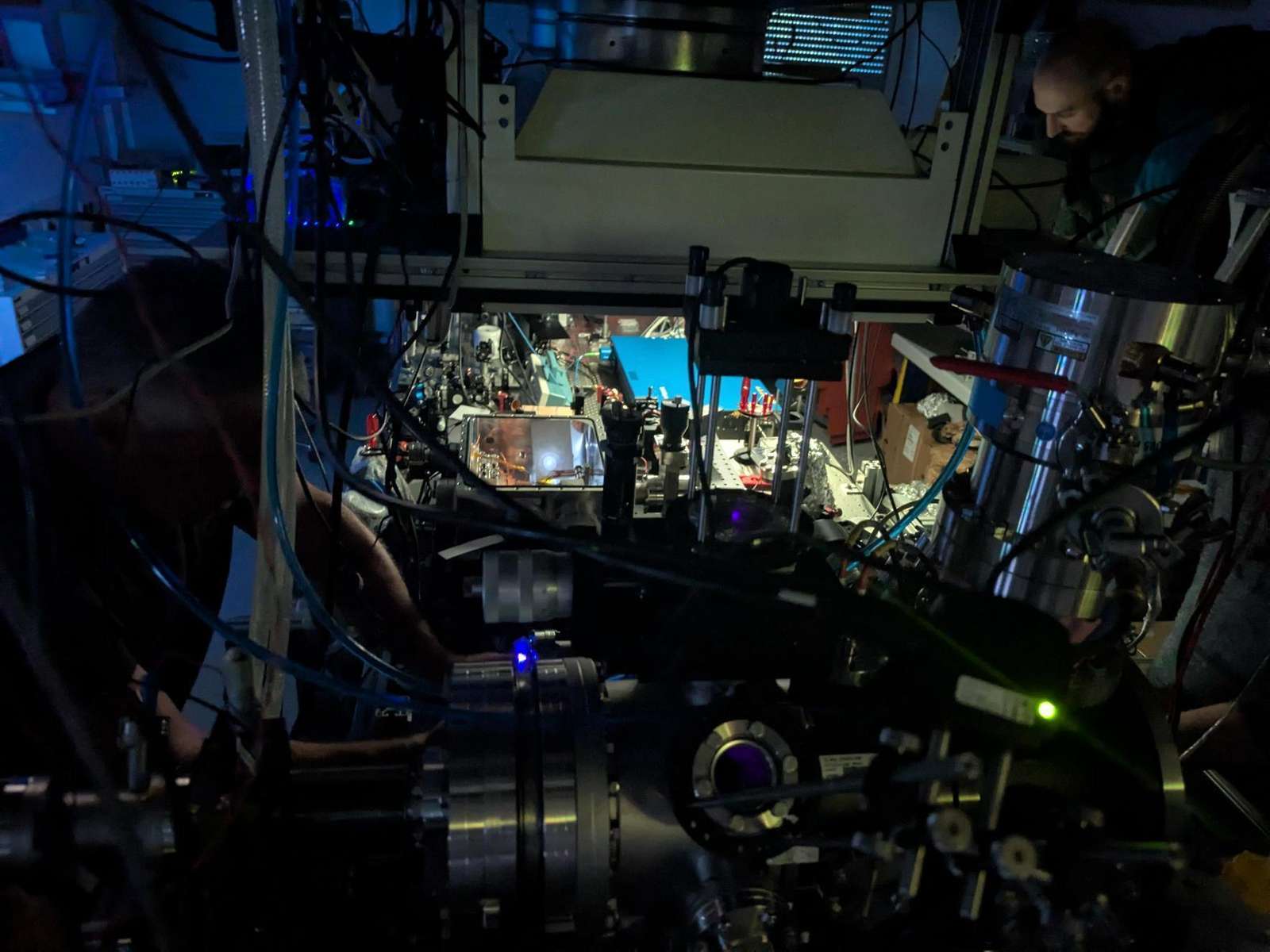
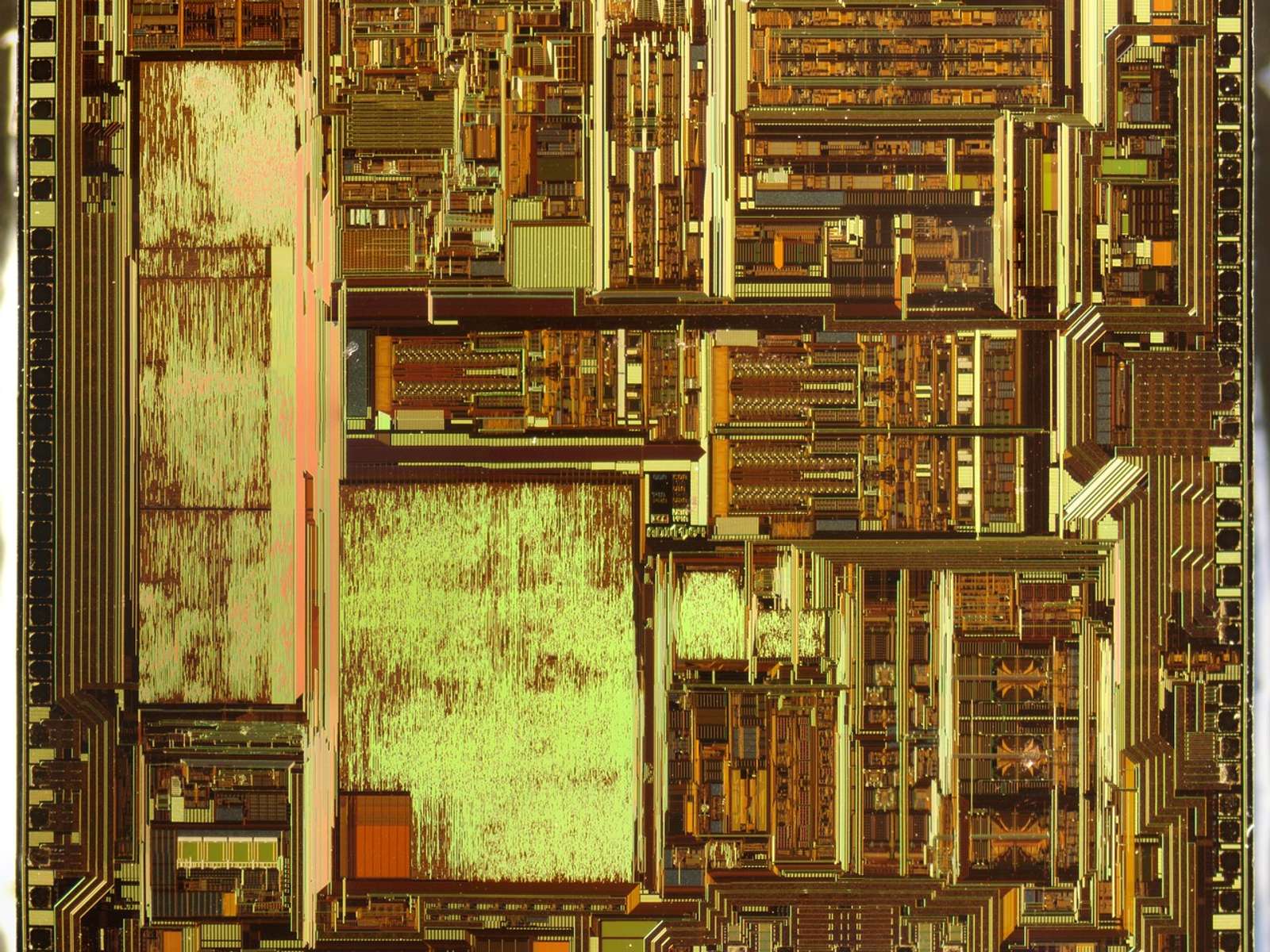
The team used a photonic chip about the size of a fingernail, which steers photons the way an ordinary chip steers electrons. They pointed two infrared lasers into it. Algorithms and the chip's design sorted the mixed light by source, and the beams that came out did not add together when recombined, showing they were fully independent. With a third laser added, the chip still sorted the mixture into pure beams.
“Our chip learns the underlying coherence modes of an unknown light field and physically directs them into separate outputs,” said co-author Shanhui Fan, a professor at Stanford.
From microscopes to distant planets
In a microscope, two overlapping fluorescent particles can look like one, but the light they send out could in principle be told apart with this method, Kroo said. David Miller, Olav Solgaard and Kroo are now working with NASA to see whether the technique can separate light from distant galaxies, where a single blob in a telescope might contain light from separate stars and exoplanets. So far the chip has been shown with laser light in the lab. The work also involved the Institute of Science and Technology Austria, Politecnico di Milano and the University of Graz.
Sources
- Stanford Report · news.stanford.edu
How we choose and verify sources: editorial policy.