A teacher finds about 50 Bonville leafless orchids, only the second known site of the rare plant
Teacher Nick Lambert found about 50 Bonville leafless orchids in rainforest near Boambee, New South Wales, about 5 km from the only other known site. The critically endangered orchid has no leaves and shows above ground for one to two weeks a year.
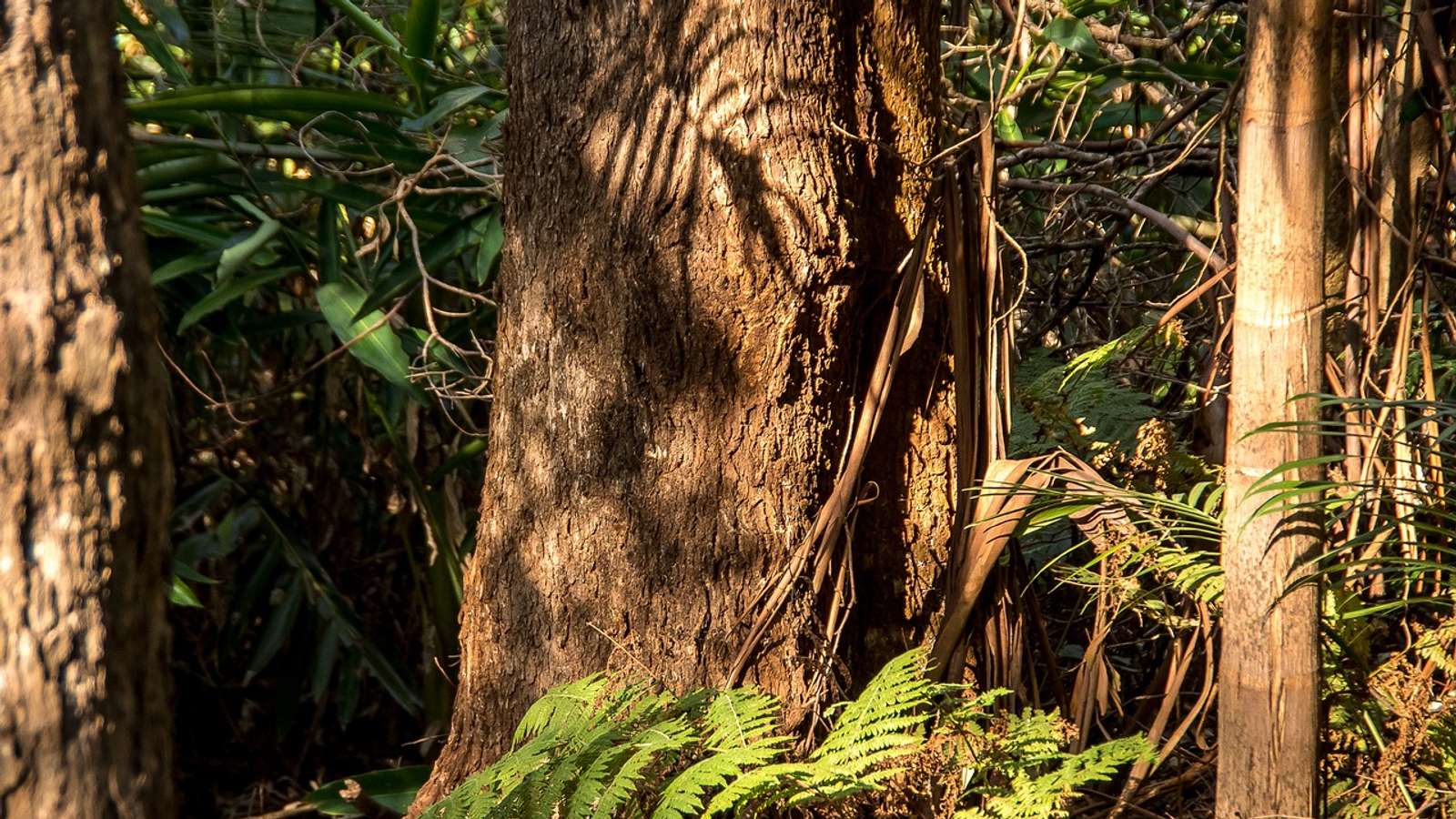
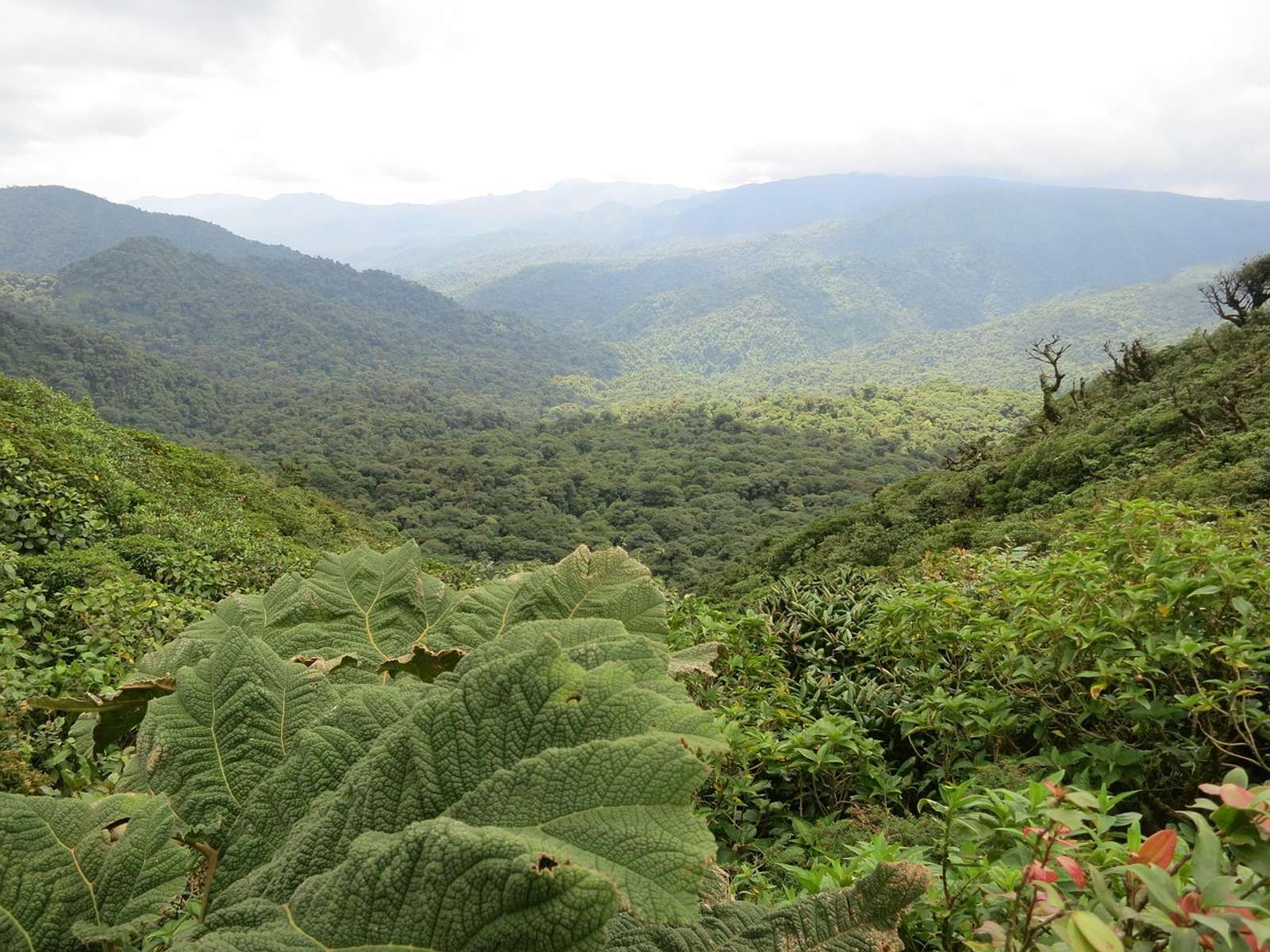
A teacher and amateur botanist has found a second population of the critically endangered Bonville leafless orchid, a plant known from a single site in the world until now, ABC News reported on 4 November. Nick Lambert found a cluster of about 50 plants in rainforest near Boambee, on the New South Wales mid-north coast, about 5 km from the original site.
Found the day after visiting the first site
On 22 October, Lambert visited the known site at Bonville with botanist Lachlan Copeland, who discovered the species in 2018 and after whom it is named, Danhatchia copelandii. The next day, Lambert found the new cluster. Copeland confirmed the find the following day.
“It's pretty special because you can't see it anywhere else in the world.” — Nick Lambert
Copeland said Lambert had found a much bigger and better population after about 30 botanists had tried and failed to find more plants. His yearly surveys at the original site have counted between about four and 43 plants; there were 17 this spring. More than 60 plants are now known in total.
A plant that is almost never seen
The orchid is about 10 cm tall, reddish and hairy, with tiny flowers. It has no leaves and gets its nutrients from a fungus underground, and it shows above ground for only one to two weeks a year, which helps explain why it is so hard to find. It cannot be grown in cultivation, so its survival depends on protecting wild plants.
A backup population inside a new national park
Brett Summerell, chief scientist at the Botanic Gardens of Sydney, called the find “very significant,” because a second population adds genetic diversity and a backup if something happens at the first site. The new site will fall within the protected Great Koala National Park. A specimen will be kept at the National Herbarium of NSW at Mount Annan for official identification. More stories about rare species are collected under endangered species.
Sources
- ABC News (Australia) · abc.net.au
How we choose and verify sources: editorial policy.