An Instagram photo led scientists to a new giant waterlily with pads up to 2 metres wide
Kew horticulturist Carlos Magdalena spotted an unfamiliar giant waterlily in an Instagram photo from Colombia. Five years later it has been named Victoria colombiana, and only 30 to 50 plants are thought to survive.
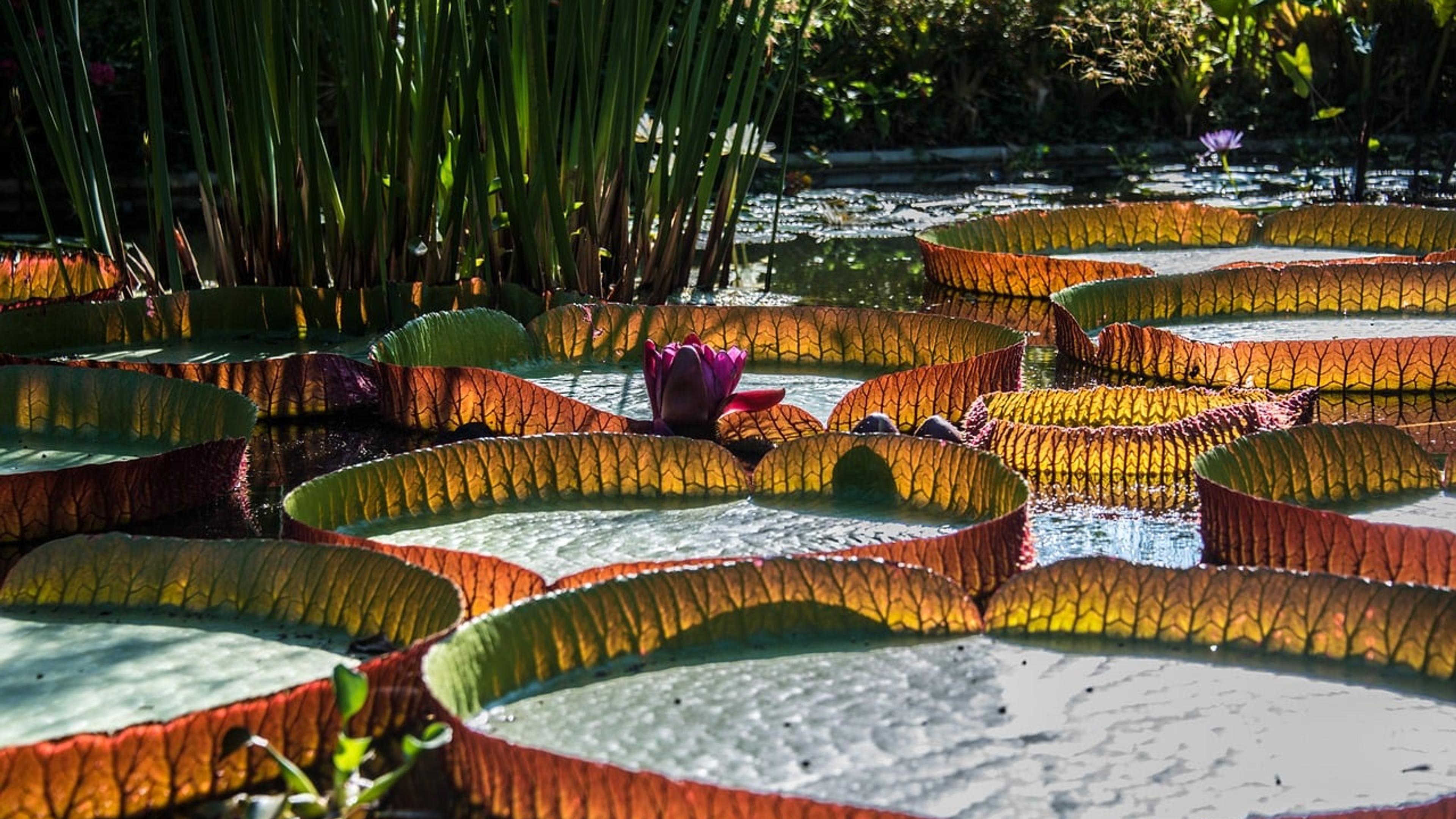
Scientists have described a new species of giant waterlily, Victoria colombiana, whose pads grow up to 2 metres across, after a waterlily expert at the Royal Botanic Gardens, Kew first spotted it in an Instagram post, Kew announced on 9 October. The species is described in the journal Phytotaxa and is believed to be critically endangered.
The photo showed a waterlily where none should grow
Five years ago, Kew horticulturist Carlos Magdalena saw photos from Colombia's Inírida region posted by Jeremiah Harris, who runs a carnivorous plant nursery in the US. Harris had taken the plant for the common Victoria amazonica. Magdalena noticed that no known Victoria waterlily grows in the Inírida River basin, part of the Orinoco's headwaters.
He then searched satellite images of the river and its lakes until he found several Victoria pads clearly visible from space. With Mauricio Bernal of the Bogotá Botanical Garden and members of local Indigenous reserves, he spent almost two years planning an expedition.
A 1am boat trip found the flower they needed
After five days in the field, the team had found only two plants, neither in flower, and a flower is needed to formally describe a species. On the last night, boatman Gustavo Melo of the Indigenous Tucano community said he knew where more grew. At 1am they set off into the flooded forest and, just before sunrise, found five more plants in a small lake, one in bloom, before rushing back for their 9am flight.
“This is one of those extraordinary stories where indigenous and horticultural knowledge with the help of social media and technology came together to uncover a truly extraordinary botanical achievement.” — Carlos Magdalena, Royal Botanic Gardens, Kew
Only 30 to 50 plants may survive
The team estimates there are between 30 and 50 V. colombiana plants in the wild, across three known lakes, and is working towards an official IUCN Red List assessment of Critically Endangered. It is only the fourth known species in the genus, alongside V. amazonica, V. cruziana and V. boliviana.
Conservation plans include collecting seed to grow plants in Bogotá and possibly creating a second population in a more accessible lake on Indigenous land, which could support eco-tourism. Small populations can bounce back with help, as shown by a Galápagos plant that recovered from just six survivors.
Like what you're reading?
Related stories
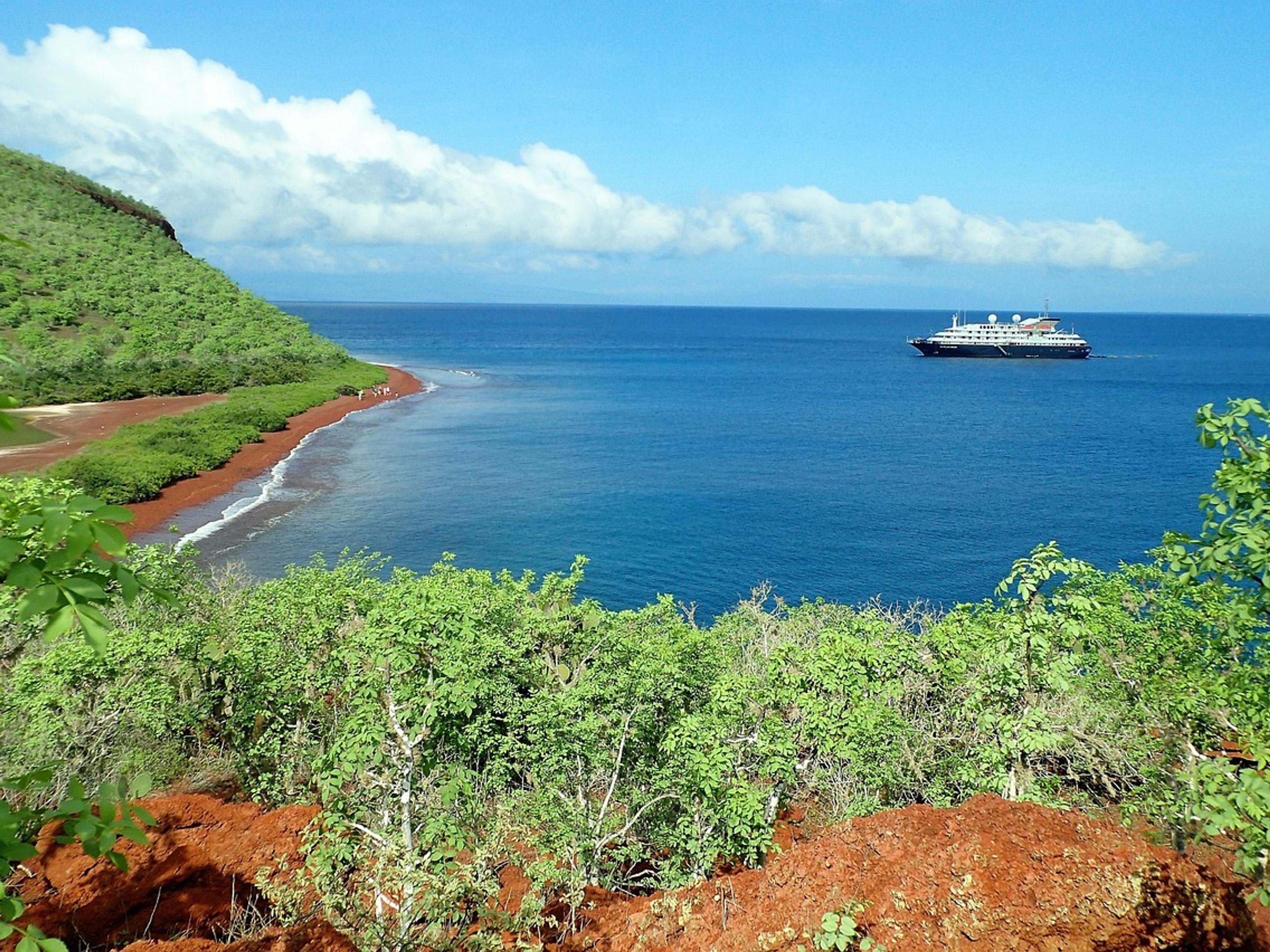
Galápagos Plant Recovers From Just Six Survivors After Decades-Long Rescue Effort
A critically endangered Galápagos plant has made a remarkable comeback, growing from just six known survivors into a recovering wild population after decades of dedicated conservation work.
American chestnut trees return to the Bronx Zoo, where the blight was first recorded
Twenty blight-resistant hybrid American chestnut trees were planted at the Bronx Zoo, where the zoo's chief forester first documented the disease that killed nearly 4 billion of the trees.

Forgotten 30-Year Experiment Finds Thinned Mountain Ash Forests Grew Bigger Trees
A long-neglected forestry trial in Victoria, Australia, found that heavily thinned mountain ash stands grew trees 20% wider than untouched forest and, within 30 years, stored as much or more carbon in their wood.