Galápagos Plant Recovers From Just Six Survivors After Decades-Long Rescue Effort
A critically endangered Galápagos plant has made a remarkable comeback, growing from just six known survivors into a recovering wild population after decades of dedicated conservation work.
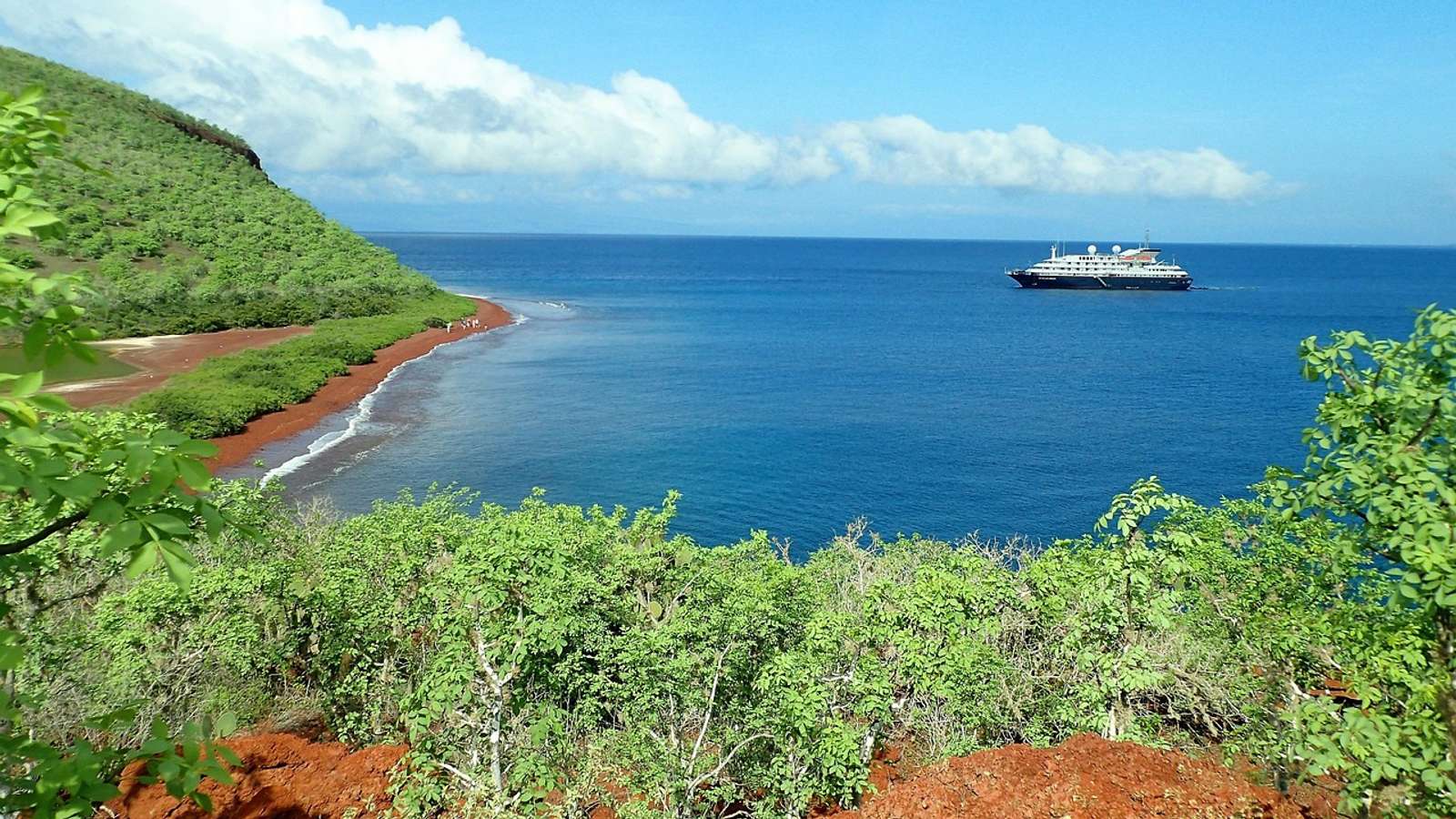
A plant that once came dangerously close to disappearing forever is beginning to recover in the Galápagos Islands after nearly three decades of conservation work by the Charles Darwin Foundation and the Galápagos National Park Directorate.
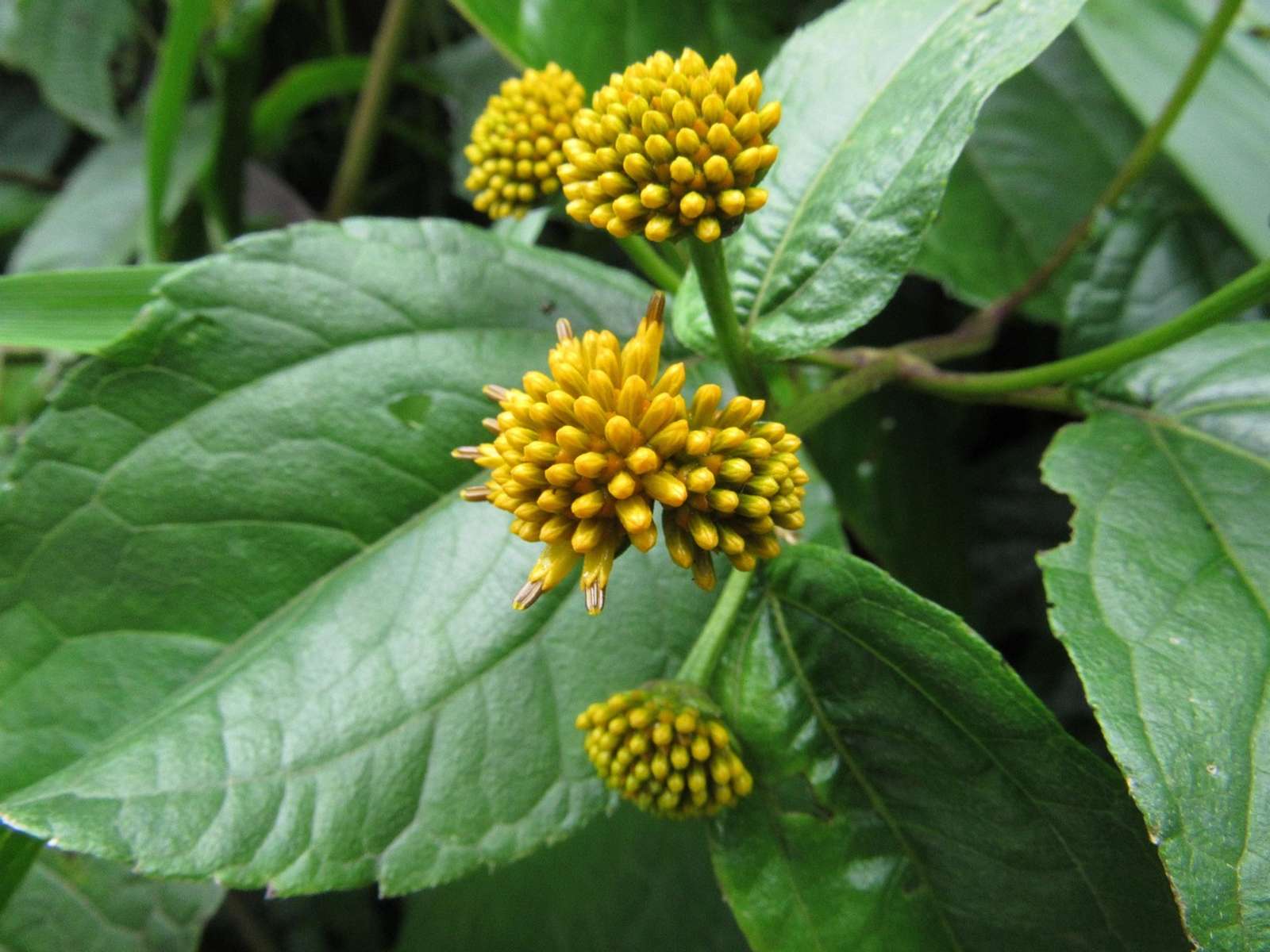
The Galápagos snapdragon, scientifically known as Galvezia leucantha subsp. leucantha, is found only on northern Isabela Island in Ecuador's Galápagos archipelago. By 2007, researchers could find just six surviving individuals in the wild, leaving the plant on the brink of extinction.
Today, 28 healthy adult plants are established across two restoration sites, while scientists have also seen the first evidence that reintroduced plants can reproduce naturally in the wild. Labs are adding new tools for rare plants as well: researchers in Poland have published a method to mass-produce a critically endangered pondweed from tiny tissue fragments.
A species nearly lost
The story of the plant's recovery stretches back decades.
For many years, researchers knew the species largely from a single herbarium specimen collected near Caleta Tagus in 1962. That preserved plant became an important clue for scientists trying to determine whether the species still survived.
In 1998, Charles Darwin Foundation researchers began searching the remote volcanic landscape of northern Isabela Island. What they found was concerning. The remaining plants were surviving in narrow cracks in young lava fields around Darwin Volcano.
Historical grazing by introduced herbivores had severely affected the species, and by 2007 only six individuals were known to remain.
Rather than accept its disappearance, conservationists began developing a long-term recovery program.
Growing plants for a return to the wild
Through the Galápagos Verde 2050 program, researchers learned how to collect seeds, propagate the rare plant in nurseries and eventually return young shrubs to their natural habitat.
Between 2017 and 2024, the team planted 94 nursery-grown Galápagos snapdragons in the wild.
Helping them survive was not simple. The volcanic landscape is extremely dry, and water scarcity remains one of the greatest threats to the species.
Researchers therefore experimented with techniques designed to retain water around newly planted shrubs. One system, known as the Groasis Waterboxx, produced 100% survival among the transplants included in the test.
The team also discovered that young plants initially focus heavily on developing their root systems before producing much visible growth above ground. That information helped conservationists better judge when nursery-grown plants were strong enough to be transplanted; the study puts the minimum height for successful outplanting at 60 cm.
A new generation appears
One of the most encouraging moments came in 2021.
Researchers monitoring the restored population at Playa Tortuga Negra discovered four young seedlings that had grown naturally from seeds produced by the reintroduced plants.
For the first time, there was evidence that the restored plants were not simply surviving but were successfully flowering, producing viable seeds and creating a new generation without being planted by humans.
The seedlings later died during a drought, showing that the species still faces serious challenges. But their appearance was nevertheless an important milestone.
It demonstrated that natural regeneration is possible, an essential step if the population is eventually going to become self-sustaining.
Returning to its historic home
Another major milestone followed in 2024, when conservationists returned the plant to Caleta Tagus.
It was the same area where the herbarium specimen had been collected more than 60 years earlier.
Eight plants are now growing at Caleta Tagus, while another 20 adults are established at Playa Tortuga Negra, bringing the current adult population at the two restoration sites to 28.
The recovery remains fragile. Water shortages, drought and the difficulty young seedlings face in becoming established mean the species still requires active protection and monitoring.
But compared with the six individuals known in 2007, the situation is far more hopeful.
The study’s authors, writing in Nature Conservation, say the approach can support the recovery of other island plants with very small ranges. It combines historical botanical records, nursery propagation, field experiments and years of close monitoring to rebuild a population that once seemed destined to disappear.
“True restoration begins when nature no longer depends on us.” — Patricia Jaramillo Díaz, lead author and senior researcher at the Charles Darwin Research Station
For the Galápagos snapdragon, the work is not finished. But after decades of effort, one of the islands' rarest plants is growing again in places where it once nearly vanished.
Sources
- Charles Darwin Foundation · darwinfoundation.org
- doi.org
How we choose and verify sources: editorial policy.