Two new flowering plants described from Ecuador's Centinela, a ridge once written off as lost
Botanists have described two new species of Monopyle, a relative of the African violet, from forest fragments on Ecuador's Centinela ridge. One grows nowhere else and is assessed as Endangered.
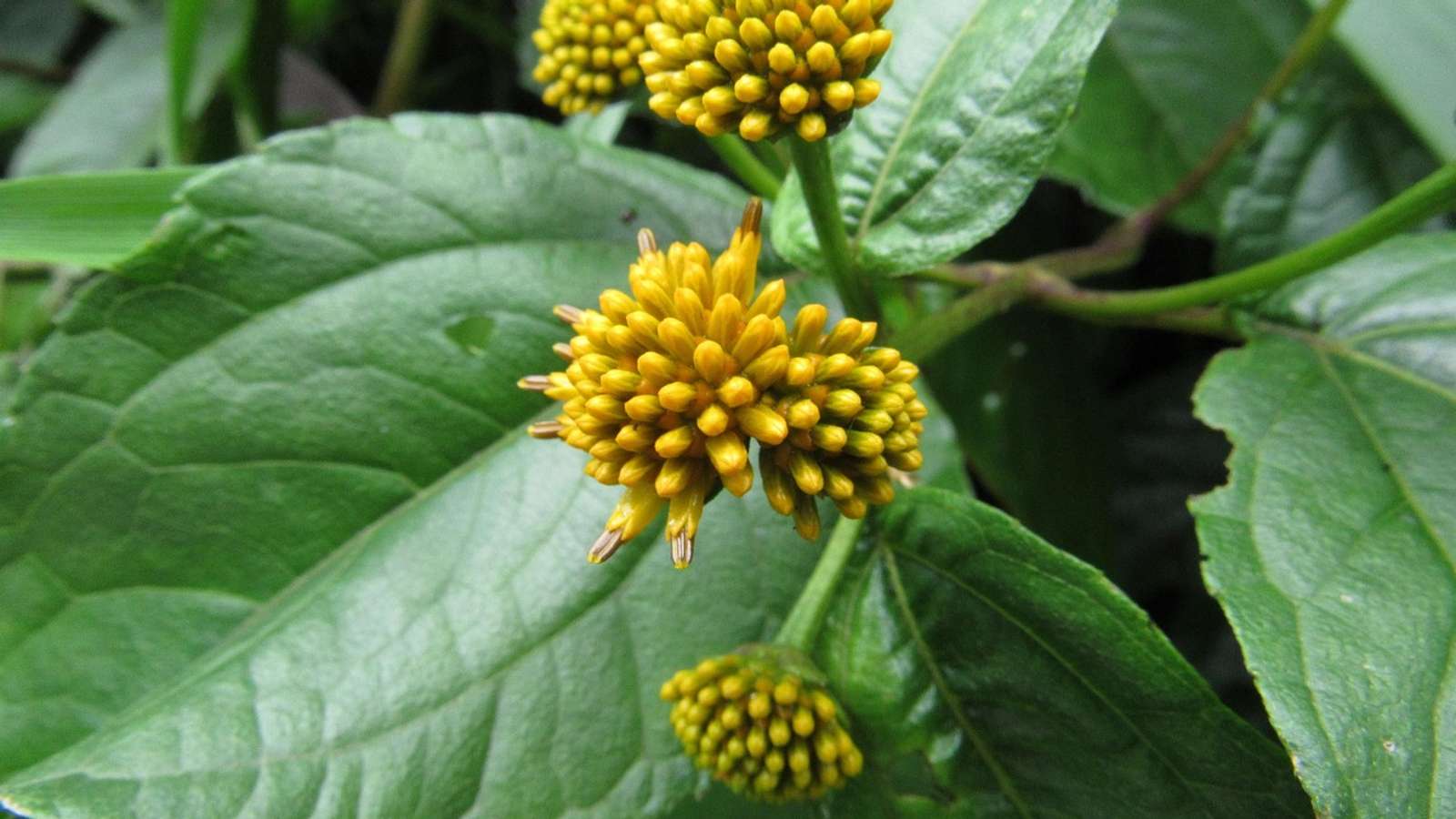
Botanists have described two new species of flowering plant, Monopyle incisa and Monopyle tomentosa, from the Centinela ridge in western Ecuador, a place that once became shorthand for species lost to deforestation, Botany One reported on 8 October. The species were published in the journal Harvard Papers in Botany by John L. Clark of the Marie Selby Botanical Gardens in Florida and colleagues.
Both belong to the Gesneriaceae, the family of the African violet, and bring the genus Monopyle to 27 known species.
The ridge that gave its name to 'Centinelan extinction'
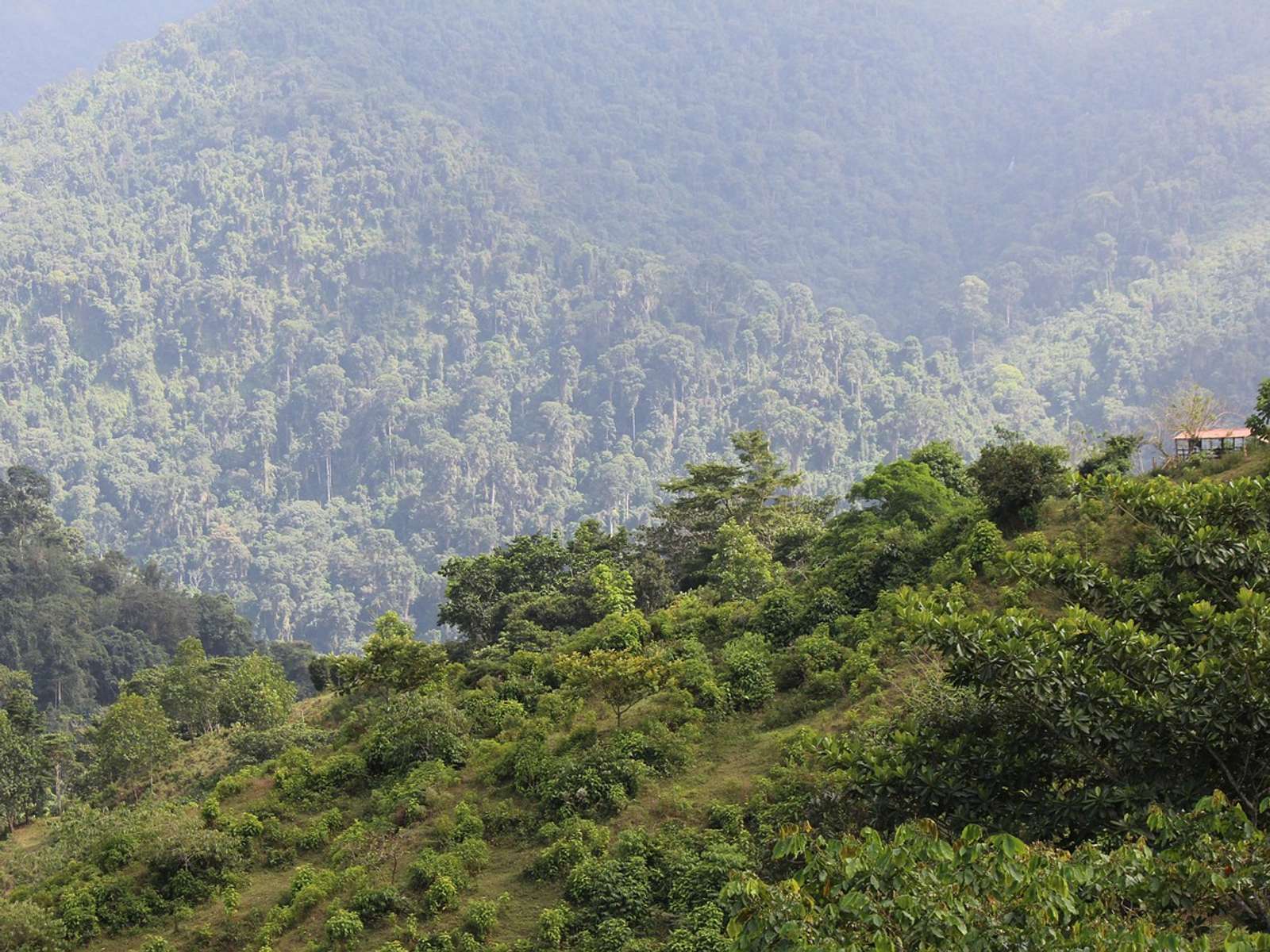
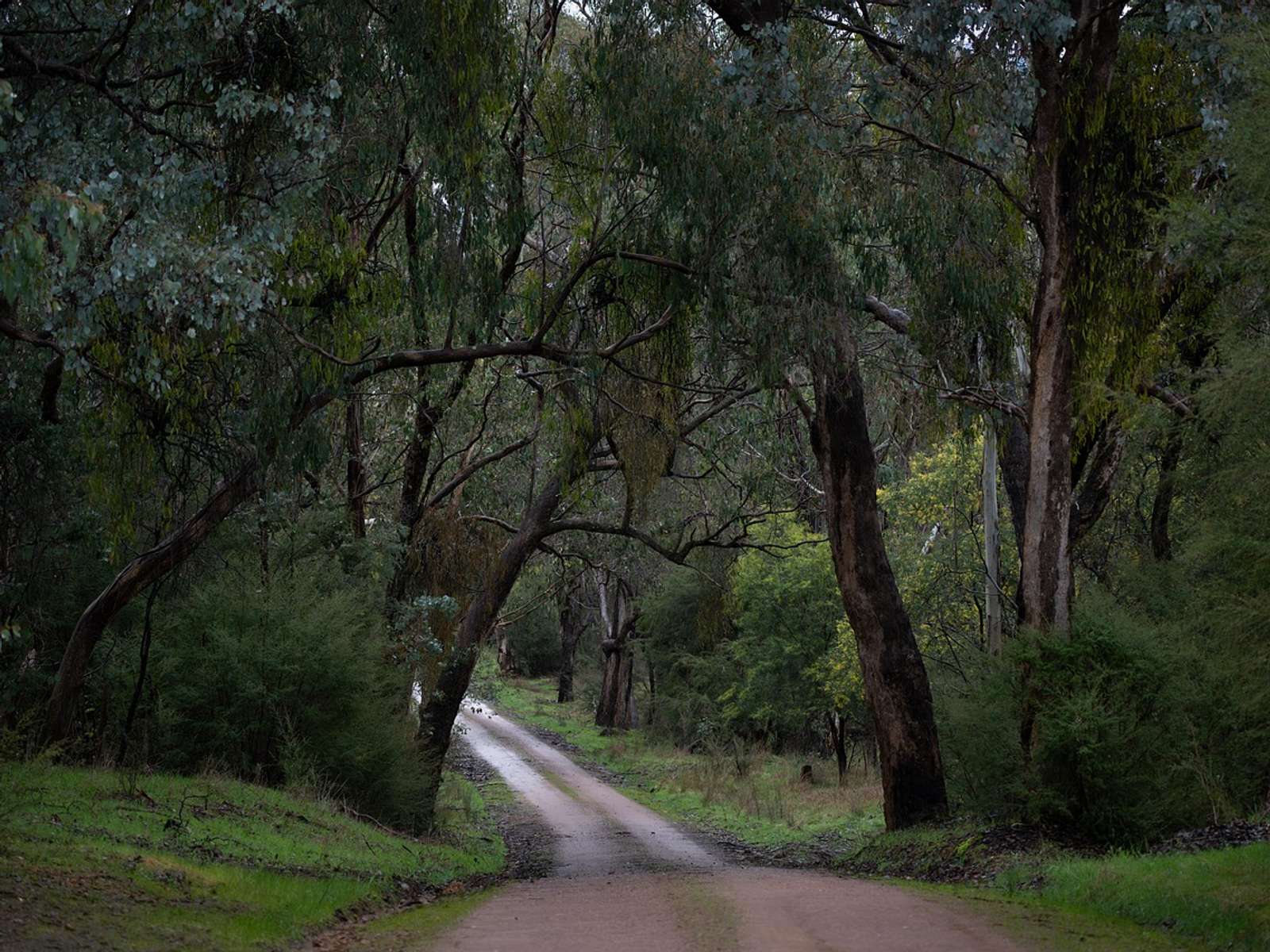
Centinela lies on the western slopes of the Andes in northern Ecuador, below 1,500 meters, in the species-rich Chocó region. The biologist Edward O. Wilson named a phenomenon after it: "Centinelan extinction," unique plants vanishing before scientists can describe them.
Recent fieldwork has shown that the story is not finished. Today Centinela consists of at least 19 forest fragments, between 8 and 144 hectares, surrounded by agriculture. During expeditions from 2021 to 2023, Clark's team recorded 49 other species in the same plant family there, including Gasteranthus extinctus, a species presumed extinct until it was found again in 2021.
One species grows only in a few wet forest patches
Monopyle incisa is known only from Centinela, where it grows in small fragments of wet forest at 500 to 1,000 meters. Its name refers to its deeply toothed calyx lobes. Using IUCN criteria, the authors give it a preliminary assessment of Endangered.
Monopyle tomentosa is more widespread, growing at 400 to 1,000 meters in the provinces of Pichincha, Santo Domingo de los Tsáchilas and Esmeraldas. It is named for the velvety hairs on its stems and is preliminarily assessed as Vulnerable. Clark had seen it since 1994, when he worked as a Peace Corps volunteer at the Bilsa Biological Station, but it took years of comparing specimens and herbarium records to confirm it was new to science.
The forest survives because landowners keep it
The remaining fragments survive largely because local landowners choose not to clear them, often with little funding or government support, according to the article. Other new species keep emerging from the ridge. In 2025 a team led by Juan Ernesto Guevara-Andino described a 25- to 35-meter canopy tree, Phragmotheca centinelensis, in the journal PhytoKeys. They assessed it as Endangered because of its small range, threatened habitat and active targeting by loggers, and estimated that about 34% of its potential habitat has disappeared.
The article closes on a simple point: biodiversity that has not been described cannot be protected. Both Monopyle assessments are preliminary; they are the authors' own application of IUCN criteria, not yet official Red List entries.
Sources
- Botany One · botany.one
- phytokeys.pensoft.net
How we choose and verify sources: editorial policy.
Your weekly dose of good news
The 5 biggest positive stories of the week, straight to your inbox. Free, no noise.
Like what you're reading?
Related stories
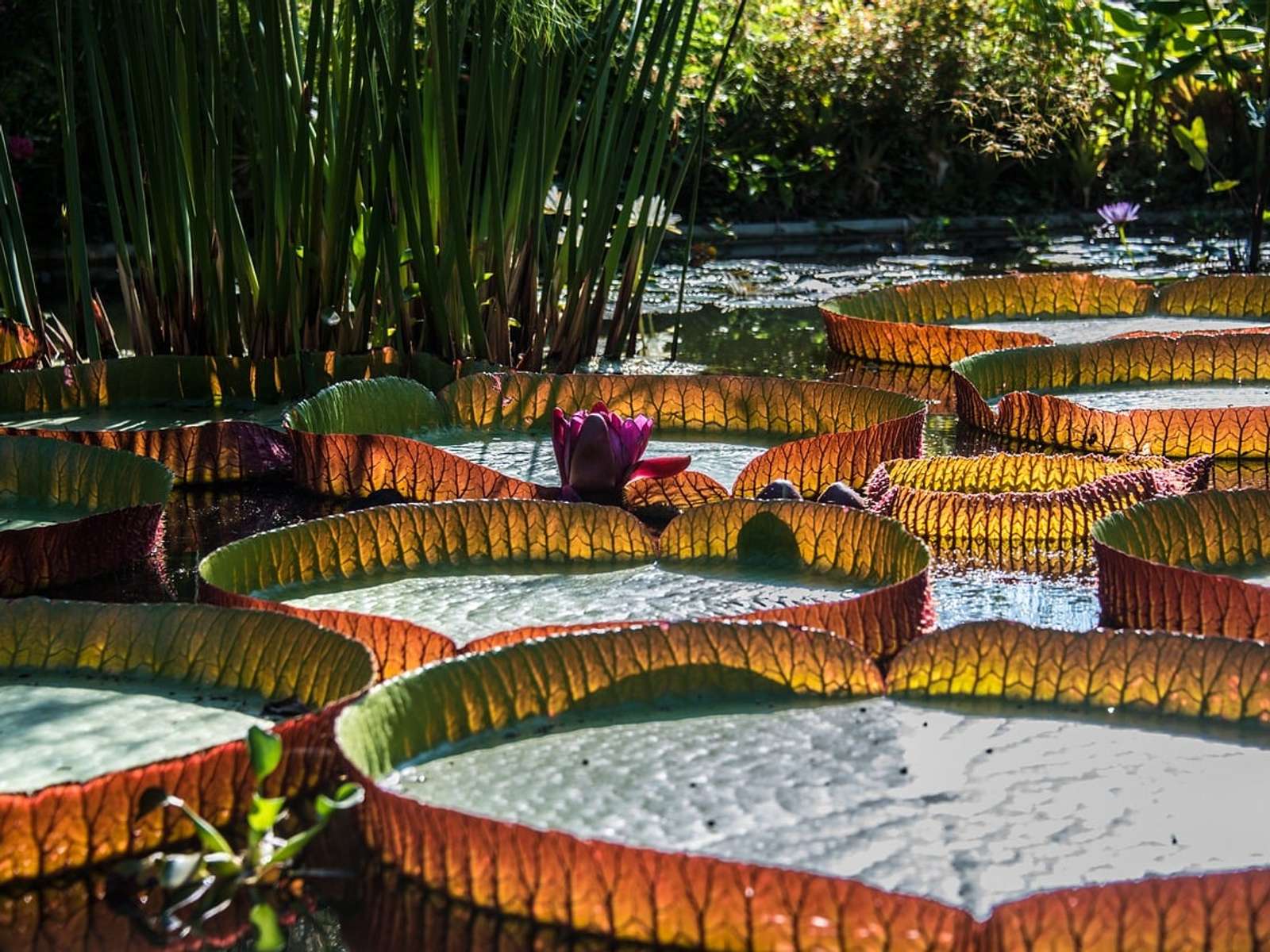
An Instagram photo led scientists to a new giant waterlily with pads up to 2 metres wide
Kew horticulturist Carlos Magdalena spotted an unfamiliar giant waterlily in an Instagram photo from Colombia. Five years later it has been named Victoria colombiana, and only 30 to 50 plants are thought to survive.
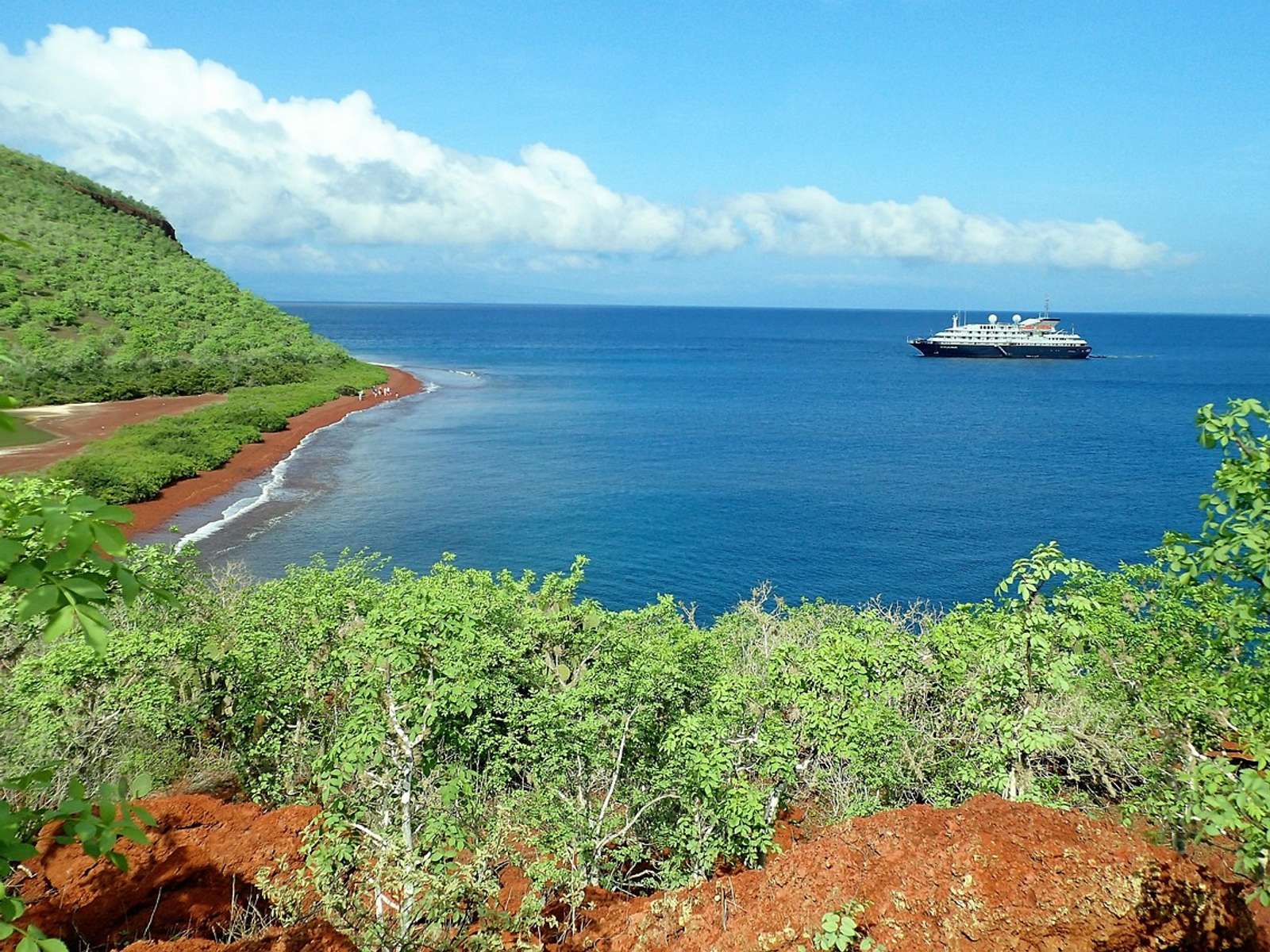
Galápagos Plant Recovers From Just Six Survivors After Decades-Long Rescue Effort
A critically endangered Galápagos plant has made a remarkable comeback, growing from just six known survivors into a recovering wild population after decades of dedicated conservation work.
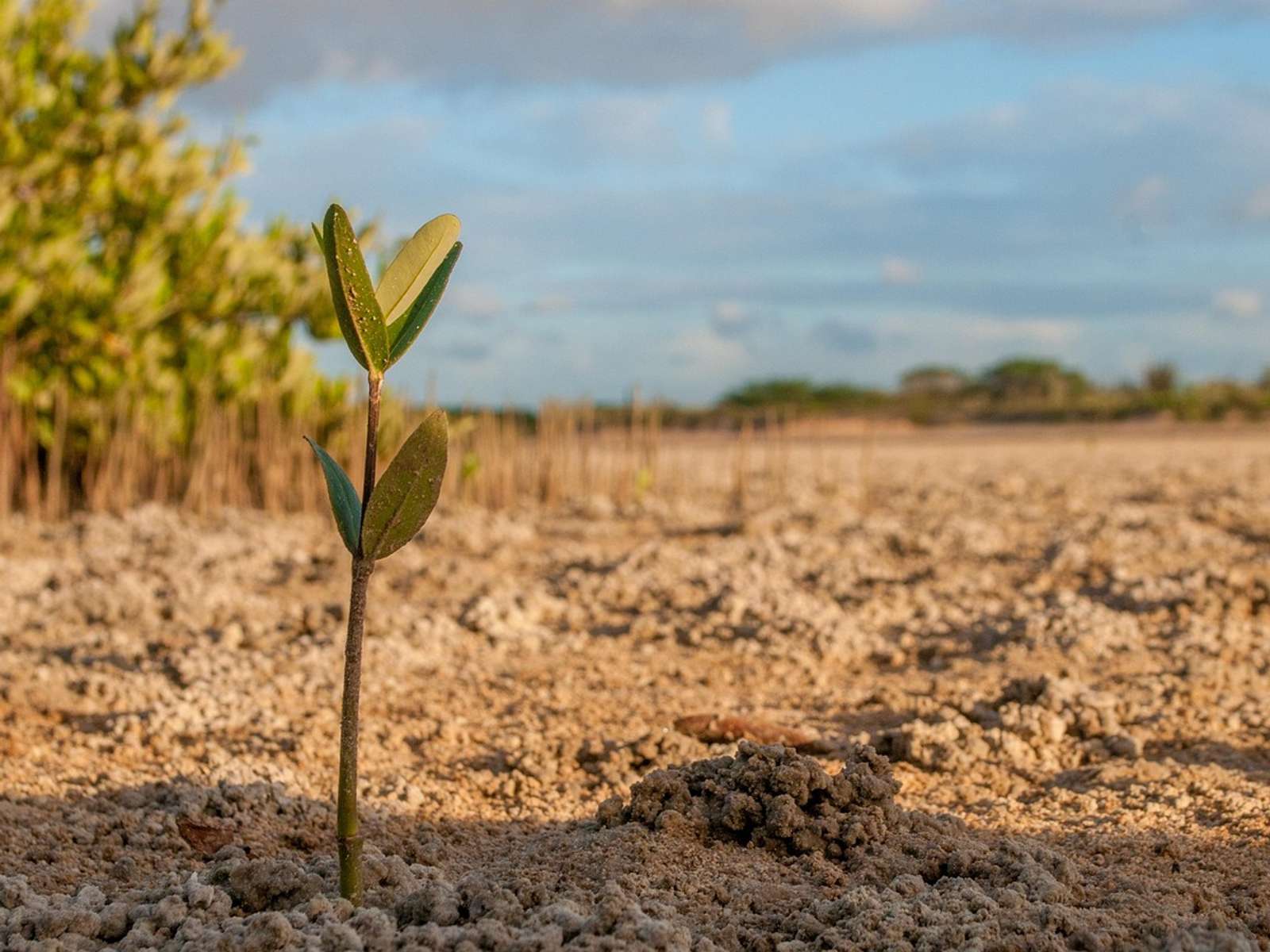
Young Kenyans have replanted more than 15 hectares of mangroves on the Kwale coast
A youth-led network and local fishers have restored more than 15 hectares of degraded mangroves at Nyumba Sita in Kenya's Kwale County. They now aim for 200 hectares by 2030.