American chestnut trees return to the Bronx Zoo, where the blight was first recorded
Twenty blight-resistant hybrid American chestnut trees were planted at the Bronx Zoo, where the zoo's chief forester first documented the disease that killed nearly 4 billion of the trees.
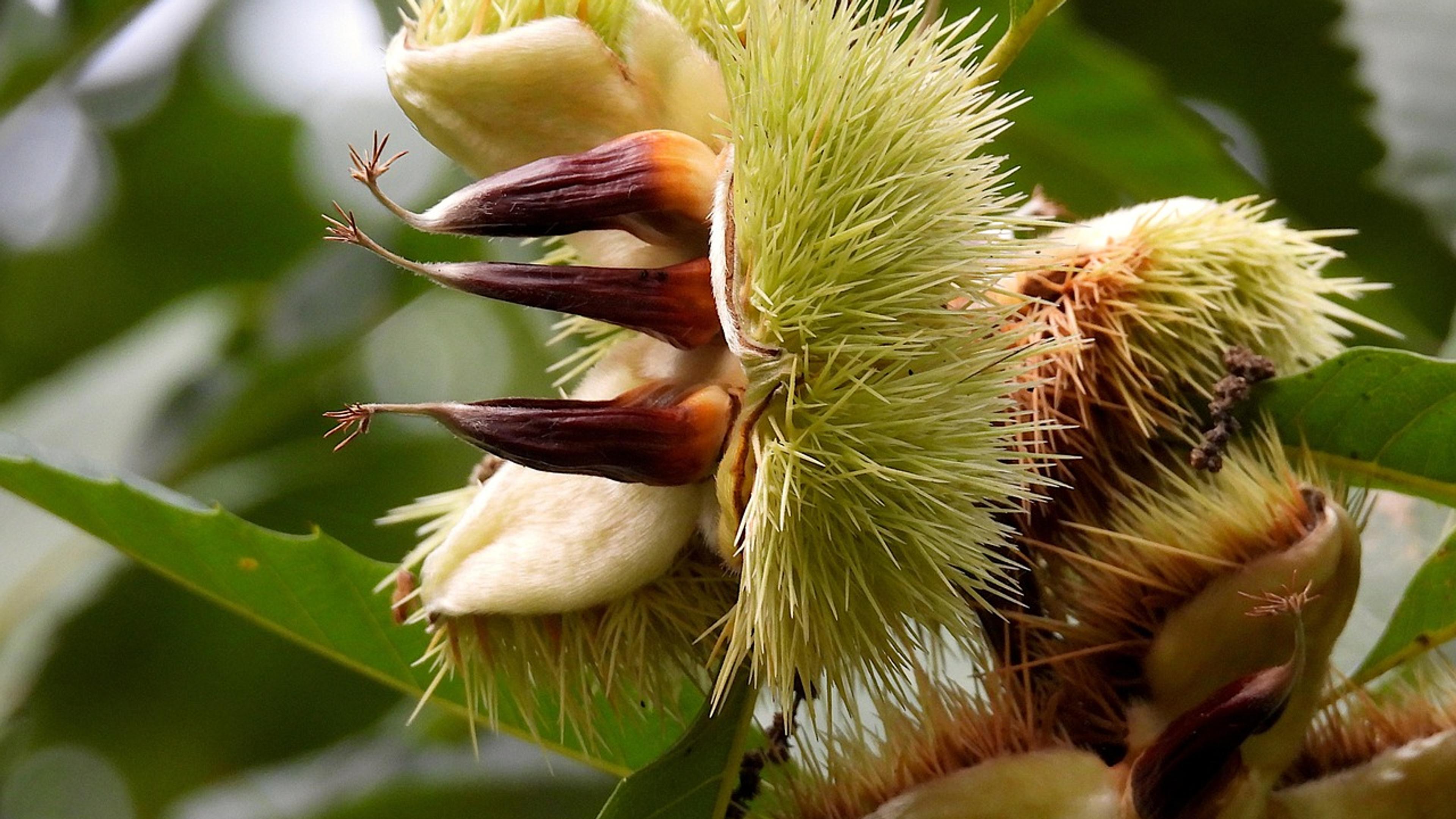
Twenty hybrid American chestnut trees were planted at the Bronx Zoo in New York on 5 October, the first chestnuts at the zoo since a blight wiped out the species across North America, the Wildlife Conservation Society said. The saplings, two to three feet tall, were donated by New York Restoration Project with The American Chestnut Foundation.
The zoo's own forester documented the blight in 1904
The location is symbolic. In 1904, the zoo's chief forester, Hermann Merkel, was the first to document chestnut blight. The disease went on to kill nearly 4 billion American chestnuts, a tree that once grew from Maine to Florida and west to the Ohio Valley and fed wildlife and people for generations.
Today the American chestnut is considered functionally extinct in the wild. The blight is caused by Cryphonectria parasitica, a fungus native to Asian chestnuts, according to Penn State Extension. Breeders cross American chestnuts with blight-resistant Chinese trees and then breed the offspring back to American trees over several generations, producing trees that are roughly 94% genetically American.
Twenty saplings join a growing city-wide network
The zoo's horticulture team and New York Restoration Project planted the trees at three spots: along the east bank of the Bronx River, which runs through the zoo, and along a footpath just north of Tiger Mountain.
Since 2017, New York Restoration Project has planted and now cares for more than 200 hybrid chestnuts in Highbridge Park in Northern Manhattan, the largest chestnut grove in the city. In 2025 it launched a "1,000 Chestnut Challenge" that asks New Yorkers and local institutions to plant and monitor saplings over time.
“These trees do more than reconnect New Yorkers with a lost part of their natural history. They become part of a living restoration network, helping us learn which trees can survive, grow, and ultimately reclaim their place in forests and communities of the future.” — Michael Goergen, President and CEO, The American Chestnut Foundation
Bringing back a plant that has nearly vanished is slow work. Good News Daily has also reported on a Galápagos plant that recovered from just six survivors.
Whether the hybrids thrive over decades is still being tested, which is part of the point of planting them across many sites. Craig Piper, the Bronx Zoo's director, said the planting reflects a commitment to the zoo's "historic home and roots in the Bronx."
Like what you're reading?
Related stories
The Felled Sycamore Gap Tree Is Growing Back, With Shoots Already 3 Feet Tall
Three years after vandals illegally felled the famous Sycamore Gap tree in England, a ring of new shoots up to 3 feet tall is growing from its stump, and the National Trust says recovery measures are working.

Lab Breakthrough Offers New Hope for Poland's Critically Endangered Pondweed
Polish scientists have published the first complete lab protocol for mass-producing Groenlandia densa, a critically endangered aquatic plant, turning a handful of tissue fragments into thousands of new plants for river restoration.
Galápagos Plant Recovers From Just Six Survivors After Decades-Long Rescue Effort
A critically endangered Galápagos plant has made a remarkable comeback, growing from just six known survivors into a recovering wild population after decades of dedicated conservation work.