Communities in Tigray have restored more than 23,000 hectares of Ethiopia's Desa'a forest, and the UN took notice
A WeForest project with local communities has restored more than 23,000 hectares of degraded land in Ethiopia's Desa'a forest in Tigray. UNEP named it a World Restoration Flagship on 29 October, Mongabay reported.
A forest restoration project in Ethiopia's Tigray region, carried on through two years of war, has been named a World Restoration Flagship by the UN Environment Programme (UNEP), Mongabay reported on 3 November. The recognition was announced on 29 October at the UN Biodiversity Conference (COP17) in Yerevan, Armenia.
A forest that had lost three-quarters of its cover
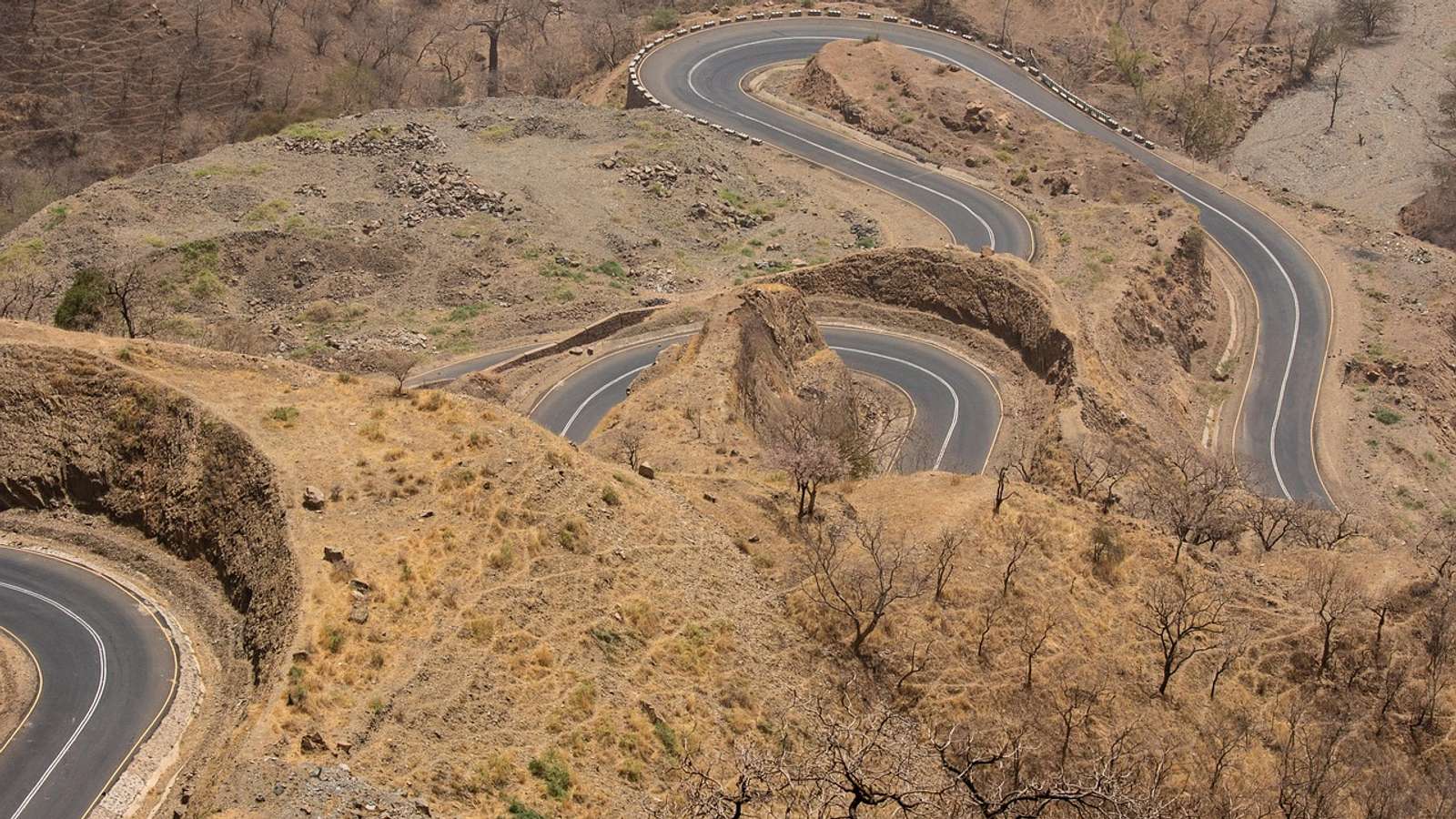
Desa'a is an Afromontane forest in Tigray, in northern Ethiopia. By the time the project started in 2016, an estimated 74% of the forest had disappeared, and about 70% of what remains is considered degraded. Local communities have long relied on the forest and surrounding farmland for food, water, energy and grazing. Project manager Yemane Gebru estimates that about 56% of the region's people live on less than $2 a day.
Soil held, rain captured
The project, run by the nonprofit WeForest with local communities, has restored more than 23,000 hectares of degraded land. It has prevented about 500,000 metric tons of soil erosion and collects about 1.9 million cubic meters of rainwater a year. Research with Mekelle University found that soil infiltration rose 26% in restored areas since 2019, while it fell 40% in degraded areas that were not restored. Besides reclaiming land and expanding forest cover, the project supports livelihoods such as beekeeping.
Aklilu Negussie Mekuria, WeForest's country director for Ethiopia, said the community now leads the initiative and guides the work. Gebru said protecting the area is in the community's own interest; Desa'a also holds church forests among the oldest Christian sites in the world.
Work under airstrikes, and new risks
The war that began in November 2020 lasted two years and ended with the 2022 Pretoria peace deal. During the fighting, airstrikes and drone attacks made fieldwork risky, and teams worked in small groups that kept moving, Mekuria said. Renewed fighting in late September 2026 could threaten the project's long-term goals, according to Mongabay.
UNEP's Doreen Lynn Robinson estimated the restoration could capture about 6 million metric tons of CO₂ equivalent over 50 years. Robinson said the recognition is meant to inspire others to act. More restoration stories are collected under habitat restoration.
Sources
- Mongabay · news.mongabay.com
How we choose and verify sources: editorial policy.