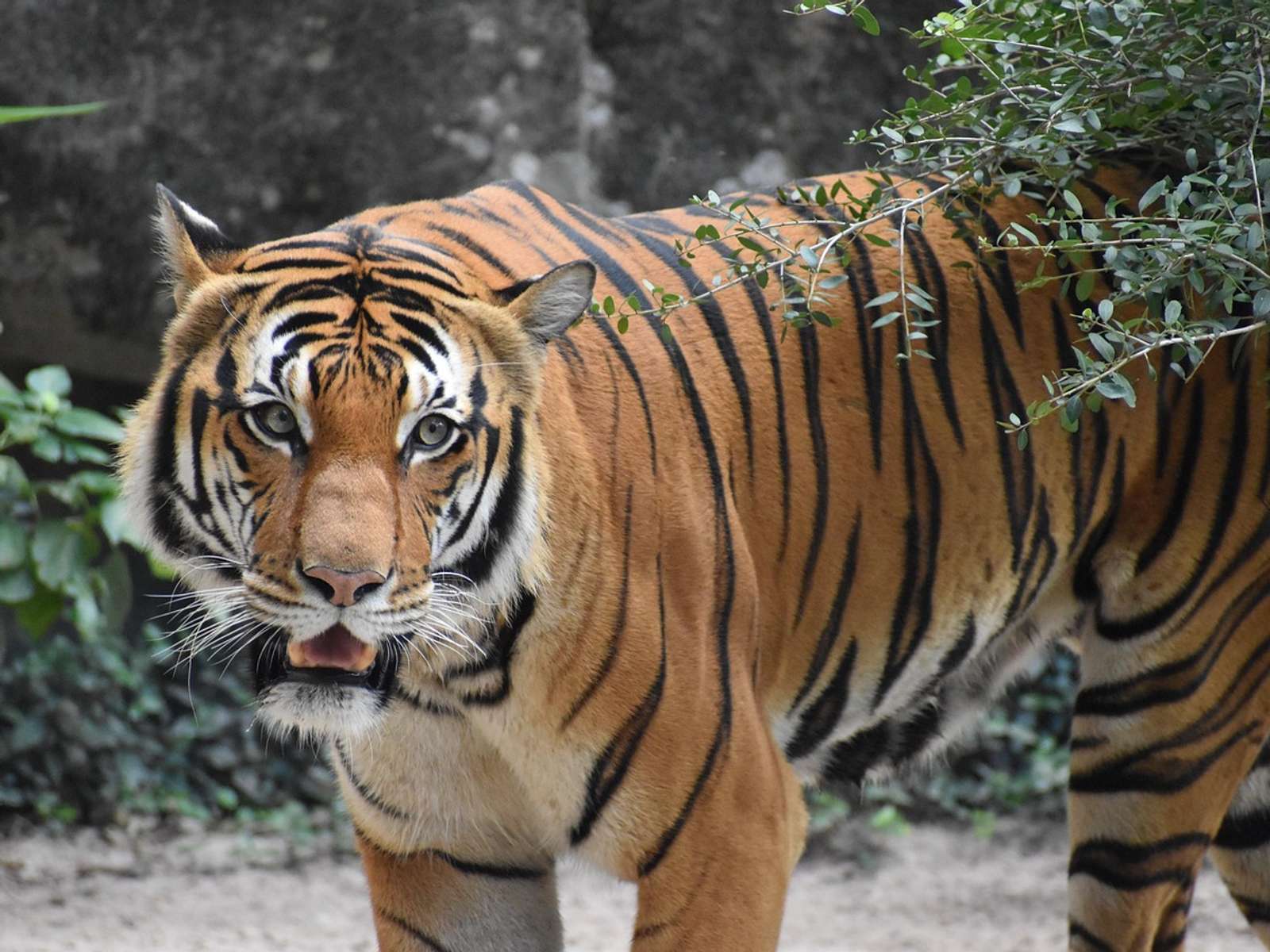
Kazakhstan releases a second Amur tiger, a male named Amur, into the wild at Ile-Balkhash
A male Amur tiger named Amur was released into the Ile-Balkhash State Nature Reserve on 31 October, Kazakhstan's ecology ministry said. He follows the tigress Ümit, released in July, in a program to bring tigers back more than 70 years after they disappeared.
By Diego Callegari, Editor
· 2 min read
Source: Ministry of Ecology and Natural Resources of Kazakhstan ↗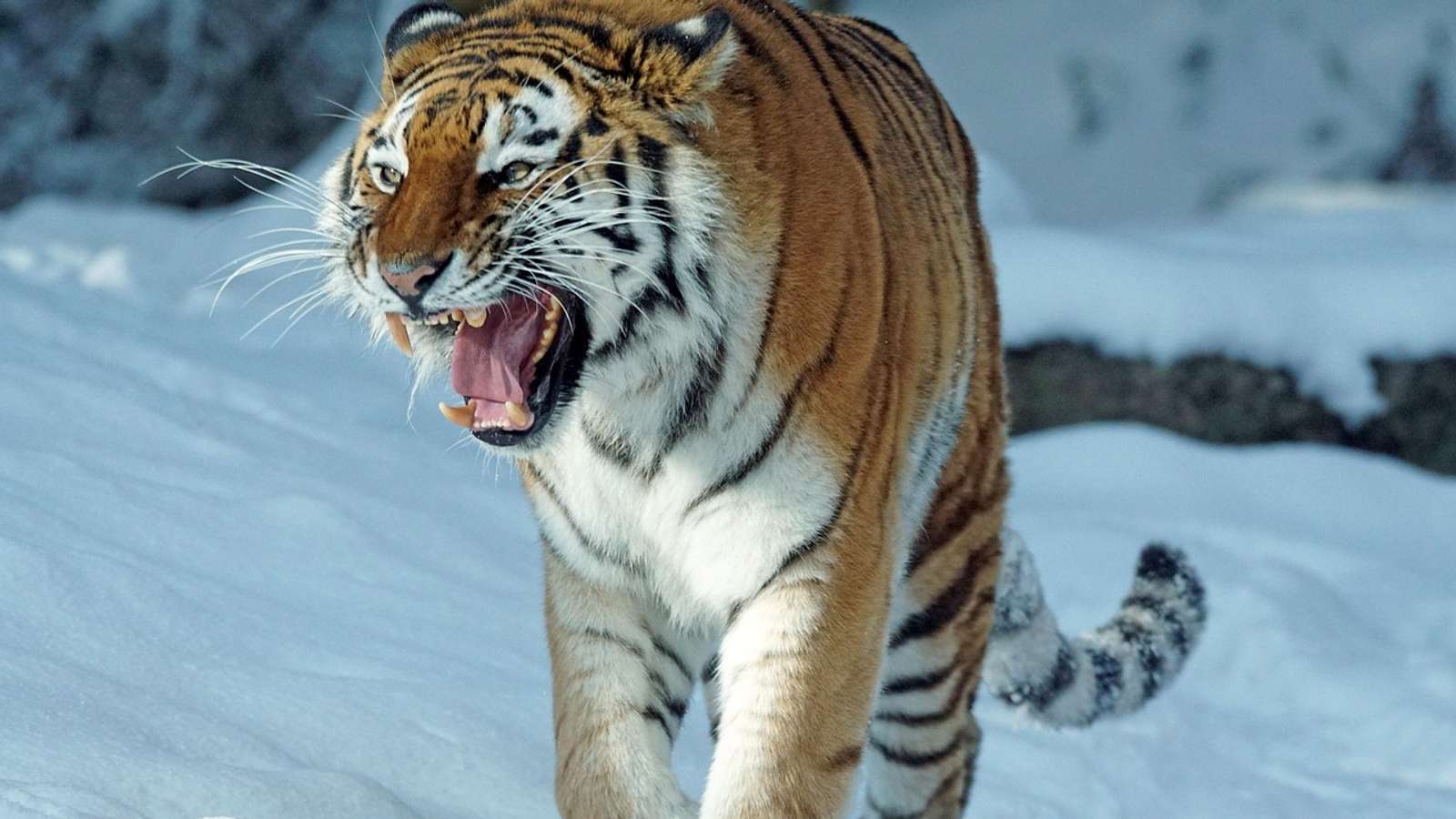
A male Amur tiger named Amur was released into the Ile-Balkhash State Nature Reserve in south-eastern Kazakhstan on 31 October, the country's Ministry of Ecology and Natural Resources said. He is the second tiger to be set free in the program, three months after the tigress Ümit.
Tigers vanished from Kazakhstan in the mid-20th century
Kazakhstan's native Turan tiger, also called the Caspian tiger, disappeared in the middle of the 20th century, the ministry said. Ümit's release on 31 July was the first time in more than 70 years that a tiger roamed free in the country, Orda.kz reported in August. Preparation for the return took more than ten years and included creating the reserve and restoring prey populations, according to the same report.
Four tigers from Russia’s Far East
Four Amur tigers caught in the wild in Khabarovsk Krai, Russia, were delivered to Kazakhstan in May 2026: two adults and two cubs. With Amur's release, both adults are now free. The cubs remain under observation, and the ministry said they will be released only once they reach the right age and pass the required tests.
“Releasing each tiger is a great responsibility. We must be sure the animal is ready for independent life in the wild.” — Daniyar Turgambayev, Chairman of the Committee for Forestry and Wildlife (translated from Russian)
The program is a cooperation between Kazakhstan and Russia. “Cooperation between Russia and Kazakhstan within the tiger return program is of particular importance for conserving this rare species,” said Sergey Aramilev, director general of the Amur Tiger Center, in the ministry's statement. The Freedom Shapagat Corporate Fund also supports the work.
Safety for tigers and for people
The goal is a lasting population, not a few individual animals. “Our main goal is not just to return these predators to their historical habitats, but to form a sustainable population,” said Minister Alibek Kuantyrov. Kanat Kozhabekov, director of the Ile-Balkhash reserve, said it matters that the tigers adapt successfully and that people feel safe.
The ministry did not give a date for releasing the two cubs or say how the released tigers are being tracked. India is rebuilding a lost tiger population in a similar way, by moving a tigress into Buxa Tiger Reserve.
Sources
How we choose and verify sources: editorial policy.