India Releases First Tigress Into Buxa Tiger Reserve to Rebuild Its Population
A three-year-old tigress, T138, has been released into West Bengal’s Buxa Tiger Reserve, the first step in a phased program to rebuild a breeding tiger population after years without a stable resident one.
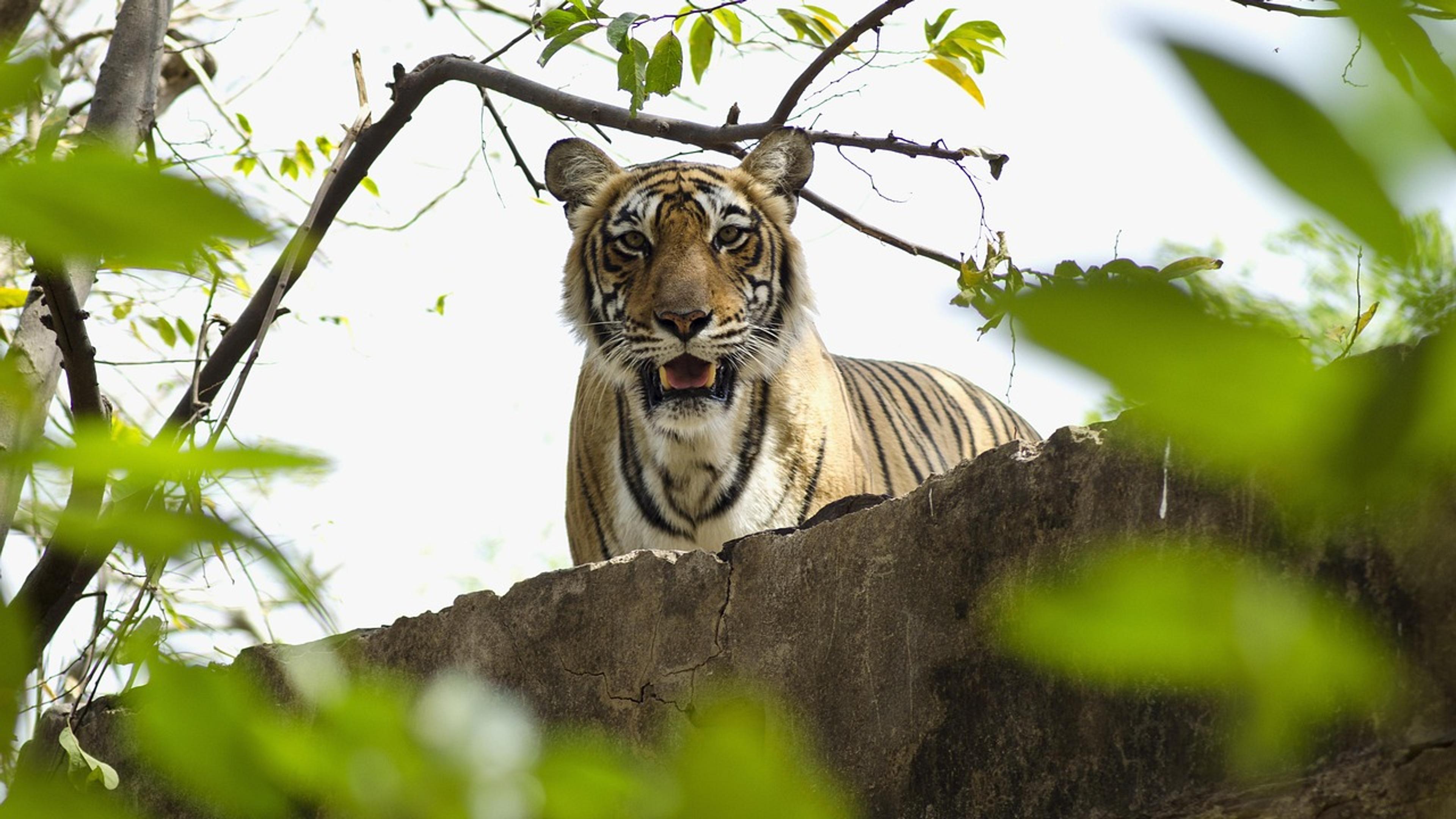
A three-year-old tigress was released into the core zone of Buxa Tiger Reserve in West Bengal on October 2, the first animal in a phased program to bring a breeding tiger population back to the reserve, India’s environment ministry said. The tigress, known as T138, was moved from Valmiki Tiger Reserve in neighboring Bihar.
Buxa has gone years without a stable resident tiger population
Buxa was declared a tiger reserve in 1983 and is connected to forests in Bhutan and Assam. Habitat degradation, changing land use and a decline in prey left it without a stable resident tiger population for a long period, according to the ministry.
Tigers have still passed through. Camera traps recorded them in 2021, 2023 and 2026, and an animal photographed in 2023 was matched to a tiger from Manas Tiger Reserve in Assam.
Eight years of habitat work came first
Since 2018, West Bengal has run a tiger recovery project with the National Tiger Conservation Authority and the Wildlife Institute of India. More than 800 chital deer have been released to strengthen the prey base, and about 380 hectares of grassland have been restored or converted. Two villages were also voluntarily relocated, Union Environment Minister Bhupender Yadav said, The News Mill reported.
Yadav and West Bengal Chief Minister Suvendu Adhikari attended the release, which coincided with the start of India’s Wildlife Week.
Success will be measured by breeding, not by numbers released
T138 will be tracked with telemetry, camera traps and field teams to follow her movement, health and behavior. More tigers will be brought in only where habitat, prey, protection and monitoring results justify it, the ministry said. The program also works with 64 local eco-development and joint forest management committees on livelihoods and reducing conflict between people and wildlife.
According to the ministry, the measure of success will not be how many tigers are released, but whether a healthy, free-ranging and self-sustaining population takes hold.
Like what you're reading?
Related stories
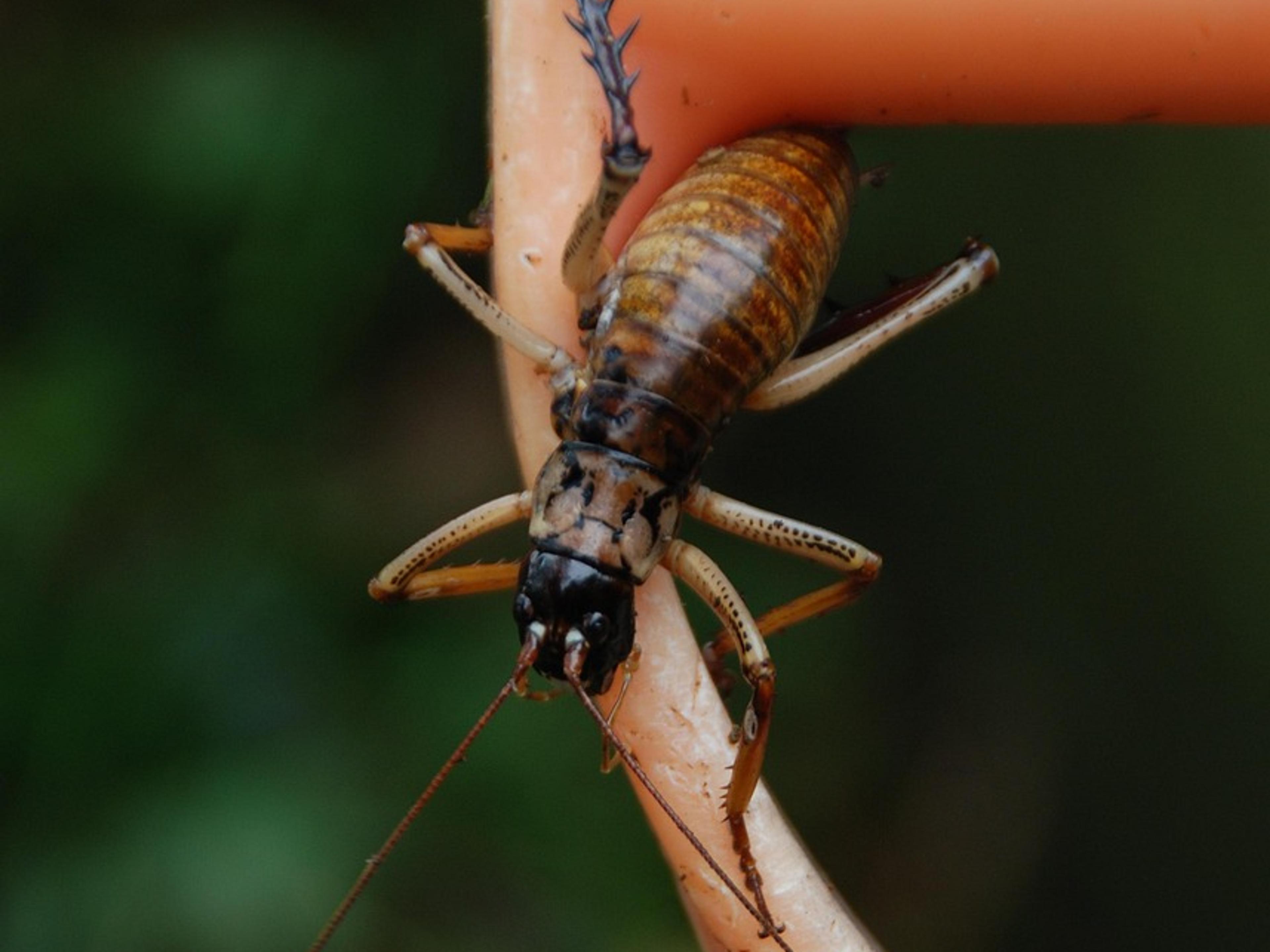
11,000 Giant Wētāpunga Released at 10 Wild Sites as New Zealand's Heaviest Insect Recovers
A 15-year breeding and release program has moved 11,000 wētāpunga, the world's heaviest orthopteran, to 10 new wild sites, improving the species from Nationally Endangered in 2004 to Nationally Increasing in 2022.
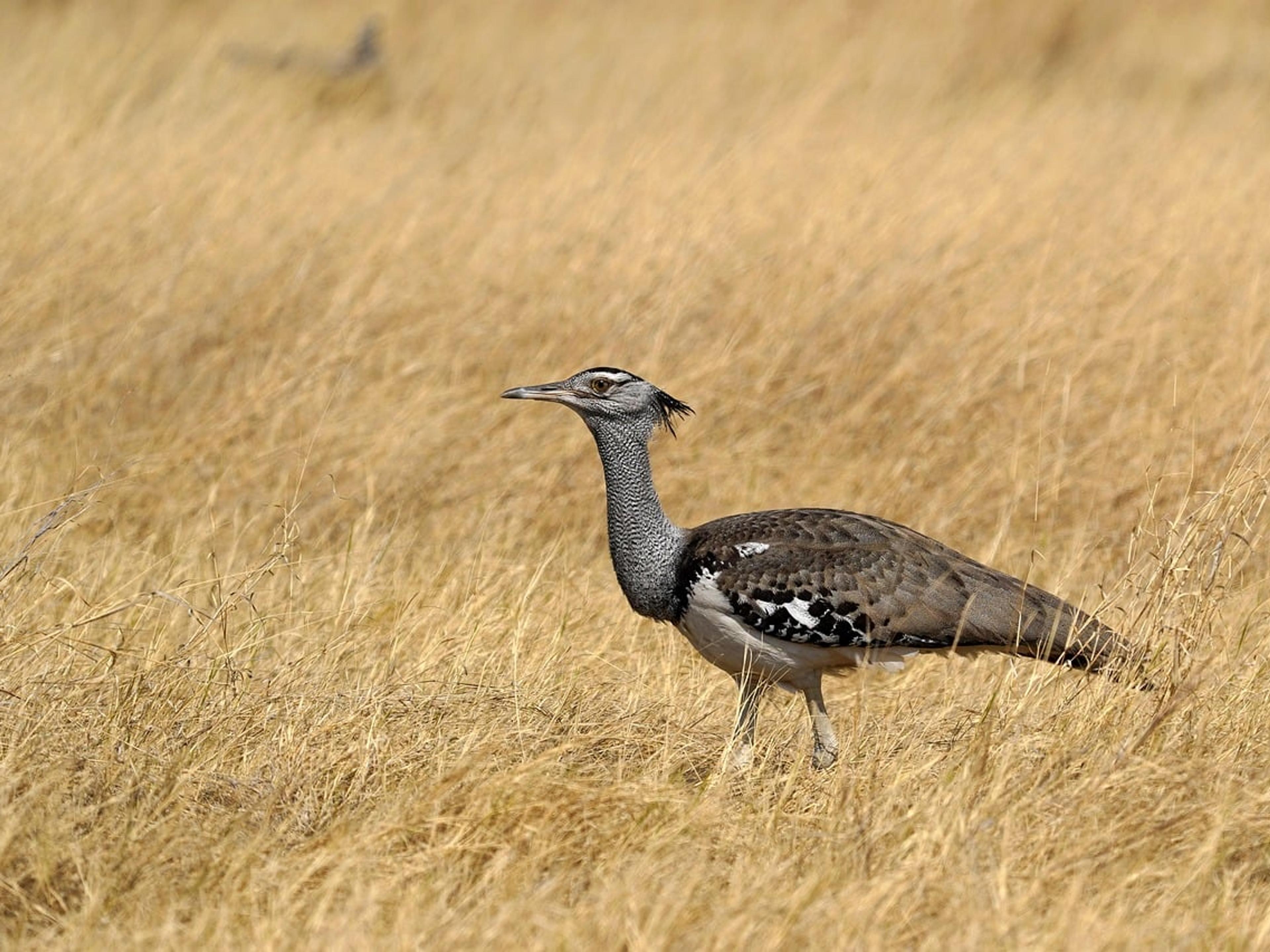
India Begins Releasing Captive-Bred Great Indian Bustards After a Decade of Conservation Breeding
Two captive-bred Great Indian Bustards entered a soft-release enclosure at Rajasthan's Desert National Park this weekend, the first step in returning birds from a 97-strong captive flock to a wild population of roughly 130.
Northern Bald Ibises, Gone From Europe for Centuries, Follow Ultralight Aircraft to Rebuild a Migration Route
Fifteen young northern bald ibises were guided to Spain behind ultralight aircraft flown by their human foster parents, part of a project to re-establish a migratory population of a species extinct in Europe since the 17th century.