Two 14-year-olds recruit Devon children to raise harvest mice at home for release into the wild
Devon teenagers Eva and Emily, both 14, are looking for 20 children aged 8 to 13 to breed 250 harvest mice at home, guided by ecologists, for release into the wild in September 2027.
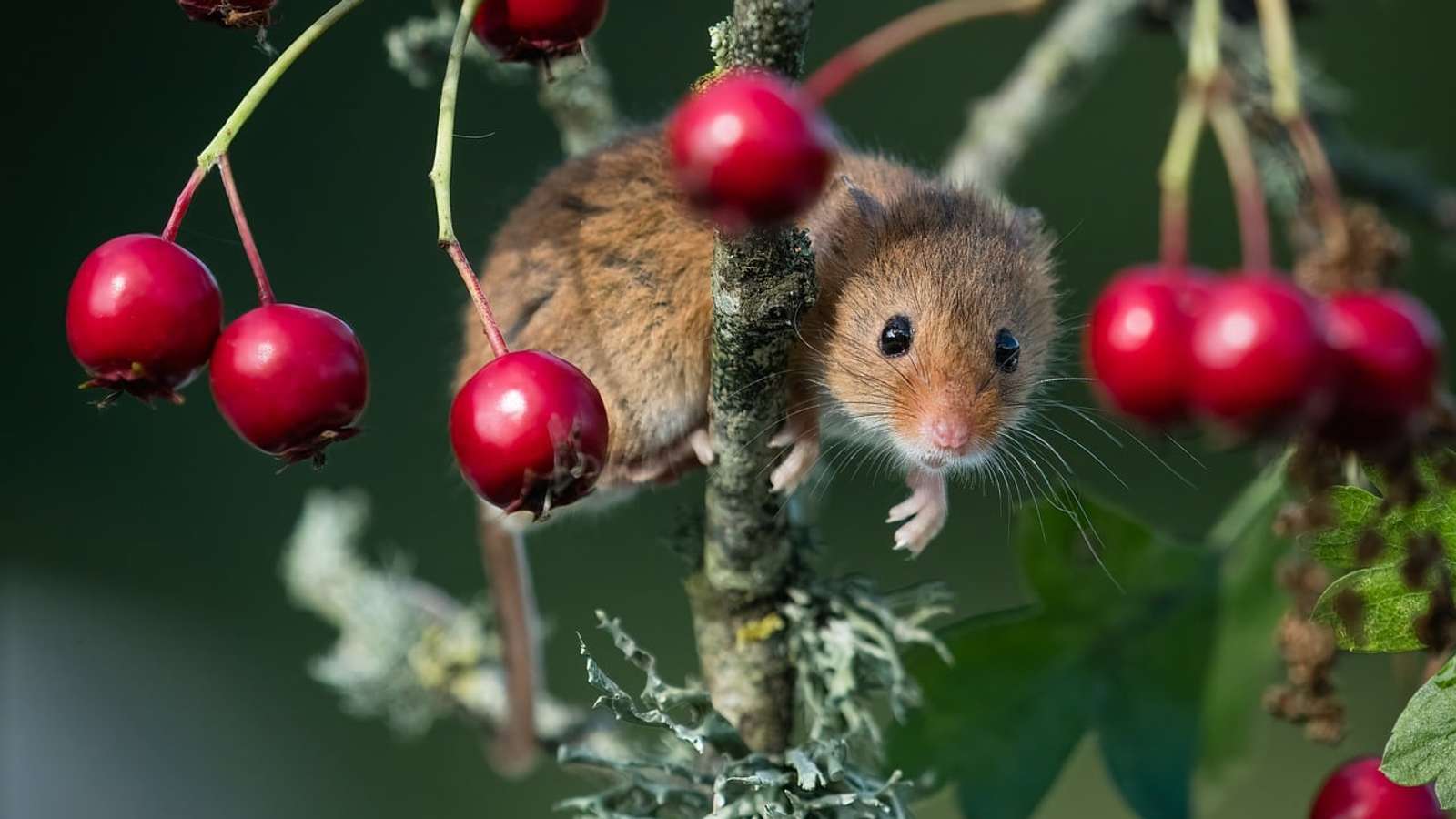
Two 14-year-olds in Devon, England, are recruiting 20 children aged 8 to 13 to breed endangered native wildlife in their own homes, starting with 250 harvest mice to be released into the wild in September 2027, according to their project, Wild Pets. The children will be guided by ecologists from Derek Gow's Species Recovery Centre.
It started in their garages and bedrooms
Eva Wishart and Emily Smith first bred harvest mice themselves, in garages and bedrooms, before releasing them into a nature reserve near Tiverton. Their earlier work was paid for with a £500 grant from the Devon Environment Foundation, according to their crowdfunding page.
Now they want to turn the idea into a network. Wild Pets describes itself as a group of children helping Britain's declining wildlife by raising endangered native species at home. The first intake, for Devon, will be the first "Wild Kids".
Harvest mice are in decline in Britain
The harvest mouse is Britain's smallest rodent, weighing 4 to 6 grams as an adult, and the only British mammal with a prehensile tail, which it uses to grip grass stems, according to the Mammal Society. It is classed as Near Threatened in Great Britain, Vulnerable in Wales and Critical in Scotland.
The society attributes the decline mainly to changes in habitat management and farming, including stubble burning, combine harvesting and pesticides, though it notes that no reliable study has yet measured how far numbers have fallen. It launched a National Harvest Mouse Survey in 2021 to fill that gap. Releasing captive-bred animals is one way conservationists are trying to restore populations of declining native species.
The project is supported by the Devon Environment Foundation, Mid Devon District Council, the Naturesave Trust, Consano Earth and Wild About Devon. Broadcaster and naturalist Chris Packham called it "a truly sensational idea".
Other species could follow
Released mice need the right habitat
Captive breeding only helps if the released animals find somewhere to live. Harvest mice weave their nests from living grass, so they need tall grass, reeds or field margins that are not cut too often. Wild Pets has not yet said where the 2027 release will take place or how the mice will be monitored afterward.
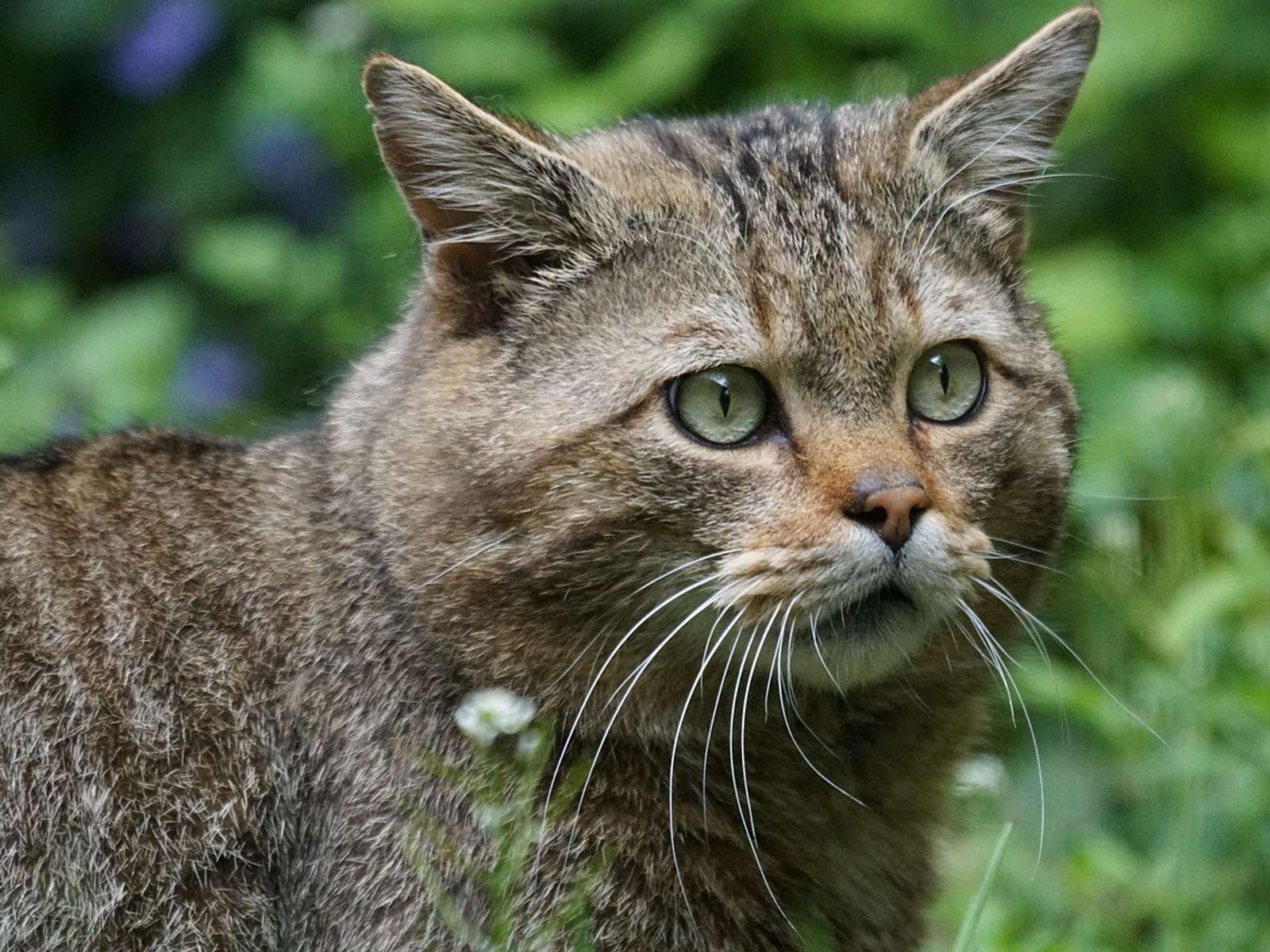
The founders have said they hope to extend the model to other species later. Captive breeding and release are helping other British animals as well, such as the 50 wildcats released in the Cairngorms. For now, the focus is on finding the first 20 Devon children and preparing the mice for their release in 2027.
Sources
- Wild Pets · wild-pets.org
- crowdfunder.co.uk
- mammal.org.uk
How we choose and verify sources: editorial policy.