Scotland Reaches 50 Wildcat Releases, With Kittens Born in the Wild Three Years Running
The Saving Wildcats project has now released 50 critically endangered wildcats into Scotland’s Cairngorms National Park since 2023, and released females have given birth in the wild for three years in a row.
By Diego Callegari, Editor
· United Kingdom · Updated · 2 min read
Source: Royal Zoological Society of Scotland ↗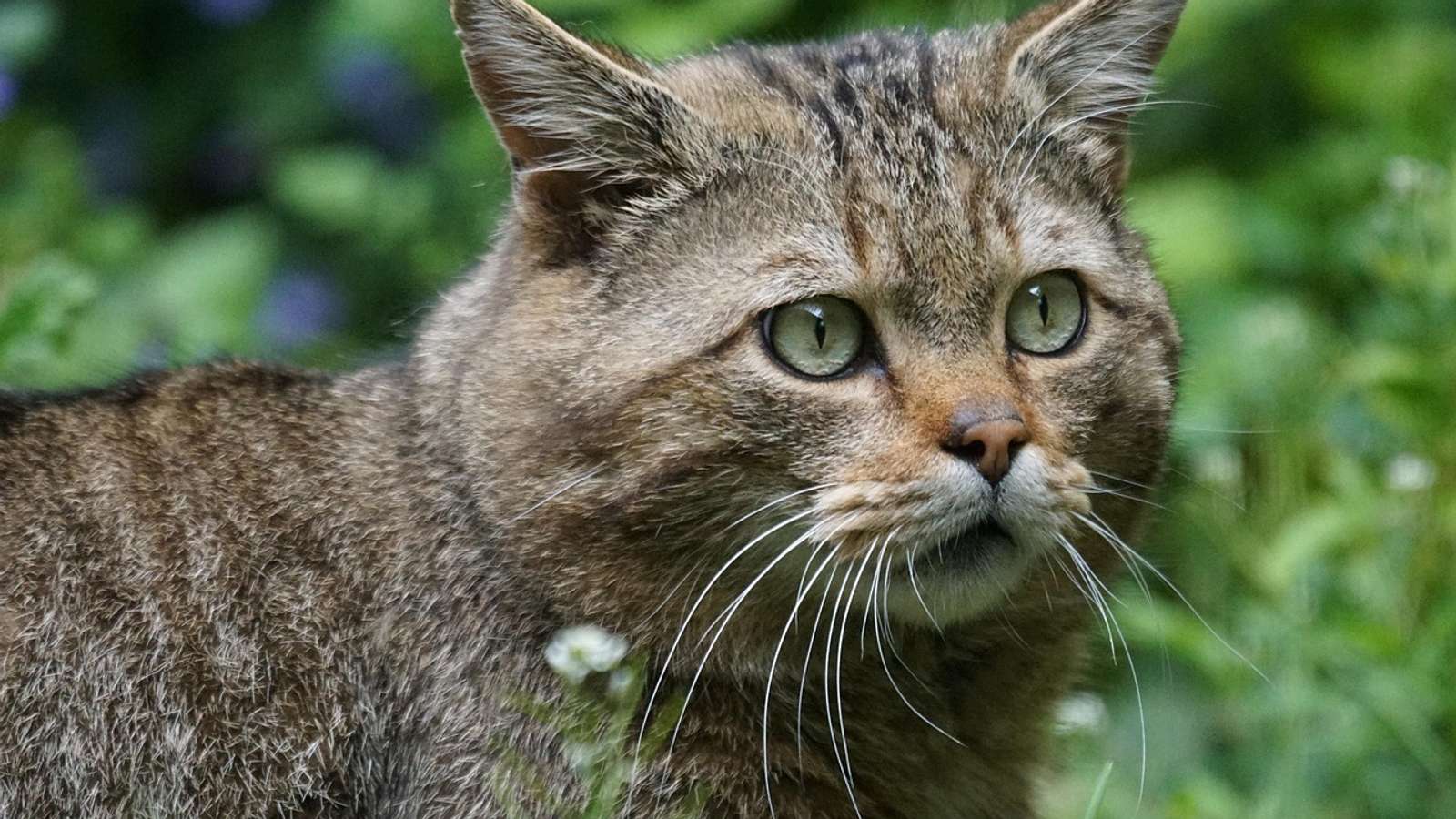
Conservationists have now released 50 wildcats into the Scottish Highlands, the Royal Zoological Society of Scotland (RZSS) announced on 28 September. The milestone came with the release of four wildcats this summer by the Saving Wildcats project, which has been returning the species to the Cairngorms National Park since 2023.
Released females are breeding in the wild
Females have given birth in the wild for three years in a row, which suggests the population is starting to establish itself, the project said. The species still remains critically endangered in Scotland.
“To have released fifty wildcats in four years is a monumental step for the recovery of this iconic Scottish species.” — Dr Sarah Henshall, Head of Conservation, Cairngorms National Park Authority
Eleven deaths, five of them on roads
Eleven of the released cats have died over three years, five of them in road collisions, and many had already survived in the wild for years and raised litters. The project considers that mortality rate highly successful, since rates are often higher in other translocation projects. The team is working with local authorities on possible extra road signs, and with farmers and land managers on living alongside the cats.
Spanish wildcats will widen the gene pool
Further releases will aim to boost numbers and genetic diversity, including wildcats bred with Spanish wildcats, the closest living genetic relatives of Scotland's population. The cats are bred at the project's Conservation Breeding for Release Centre before they go out.
“It is important to continue bolstering the wildcat population through releases,” said Dr Helen Senn, head of conservation and science programs at RZSS. She said a diverse gene pool will help the population adapt over the coming century, noting that wildfires this summer damaged known wildcat habitat in the park.
A national strategy until 2045
The milestone follows NatureScot's publication of Scotland's Wildcat Strategy 2025–2045, which builds on the project's lessons. Saving Wildcats is a partnership led by RZSS with NatureScot, Forestry and Land Scotland, the Cairngorms National Park Authority, Sweden's Nordens Ark, the regional government of Andalucía and others, funded by the EU LIFE program and the Scottish Government's Nature Restoration Fund.
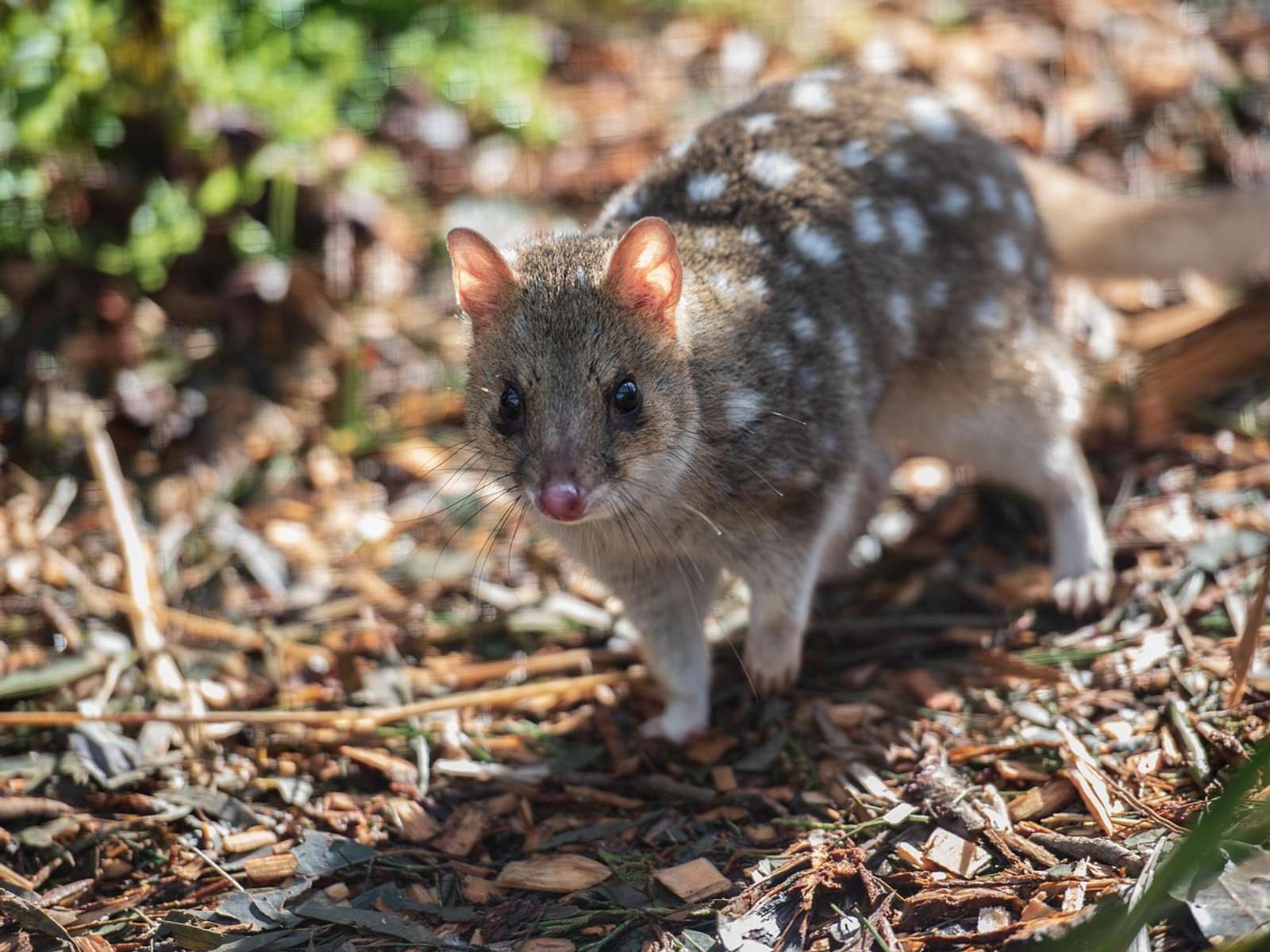
The 50th release was also covered by Deadline News. Similar efforts to rebuild native predator populations are under way elsewhere, such as northern quolls released into a fenced sanctuary in Australia.
Sources
- Royal Zoological Society of Scotland · rzss.org.uk
- deadlinenews.co.uk
How we choose and verify sources: editorial policy.