11,000 Giant Wētāpunga Released at 10 Wild Sites as New Zealand's Heaviest Insect Recovers
A 15-year breeding and release program has moved 11,000 wētāpunga, the world's heaviest orthopteran, to 10 new wild sites, improving the species from Nationally Endangered in 2004 to Nationally Increasing in 2022.
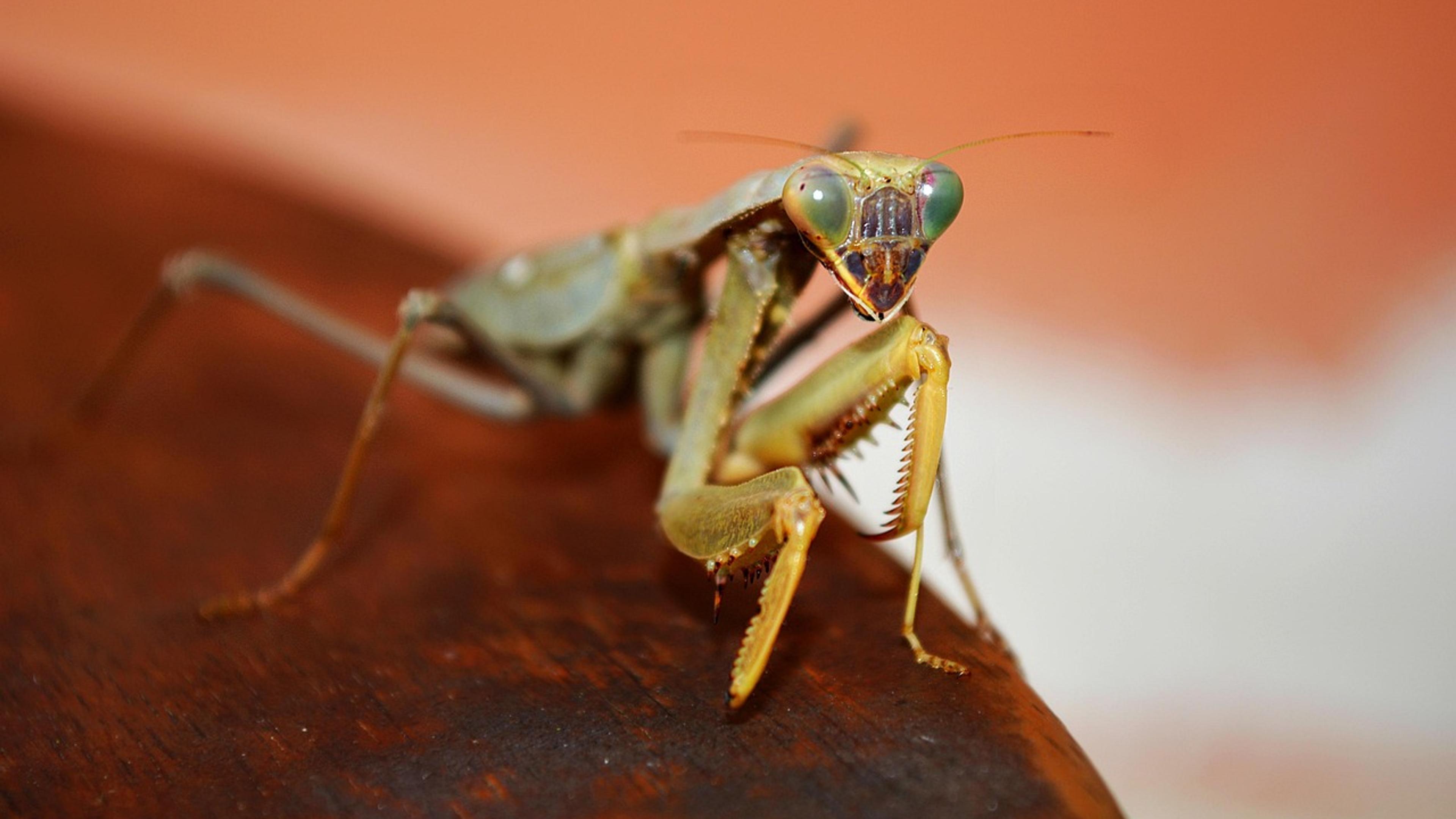
Over 15 years, conservationists in New Zealand have moved 11,000 wētāpunga, the Little Barrier giant wētā, to 10 new wild sites in 45 separate releases, according to a study in the New Zealand Journal of Zoology reported by Phys.org. The species, Deinacrida heteracantha, is the largest of New Zealand's giant wētā and the heaviest orthopteran, the insect group that includes crickets and grasshoppers, in the world.
Rats and stoats had wiped out every natural population
Early European settlers introduced rats, stoats and other pests, which caused the decline and extinction of all wētāpunga populations except the one on Te Hauturu-o-Toi, or Little Barrier Island, in the territory of Ngāti Manuhiri. That island is where the breeding stock came from.
Zoos built the nurseries that made large releases possible
Butterfly Creek first worked out how to rear and release the insects, and Auckland Zoo then refined the methods and scaled them up, raising wētā in communal nurseries. Auckland Zoo alone bred and released 8,874 between 2014 and 2025. The insects went to predator-free islands in the Hauraki Gulf and Bay of Islands, including Motuora and Tiritiri Matangi, and most recently to two fenced mainland sanctuaries north of Auckland.
The conservation status has improved
The species moved from Threatened — Nationally Endangered in 2004, before the program began, to Threatened — Nationally Increasing in 2022. At least four generations have now been established on both Motuora and Tiritiri Matangi, so the released insects are reproducing across generations.
“One of the most comprehensive case studies of invertebrate conservation breeding, translocation and species recovery ever undertaken.” — Dr. Chris Green, honorary research associate, Department of Conservation
Green, the paper's lead author, says many more critically endangered invertebrates could benefit from similar approaches. One candidate is the Māhoenui giant wētā, which is now being bred at Ōtorohanga Kiwi House.
Like what you're reading?