Endangered barasingha deer pass 300 in India's Satpura reserve a decade after their return
Ten years after Madhya Pradesh began moving hard-ground barasingha from Kanha to Satpura Tiger Reserve, where the deer had died out, the population has grown to about 303, with corridors now planned.
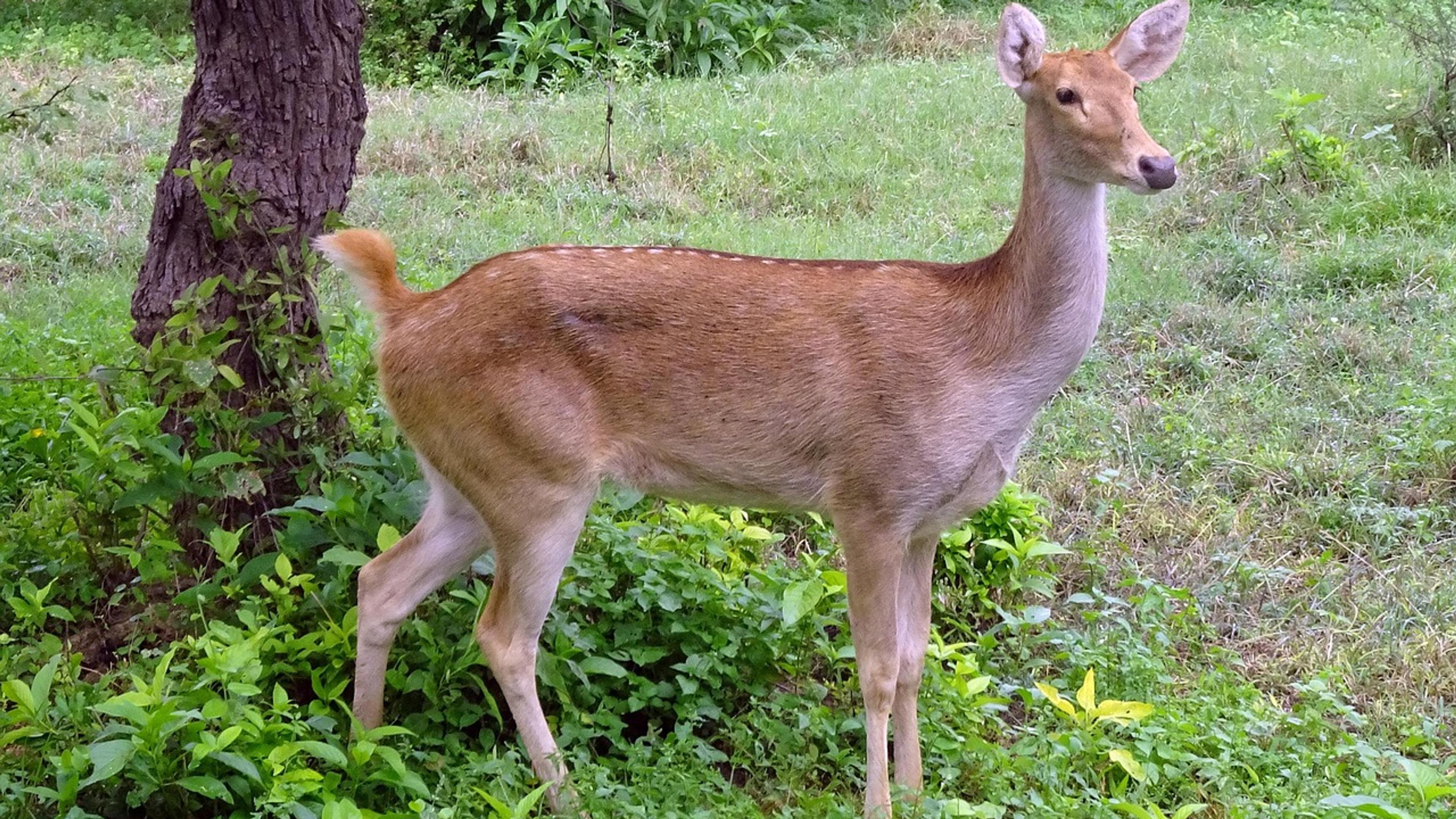
The endangered hard-ground barasingha, a swamp deer that had disappeared from Satpura Tiger Reserve in central India, has grown to a population of about 303 animals a decade after it was brought back, The Times of India reported, citing the Madhya Pradesh forest department.
135 deer moved from Kanha became a breeding population
The hard-ground barasingha (Rucervus duvaucelii branderi) had vanished from the Satpura landscape because of habitat loss and hunting, leaving Kanha Tiger Reserve as its main stronghold. In 2015 the forest department began moving animals from Kanha to Satpura, and about 135 were translocated between 2015 and 2026.
The deer were first kept in a predator-proof enclosure in the Bori area so they could settle and breed before release. Officials say successive generations have since been born in Satpura, and the animals now form three population units: in the Bori enclosure, the Bori grasslands and the Malini grasslands in the Churna range.
“The establishment of a breeding population of more than 300 barasingha and three meta populations is one of the most encouraging examples of successful wildlife reintroduction in the country.” — Rakhi Nanda, Field Director, Satpura Tiger Reserve
Nanda credited frontline staff, scientists and communities that voluntarily moved out of their ancestral villages to make space for wildlife.
Corridors will link at least six grasslands
With the herd past 300, managers now plan corridors linking at least six grasslands, so the deer can move between feeding and breeding areas and populations can mix genetically. That will require mapping safe routes, managing the land between grasslands and monitoring how the animals move.
A second population reduces the risk of relying on Kanha alone. Reintroductions are bringing other species back to Indian reserves too, such as the first tigress released into Buxa Tiger Reserve.
Like what you're reading?
Related stories
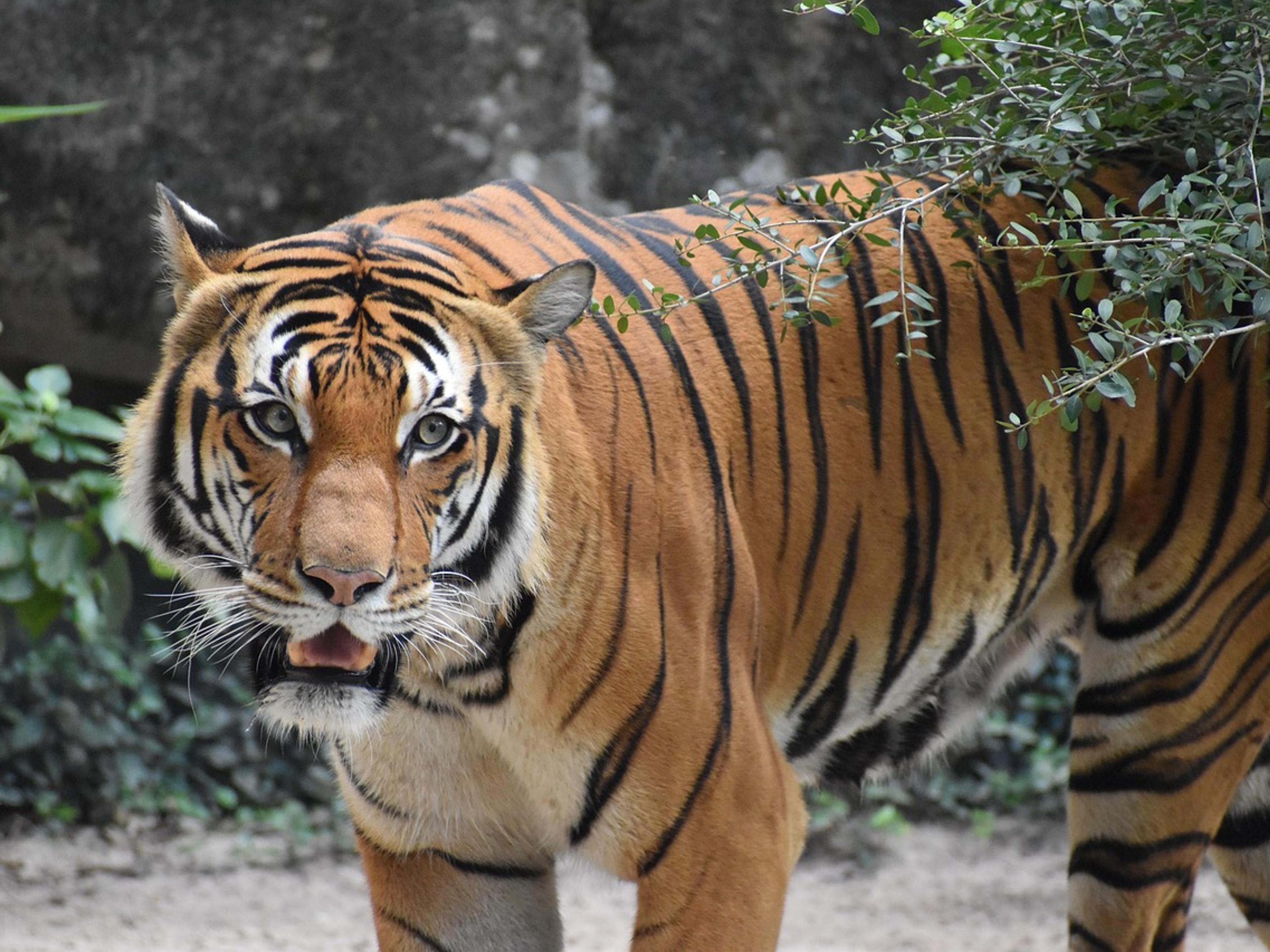
Thai tigress Mae Kaew has raised nine cubs, and now her daughter is a mother too
Camera traps in Thailand's Western Forest Complex show a wild tigress named Mae Kaew has raised three litters, nine cubs in all, and one of her daughters has now had two cubs of her own.
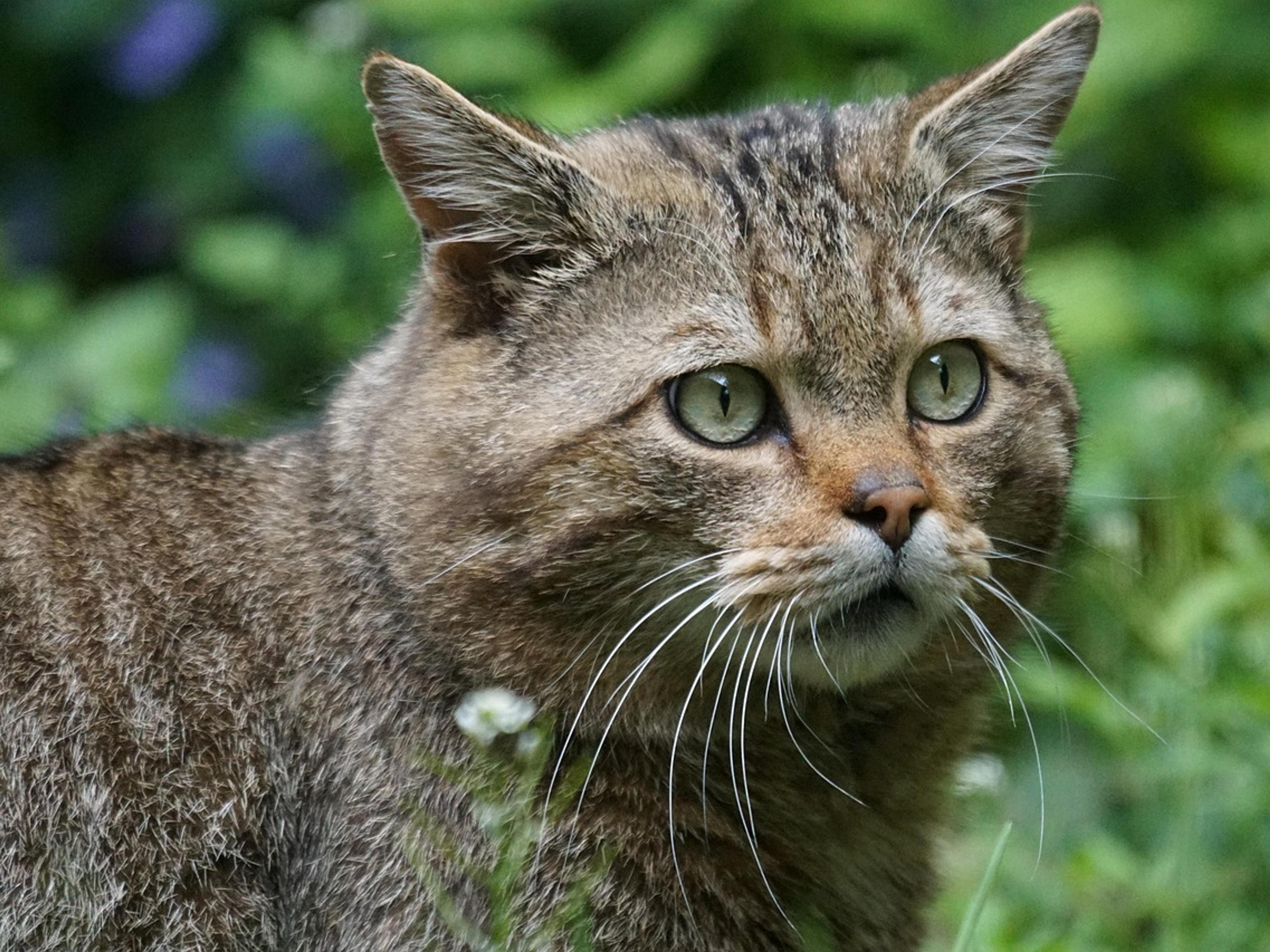
Scotland Reaches 50 Wildcat Releases, With Kittens Born in the Wild Three Years Running
The Saving Wildcats project has now released 50 critically endangered wildcats into Scotland’s Cairngorms National Park since 2023, and released females have given birth in the wild for three years in a row.
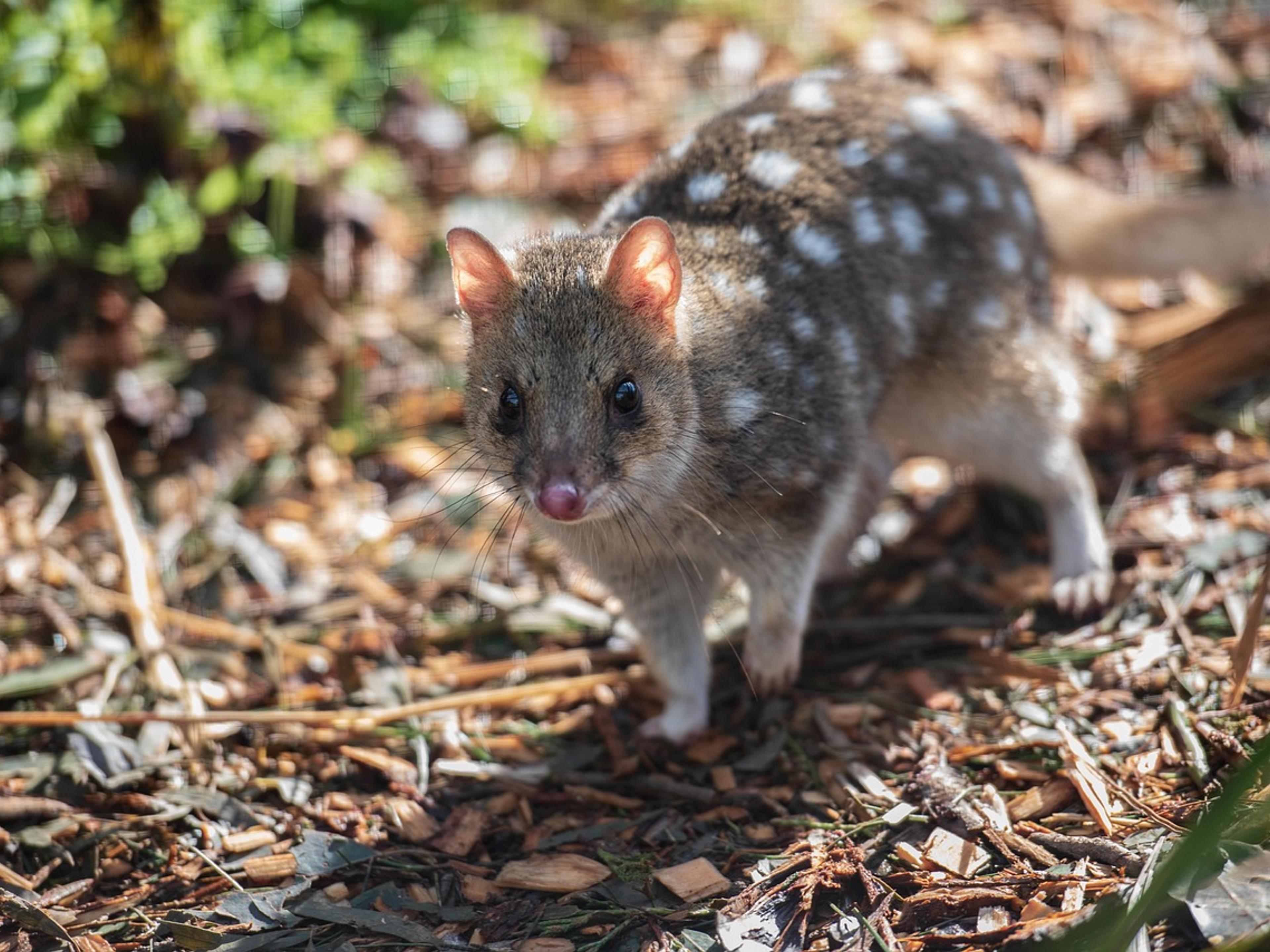
Endangered Northern Quolls Released Into a Predator-Free Sanctuary in Queensland
Australian Wildlife Conservancy has released the first 18 endangered northern quolls into a feral predator-free fenced area in north Queensland, the start of a plan to build a secure population of up to 300.