DNA from droppings shows endangered greater gliders eat a wider menu than thought
University of the Sunshine Coast researchers used DNA from greater glider droppings to identify 17 plant species in their diet, including non-eucalypts such as acacia and casuarina.
DNA extracted from the droppings of endangered greater gliders has revealed that the animals eat at least 17 different plant species, including several that were not known to be part of their diet, the University of the Sunshine Coast reported.
Not just eucalyptus
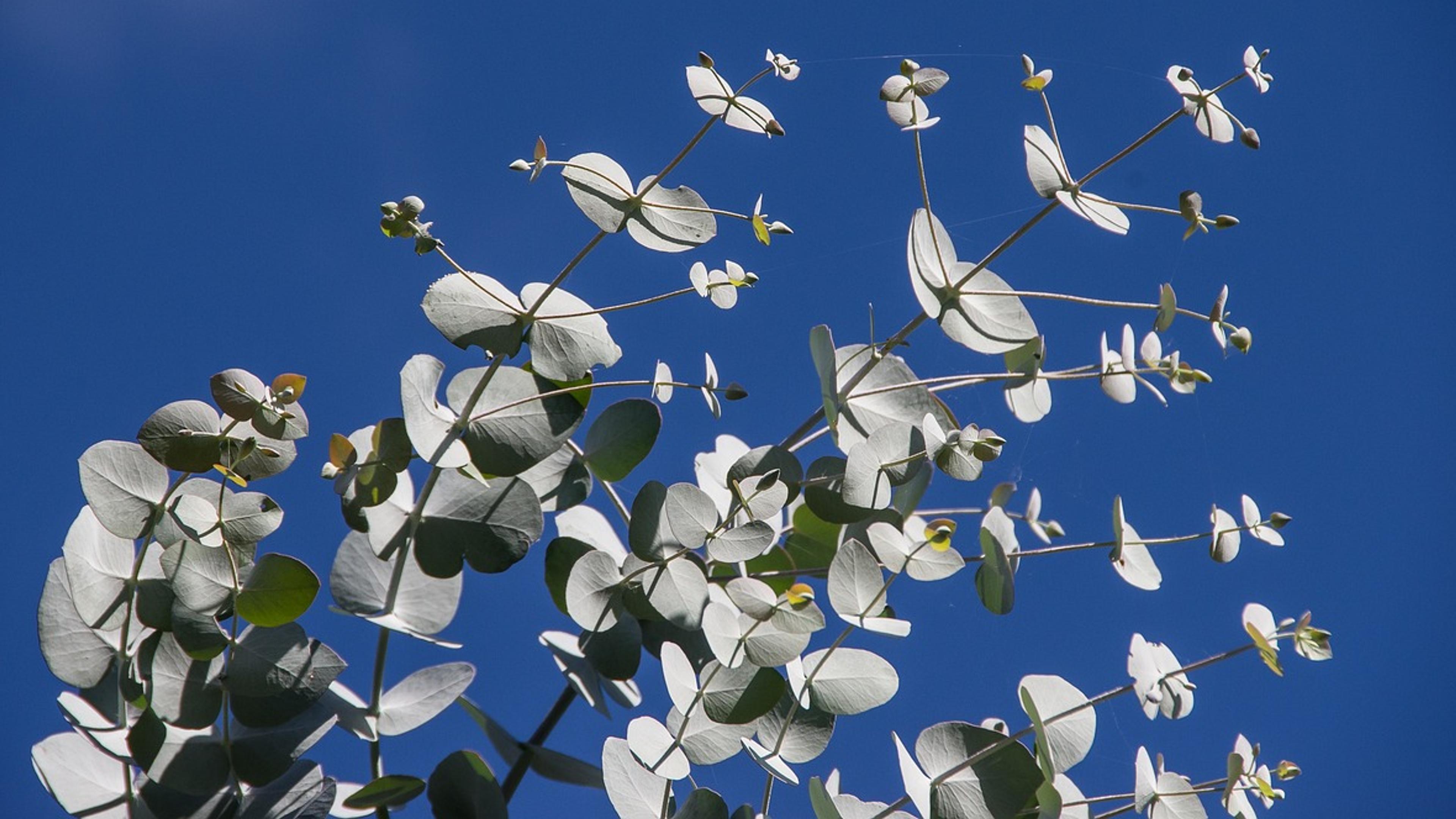
Greater gliders are fluffy-eared, nocturnal marsupials that glide from tree to tree. They have long been thought to feed only on eucalyptus leaves. The new analysis also found acacia, casuarina, angophora and corymbia species.
“Foremost, greater gliders are not quite the fussy eaters we thought and are open to a wider variety of nutritional sources.” — Associate Professor Dominique Potvin, University of the Sunshine Coast
A genetic tool first built for koalas
Until now, scientists worked out the gliders' diet by sifting through stomach contents or droppings and identifying plant pieces by eye, or by watching which trees they fed in. Potvin's team instead used a recently developed genetic tool originally designed for koalas, analysing 24 droppings from across south-east Queensland.
The results also hinted that gliders in different areas may eat different plants, which the researchers say needs more study. The work involved scientists from the University of the Sunshine Coast and the University of Queensland.
Better tree choices for a species in decline
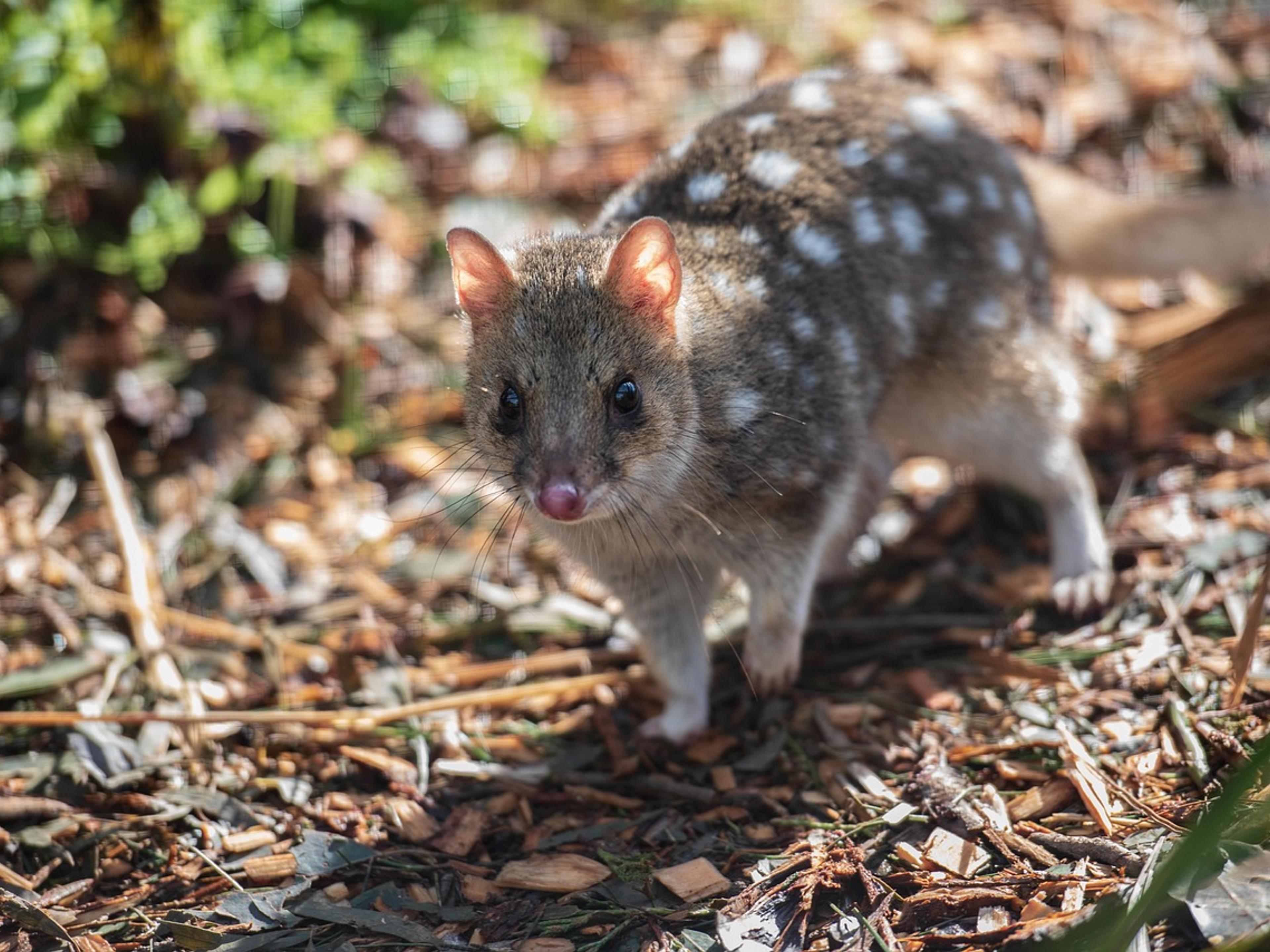
The sample is small, but Potvin said the findings will help recommend which trees should be prioritised in glider habitat, a key part of protecting a species in decline. Other Australian marsupials are getting help too, such as northern quolls released into a protected sanctuary.
Like what you're reading?
Related stories
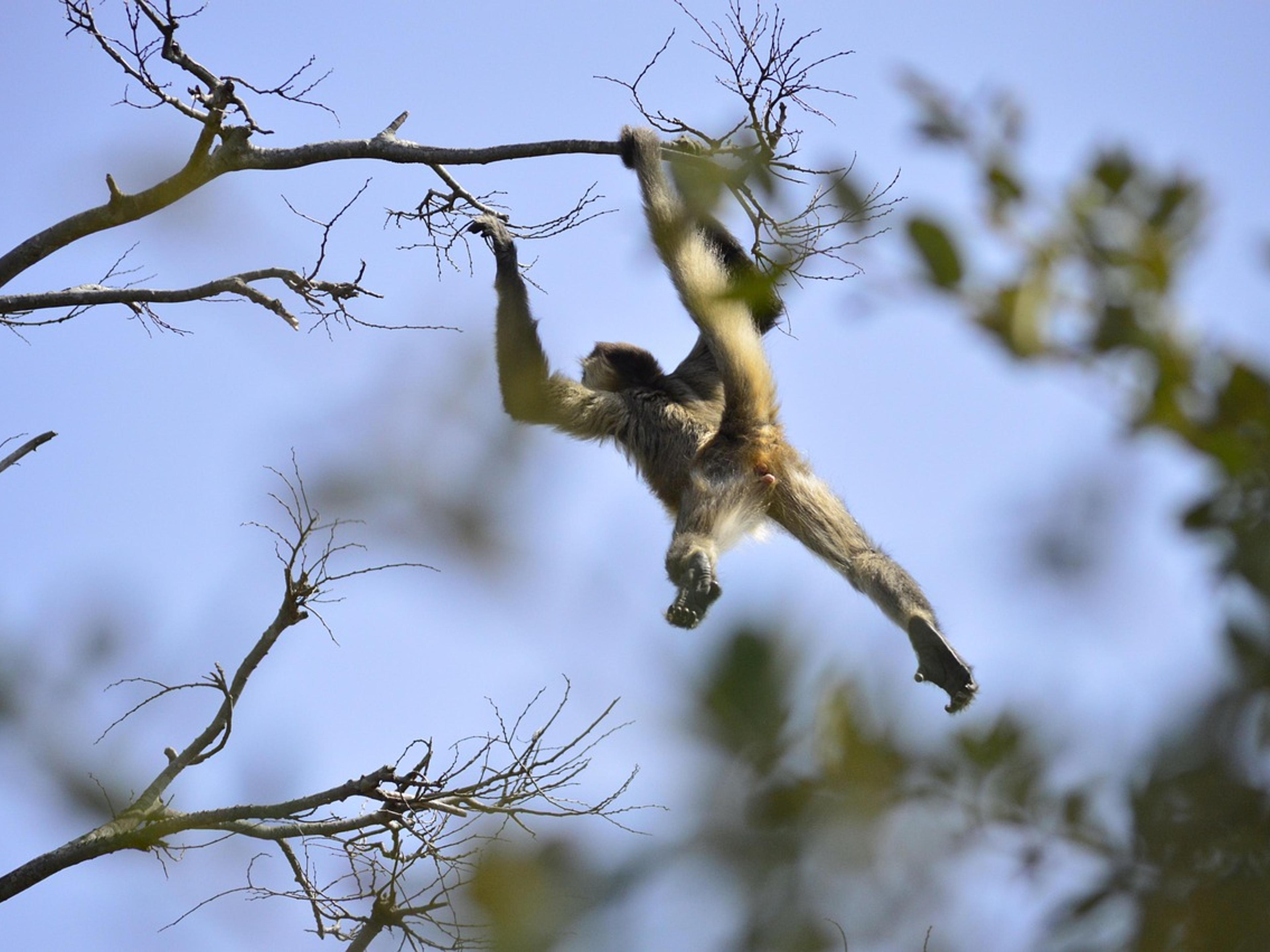
Canopy bridges in a Brazilian Amazon town recorded nearly 15,000 wildlife crossings
In Alta Floresta, Brazil, rope canopy bridges over city roads recorded nearly 15,000 animal crossings in 15 months, and eight more bridges have been added, bringing the total to 15.
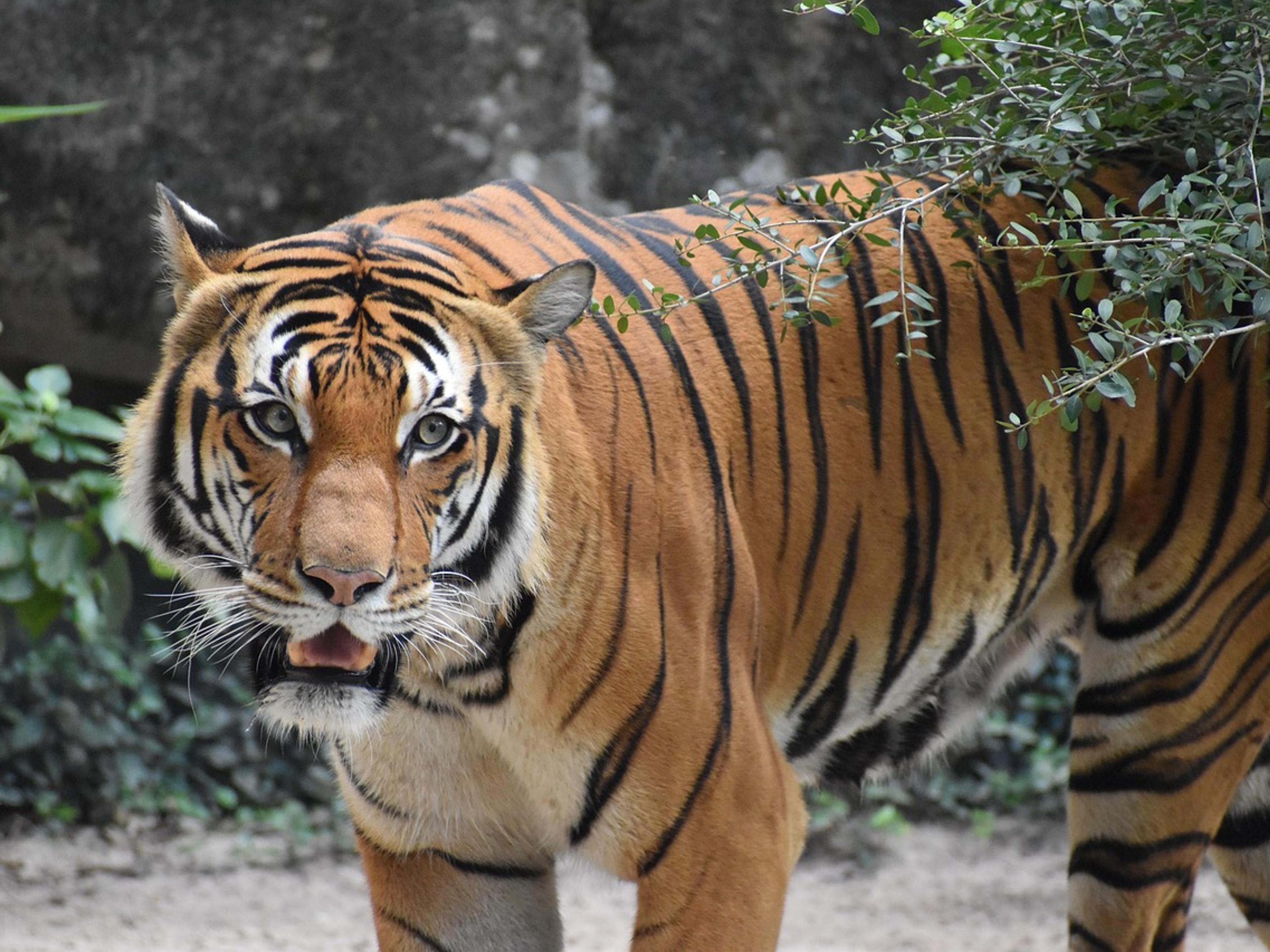
Thai tigress Mae Kaew has raised nine cubs, and now her daughter is a mother too
Camera traps in Thailand's Western Forest Complex show a wild tigress named Mae Kaew has raised three litters, nine cubs in all, and one of her daughters has now had two cubs of her own.
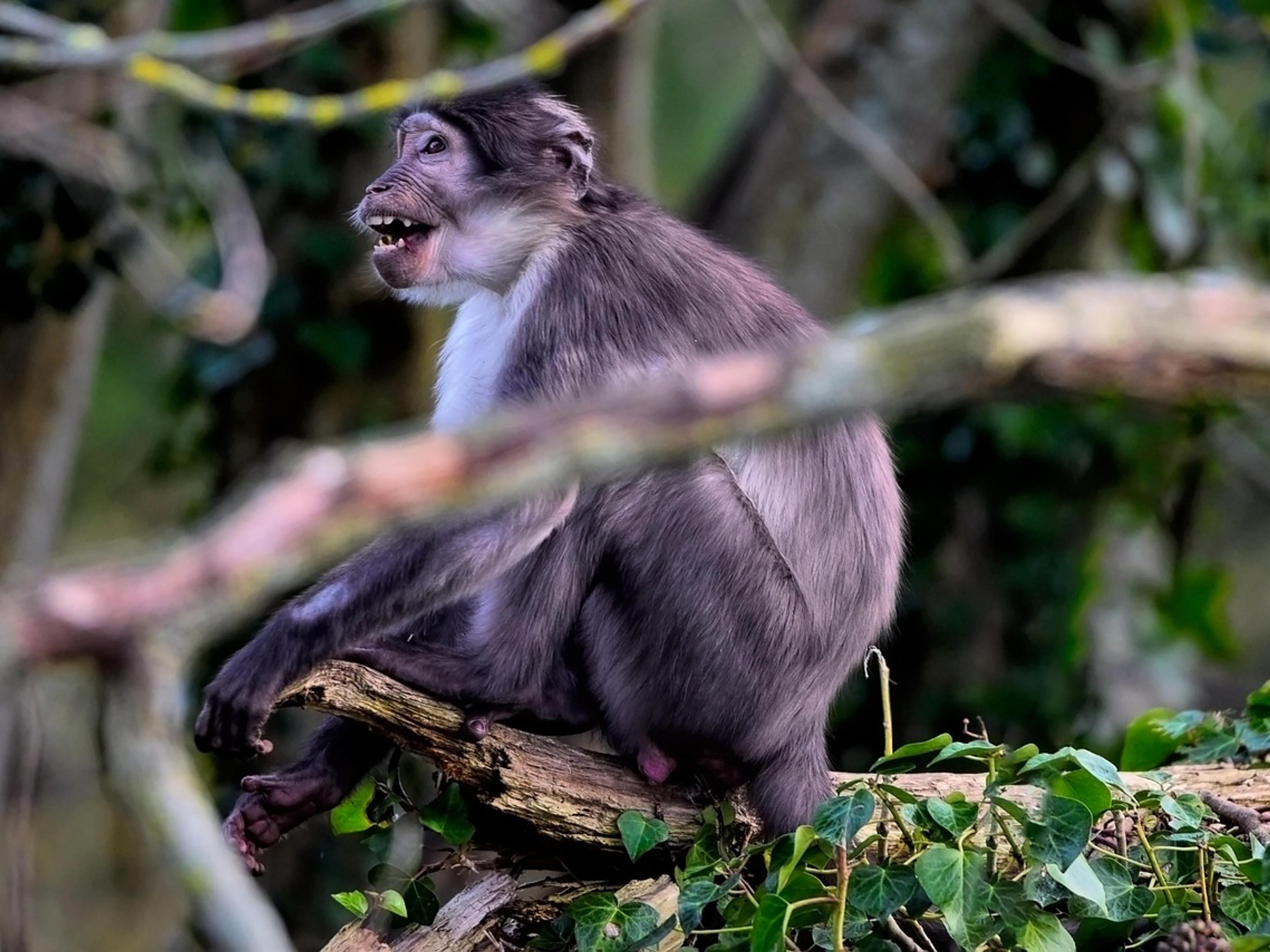
Critically endangered mangabey born at BIOPARC Valencia, the park's 10th for the species
A white-crowned mangabey, a West African monkey that signals with its white eyelids, has been born at BIOPARC Valencia, the 10th birth there for the European breeding program.