A golden deep-sea coral off Costa Rica is so unusual it needed a new family
Scientists have described Laurinque elenya, a bright yellow deep-sea coral from seamounts off Costa Rica, and placed it in a new family, Laurinqueidae, named with an Elvish word from The Lord of the Rings.
Scientists have described a bright yellow deep-sea coral from seamounts off Costa Rica that is so different from known corals it has been placed in an entirely new family, according to a study in the journal ZooKeys. The coral is named Laurinque elenya, in the new family Laurinqueidae.
Golden coral gardens on fields of brittle stars
The corals were collected at depths of 360 to 529 metres by the remotely operated vehicle SuBastian, during two expeditions on Schmidt Ocean Institute research ships. They came from seamounts near Isla del Coco and three sites along Costa Rica's Pacific margin.
The colonies grow as large, fan-like trees that are bright yellow when alive. The name comes from Quenya, an Elvish language in Tolkien's The Lord of the Rings, in which laurinquë means "golden tree"; the authors wrote that the golden coral gardens on fields of brittle stars evoke the world of the elves.
Single genes gave three different answers
Placing the coral on the tree of life was hard. Three separate genetic markers each put it in a different family. Only an analysis of hundreds of genes settled the question, showing it forms its own lineage, most closely related to the family Eunicellidae but clearly distinct from it.
The team, led by Odalisca Breedy of the University of Costa Rica with researchers from the US, Canada and the Smithsonian, says the case shows why studies of deep, ancient coral lineages need large genetic datasets. The specimens are held at the University of Costa Rica's Museum of Zoology.
The deep sea is still largely unknown
The deep ocean below 200 metres covers about two-thirds of the planet's surface but remains poorly explored. Deep-sea coral gardens provide habitat for many other animals and are recognised as vulnerable ecosystems. Closer to the surface, countries are stepping up reef protection, such as Fiji's new national plan for its coral reefs.
Like what you're reading?
Related stories
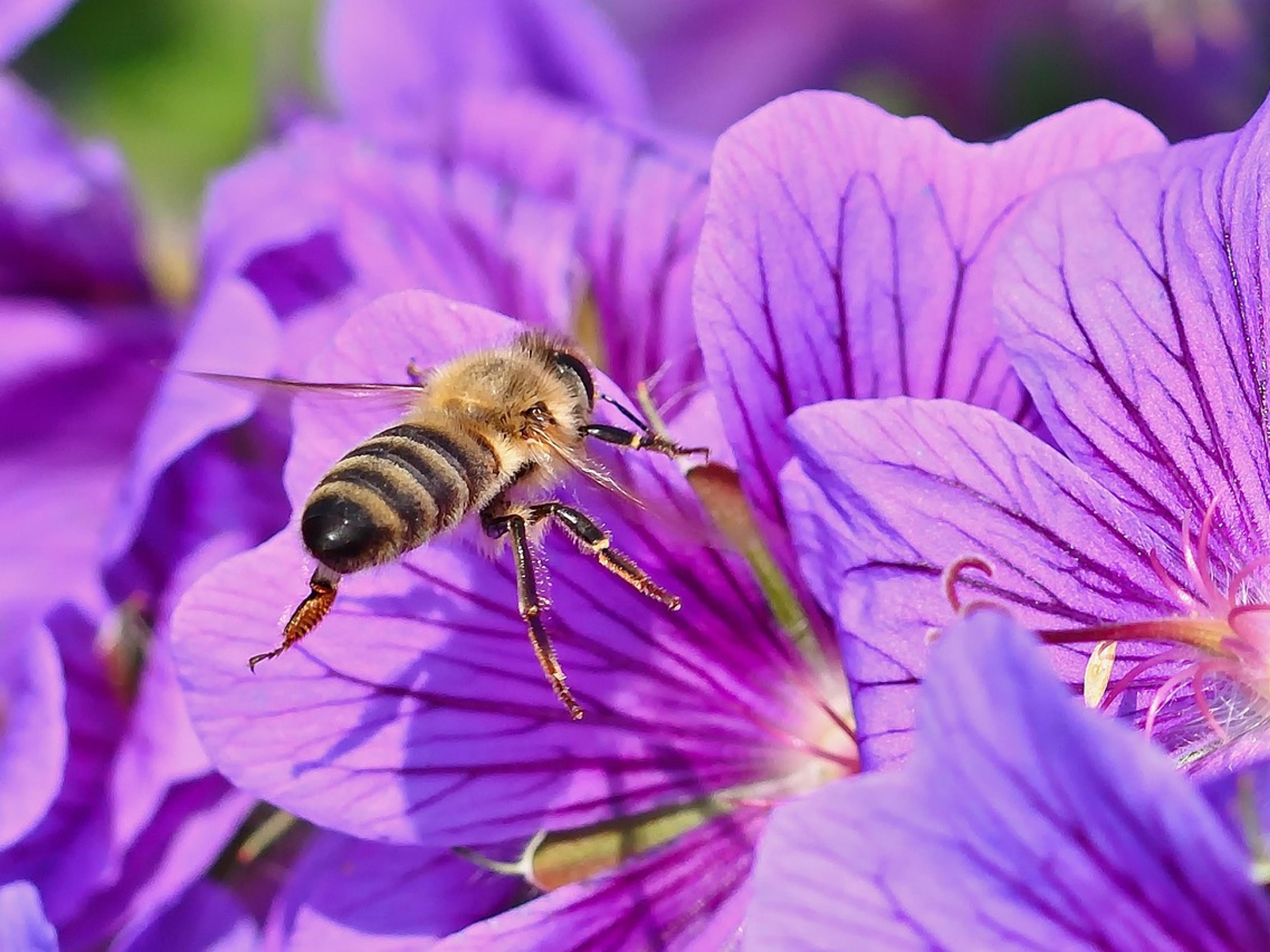
Colombia's first full bee checklist records 738 species, 246 of them new to the country
A team led by Penn State researchers documented 738 bee species in Colombia, including 246 never recorded there before, in the first annotated checklist of its kind for any country in the Western Hemisphere.
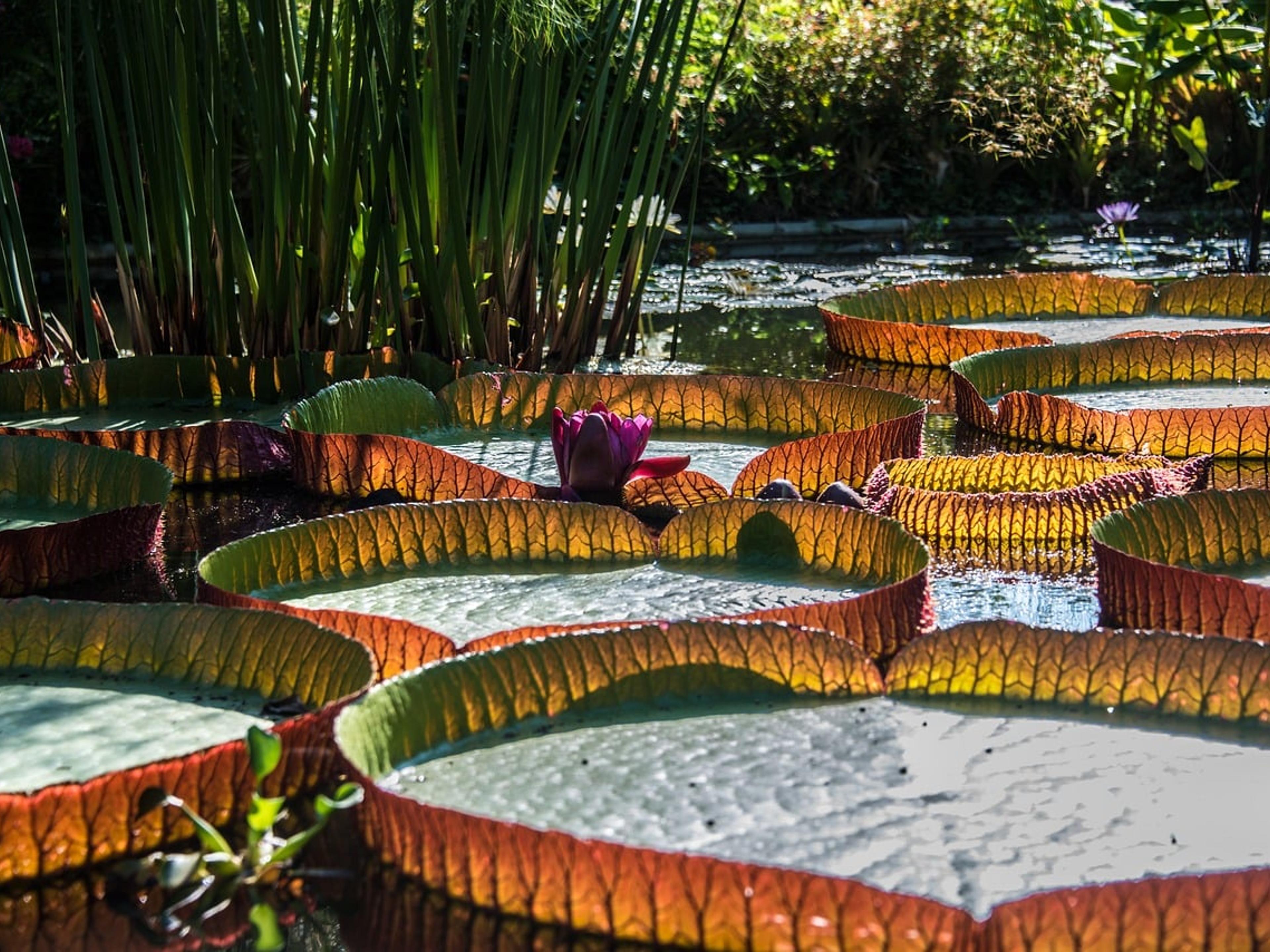
An Instagram photo led scientists to a new giant waterlily with pads up to 2 metres wide
Kew horticulturist Carlos Magdalena spotted an unfamiliar giant waterlily in an Instagram photo from Colombia. Five years later it has been named Victoria colombiana, and only 30 to 50 plants are thought to survive.
Ten Western Indian Ocean countries adopt 15 decisions to protect reefs, mangroves and seas
Meeting in Dar es Salaam for the Nairobi Convention's 40th anniversary, ten countries adopted 15 decisions on plastic pollution, mangroves, seagrass, coral reefs and the blue economy.