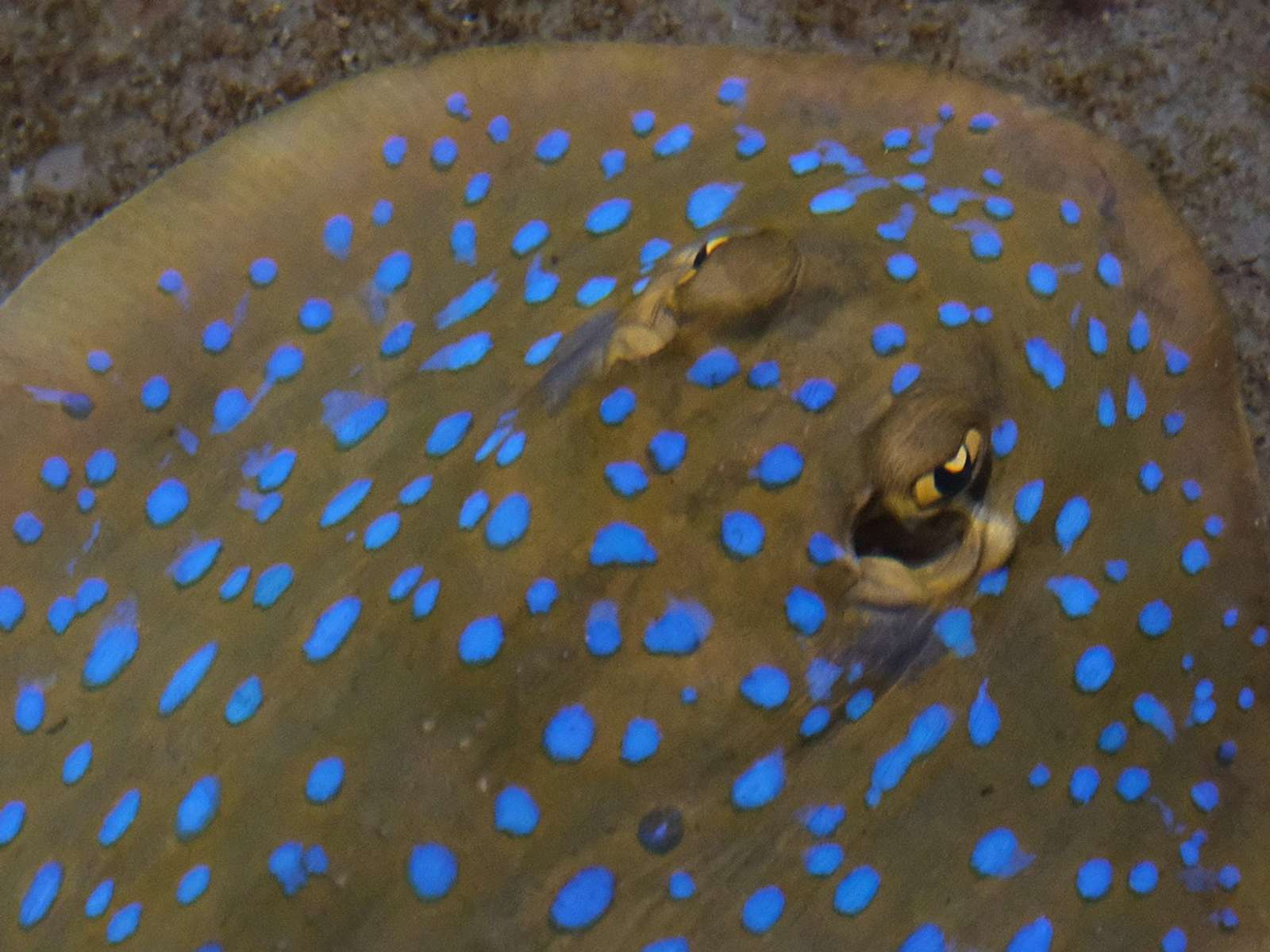
Scientists from the Zoological Survey of India described Tetronarce ramanamurthyi, the Arabian black electric ray, from nine deep-sea specimens off India's southwest coast, the first confirmed record of the genus in the northern Indian Ocean.
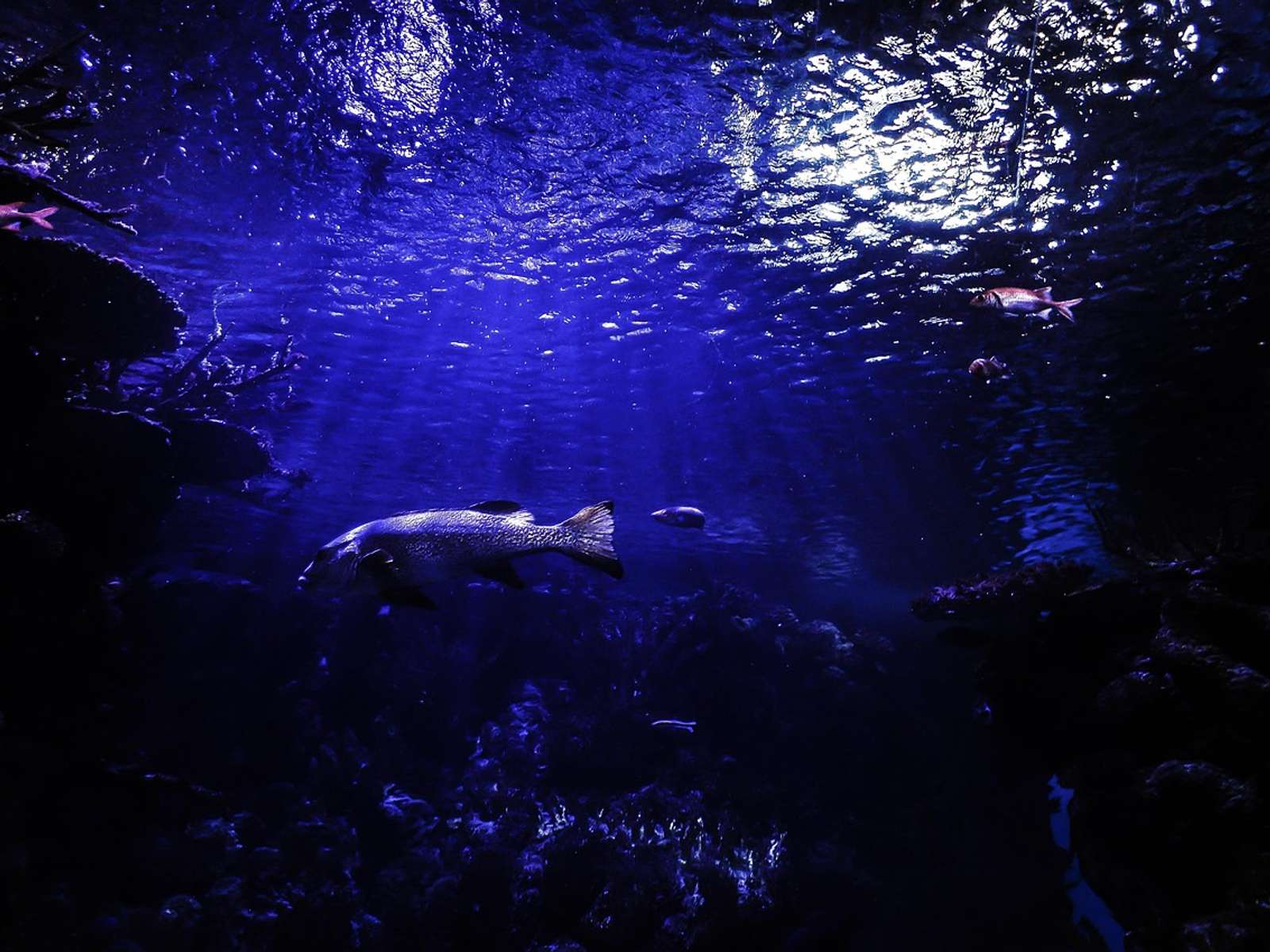
MBARI researchers filmed a barreleye fish, Macropinna microstoma, about 600 meters down off California, the institute's 11th sighting of the species and the first in 4K. Its green tubular eyes rotate inside a transparent head shield.
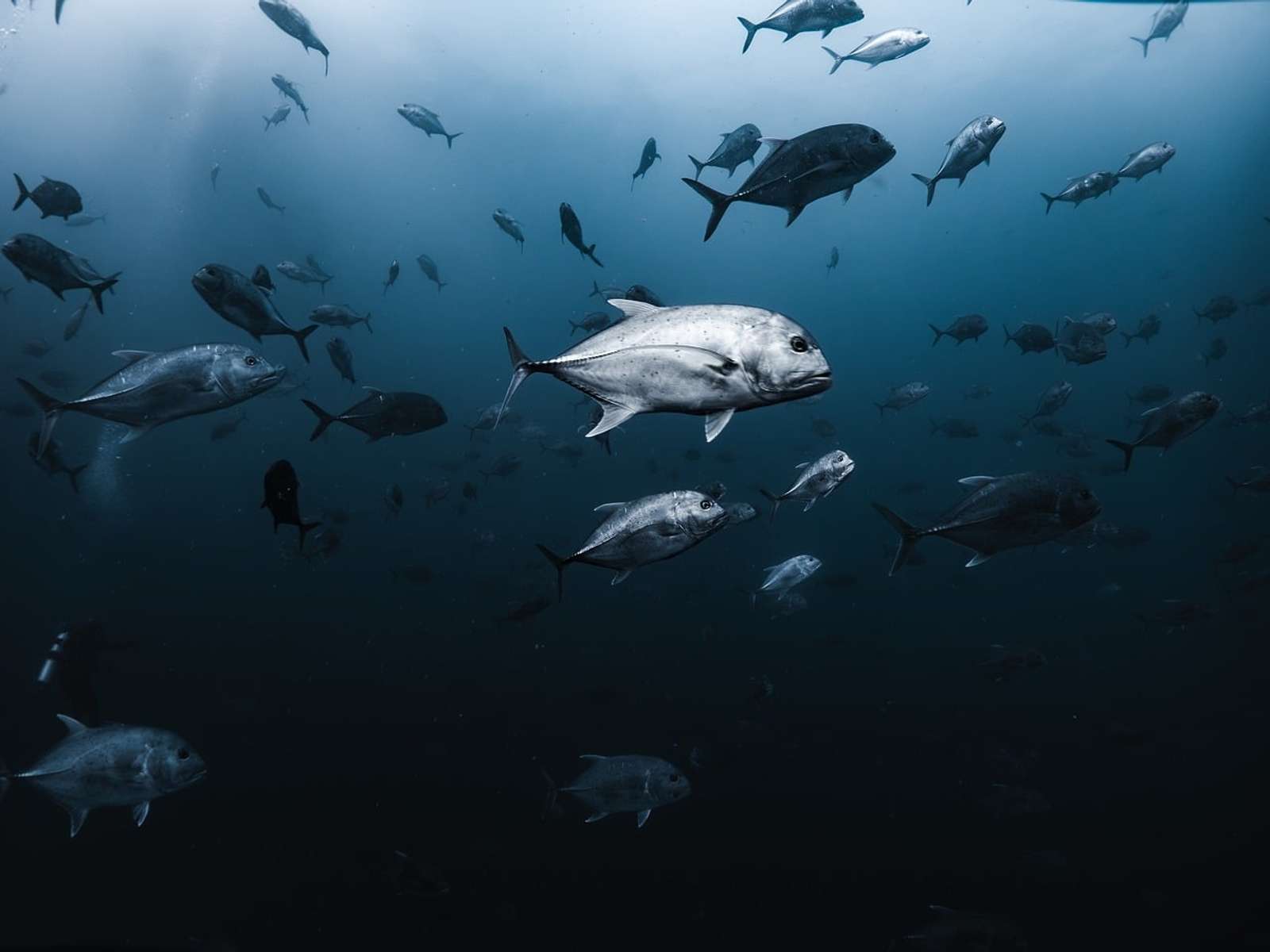
Researchers at OIST analyzed 2,672 seawater samples from 316 sites around Japan for fish DNA and found 126 species farther north than previously recorded, including Japanese scad and blacktip grouper.
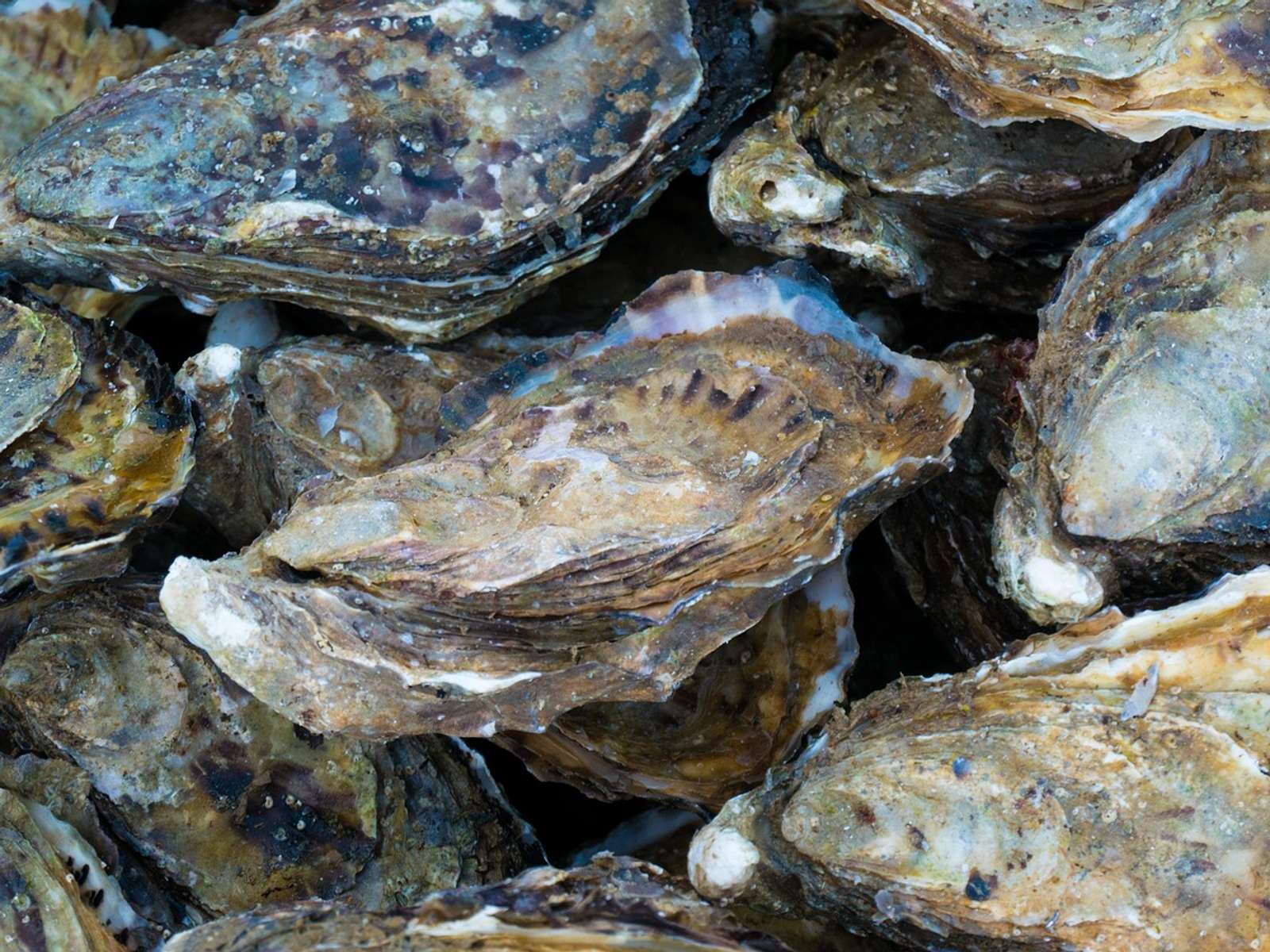
A study led from the University of São Paulo found that bivalves without eyes, such as the Pacific oyster, express up to nine light-sensing opsins in their tissues. The human retina uses five to form images.
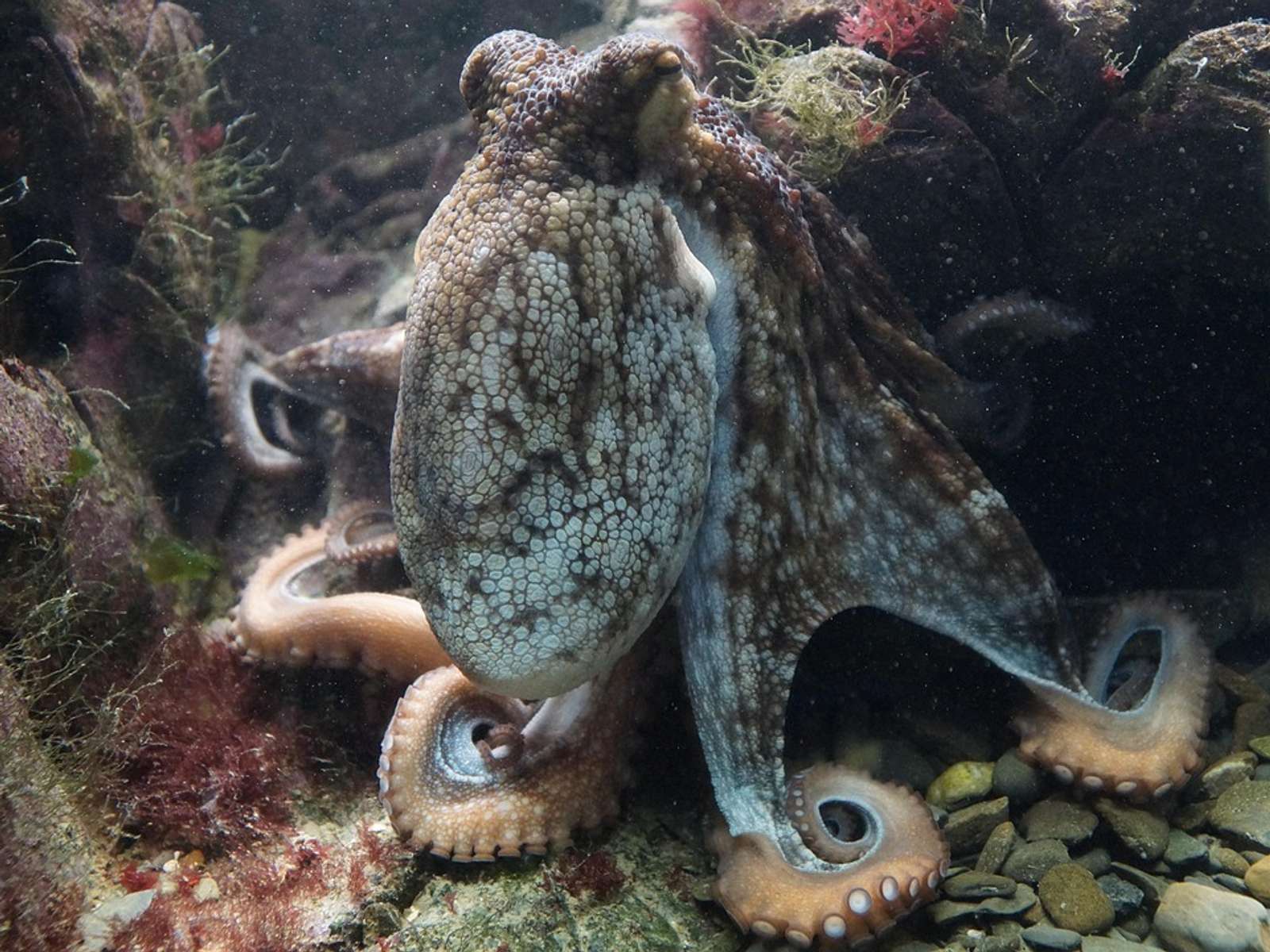
A University of Vienna team mapped how DNA is folded in octopus, squid and cuttlefish. An ancient genome reshuffle created new contacts between genes that may have helped their nervous systems evolve.
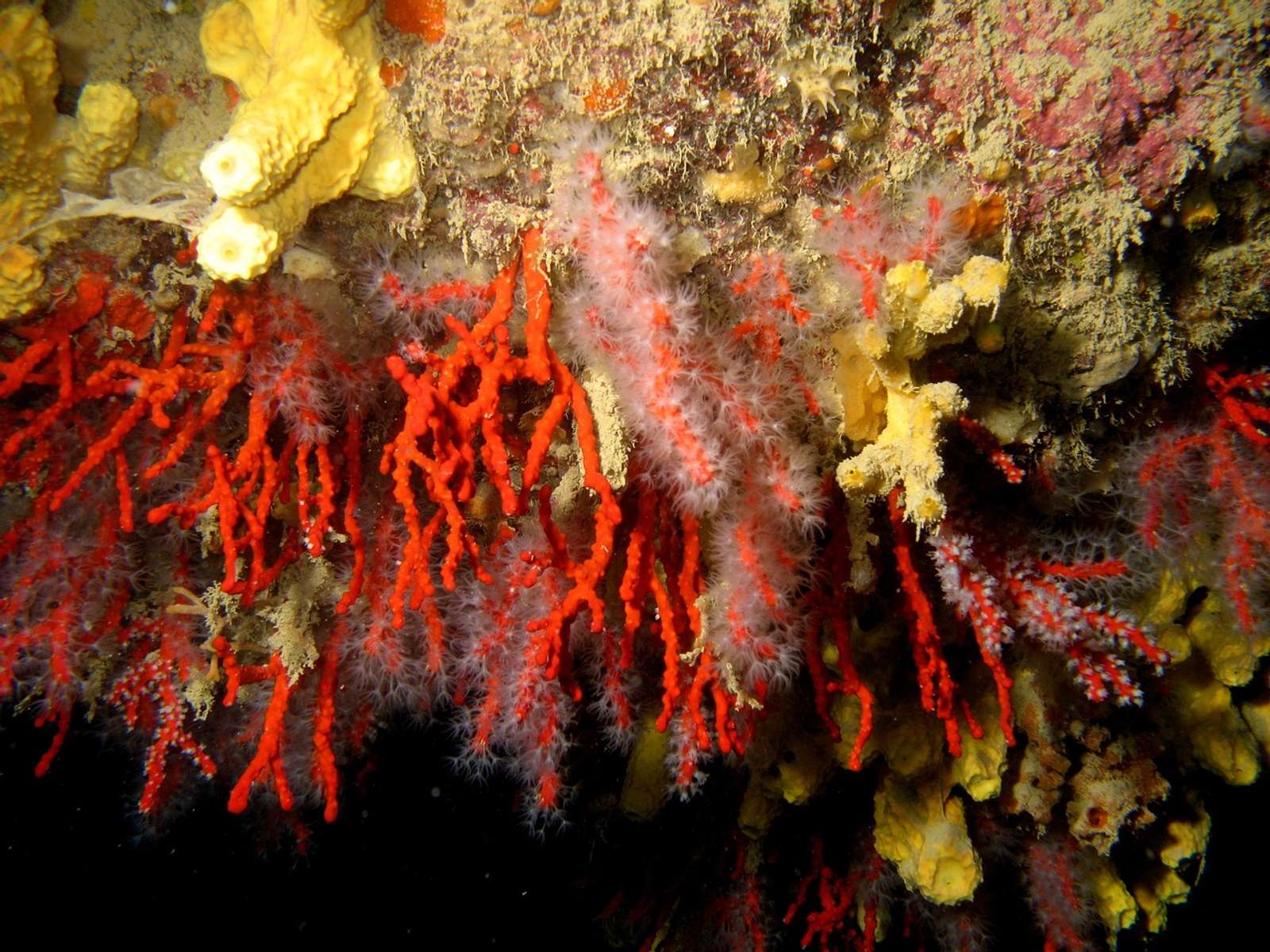
Scientists have described Laurinque elenya, a bright yellow deep-sea coral from seamounts off Costa Rica, and placed it in a new family, Laurinqueidae, named with an Elvish word from The Lord of the Rings.
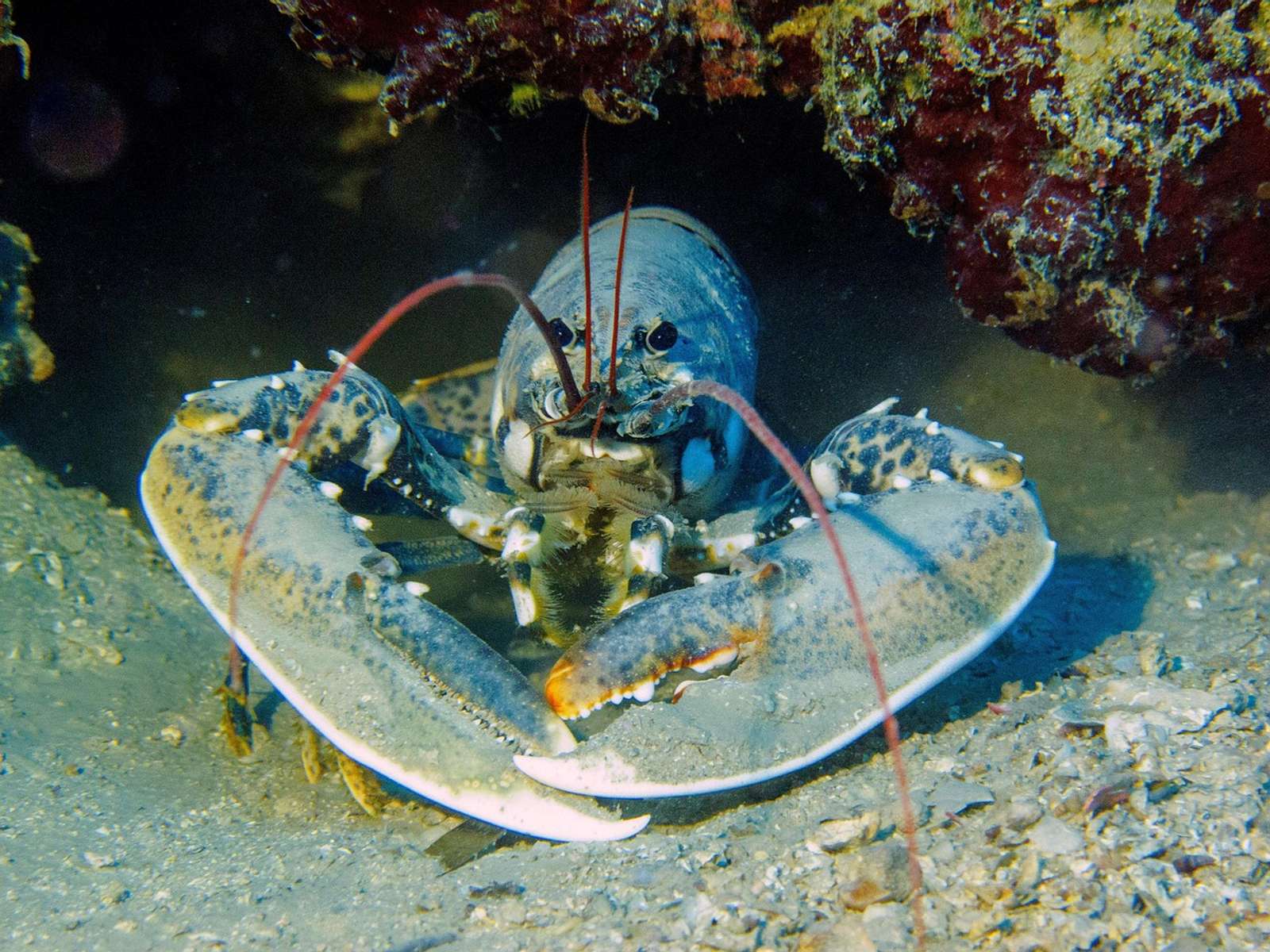
A rare white “ghost” lobster named Casper has moved from the Maine State Aquarium to the University of New England, where scientists are working out which genes give some lobsters unusual shell colors.