Japan's largest seawater DNA study finds 126 fish species farther north than ever recorded
Researchers at OIST analyzed 2,672 seawater samples from 316 sites around Japan for fish DNA and found 126 species farther north than previously recorded, including Japanese scad and blacktip grouper.
By Diego Callegari, Editor
· Japan · 1 min read
Source: Okinawa Institute of Science and Technology (OIST) ↗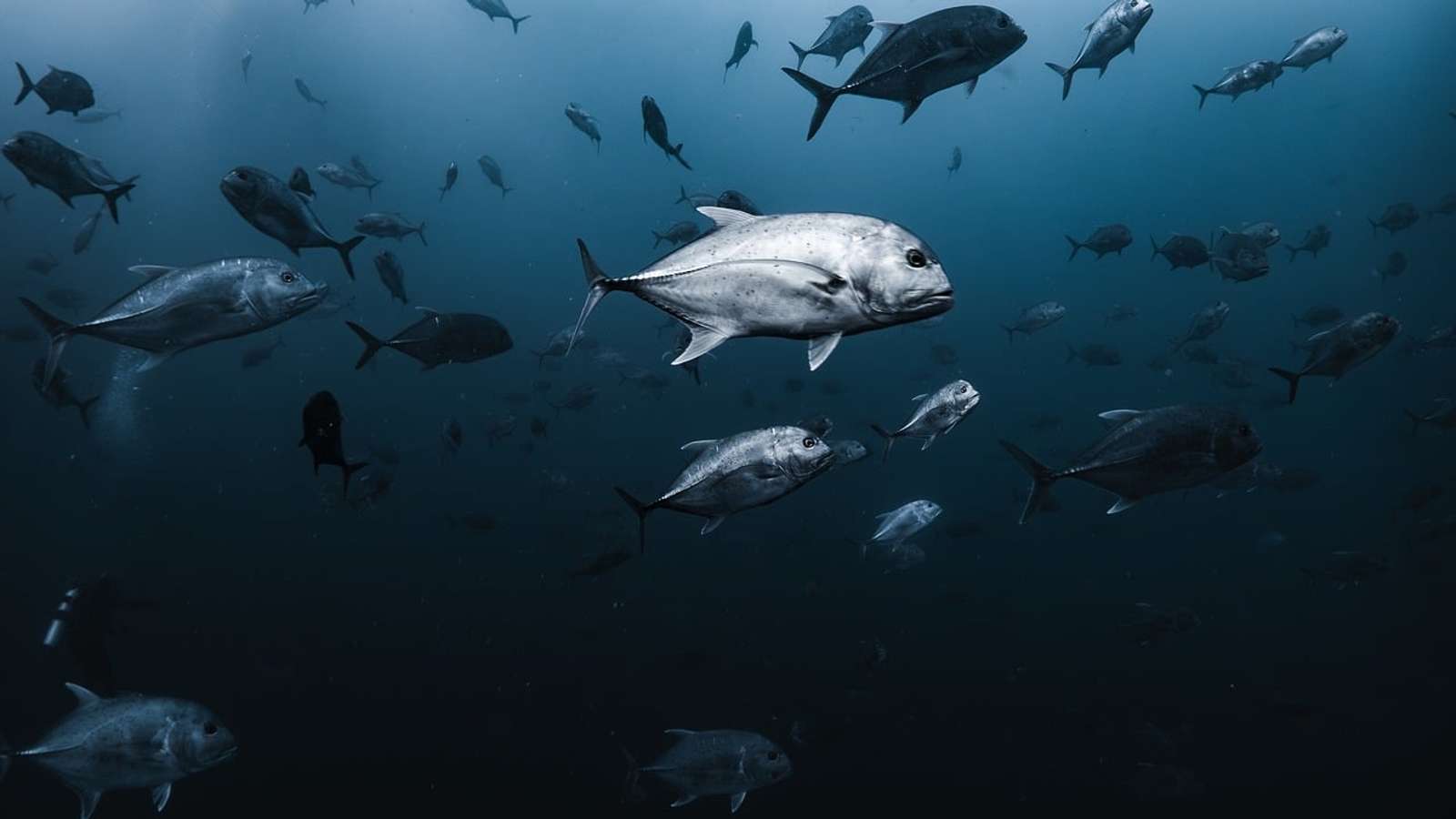
A study of fish DNA in seawater around Japan has found 126 species farther north than they had ever been recorded, the Okinawa Institute of Science and Technology (OIST) said on 26 October. It is Japan's largest marine environmental DNA (eDNA) study, published in Diversity and Distributions.
A bucket of seawater per site
Fish shed DNA into the water through skin, mucus and waste, and a sample of seawater can reveal which species live nearby. The team analyzed 2,672 samples, nearly 1,000 of them newly collected, from 316 coastal locations between 2017 and 2024. Local fisheries, environmental agencies, scientists and a network of marine stations supplied samples, and reference DNA sequences developed in Japan made the work possible.
Fishermen across Japan “are already finding differences in the types of fish they reel in compared to a few decades ago.” — Timothy Ravasi, head of OIST's Marine Climate Change Unit
Commercial fish, and a seaweed grazer
The 126 northward records include commercially important species such as Japanese scad and blacktip grouper. They also include the black rabbitfish, which is suspected of damaging seaweed beds, a problem known in Japan as isoyake.
OIST links the shifts to warming waters pushing fish toward cooler regions. The study itself documents where the DNA was found; it does not prove warming is the cause, and the authors say predicting why DNA appears in some places and not others is future work.
What eDNA can and cannot show
eDNA shows whether a species' DNA is present, not how many fish there are, and its accuracy depends on how complete the reference databases are. Samples also need careful handling to avoid contamination. Similar methods are being used on land; in Australia, students and staff found 572 species on Curtin University's campuses from DNA traces in air and water. Lead author Ayşe Haruka Oshima Açıkbaş completed her PhD at OIST.
Sources
How we choose and verify sources: editorial policy.