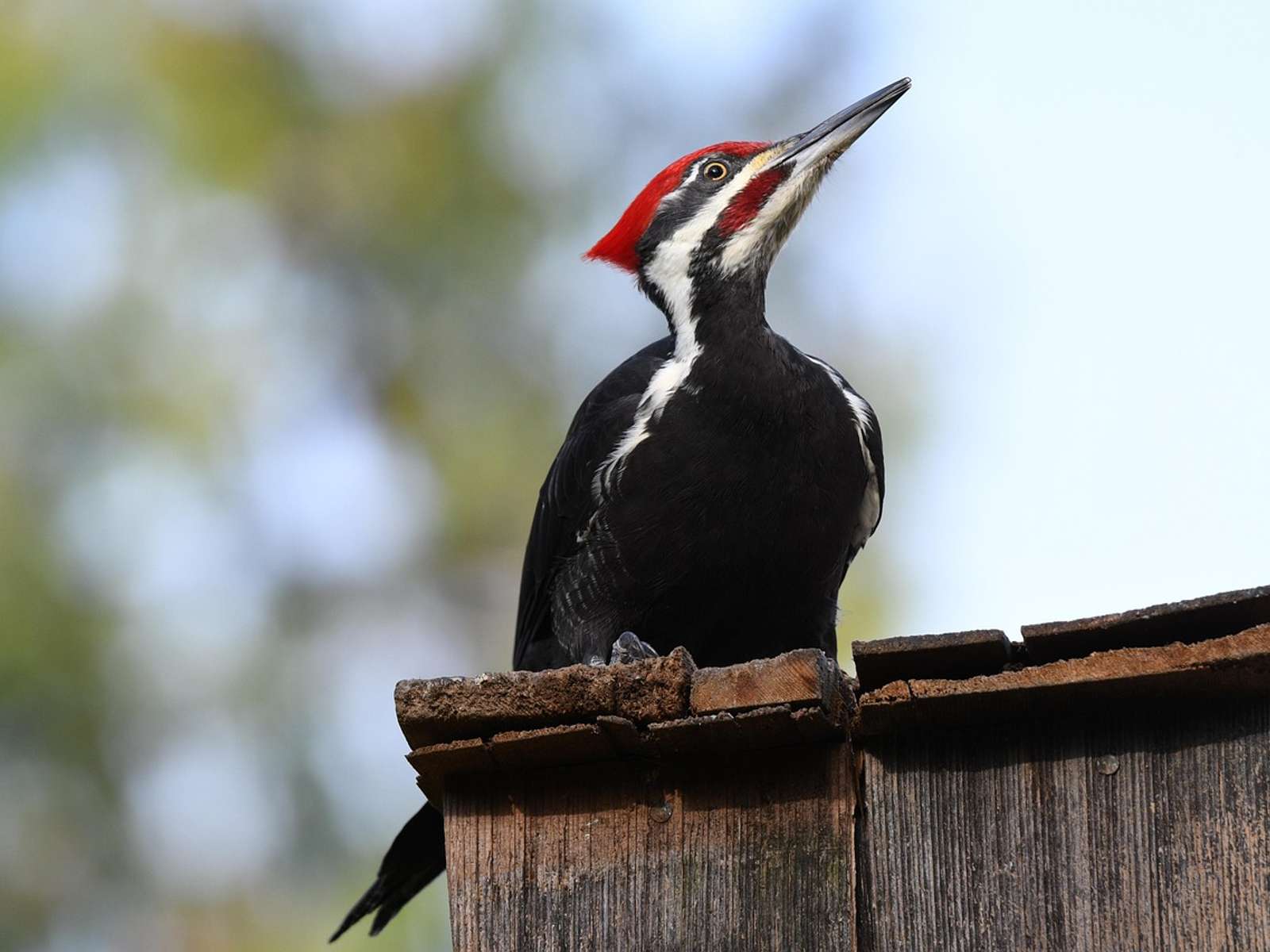
Camera traps record the grey-necked rockfowl in DR Congo for the first time, 400 km beyond its known range
Camera traps in DR Congo's Luki Biosphere Reserve photographed grey-necked picathartes, a near-threatened bird never recorded in the country, nearly 400 km beyond its known southern limit. The find adds weight to a stalled cross-border park.
By Diego Callegari, Editor
· Democratic Republic of the Congo · 1 min read
Source: Mongabay (on a study in Ostrich by Jean Semeki, University of Kinshasa) ↗
A rare West and Central African bird has been recorded in the Democratic Republic of the Congo for the first time, Mongabay reported on 26 October. Camera traps in Luki Biosphere Reserve in western DRC photographed the grey-necked picathartes, also called the grey-necked rockfowl, nearly 400 km beyond its previously known southern limit.
A mammal survey caught a bird
The cameras had been set on a forest trail to survey mammals and also recorded chimpanzees. The survey was led by ecologist Jean Semeki of the University of Kinshasa; co-author Hugues Dethier analyzed the footage and Guillaume Baltus confirmed the identification. The findings were published in the journal Ostrich.
The grey-necked picathartes is listed as Near Threatened by IUCN because of its small population and habitat degradation. It was first detected in the Republic of Congo's Conkouati-Douli National Park in 2023, and a nesting colony has been found in Angola's Cabinda Mayombe National Park.
A reserve under pressure
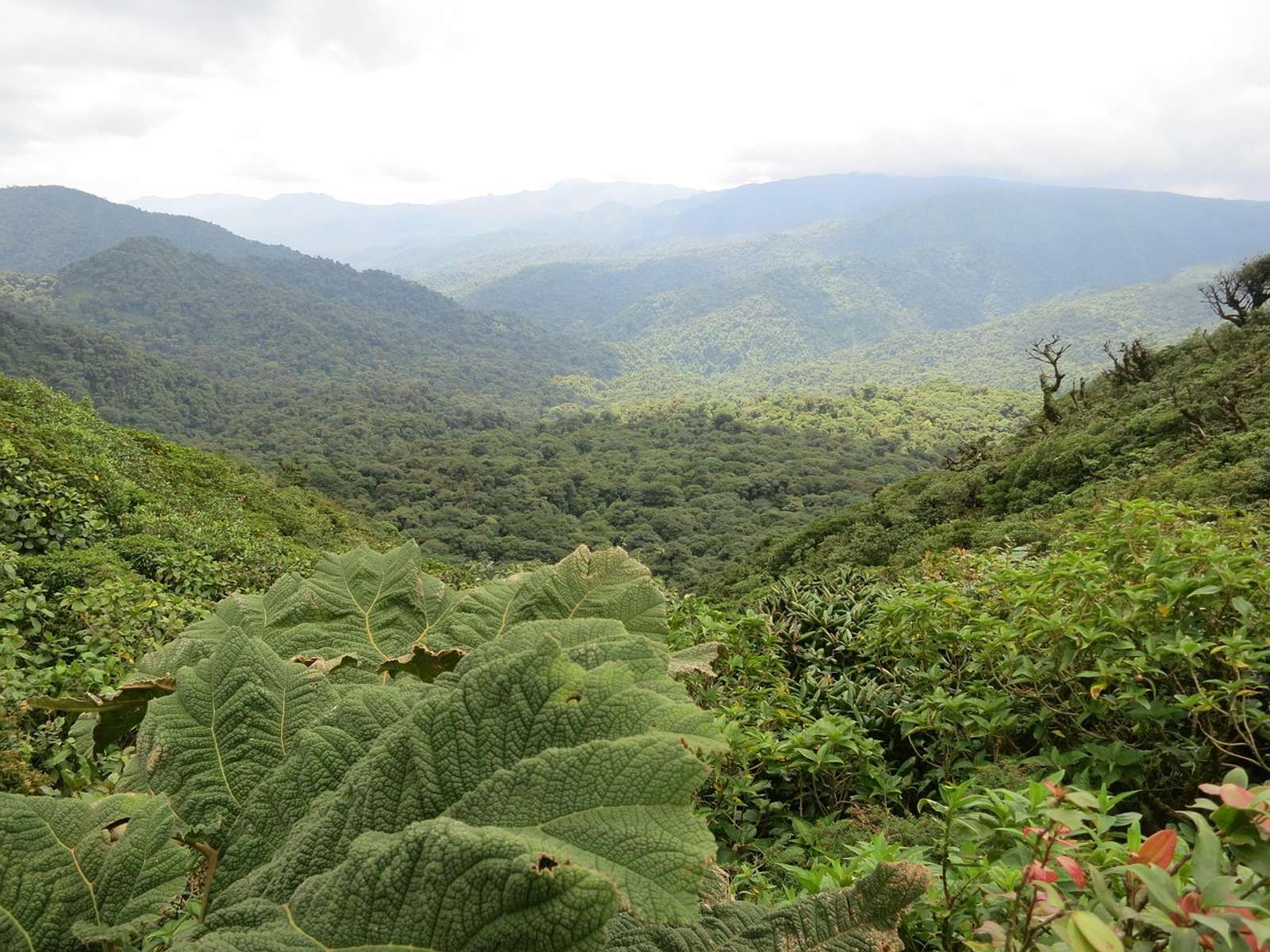
Luki faces shifting cultivation, charcoal production, small-scale logging and hunting, including in its fully protected core zone. More than 3,500 hectares of primary forest have been lost since 2001, over 18% of the area mapped then, including about 1,125 hectares in 2023 to 2025, according to Global Nature Watch data cited by Mongabay.
“The current situation in the Luki Reserve is very alarming.” — Jean Semeki, University of Kinshasa
A cross-border park that stalled
The find strengthens the case for the Mayombe Forest Transfrontier Protected Area, approved in principle in 2013 by Gabon, the Republic of Congo, Angola and DRC but stalled by a lack of funding and coordination. “There is no way we can protect the Mayombe without transboundary collaboration,” said biodiversity consultant Tamar Ron. More new and threatened parks are collected under protected areas.
Sources
- Mongabay (on a study in Ostrich by Jean Semeki, University of Kinshasa) · news.mongabay.com
How we choose and verify sources: editorial policy.