New species found, less forest cleared and Indigenous lands protected: verified stories about the variety of life on Earth and the people defending it.
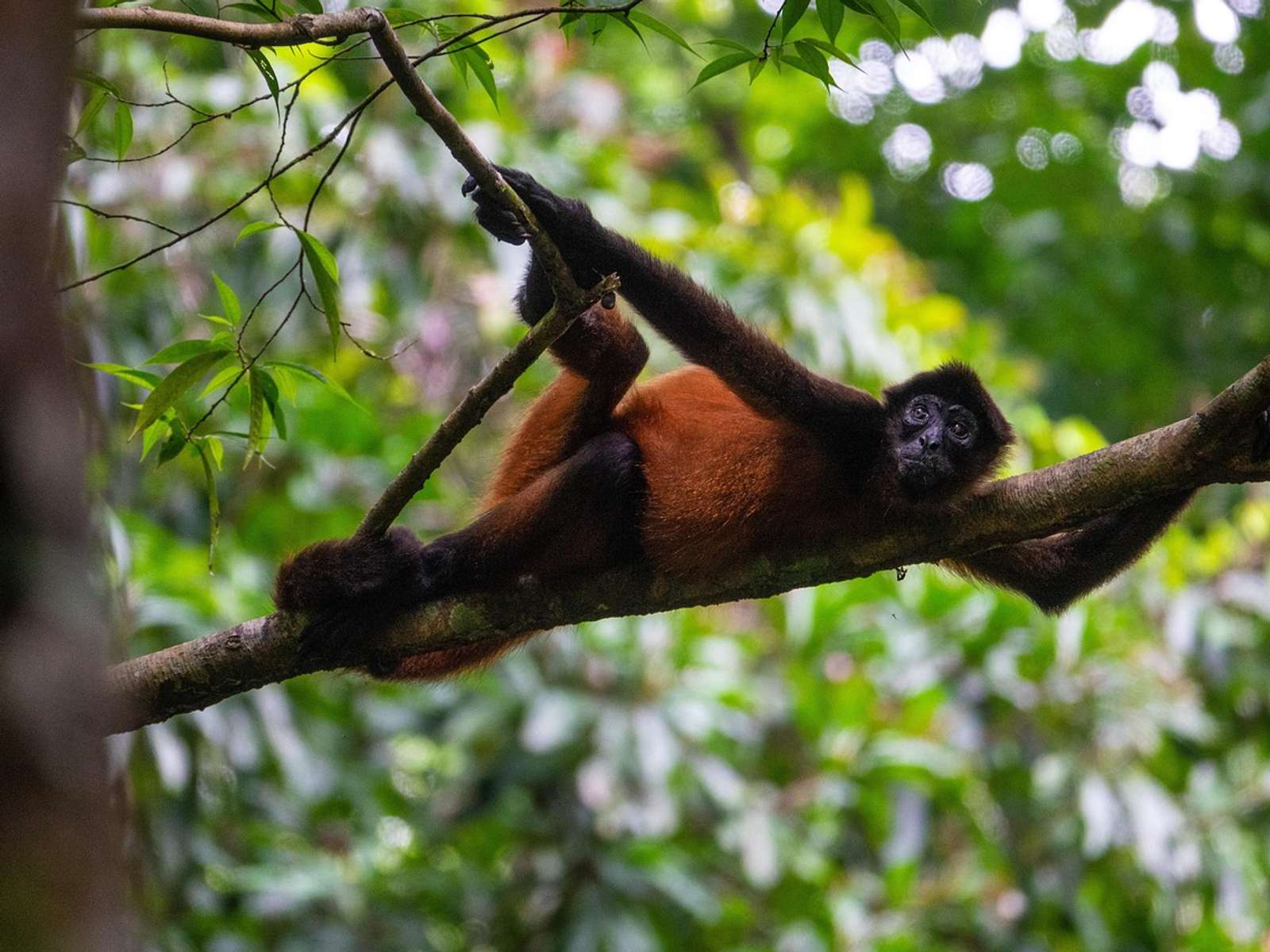
A University of Salford-led team has described Alouatta iroi and Alouatta matogrossensis in Communications Biology, the first new howler monkeys named in 84 years. Southern Amazonia, home to one of them, is among the fastest-deforesting regions on Earth.
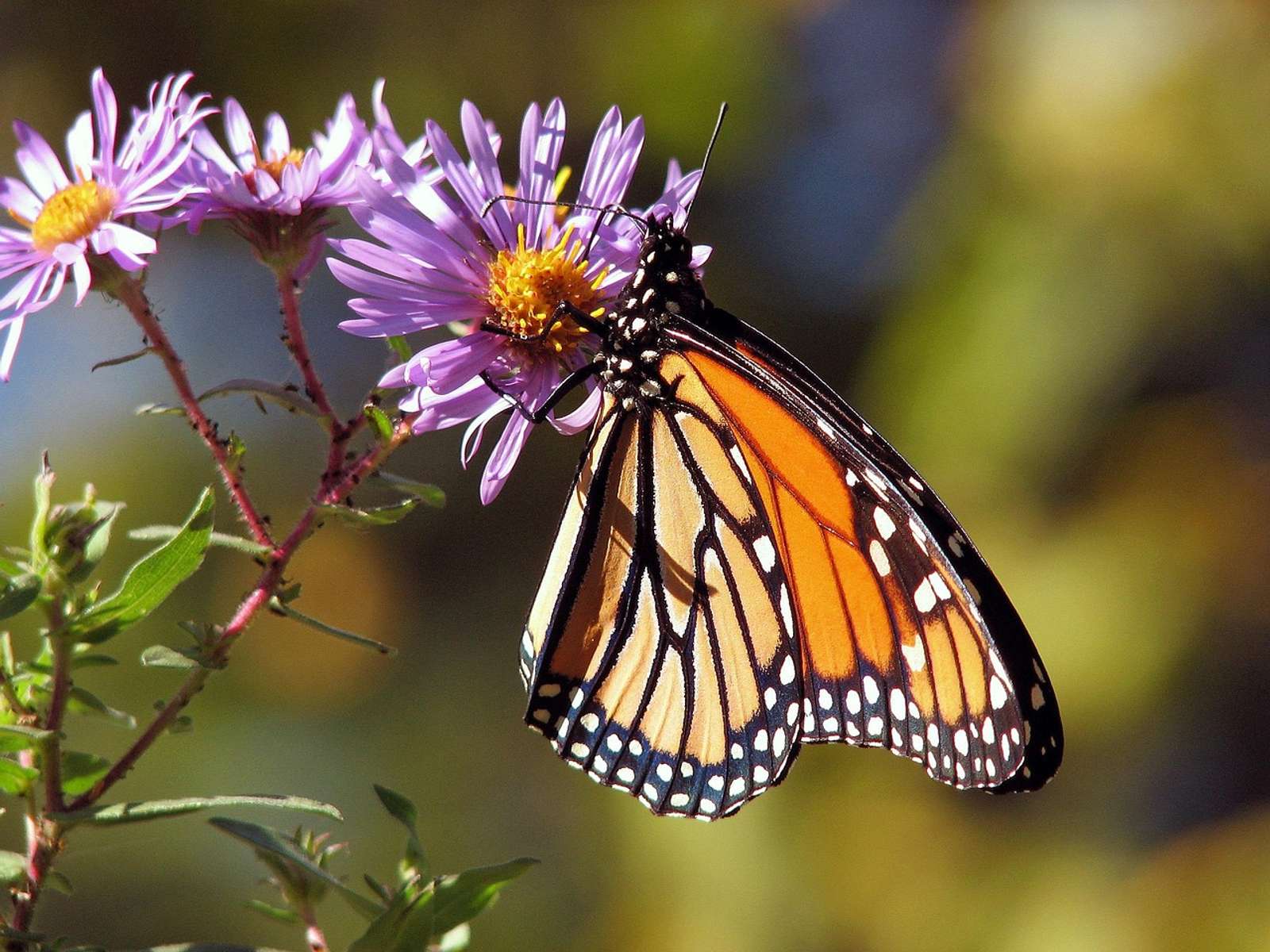
After DNA-barcoding more than 1 million specimens, researchers led by the Natural History Museum of Los Angeles County estimate California has over 60,000 insect species, about one-third undescribed. Nearly every site had its own distinct insect community.
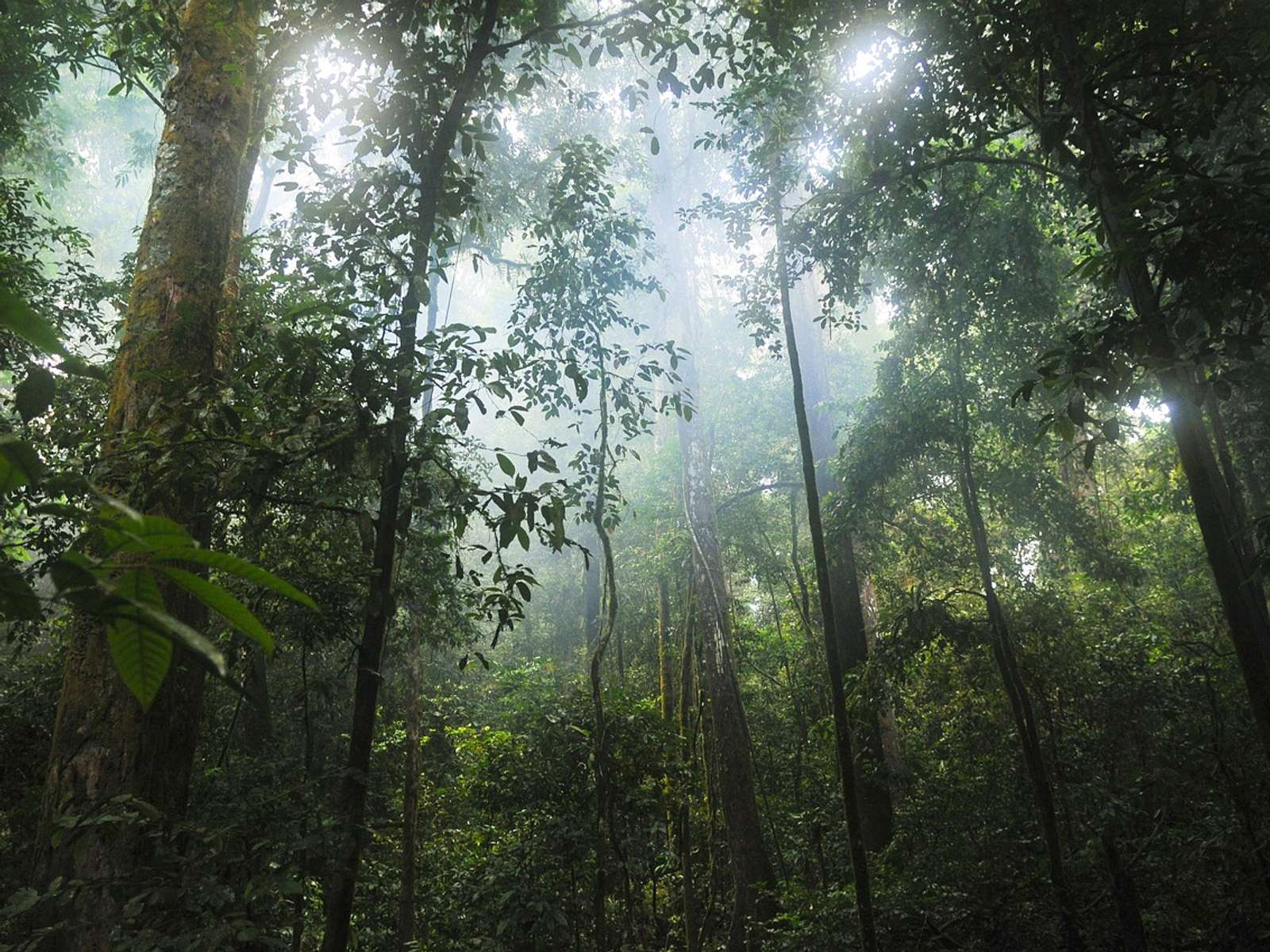
A field team photographed the Ghana cuckooshrike in Taï National Park in June 2026, the first verified record of the West African bird since 2013. The species is on the Search for Lost Birds list, and its forest habitat is fragmented.
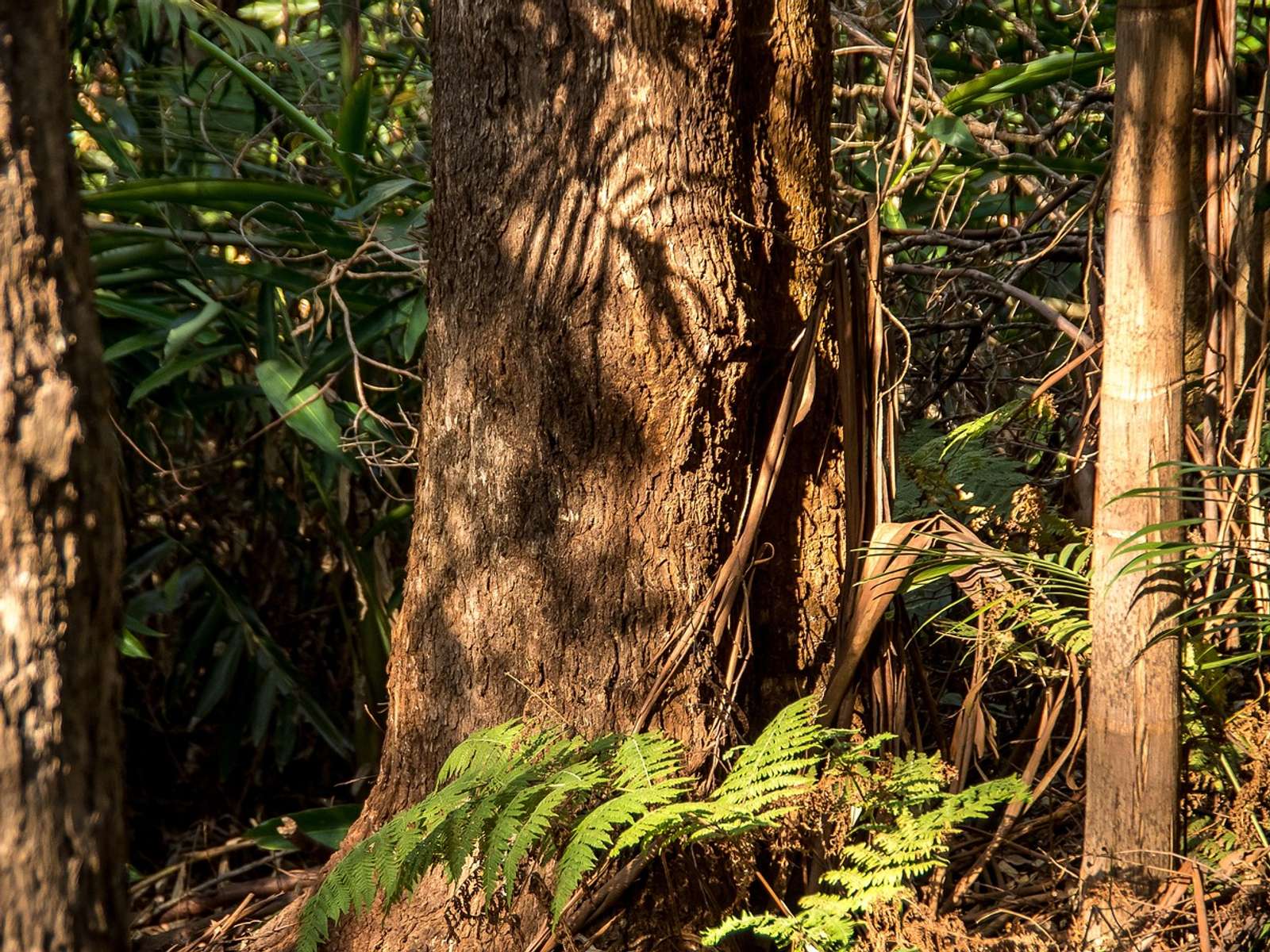
Teacher Nick Lambert found about 50 Bonville leafless orchids in rainforest near Boambee, New South Wales, about 5 km from the only other known site. The critically endangered orchid has no leaves and shows above ground for one to two weeks a year.
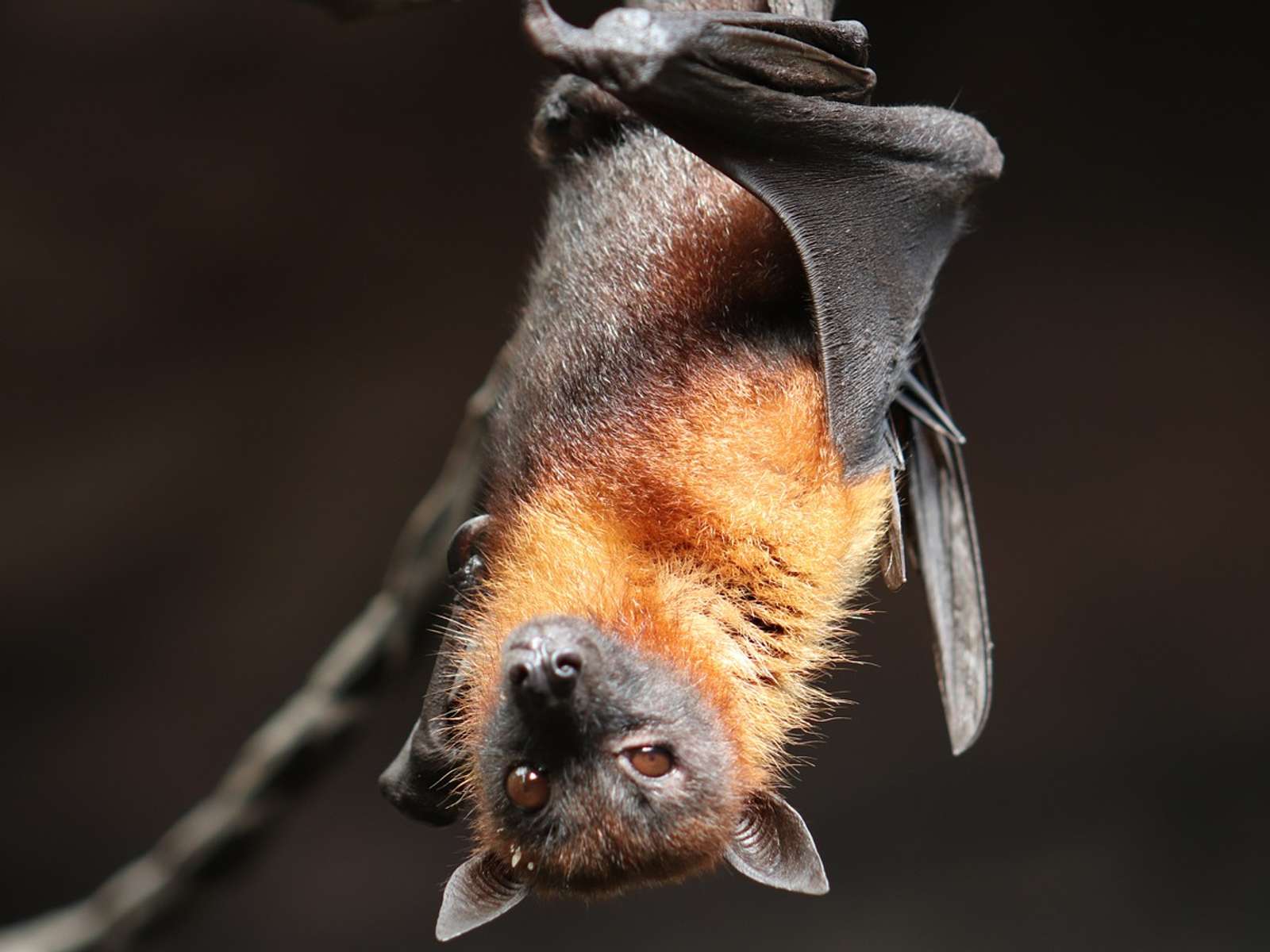
An Australian Wildlife Conservancy ecologist recorded the call of the Arnhem sheath-tailed bat at Pungalina-Seven Emu Wildlife Sanctuary, more than 650 km east of its last known location. The species was first found in 1979.
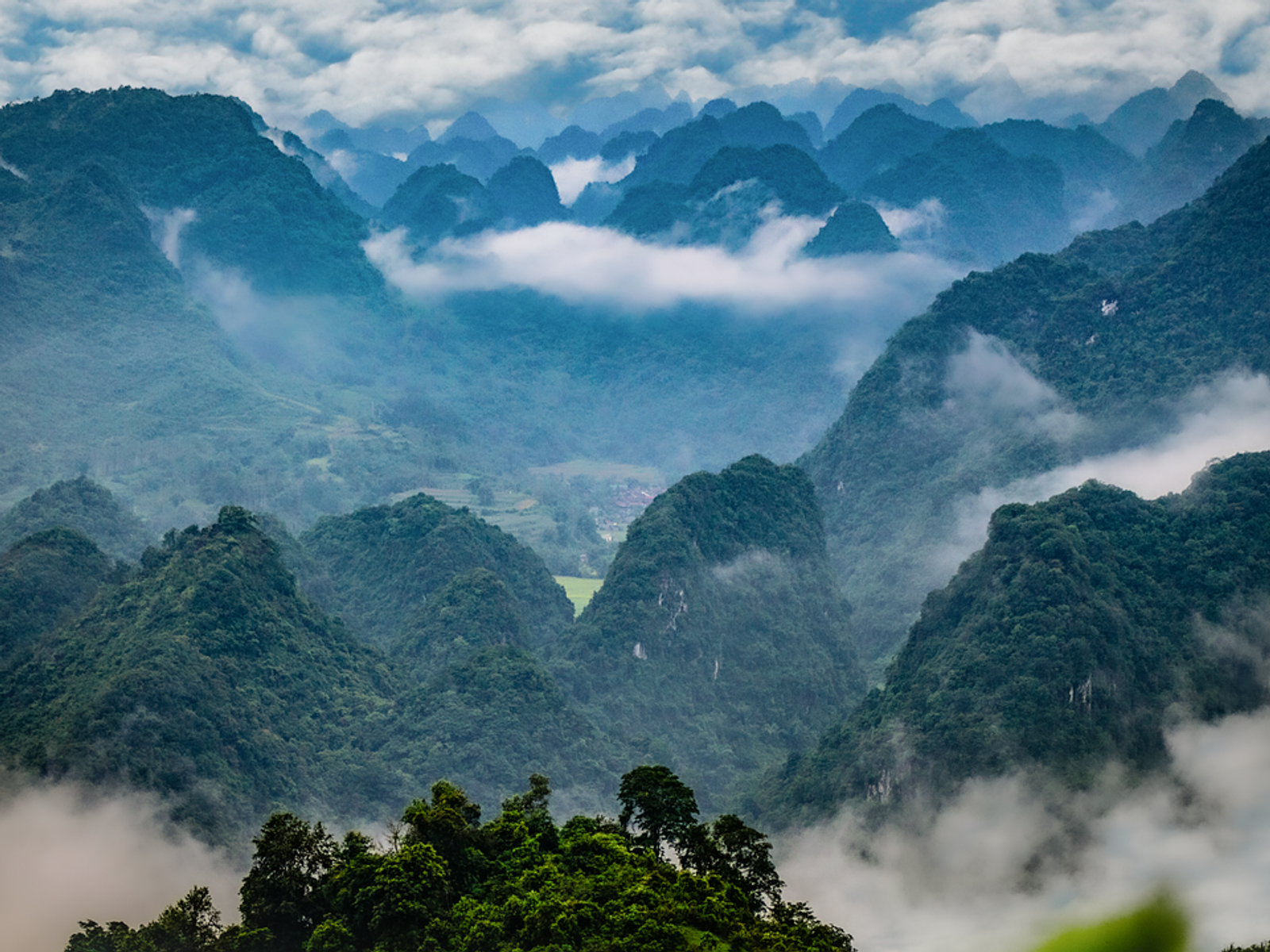
A UN report finds 252 million hectares across 149 countries are under restoration, creating more than one million green jobs. But freshwater and marine ecosystems lag, and annual restoration finance must more than quadruple by 2030.
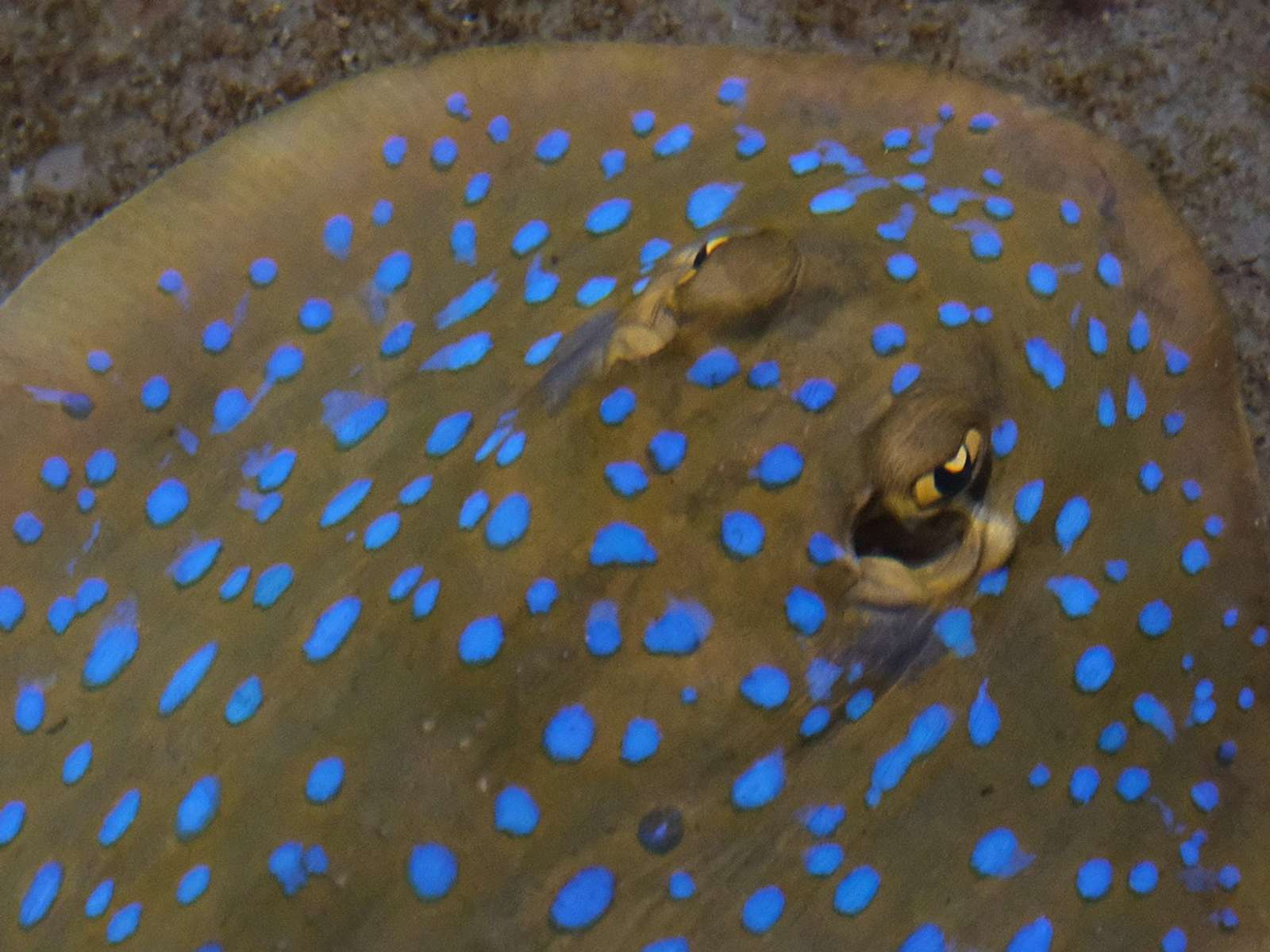
Scientists from the Zoological Survey of India described Tetronarce ramanamurthyi, the Arabian black electric ray, from nine deep-sea specimens off India's southwest coast, the first confirmed record of the genus in the northern Indian Ocean.

Biologists have described four new species of Oreobates frogs from northern Peru, including one near Cordillera Azul National Park, raising the genus to 31 known species. They told the frogs apart by body features, calls and DNA.
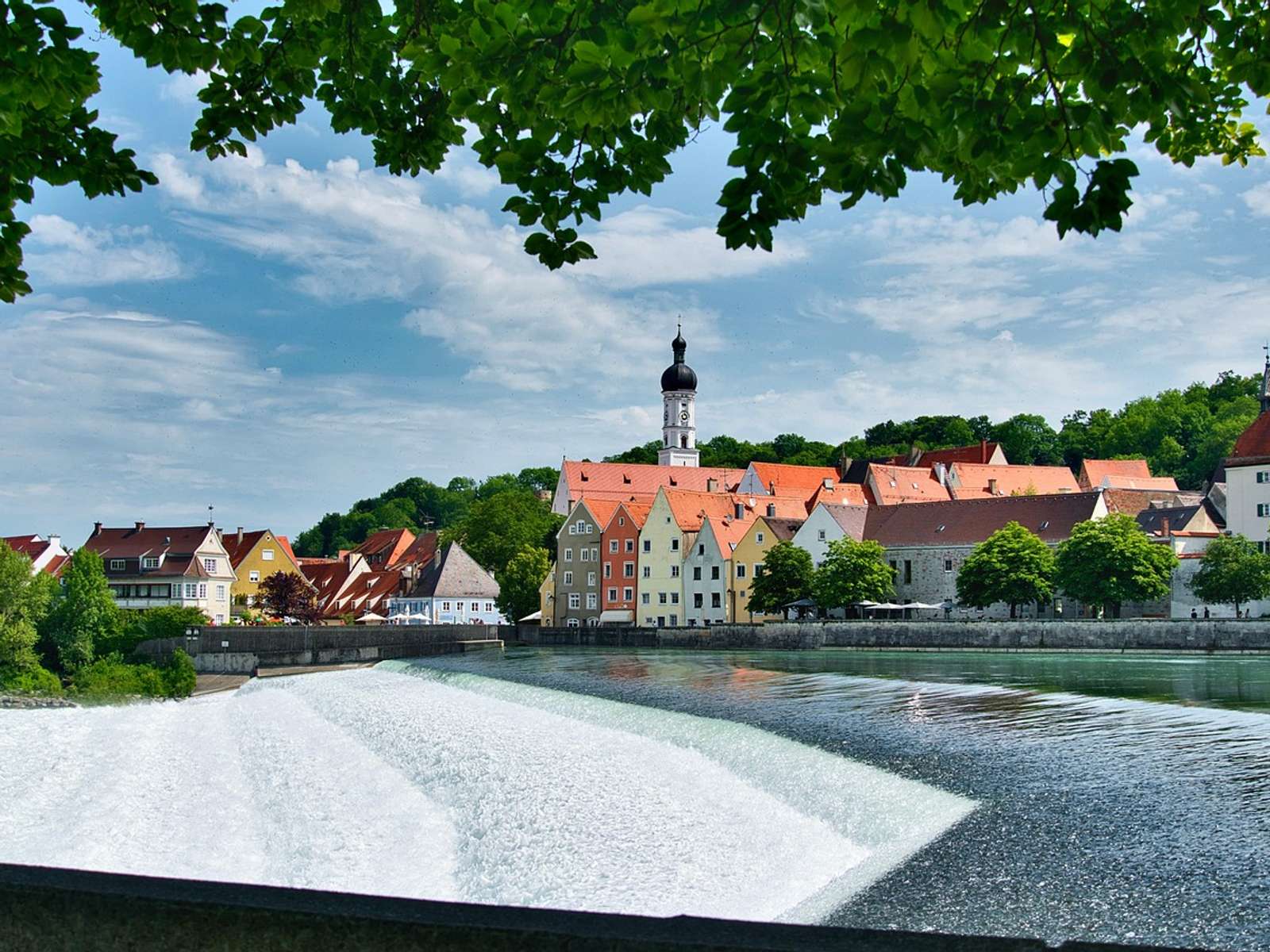
The Cantabrian group Red Cambera has removed the Valverde weir on the Bullón River in Liébana, a 1.7-meter barrier salmon could hardly pass. The work frees about 24 km of river upstream and was funded by the Open Rivers Programme.
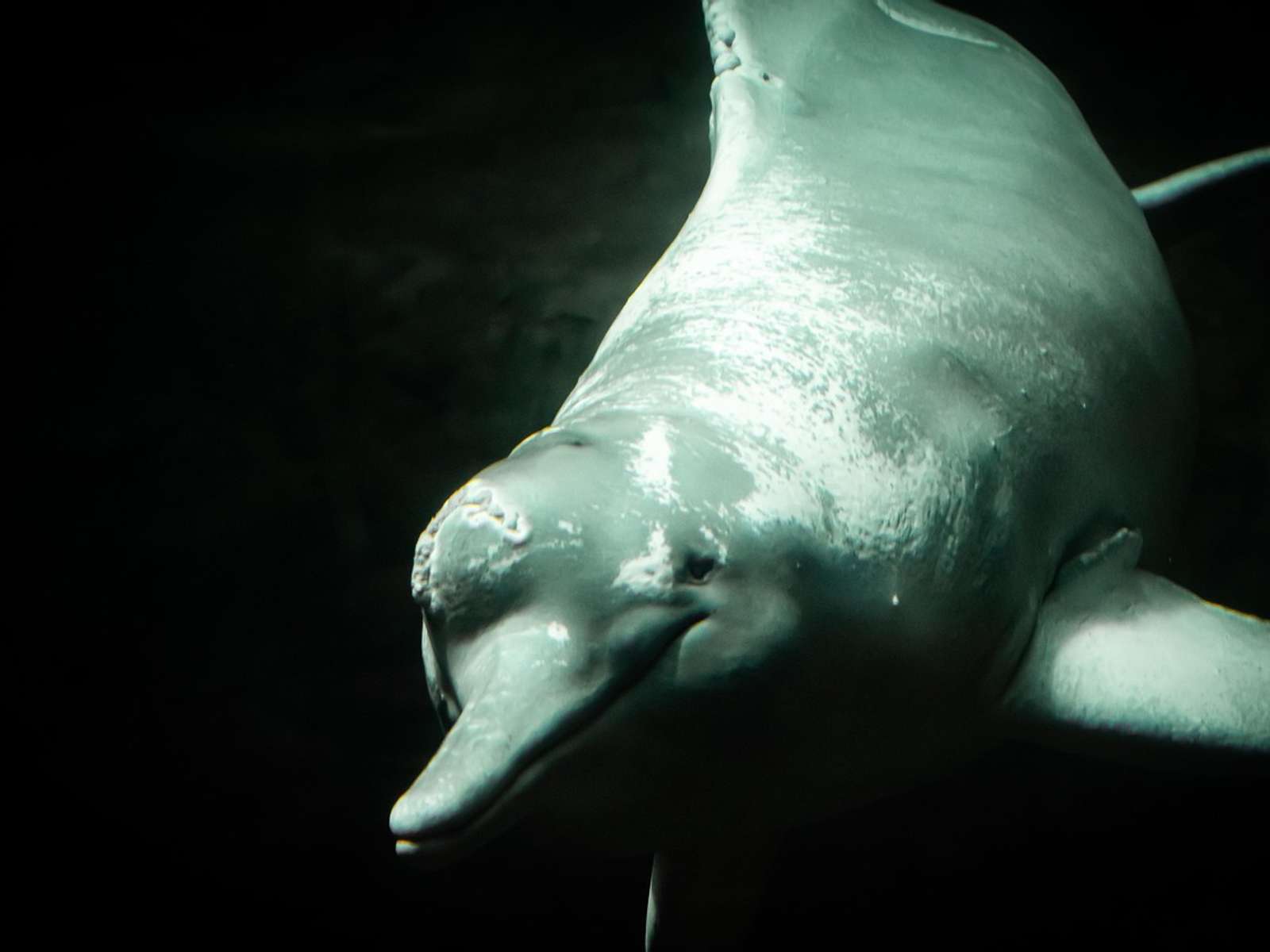
A photo taken during Cobija's first City Nature Challenge led to Bolivia's first documented records of the Amazon river dolphin, Inia geoffrensis, in the Acre River. Fishers supplied two more records, WCS said.
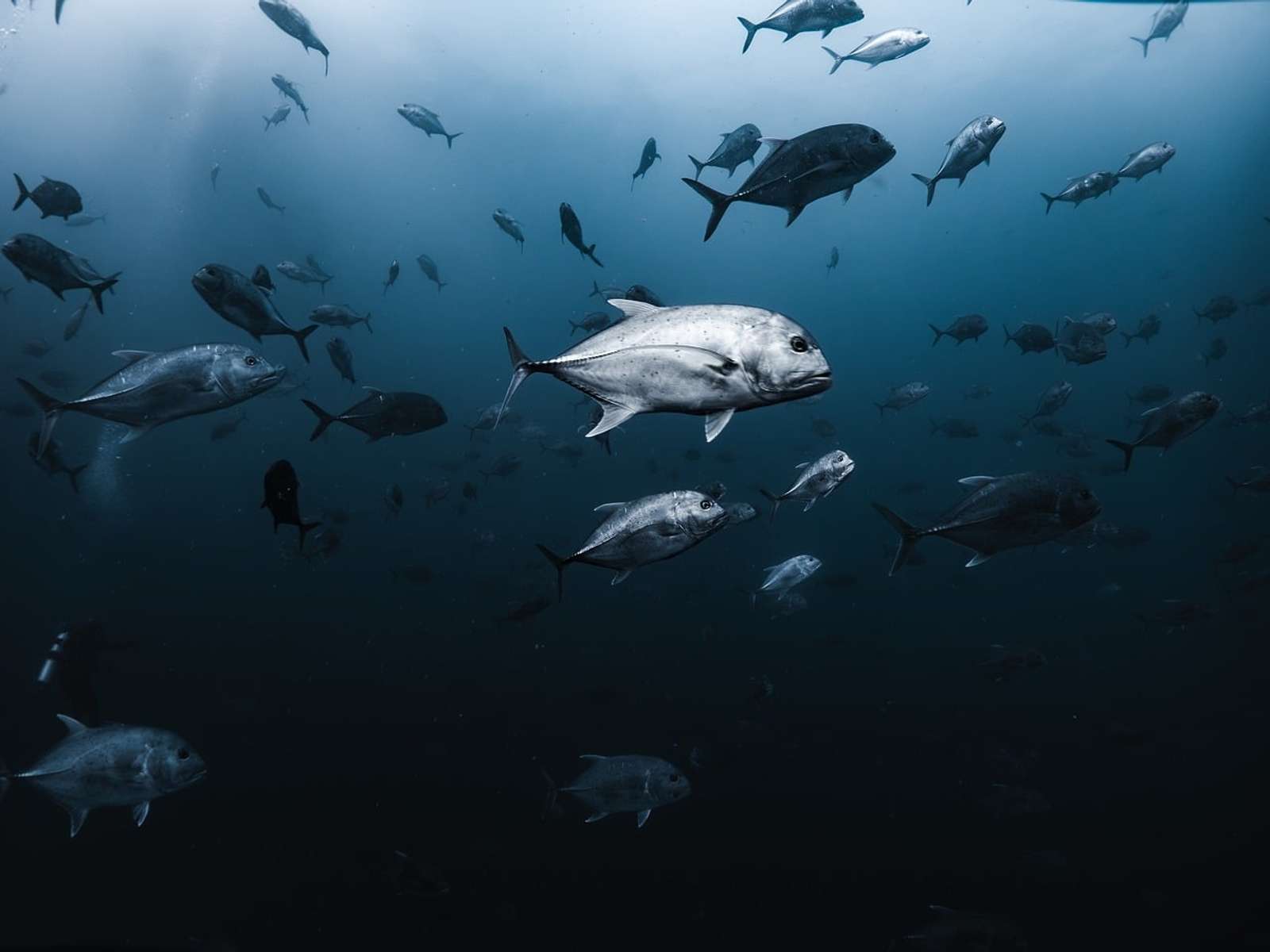
Researchers at OIST analyzed 2,672 seawater samples from 316 sites around Japan for fish DNA and found 126 species farther north than previously recorded, including Japanese scad and blacktip grouper.

Camera traps in DR Congo's Luki Biosphere Reserve photographed grey-necked picathartes, a near-threatened bird never recorded in the country, nearly 400 km beyond its known southern limit. The find adds weight to a stalled cross-border park.
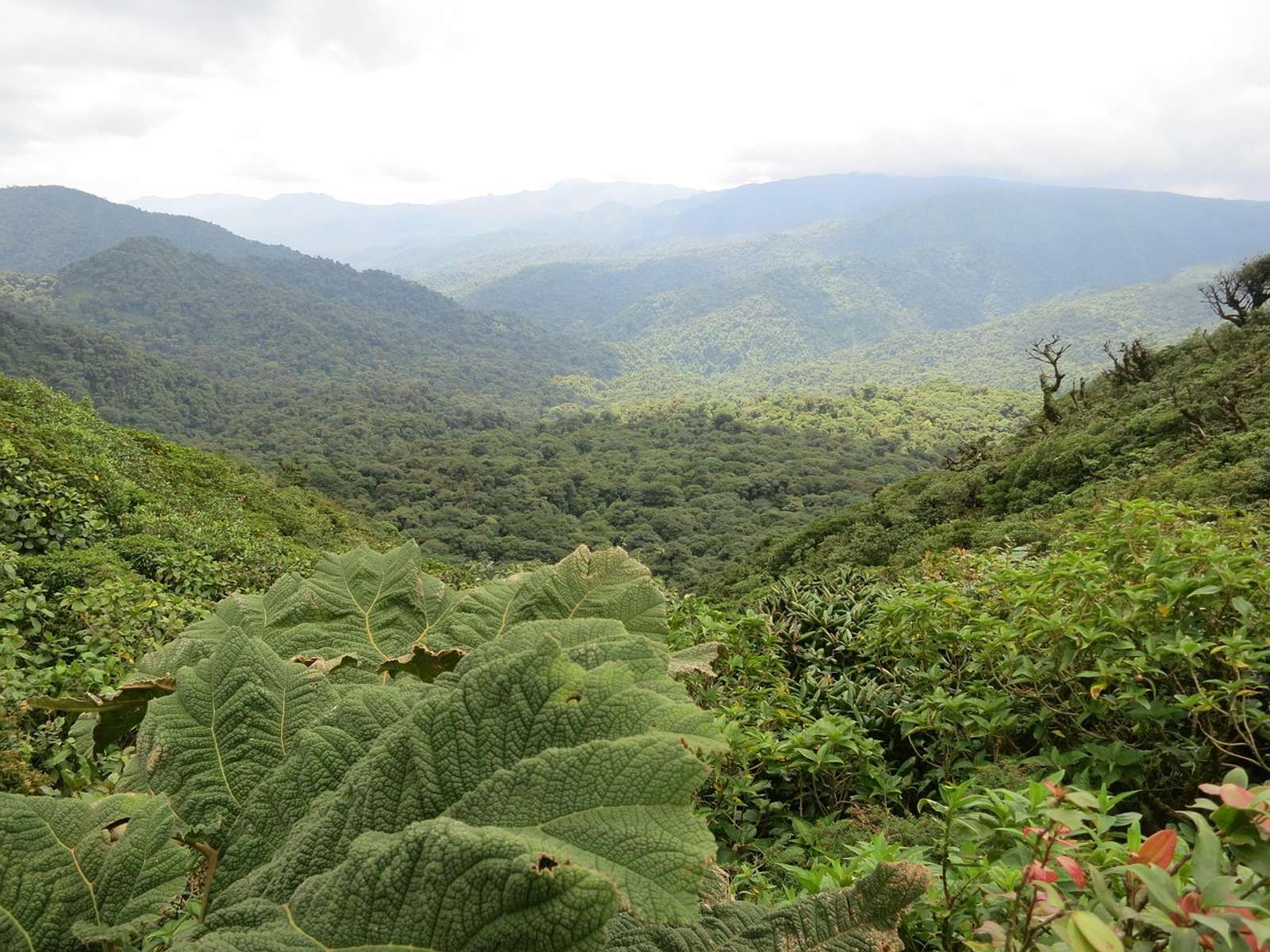
IUCN recognized 25 protected and conserved areas in Brazil, China, Colombia, Costa Rica, Egypt, France and Saudi Arabia for meeting its Green List standard, including Monteverde, Malpelo and Wadi Al-Hitan.

Entomologist Christopher Heckscher of Delaware State University found the similar firefly, Pyractomena similis, in Brandywine Creek State Park, the first documented record since 1983. A new review lists 28 lost firefly species in the US and Canada.
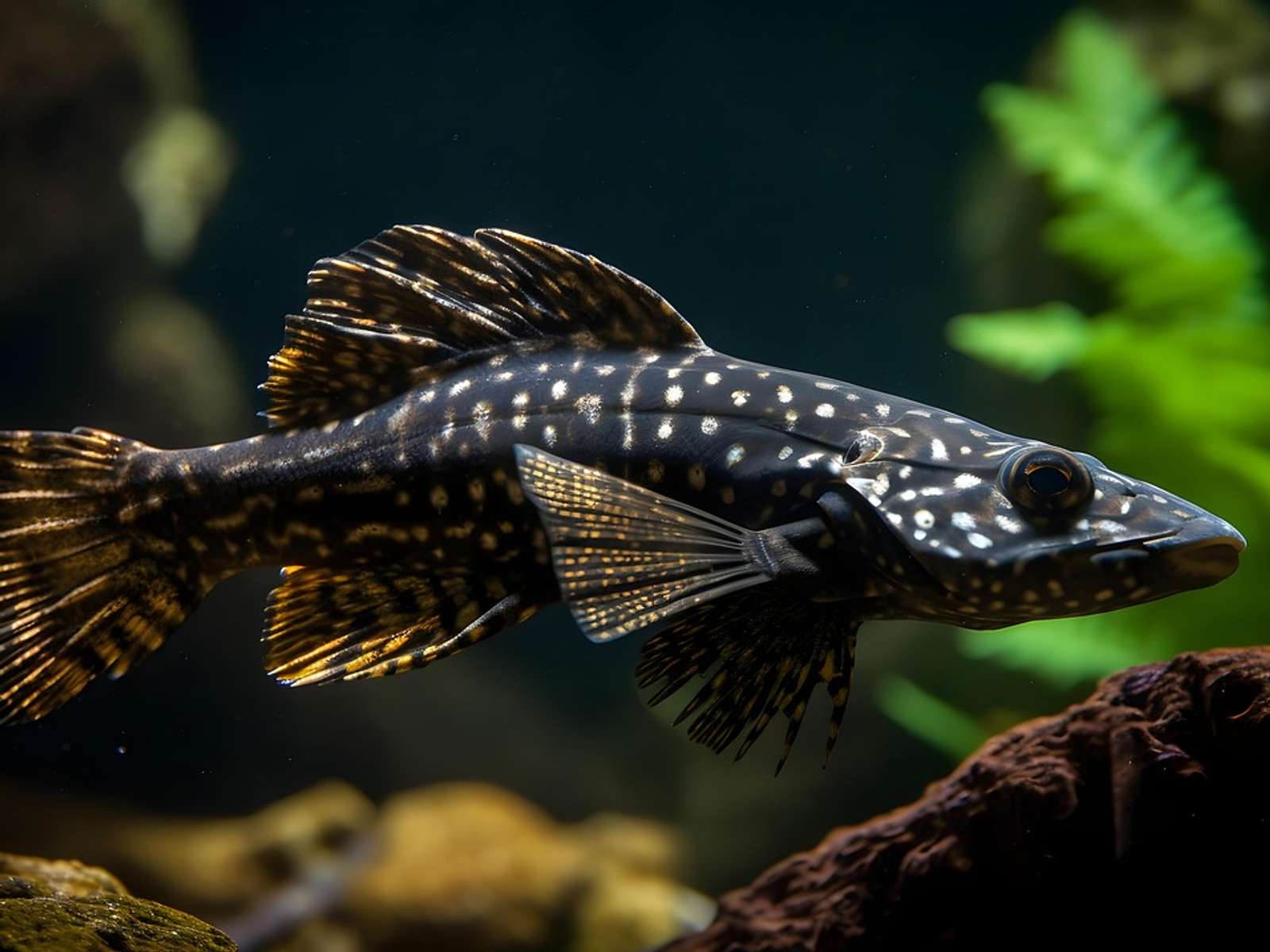
Scientists from Brazil's Museu Nacional and Museu Paraense Emílio Goeldi have described Peckoltia kahxi, a mottled armored catfish known from just two sites in the rapids of the Trombetas basin in Pará.
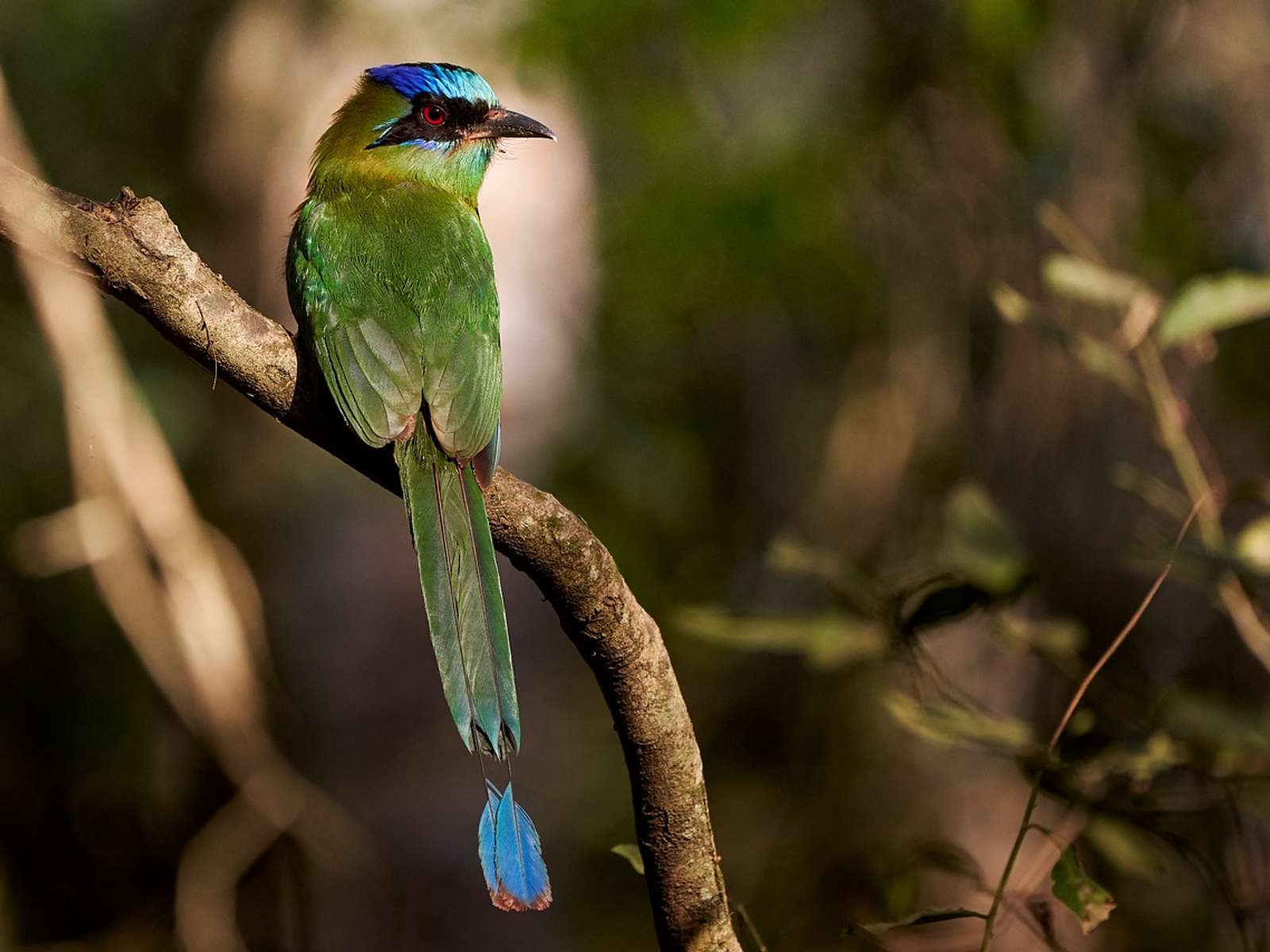
The American Ornithological Society has split the Guatemalan motmot from the russet-crowned motmot. Found only in the dry Motagua valley, it becomes Guatemala's first endemic bird species.

A Cornell-led review of nearly 400 studies in Current Biology finds birds move nitrogen and phosphorus between sea, lakes and land through their waste and bodies, feeding coral reefs and forests. Where seabird colonies vanish, reefs suffer.
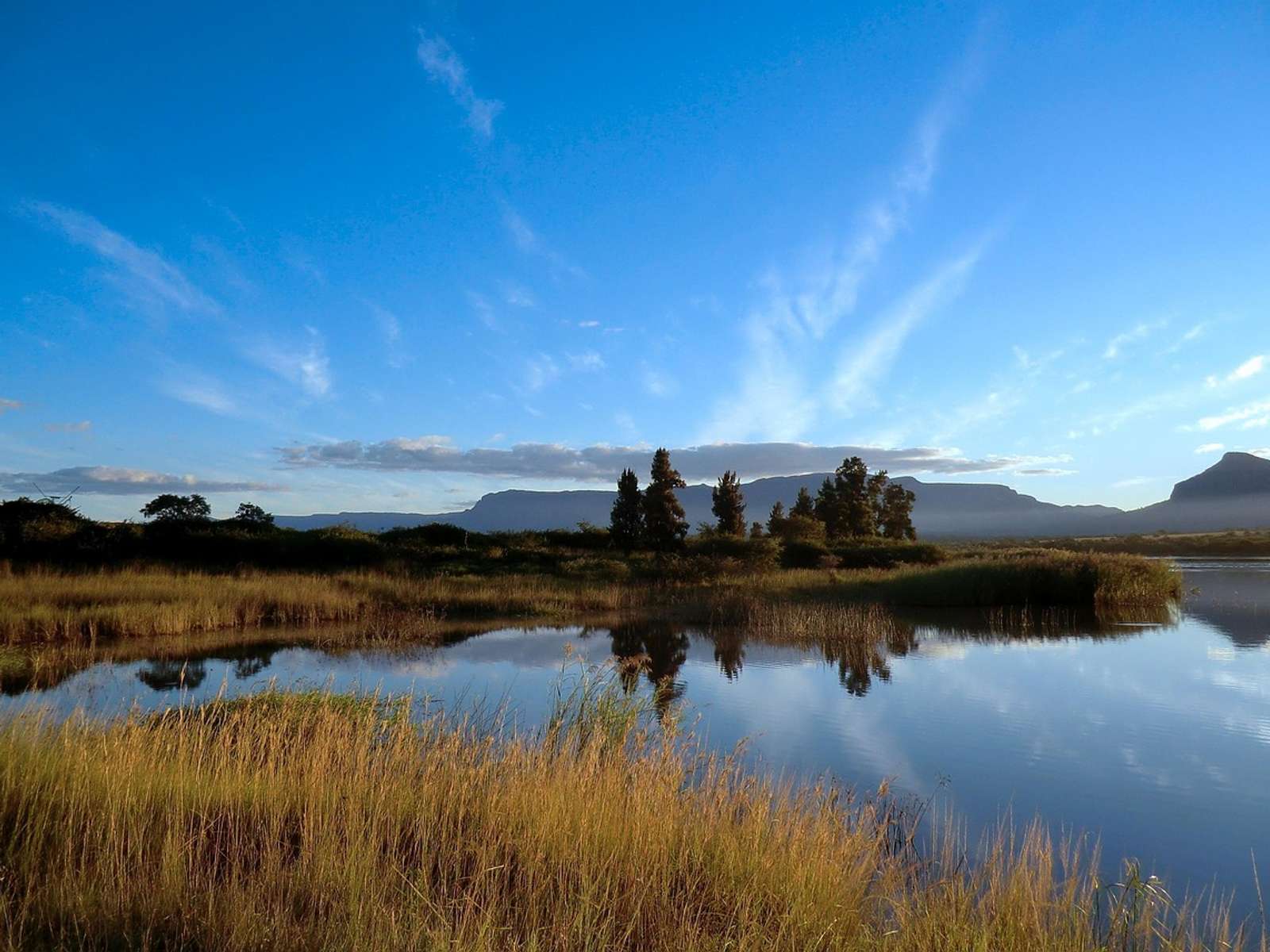
South Africa has declared the Grasslands National Park, 18 properties covering about 10,226 hectares between Nqanqarhu and Rhodes. It is the first national park created mainly through landowners signing on to protect their land.
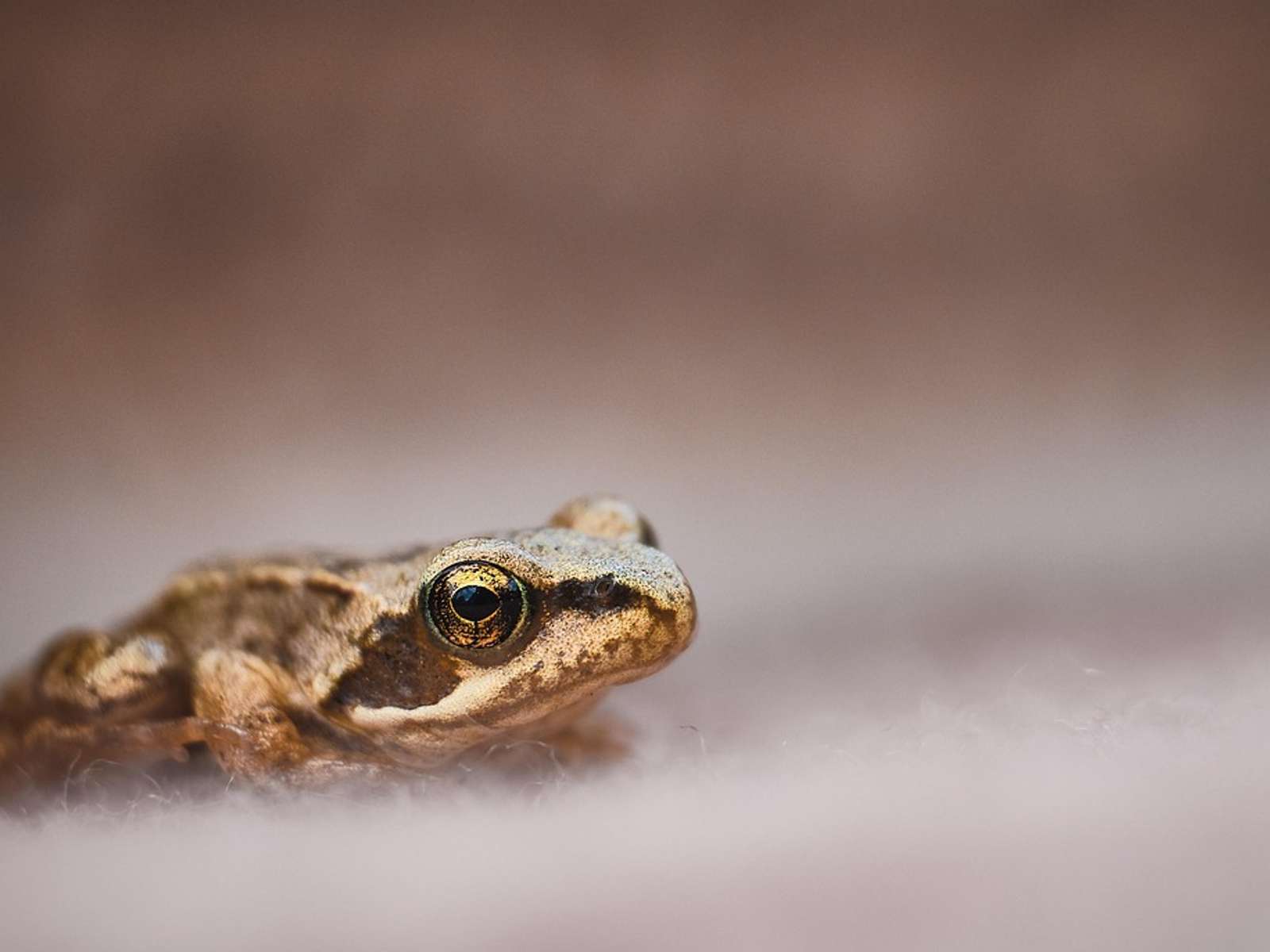
Fifteen Afia Birago's puddle frogs, a Critically Endangered species known from just two pools in Ghana's Atewa Hills, have hatched at London Zoo. They are the first of their species bred under human care anywhere.
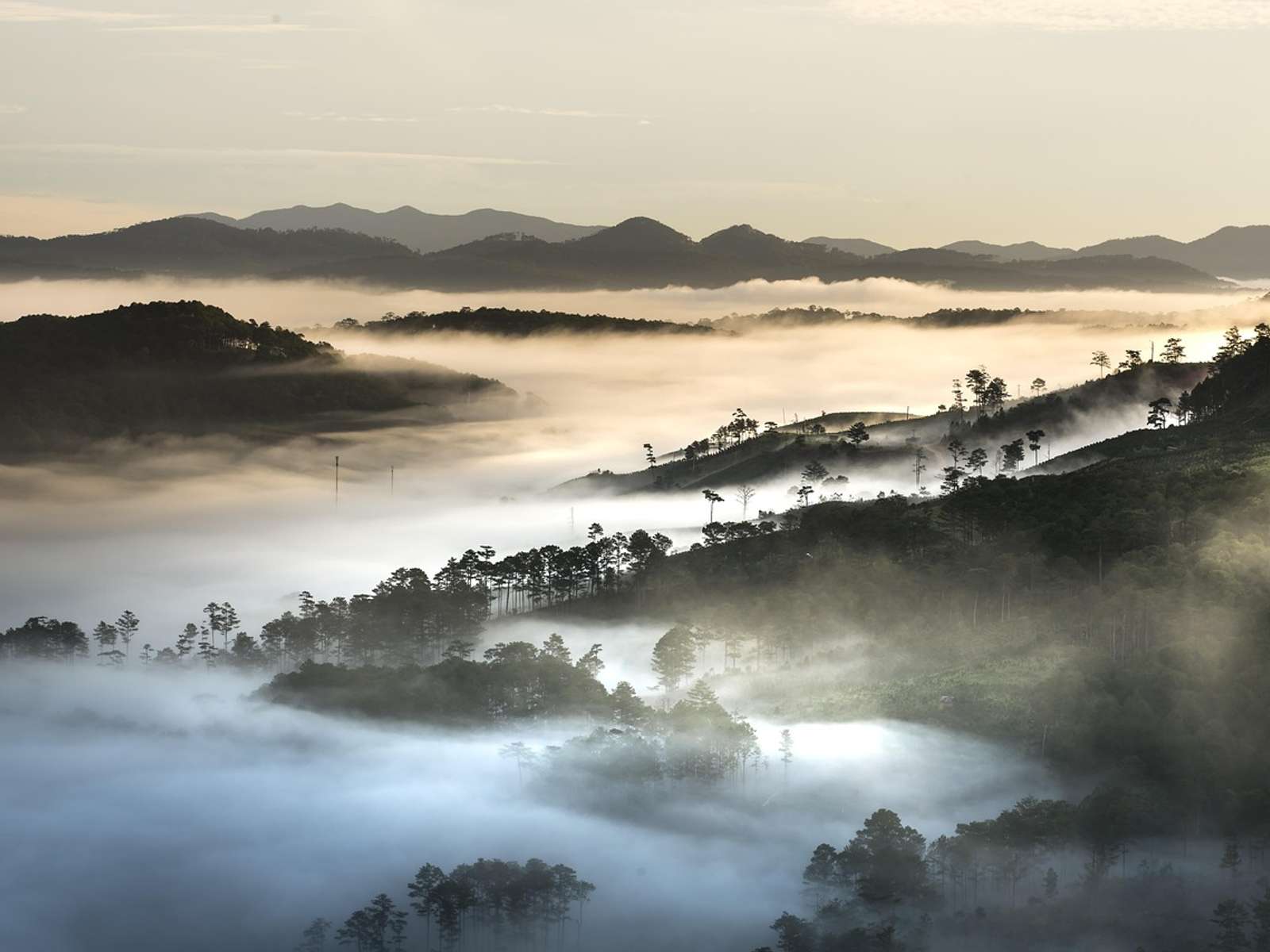
Lam Dong province has established the Ta Kou Nature Reserve, 8,408 hectares of mostly natural forest where surveys recorded about 287 animal species, including black-shanked douc langurs. A plan worth about $3 million runs to 2030.
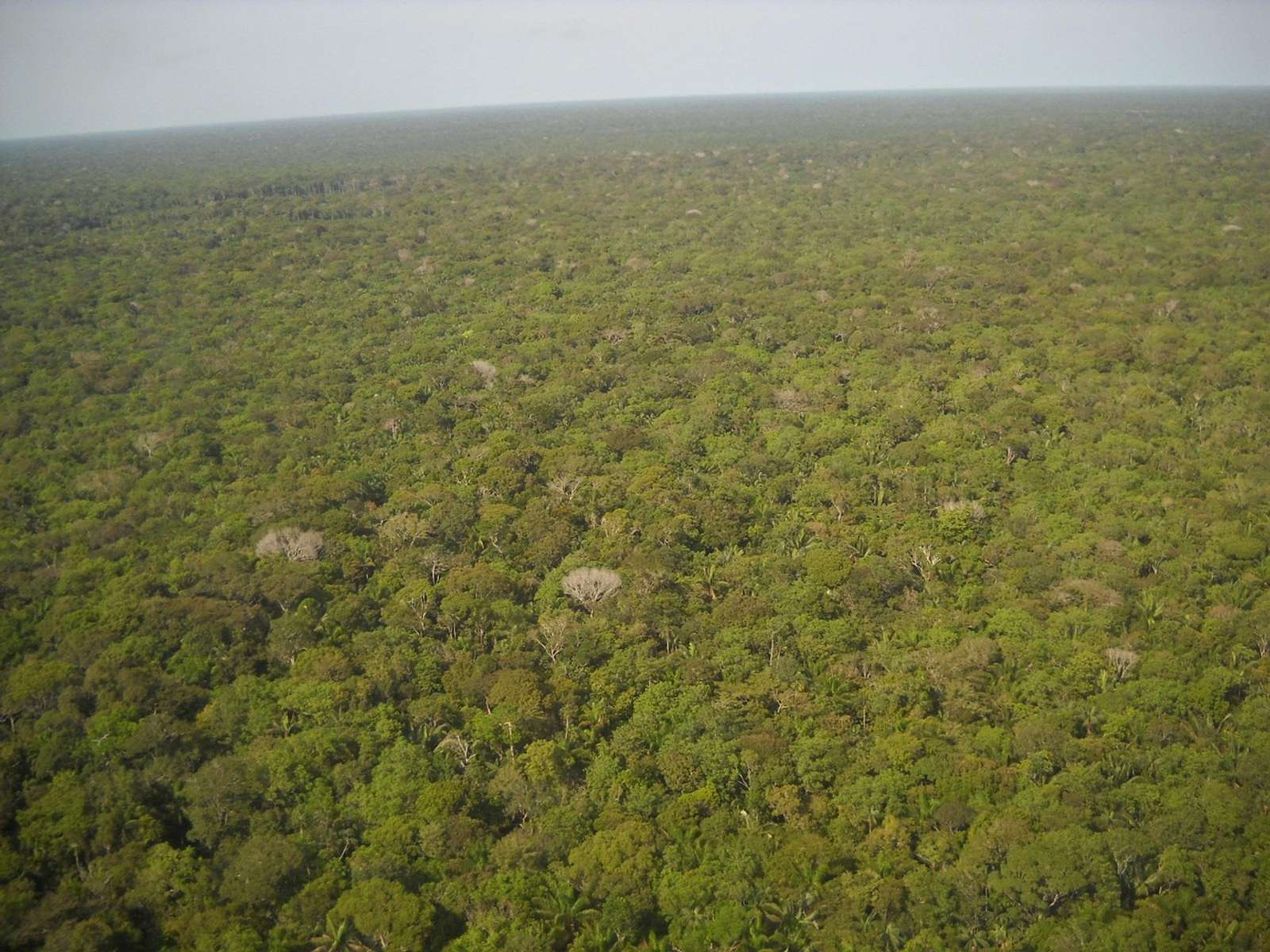
Satellite monitoring by Brazil's space institute INPE recorded 3,335 square kilometers of Amazon deforestation from August 2025 to July 2026, down 41.8% in a year and the lowest since 1988. Clearing in the Cerrado also hit a record low.
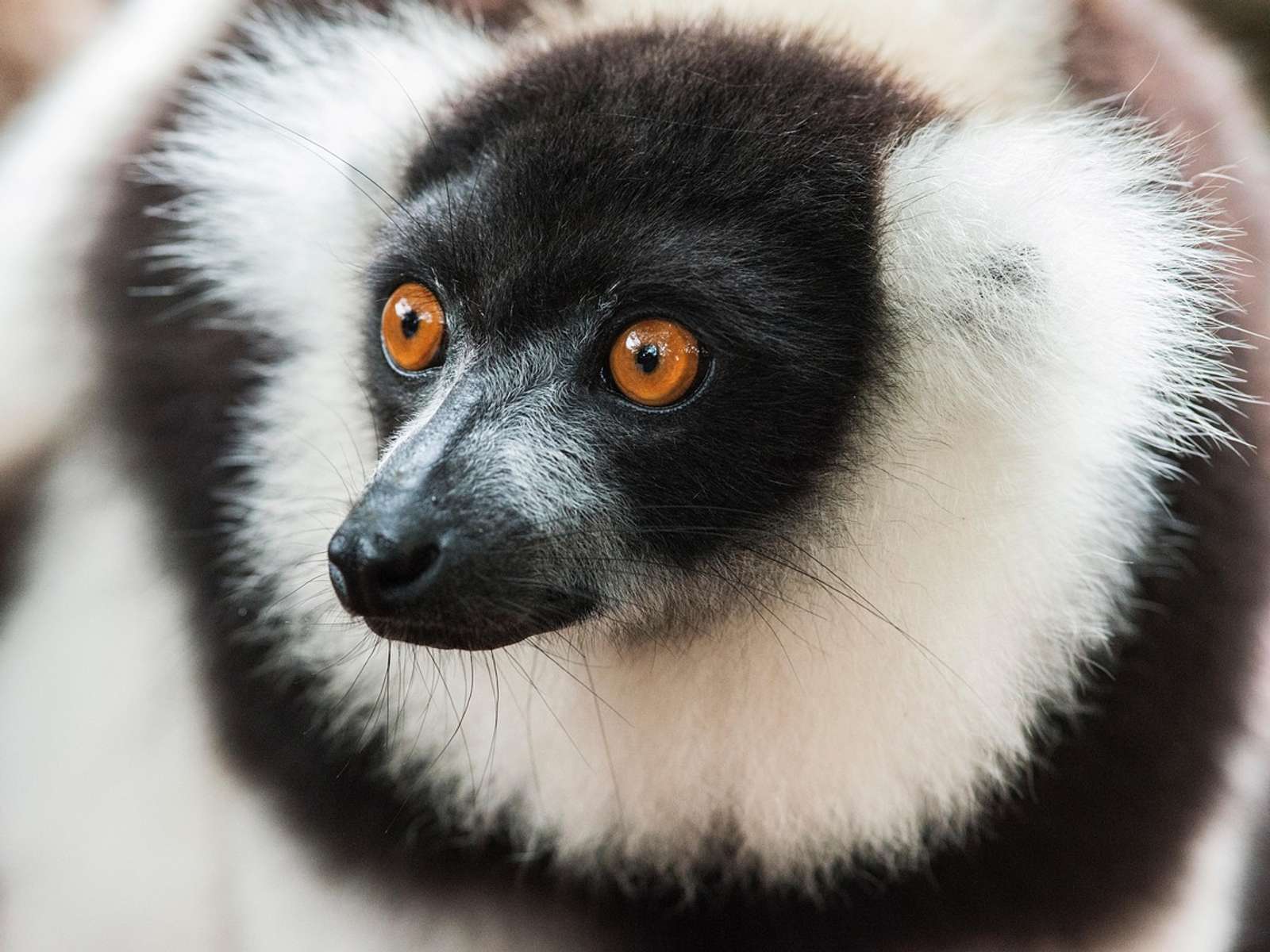
Nine private funders, including the Bezos Earth Fund, Rainforest Trust and Re:wild, launched the Species Recovery Alliance at the UN biodiversity summit with more than $500 million over five years for species listed as endangered or worse.
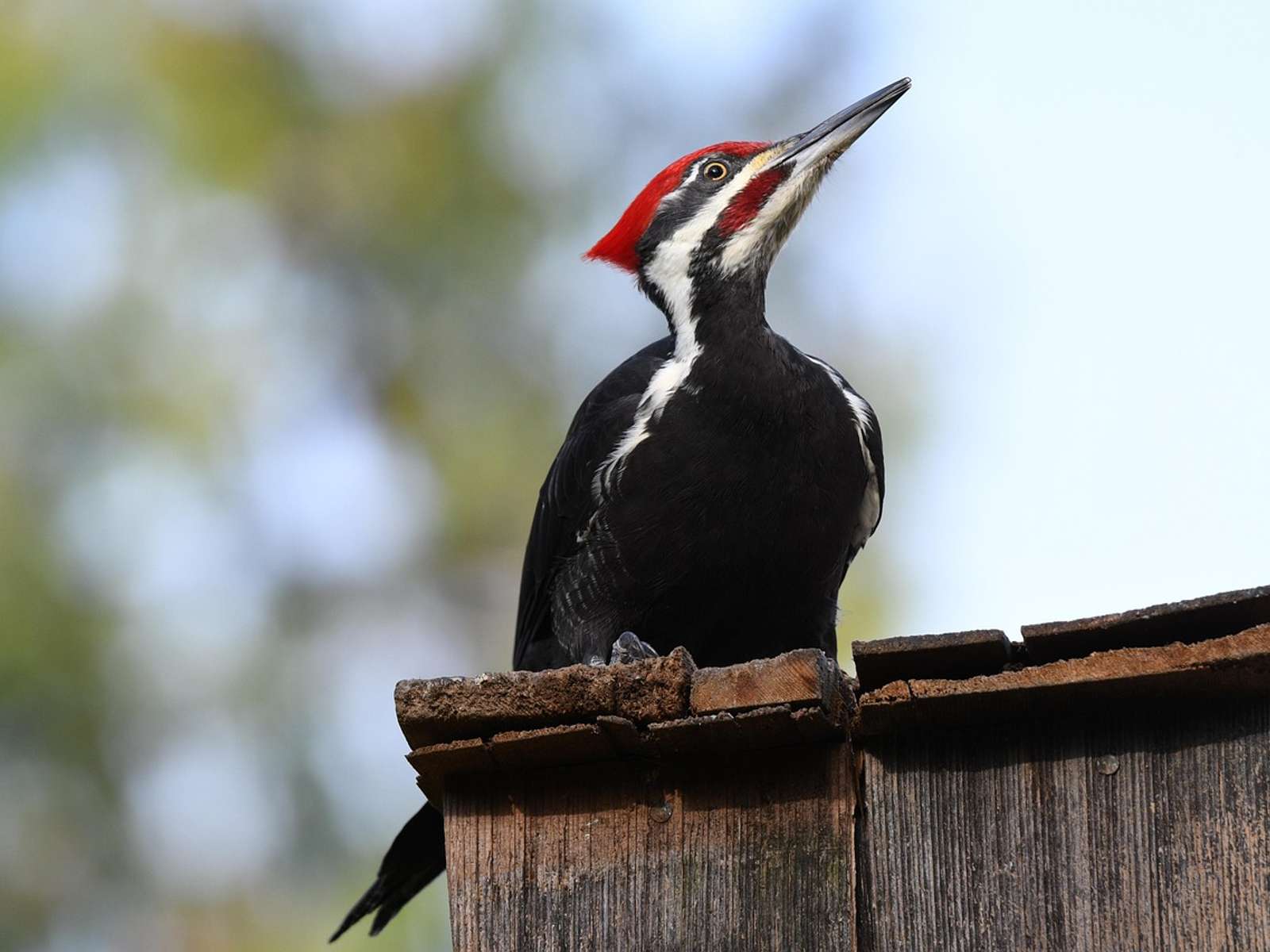
Researchers built an open 3D model of the imperial woodpecker, the largest woodpecker on record, unseen in the wild since 1956. It is based on a museum specimen photographed 288 times and the only film of the living bird, and anyone can download it.
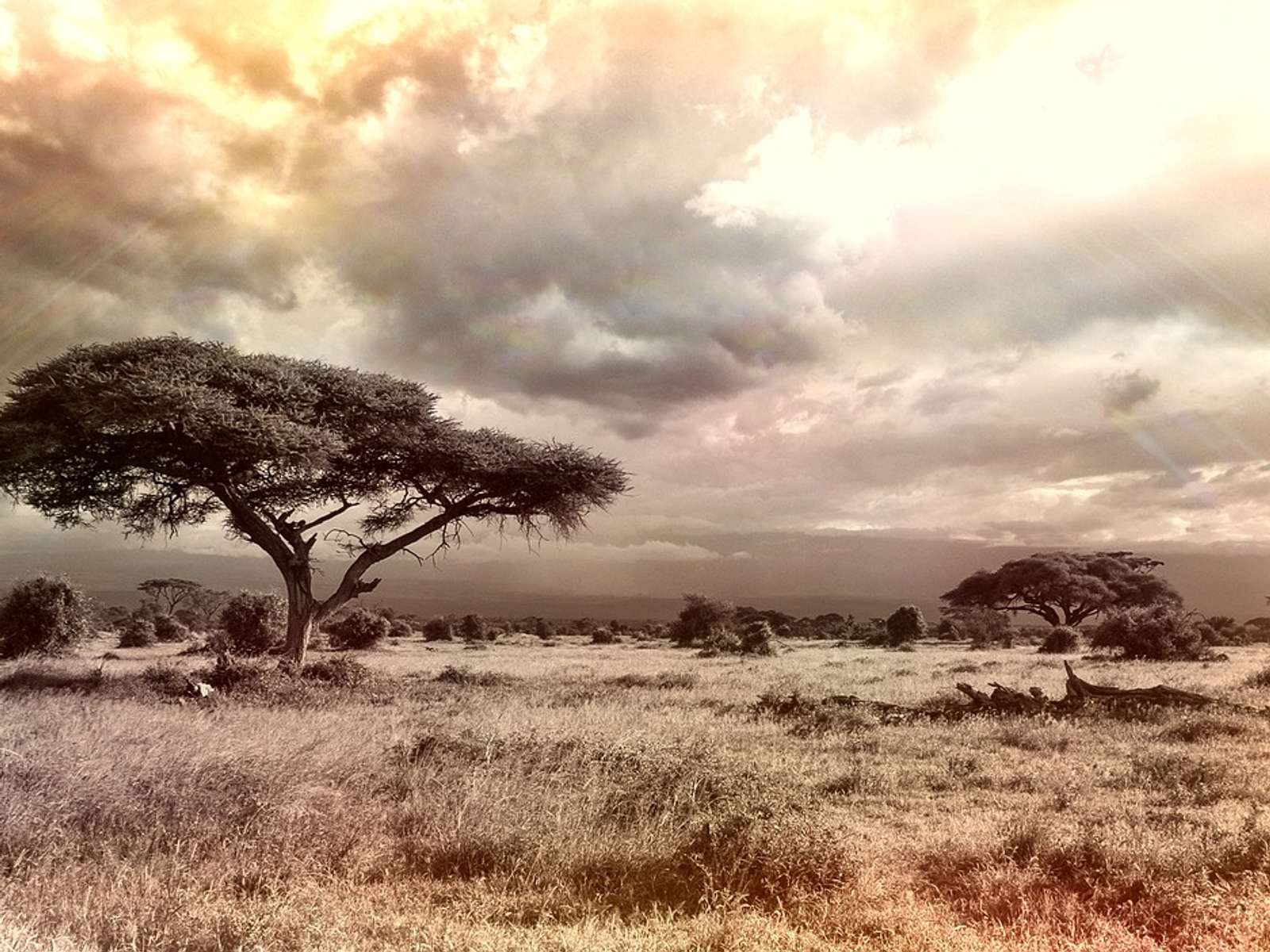
Official data put conservation areas at 18.5% of the world's land. A Nature study led from the University of Kent estimates the real figure at 26.81%, close to the 30% goal for 2030, but warns that the extra land fills few gaps in nature protection.
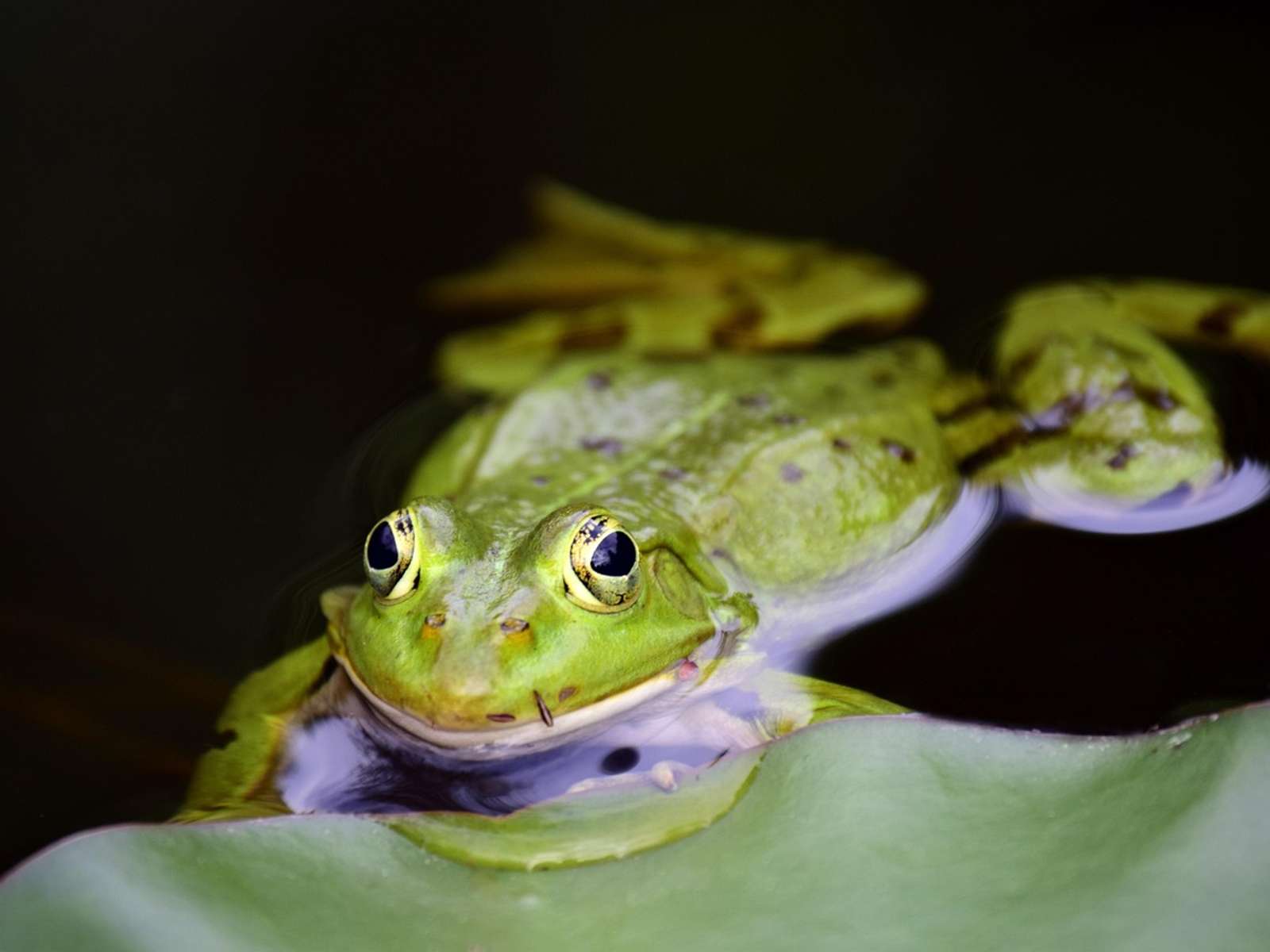
Museum specimens show the chytrid fungus arrived at Brazil's Boracéia station just as frogs vanished in 1979-1982. Today most species there appear to have recovered, Smithsonian and Penn State researchers report, though five have not been found.
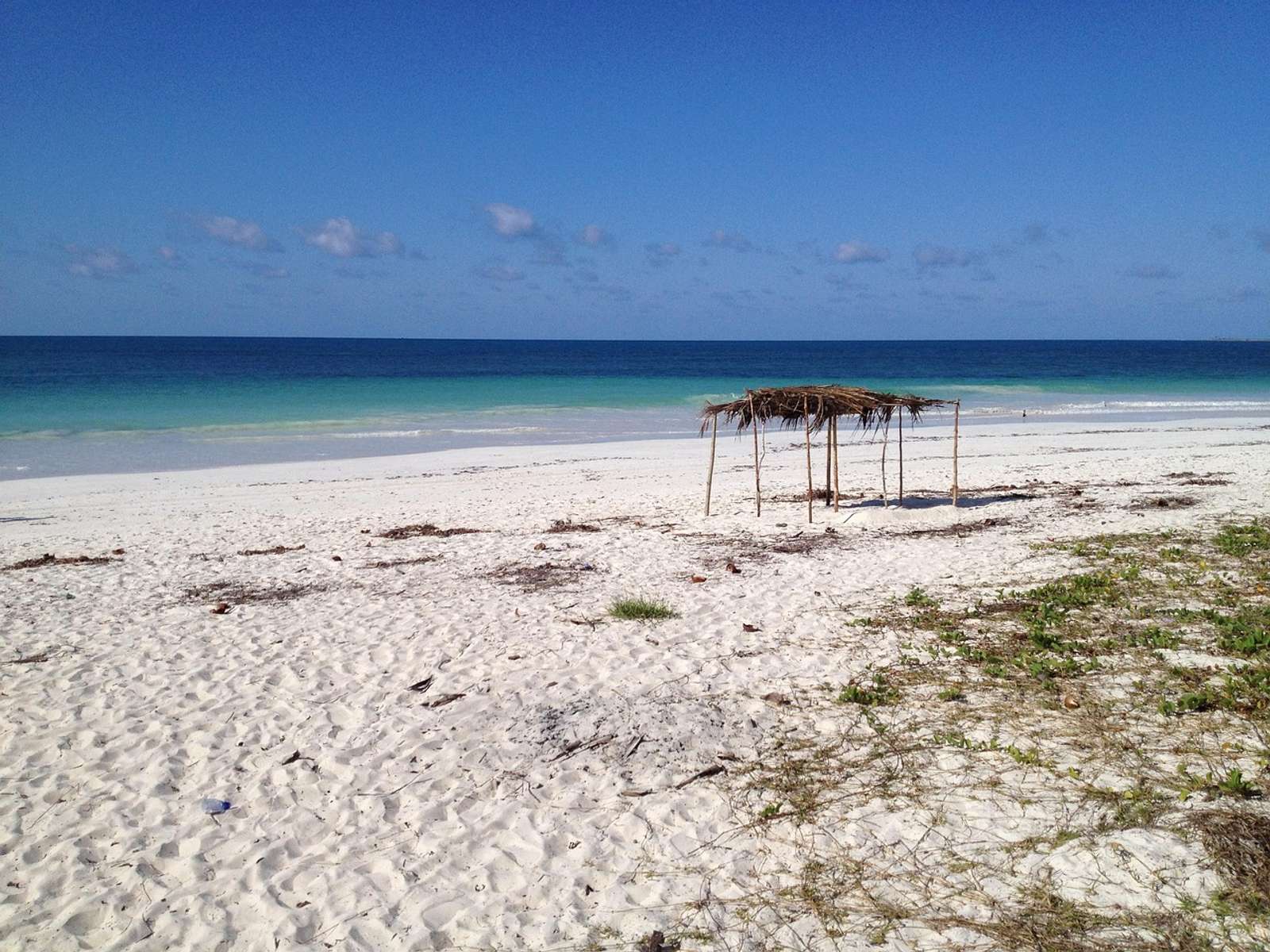
Scientists in Mozambique's Bazaruto Archipelago have described shallow reefs made of peat from coastal forests that drowned 300 to 5,000 years ago. With no living coral, they host seagrass, lobsters and 26 to 36 small fish species each.

Students and staff at Curtin University's Perth, Singapore and Malaysia campuses sampled air, water and surfaces for environmental DNA and identified 572 species, from a small-clawed otter to an escaped pet iguana.
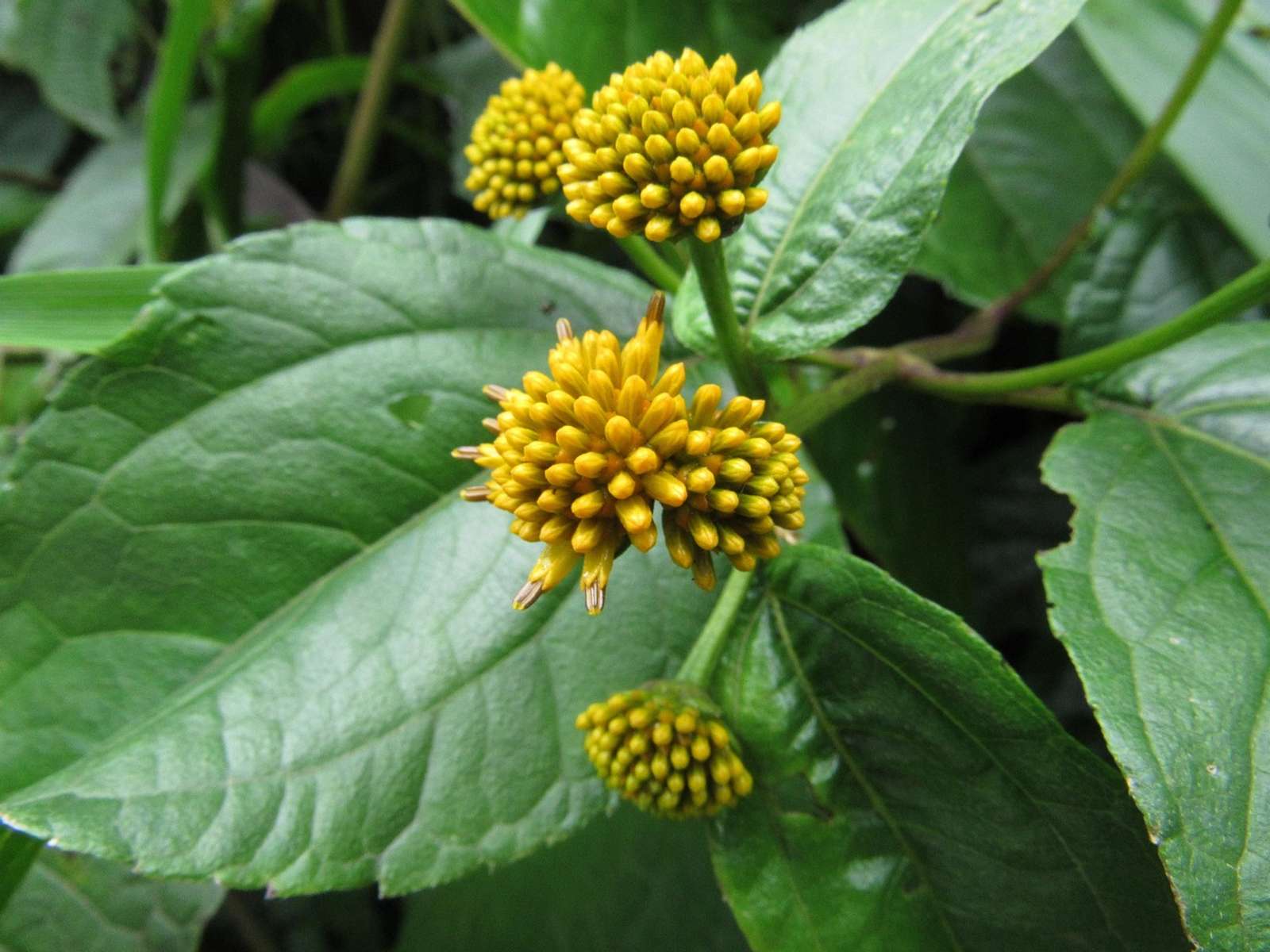
Botanists have described two new species of Monopyle, a relative of the African violet, from forest fragments on Ecuador's Centinela ridge. One grows nowhere else and is assessed as Endangered.
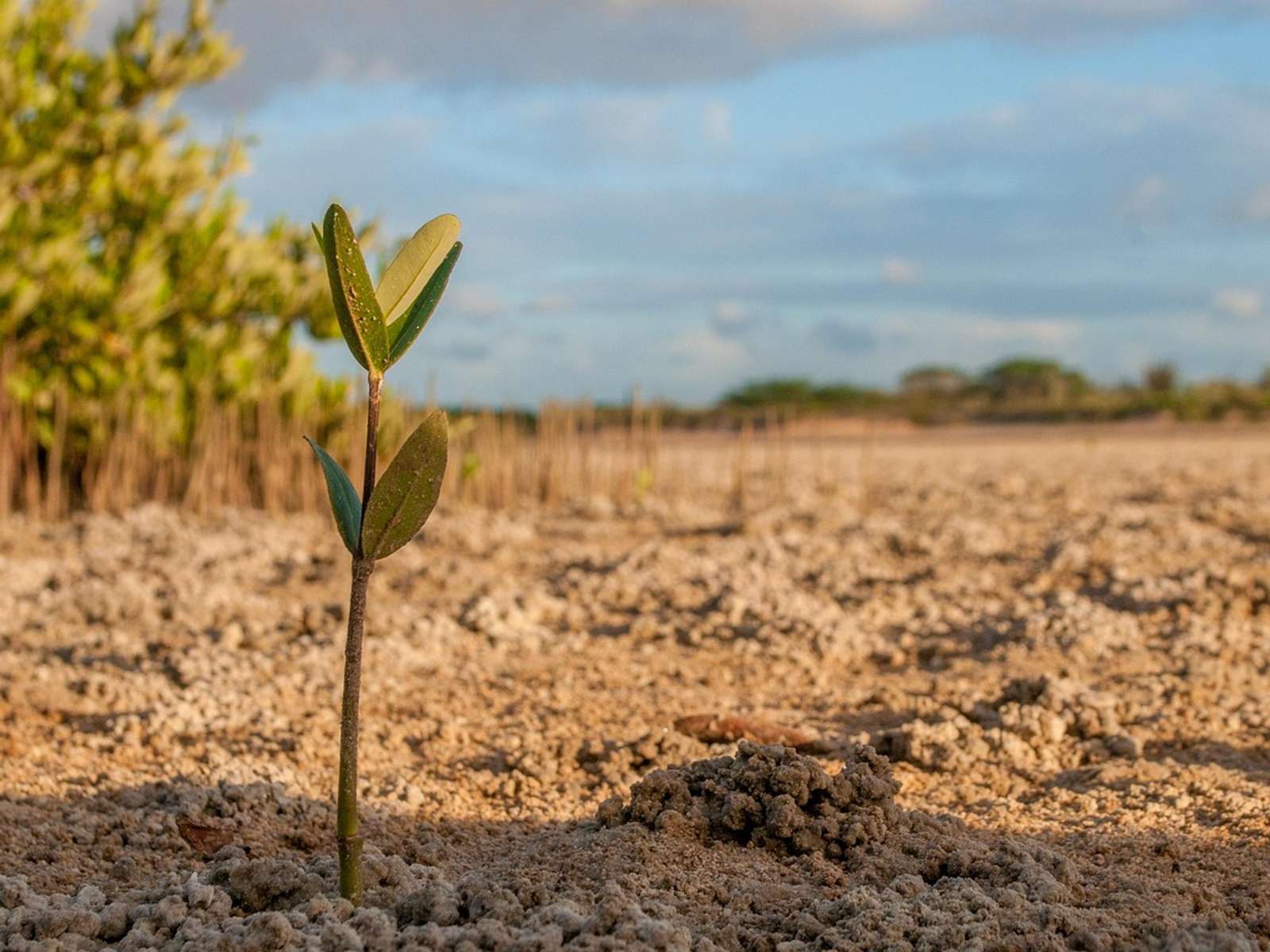
A youth-led network and local fishers have restored more than 15 hectares of degraded mangroves at Nyumba Sita in Kenya's Kwale County. They now aim for 200 hectares by 2030.
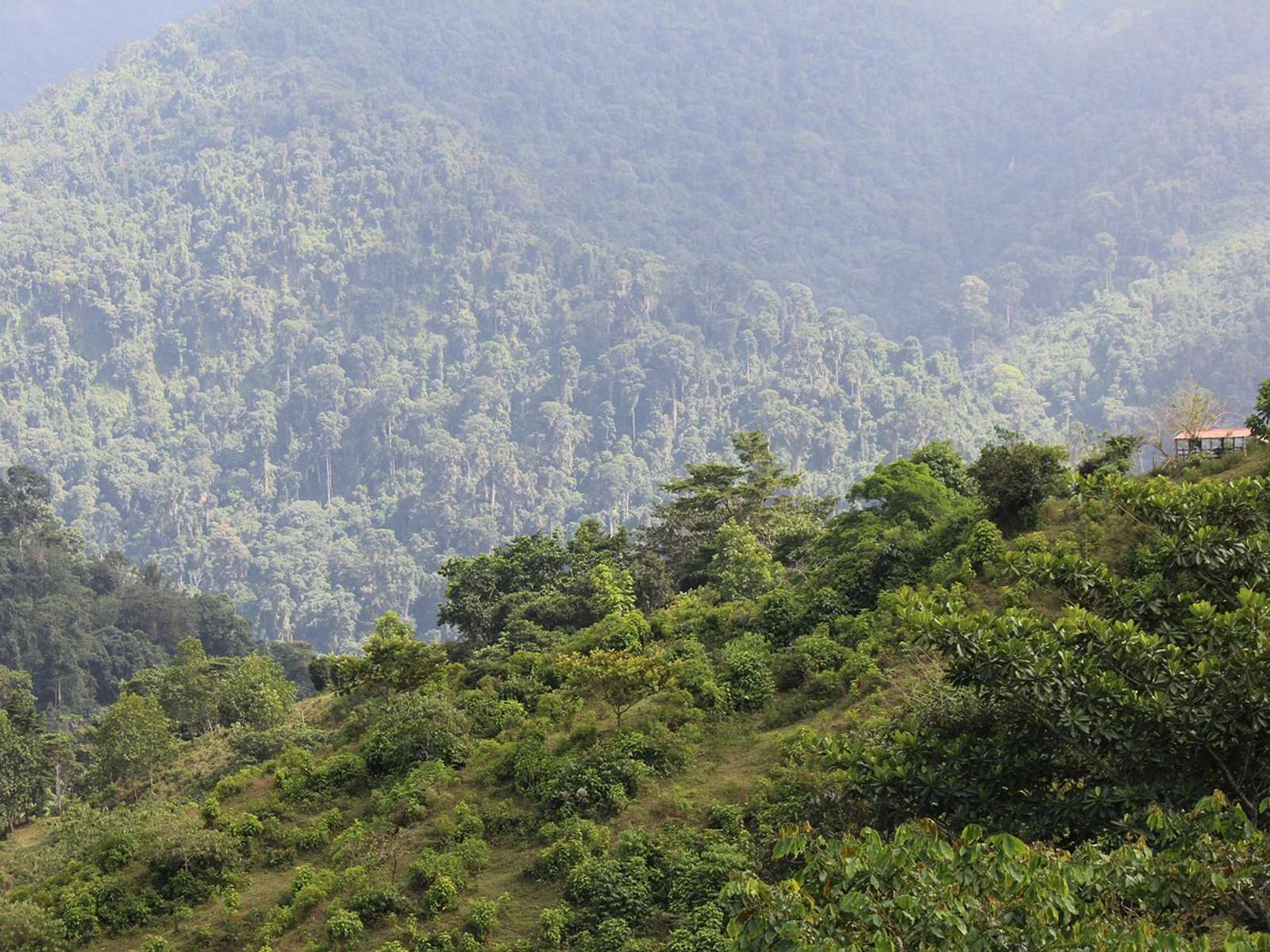
The HALO Trust will clear landmines from almost 18,000 hectares in Colombia's Meta region so two Indigenous communities can return to and guard their land. The three-year project costs about $1 million.
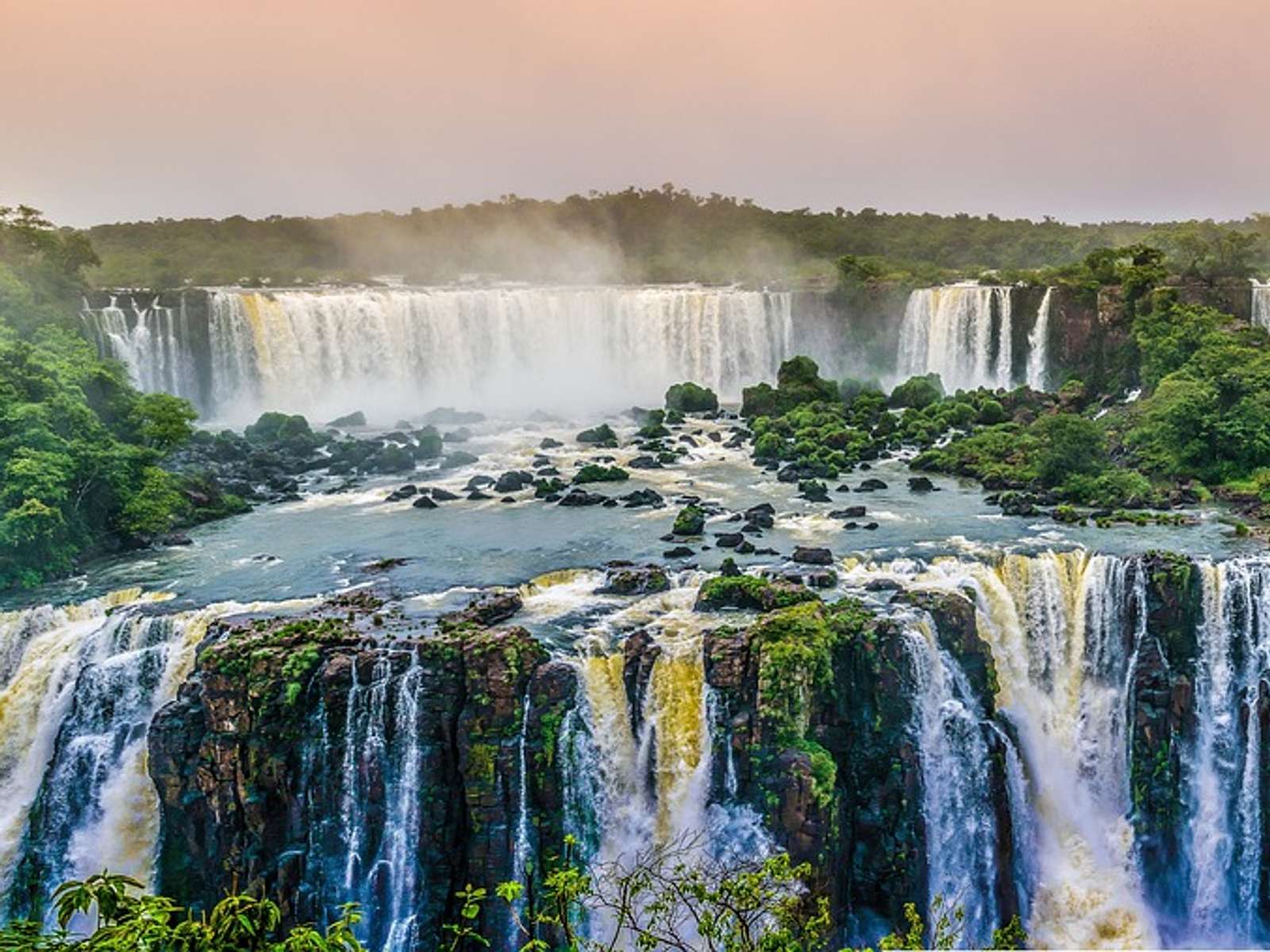
Ywy Ipuranguete, a $9 million project funded by the Global Biodiversity Framework Fund, supports Indigenous communities in managing 15 Indigenous lands covering about 6 million hectares across five Brazilian biomes.
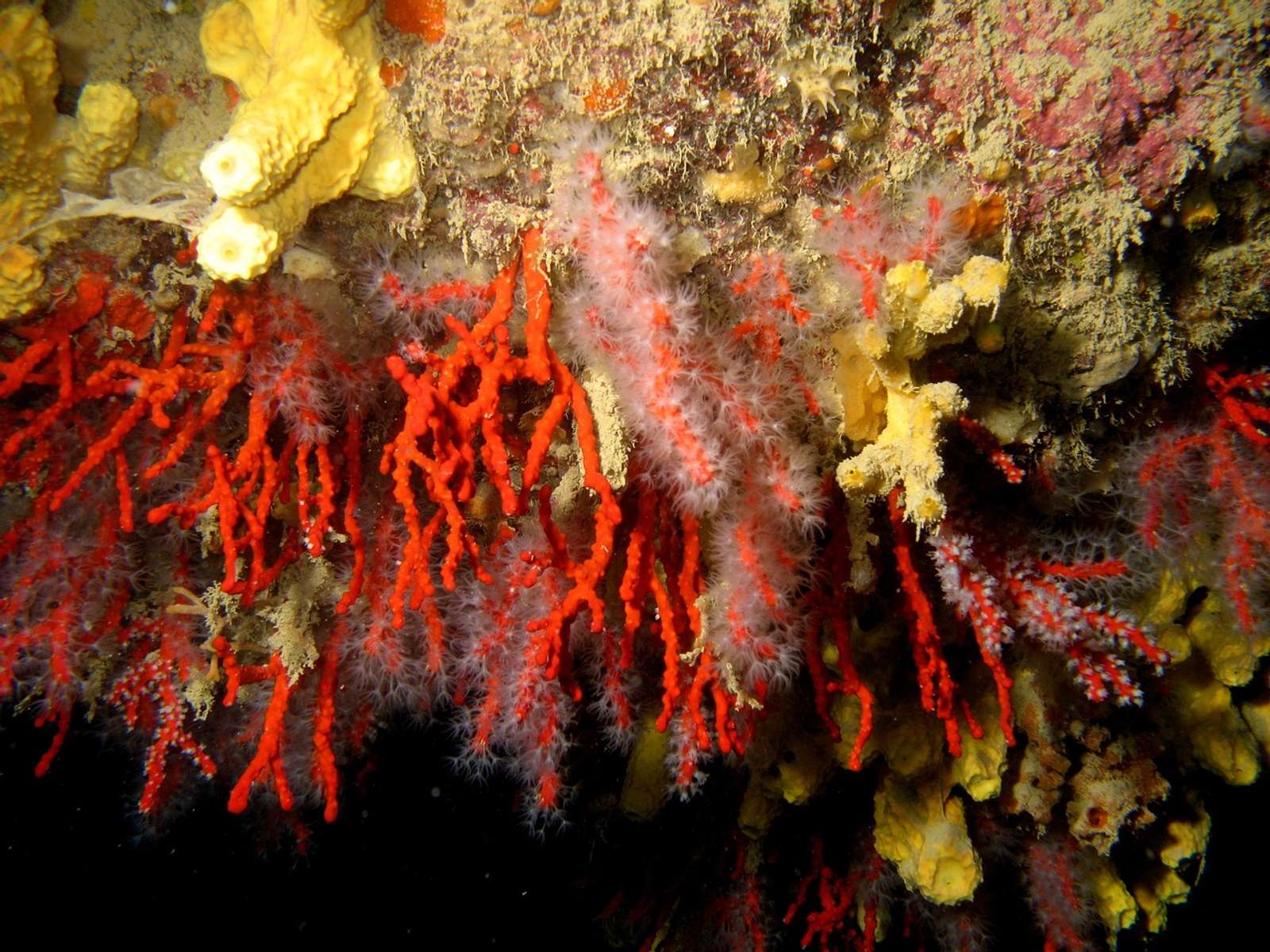
Scientists have described Laurinque elenya, a bright yellow deep-sea coral from seamounts off Costa Rica, and placed it in a new family, Laurinqueidae, named with an Elvish word from The Lord of the Rings.
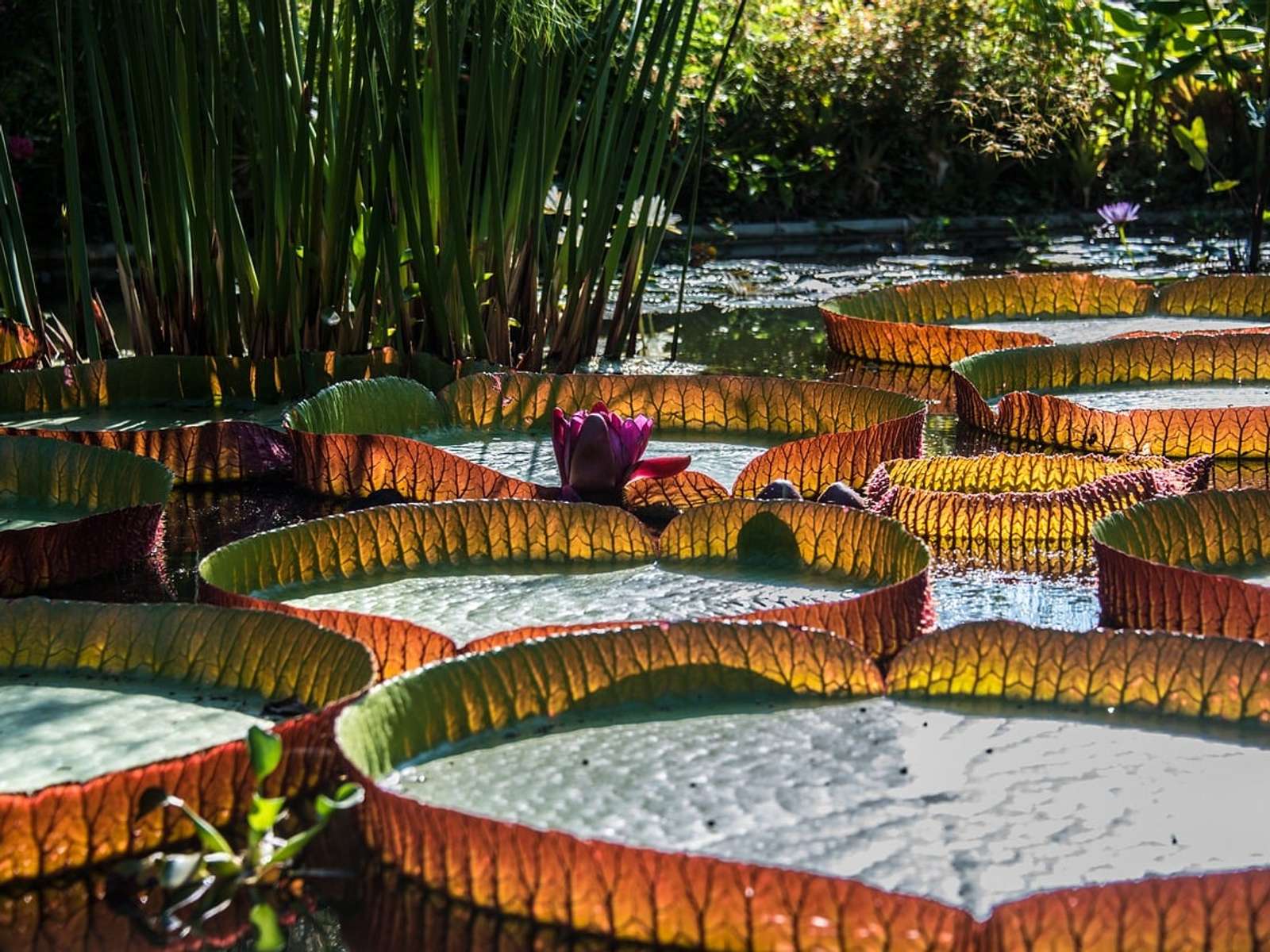
Kew horticulturist Carlos Magdalena spotted an unfamiliar giant waterlily in an Instagram photo from Colombia. Five years later it has been named Victoria colombiana, and only 30 to 50 plants are thought to survive.
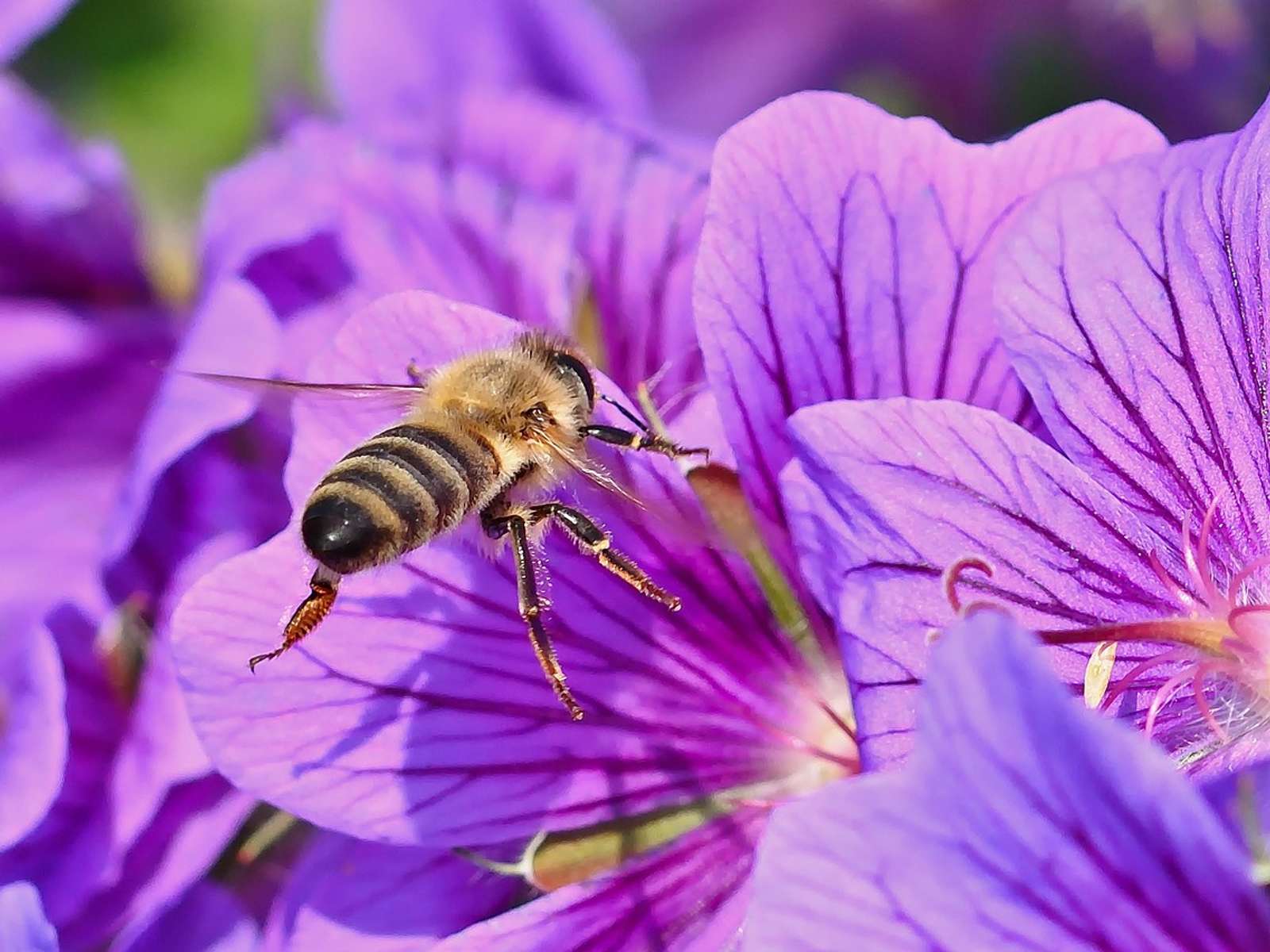
A team led by Penn State researchers documented 738 bee species in Colombia, including 246 never recorded there before, in the first annotated checklist of its kind for any country in the Western Hemisphere.
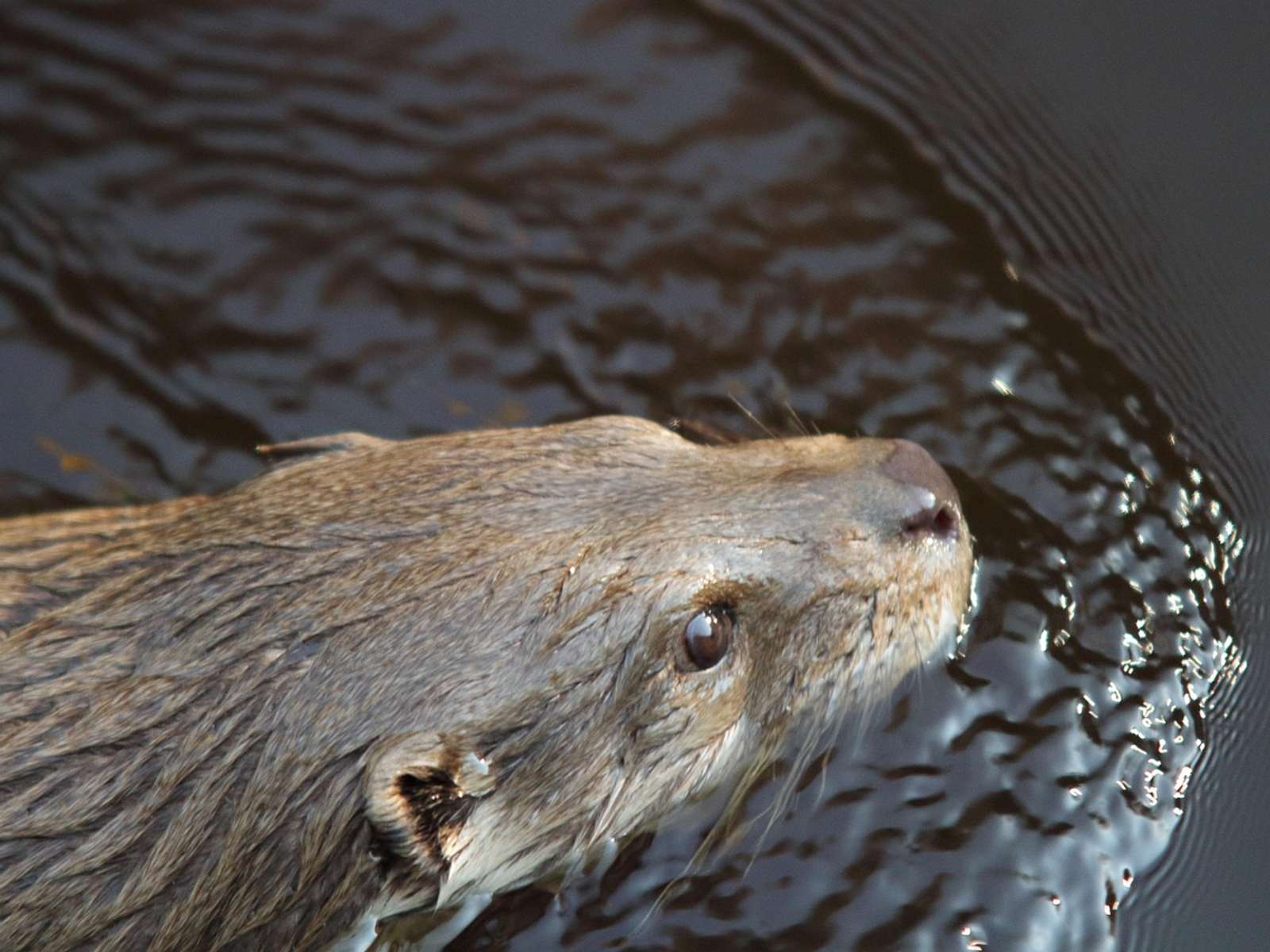
The new Agua Dulce Municipal Wildlife Reserve in Baures, Bolivia, protects nearly 715,000 acres of habitat for jaguars, Amazon river dolphins, giant otters and hundreds of bird species.
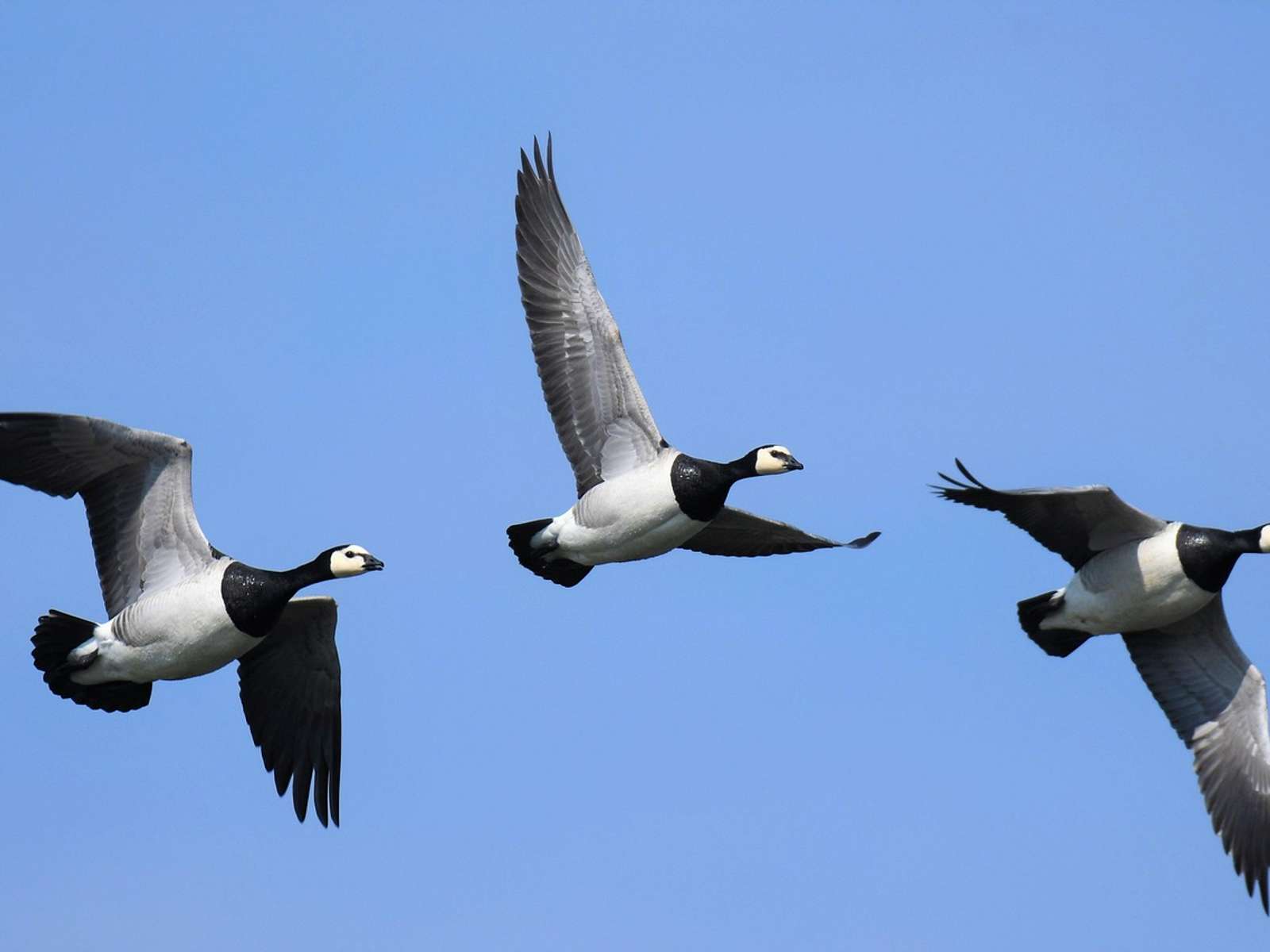
Over one October weekend, more than 23,000 people at 927 events across Europe and Central Asia counted 4.8 million birds on autumn migration, with barnacle geese the most counted species.
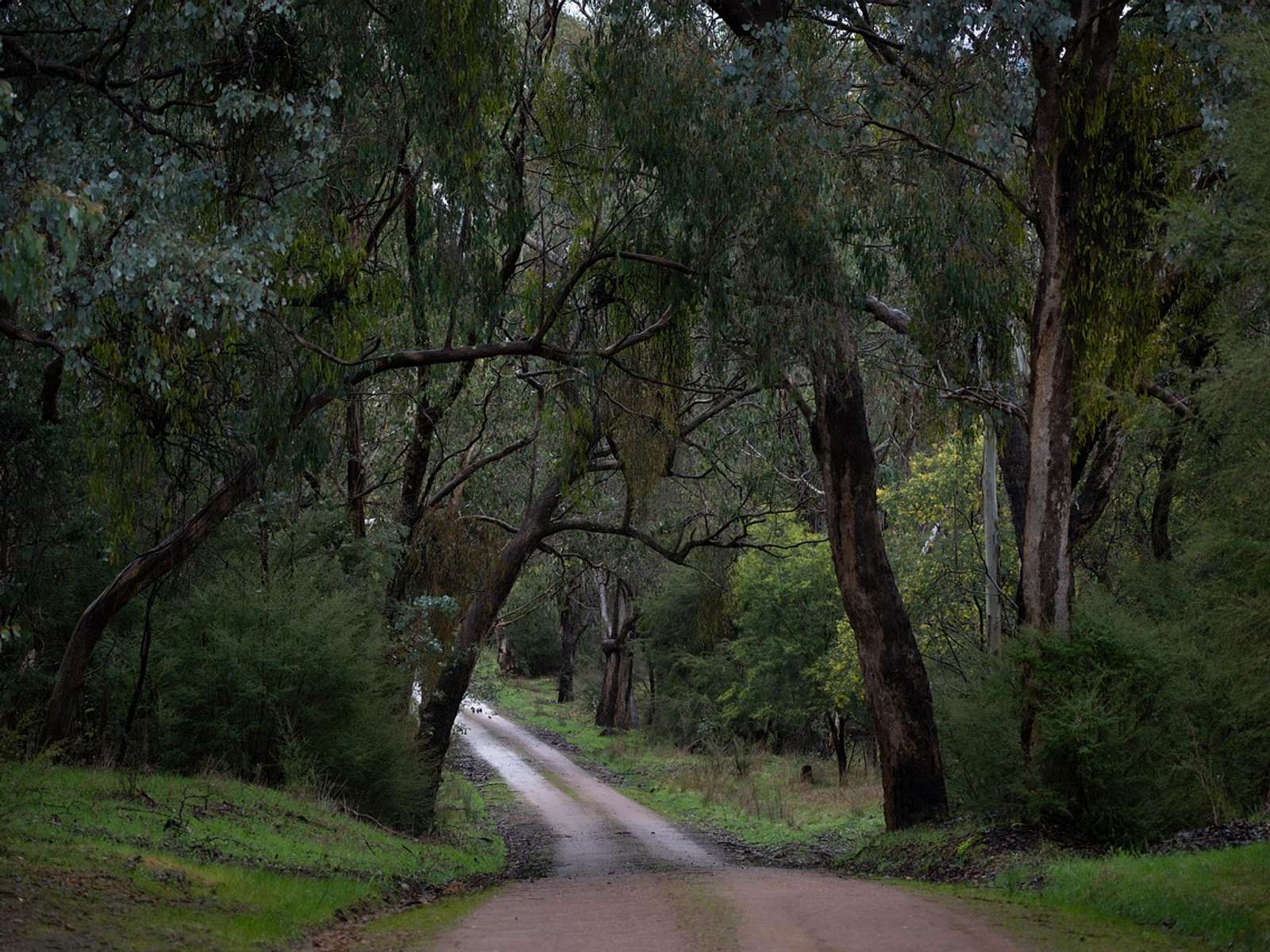
Thirty years after a Victorian logging trial was abandoned, University of Melbourne researchers found heavily thinned mountain ash stands had grown trees 20% wider than untouched forest and had recovered all the carbon removed.
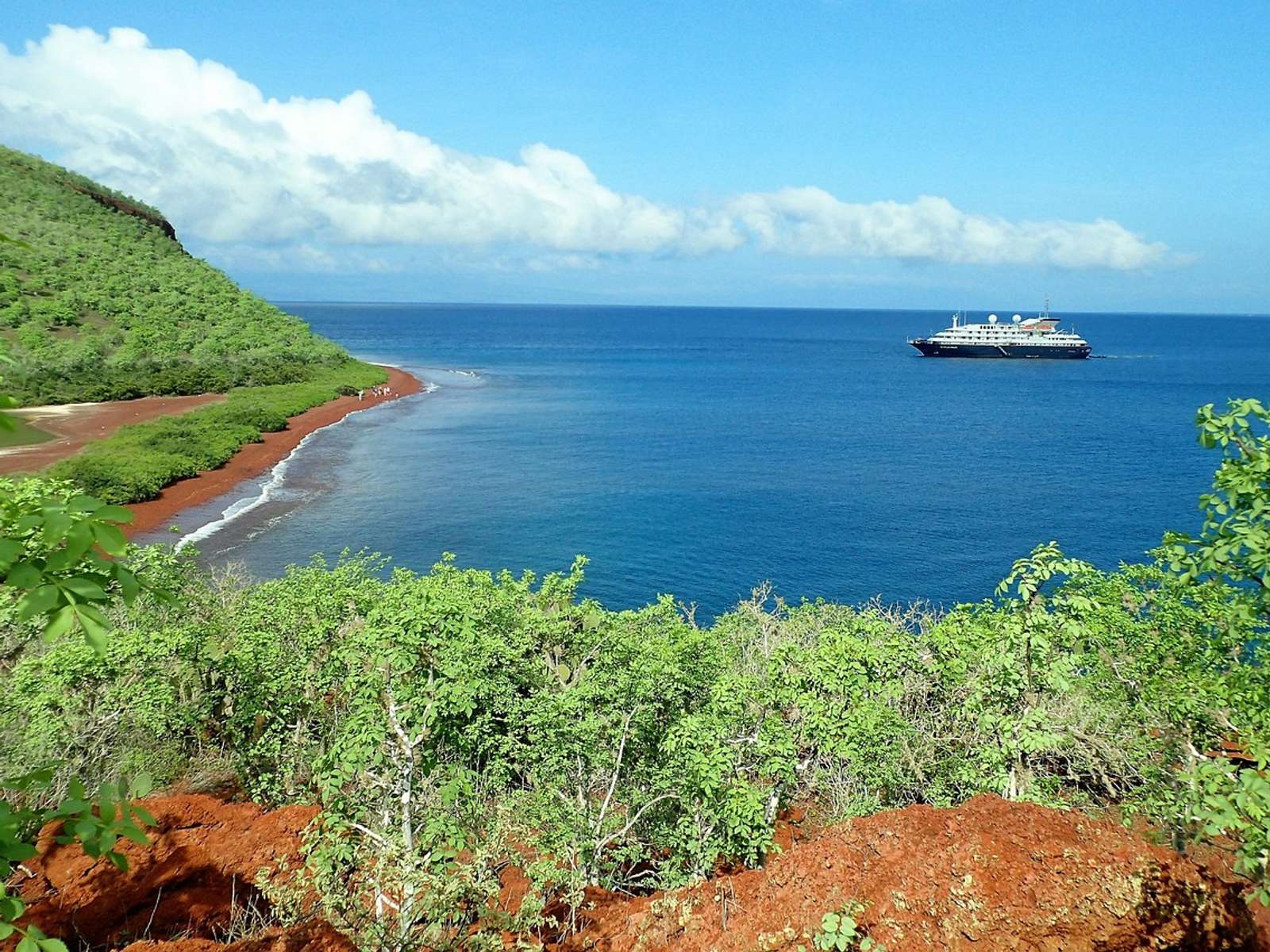
A critically endangered Galápagos plant has made a remarkable comeback, growing from just six known survivors into a recovering wild population after decades of dedicated conservation work.
About this topic
Around 1 million animal and plant species are threatened with extinction, according to the global assessment by IPBES, the UN-backed science panel on biodiversity. It found that three-quarters of the land and about 66% of the marine environment have been significantly altered by people, with changes in land and sea use, direct exploitation, climate change, pollution and invasive species as the main drivers.
The stories on this page are about pushing back against those numbers. Some are discoveries: Colombia's first full bee checklist recorded 738 species, 246 of them new to the country, and students and staff at Curtin University found 572 species on their campuses from DNA traces in air and water. Others are about protection: Brazil's Amazon deforestation fell to 3,335 square kilometers in 2025/26, the lowest since records began in 1988, and a $9 million Indigenous-led project supports the management of 6 million hectares across Brazil.
Describing a new species or protecting a forest is a start, not a finish. We report what the responsible organization measured, say whether a figure is a target or a result, and note when a study covers one site or one season.
Each story links to the organization or research team behind it, so you can follow the work further.