London Zoo breeds Afia Birago's puddle frog for the first time, a Ghanaian species found in only two pools
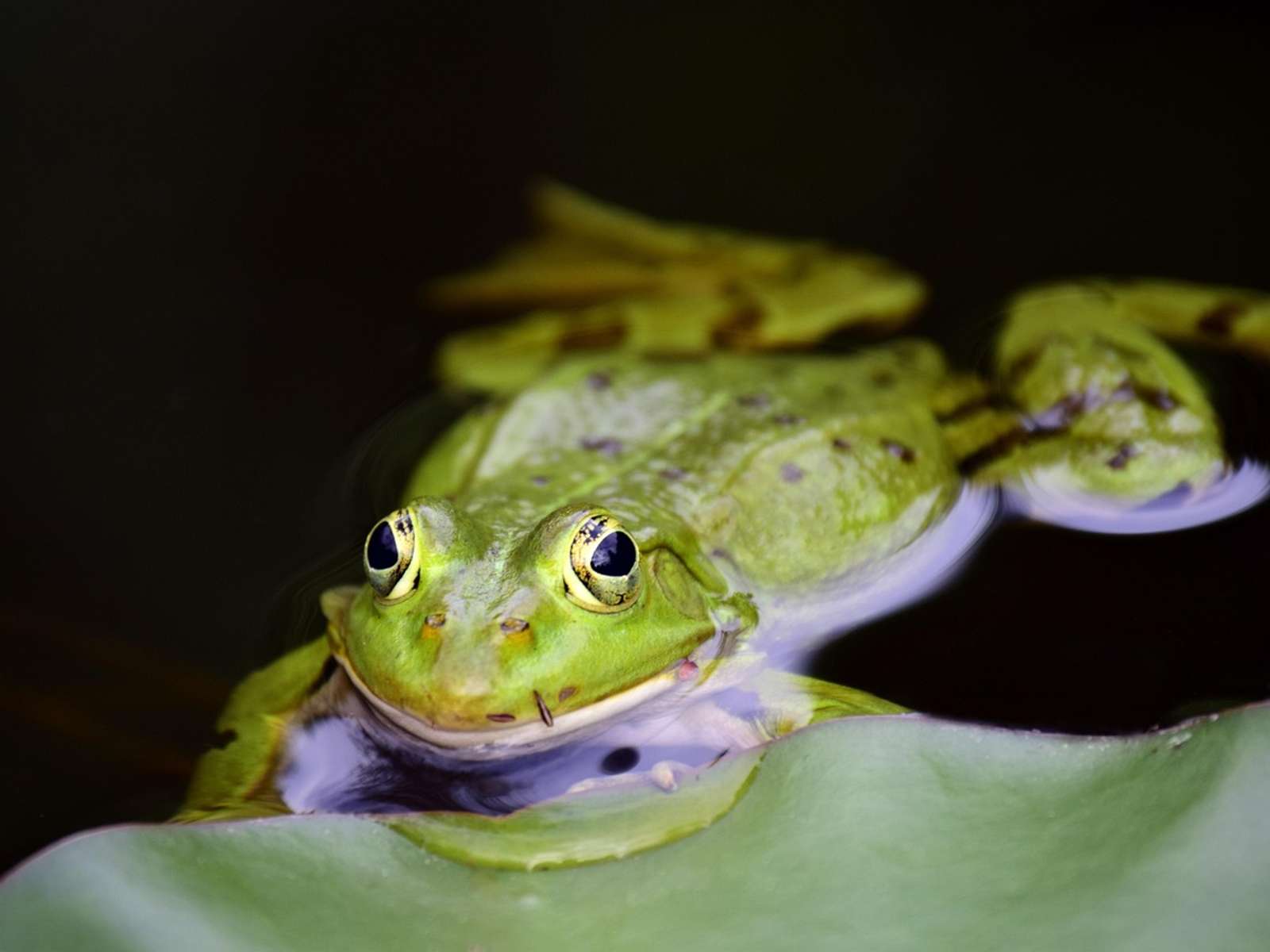
Fifteen Afia Birago's puddle frogs, a Critically Endangered species known from just two pools in Ghana's Atewa Hills, have hatched at London Zoo. They are the first of their species bred under human care anywhere.
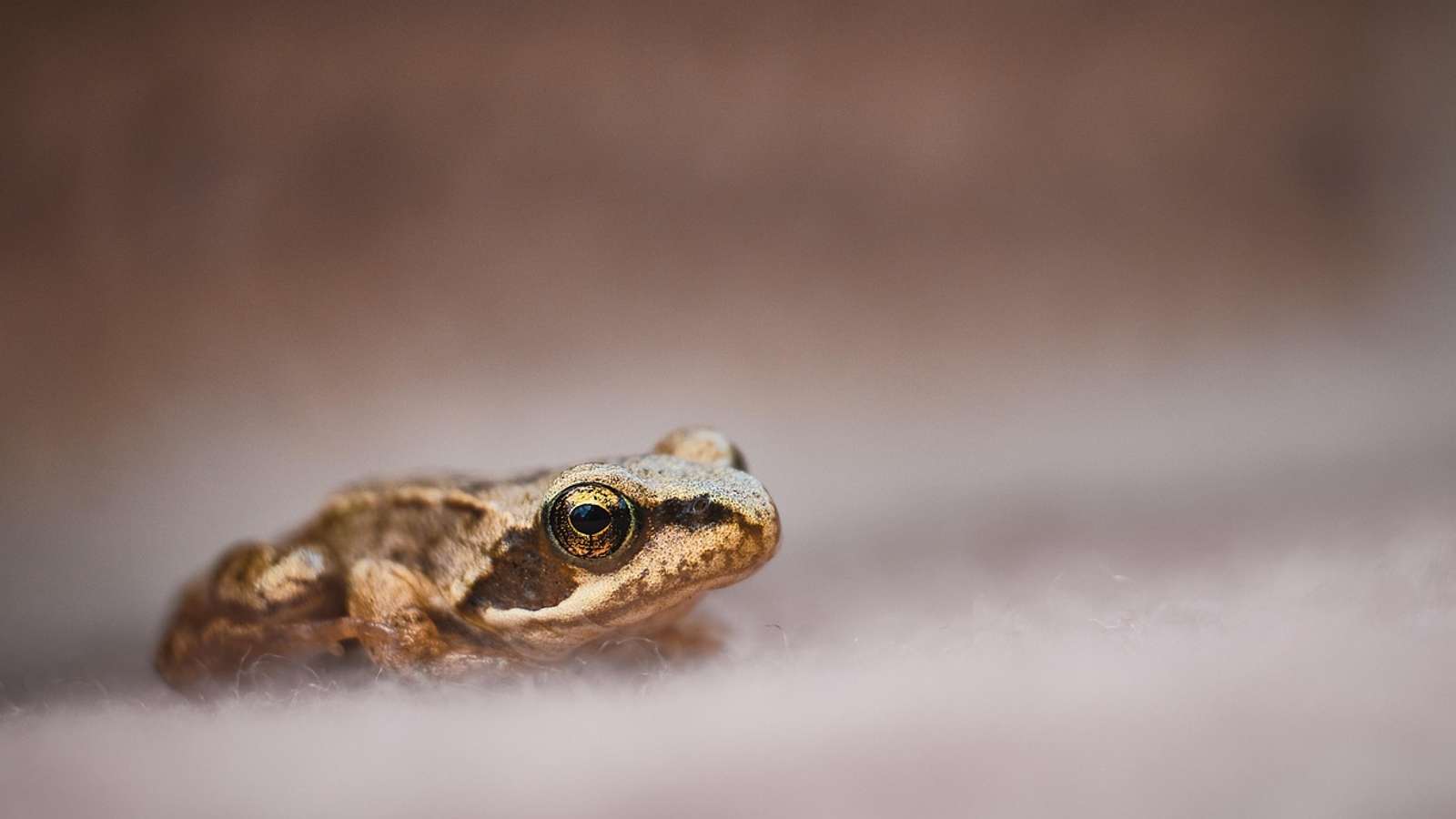
Fifteen Afia Birago's puddle frogs have hatched at London Zoo, the first of the species ever bred under human care, the Zoological Society of London (ZSL) said on 13 October. The froglets are about 5 millimeters long, no bigger than the tip of a pencil.
They come from 20 adult frogs brought to London from Ghana in 2025, in a project with Herp Conservation Ghana and the CSIR-Forestry Research Institute of Ghana.
A frog that lives in two pools, both threatened by mining
Afia Birago's puddle frog (Phrynobatrachus afiabirago) was described as a new species only eight years ago. Since then, surveys have found it in just two perennial pools in the Atewa Hills Forest Reserve in Ghana, and nowhere else on Earth. Mining is destroying that habitat, ZSL said, and the species is listed as Critically Endangered.
In September 2025, with the frog at imminent risk of extinction, the partners drew up an action plan. Because Ghana had limited experience in amphibian care and specialist equipment was hard to source locally, they decided to move 20 adults to London Zoo, where keepers could learn how to keep and breed the species while there was still time.
“I named this frog after my mother so that her legacy would live on.” — Caleb Ofori-Boateng, ZSL EDGE Regional Project Manager, who helped describe the species
Breeding know-how is going back to Ghana
“When the adult frogs arrived in London last year, almost nothing was known about them,” said ZSL amphibian keeper Unnar Aevarsson. Before the transfer, he traveled to Ghana to help set up a conservation breeding facility in Kumasi, the first dedicated to amphibian conservation in West Africa. What the London team learns is being shared with the CSIR-Forestry Research Institute's breeding center there.
Meanwhile, Anthony Churcher of Herp Conservation Ghana, a ZSL EDGE Fellow, is surveying private land around the Atewa Hills reserve for habitat that could take future releases of frogs bred in Ghana. Dr Kwame Antwi Oduro, director of the institute, said the collaboration is building the skills and facilities Ghana needs to protect its own threatened wildlife.
Amphibians are the most threatened group of vertebrates
The project is part of a wider rescue effort. Nearly 41% of the world's amphibian species are at risk of extinction, according to the Second Global Amphibian Assessment published on the IUCN Red List in 2023, IUCN said. That makes amphibians the most threatened class of vertebrates.
Disease is another threat to frogs. In Brazil, researchers recently found that most frogs at a forest station have recovered from a 1980s fungal die-off, a rare sign that some species can bounce back.
The goal now, ZSL said, is for its partners to establish sustainable conservation populations in Ghana that can support the species' recovery in the wild. No date has been set for the first releases. Visitors can see the frogs at London Zoo's Secret Life of Reptiles and Amphibians.
Sources
- ZSL London Zoo · londonzoo.org
- iucn.org
How we choose and verify sources: editorial policy.