A labrador that sniffs out invasive "sea vomit" is IFAW's Animal of the Year
Sgiath, a Scottish labrador trained to detect the invasive carpet sea squirt by scent, won Animal of the Year at IFAW's Animal Action Awards 2026 in London, alongside six people honored for work on anteaters, lions, sharks, wildlife crime and rescue.
By Diego Callegari, Editor
· United Kingdom · 2 min read
Source: IFAW (International Fund for Animal Welfare) ↗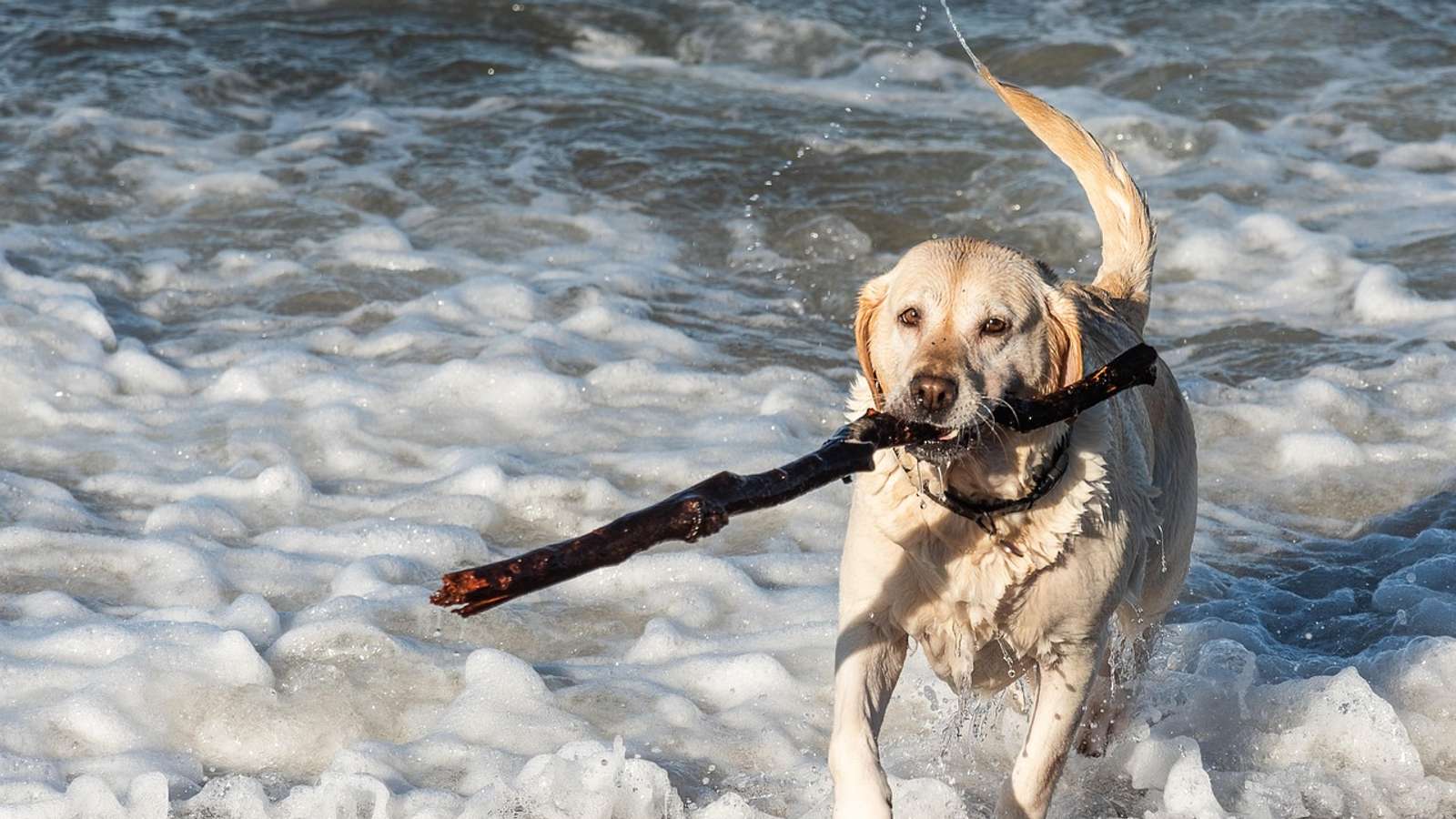
A Scottish labrador named Sgiath, trained to find an invasive marine species by scent, was named Animal of the Year at the International Fund for Animal Welfare's Animal Action Awards 2026, IFAW said on 16 October. The ceremony was held on 15 October at BAFTA in London and hosted by wildlife presenter Michaela Strachan.
From mountain rescue to marine detective
Sgiath started out as a mountain rescue search dog. With her handler, marine ecologist Dr Texa Sim, she now supports research in UK waters, and may be the first dog trained to detect Didemnum vexillum, a colonial sea squirt nicknamed “sea vomit,” by its smell.
The species is native to Japan and forms leathery mats that can overgrow other sea life, including shellfish raised in aquaculture, according to the Marine Life Information Network, which lists it as an alert invasive species. Finding it early, before it spreads, is the best chance of controlling it.
In Britain, it was first detected in Holyhead, Wales, in 2008, although there is evidence it was in Devon from 2005, according to a risk assessment for the GB Non-Native Species Secretariat. It spreads on boat hulls and contaminated marina equipment, and the main concern in Britain is its potential impact on aquaculture. Because it is hard to identify, its spread is poorly understood, the assessment says.
Six people honored for work from Brazil to Zambia
Six conservationists were also recognized. Flávia Miranda, a Brazilian biologist who founded Instituto Tamanduá, won Conservation Changemaker for more than two decades protecting anteaters, armadillos and sloths; she has described six new anteater species. Liomba-Junior Mathe from Zimbabwe won Conservation Coexistence for reducing conflict between people and lions around Hwange National Park through the Long Shields Lion Guardian Programme.
Dr Rima Jabado won the marine award for more than 15 years of work on sharks and rays. Chief Inspector Kevin Lacks-Kelly, head of the UK National Wildlife Crime Unit, won the wildlife crime award. Rachael Murton, who founded the Elephant Orphanage Project in Zambia in 2008, won Wildlife Rescue, and Dr Mukami Ruoro-Oundo of the Kenya Wildlife Service, who helped develop pangolin treatment protocols, was named Wildlife Vet of the Year.
“Their tireless work demonstrates that harmony is possible, and that people and animals can indeed thrive together.” — Azzedine Downes, President and CEO of IFAW
Rescue and crime work behind the headlines
Several of the winners work on problems that rarely make the news until an animal is saved. Wildlife trafficking cases such as the gorilla Bili, seized at Lagos airport and later flown home to Congo, depend on the kind of enforcement and veterinary care these awards recognize. IFAW did not say whether the awards come with funding for the winners' projects.
Sources
How we choose and verify sources: editorial policy.