New EU-backed project will release 40 Egyptian vultures and protect their route to Africa
LIFE EV Safe Return, led by BirdLife Bulgaria with 15 partners, plans to release at least 40 Egyptian vultures in Bulgaria and Greece and tackle poisoning, poaching and electrocution along their 5,000 km migration.
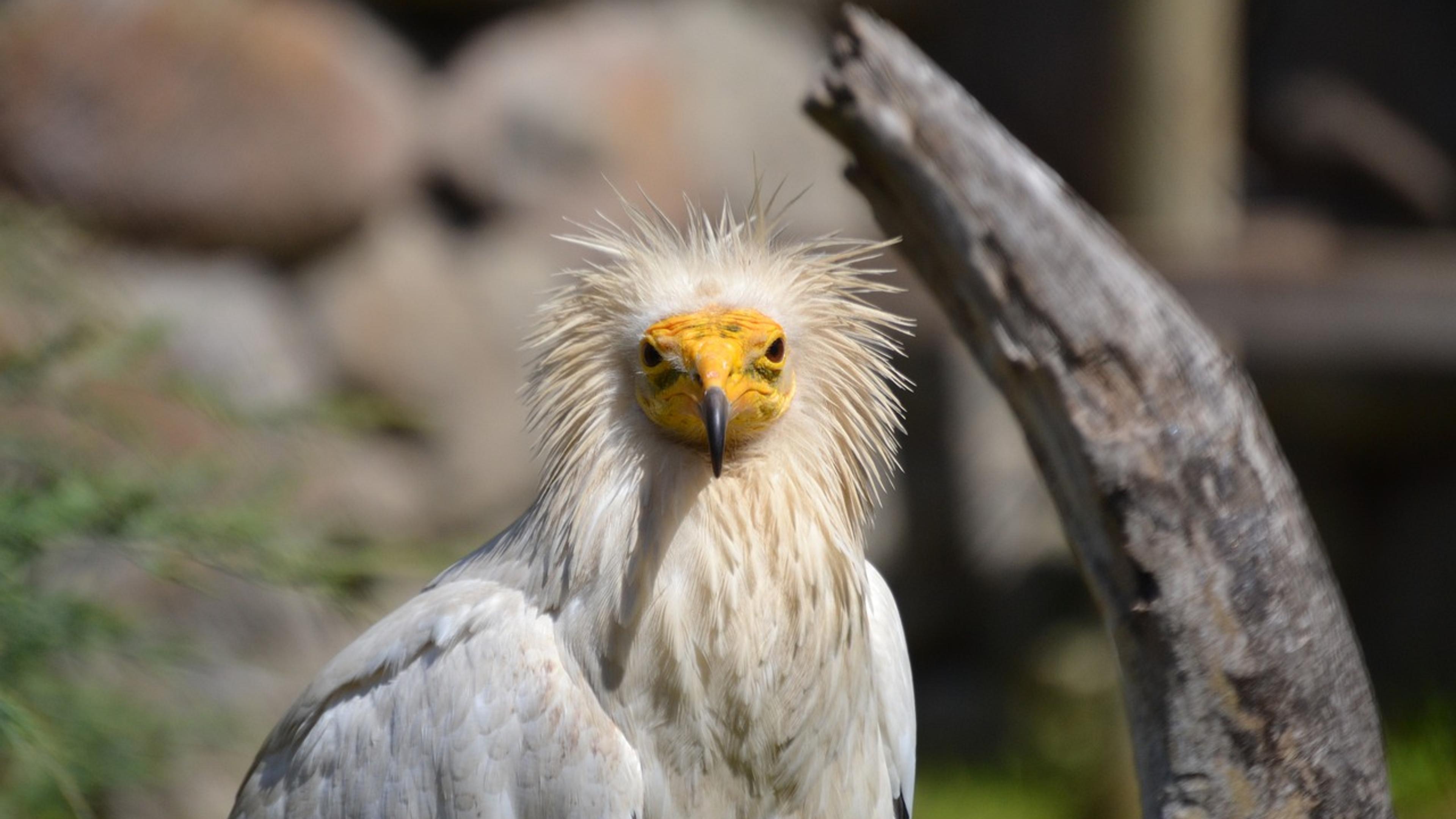
A new international project will release at least 40 Egyptian vultures into the wild in Bulgaria and Greece and work to make their 5,000-kilometre migration to Africa safer, the Bulgarian Society for the Protection of Birds (BirdLife Bulgaria) announced on World Migratory Bird Day, 10 October. LIFE EV Safe Return is co-funded by the EU's LIFE programme and runs until 2031.
About 50 pairs remain in the Balkans
Once widespread across the Balkans, the Egyptian vulture has vanished as a breeding bird from several countries in the region. Only around 50 breeding pairs remain, in Bulgaria, Greece, North Macedonia and Albania. After more than three decades of decline, the population has shown signs of stabilising, and numbers in Bulgaria have begun to rise.
Each autumn the vultures fly more than 5,000 kilometres to Africa. Along the way they face poisoned baits, poaching and electrocution on unsafe power poles, and in parts of Africa they are killed for use in practices linked to traditional beliefs.
“The first signs of recovery show that our efforts are making a difference. We must now secure this progress and turn it into a lasting trend.” — Dr Volen Arkumarev, project manager, BSPB
Action from the Balkans to Chad and Ethiopia
The project brings together 15 organisations from Europe, the Middle East and Africa. It will work against poisoning, make power lines safer in Ethiopia and Greece, tackle poaching and provide safe food. For the first time in the programme, there will be targeted action in Chad, a key wintering country, and work with community leaders and traditional healers to reduce belief-based killing.
The released birds, bred in European zoos or rescued from the wild, will carry GPS transmitters so teams can track them and find mortality hotspots. Education programmes in five countries will reach more than 4,000 pupils, teachers and young conservationists.
Vultures should also benefit from Europe's coming restrictions on lead ammunition: the EU lead shot ban is now on track. The project builds on the earlier Egyptian Vulture New LIFE project, which won the LIFE Citizens' Prize in 2026.
Sources
- BSPB / BirdLife Bulgaria · bspb.org
How we choose and verify sources: editorial policy.
Like what you're reading?
Related stories
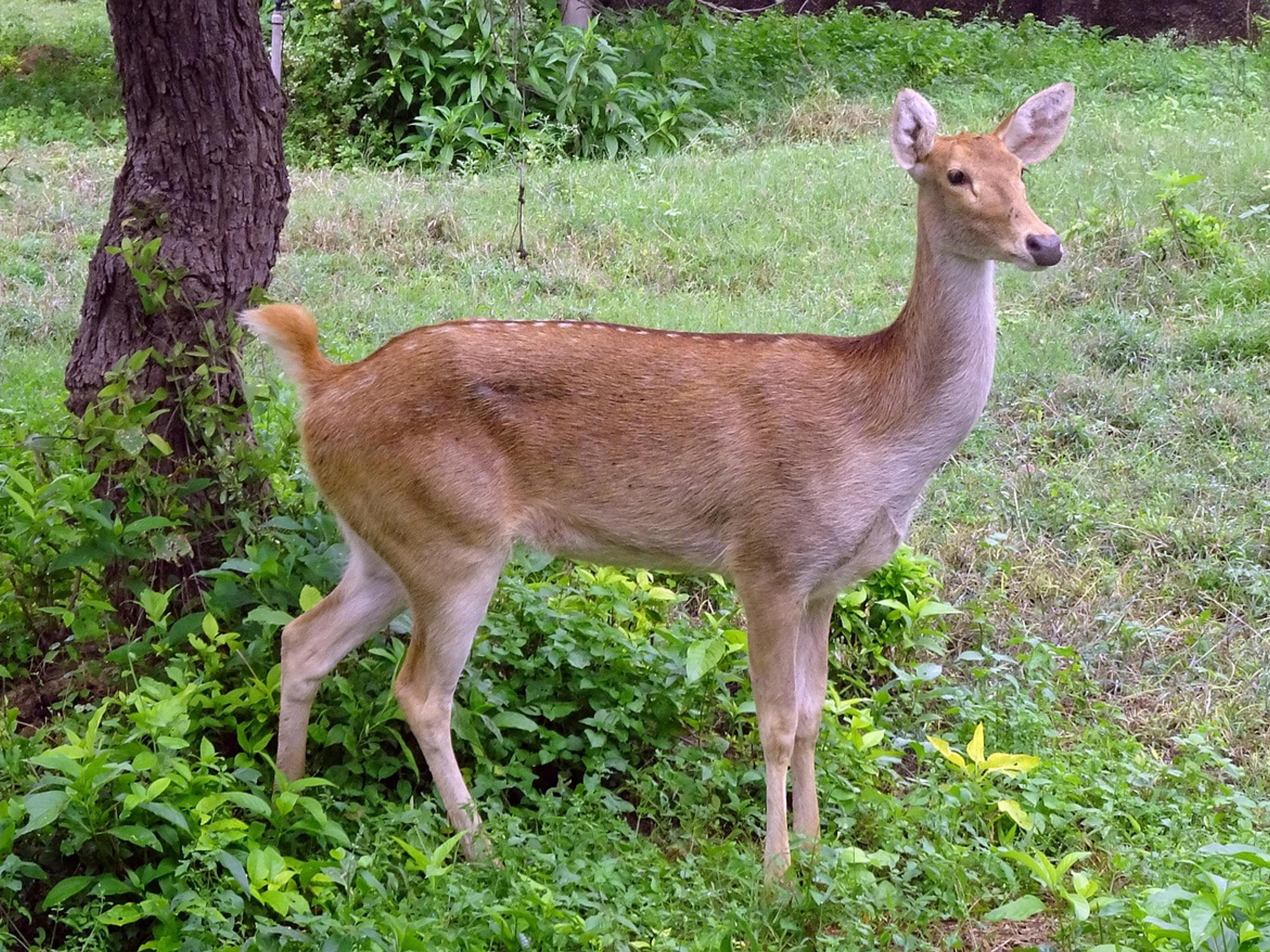
Endangered barasingha deer pass 300 in India's Satpura reserve a decade after their return
Ten years after Madhya Pradesh began moving hard-ground barasingha from Kanha to Satpura Tiger Reserve, where the deer had died out, the population has grown to about 303, with corridors now planned.

DNA from droppings shows endangered greater gliders eat a wider menu than thought
University of the Sunshine Coast researchers used DNA from greater glider droppings to identify 17 plant species in their diet, including non-eucalypts such as acacia and casuarina.
Canopy bridges in a Brazilian Amazon town recorded nearly 15,000 wildlife crossings
In Alta Floresta, Brazil, rope canopy bridges over city roads recorded nearly 15,000 animal crossings in 15 months, and eight more bridges have been added, bringing the total to 15.