Canopy bridges in a Brazilian Amazon town recorded nearly 15,000 wildlife crossings
In Alta Floresta, Brazil, rope canopy bridges over city roads recorded nearly 15,000 animal crossings in 15 months, and eight more bridges have been added, bringing the total to 15.
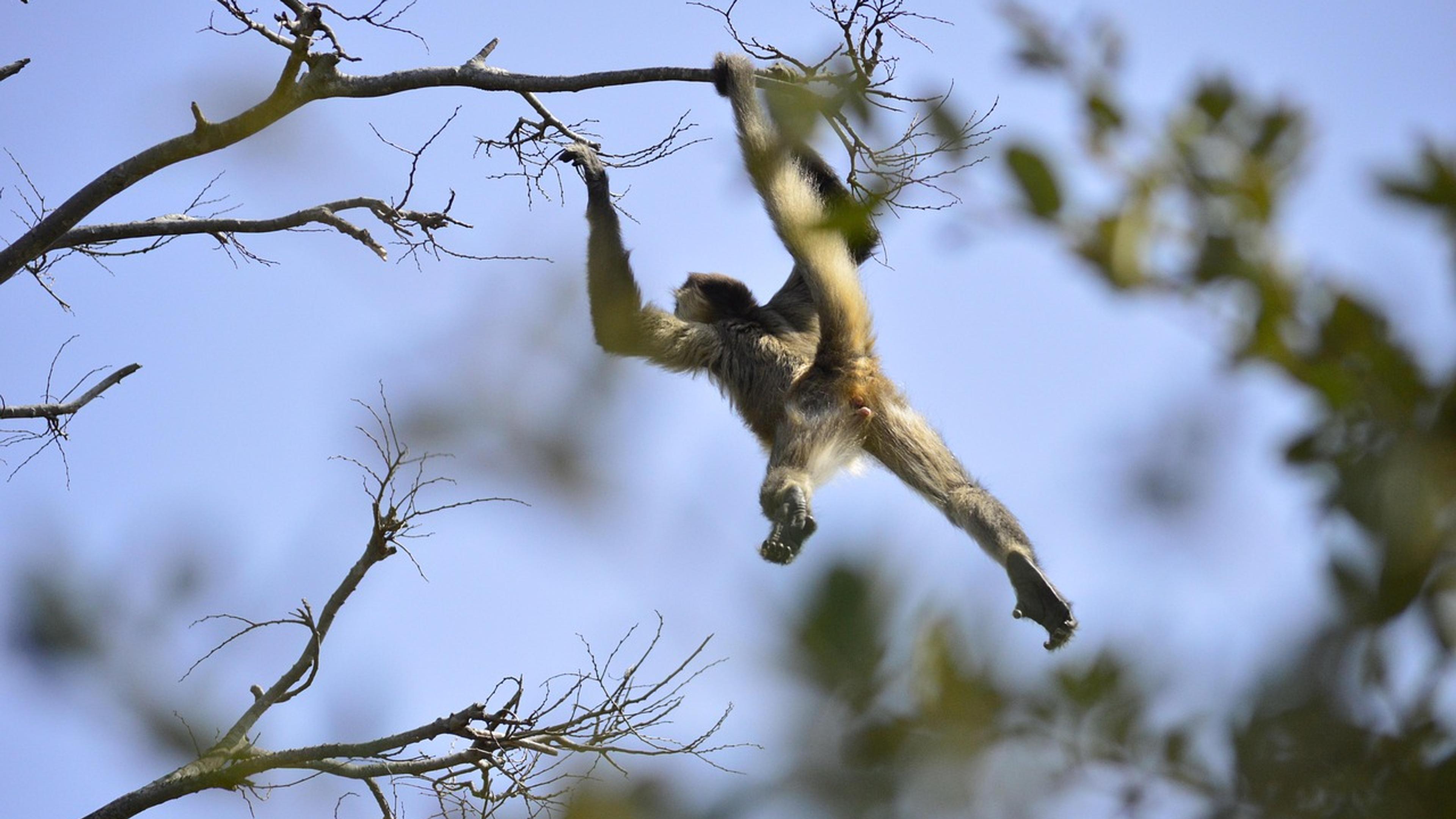
Rope bridges strung above roads in the Amazon town of Alta Floresta, Brazil, recorded nearly 15,000 crossings by wild animals over 15 months of camera monitoring, according to the Brazilian conservation institute IPÊ. In August, eight new bridges were installed, bringing the total to 15.
Six primate species use the bridges
The first seven bridges went up in October 2024 under the town's "Alta Floresta Não Atropela" (Alta Floresta Doesn't Run Over) programme. Six primate species have used them, including the endangered black-faced spider monkey, Schneider's marmoset and the critically endangered Alta Floresta titi monkey, described by science only in 2019 and now the town's symbol.
No new primate roadkill has been recorded in the areas directly covered by the bridges since they were installed, IPÊ reported.
“Cada travessia registrada representa uma oportunidade de sobrevivência para essa espécie criticamente ameaçada.” (“Every recorded crossing is a chance of survival for this critically endangered species.”) — Vitória Da Riva, Fundação Ecológica Cristalino
Power lines were lowered to prevent electrocution
The new bridges, installed from 3 to 20 August on four streets, use a "three-in-one" design with a cable for species that grip with their tails. The power company Energisa lowered and insulated lines at ten points to cut the risk of electrocution.
The design comes from the Reconecta project led by IPÊ researcher Fernanda Abra and was included this year in national highway guidance on reducing wildlife deaths. The town government runs the programme with IPÊ, Energisa and local partners, with funding from groups including the Whitley Fund for Nature and the National Geographic Society.
The crossing counts come from the programme's own camera monitoring. Protecting habitat across the Amazon matters too, as with Bolivia's new 715,000-acre Agua Dulce reserve.
Like what you're reading?
Related stories
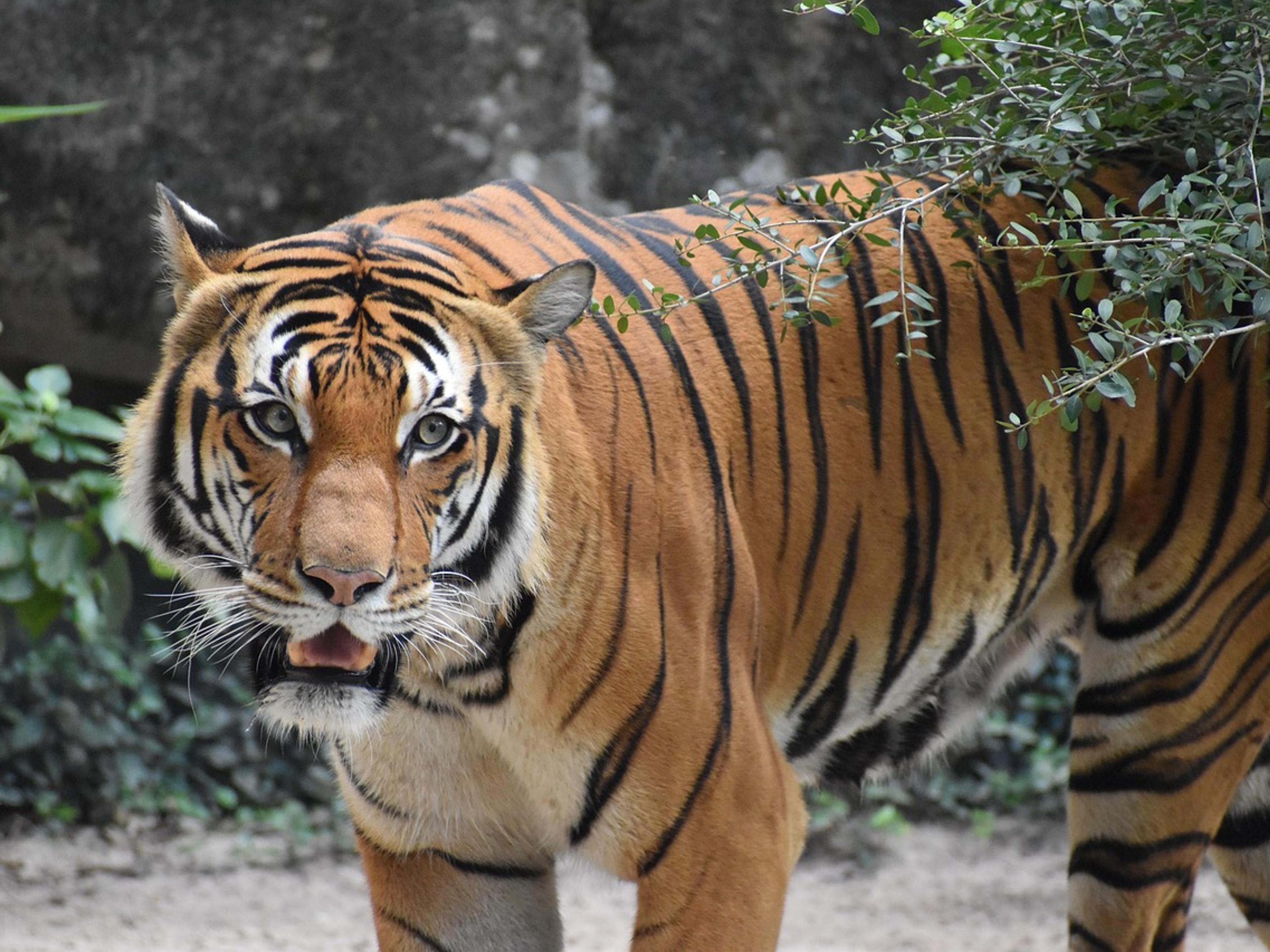
Thai tigress Mae Kaew has raised nine cubs, and now her daughter is a mother too
Camera traps in Thailand's Western Forest Complex show a wild tigress named Mae Kaew has raised three litters, nine cubs in all, and one of her daughters has now had two cubs of her own.
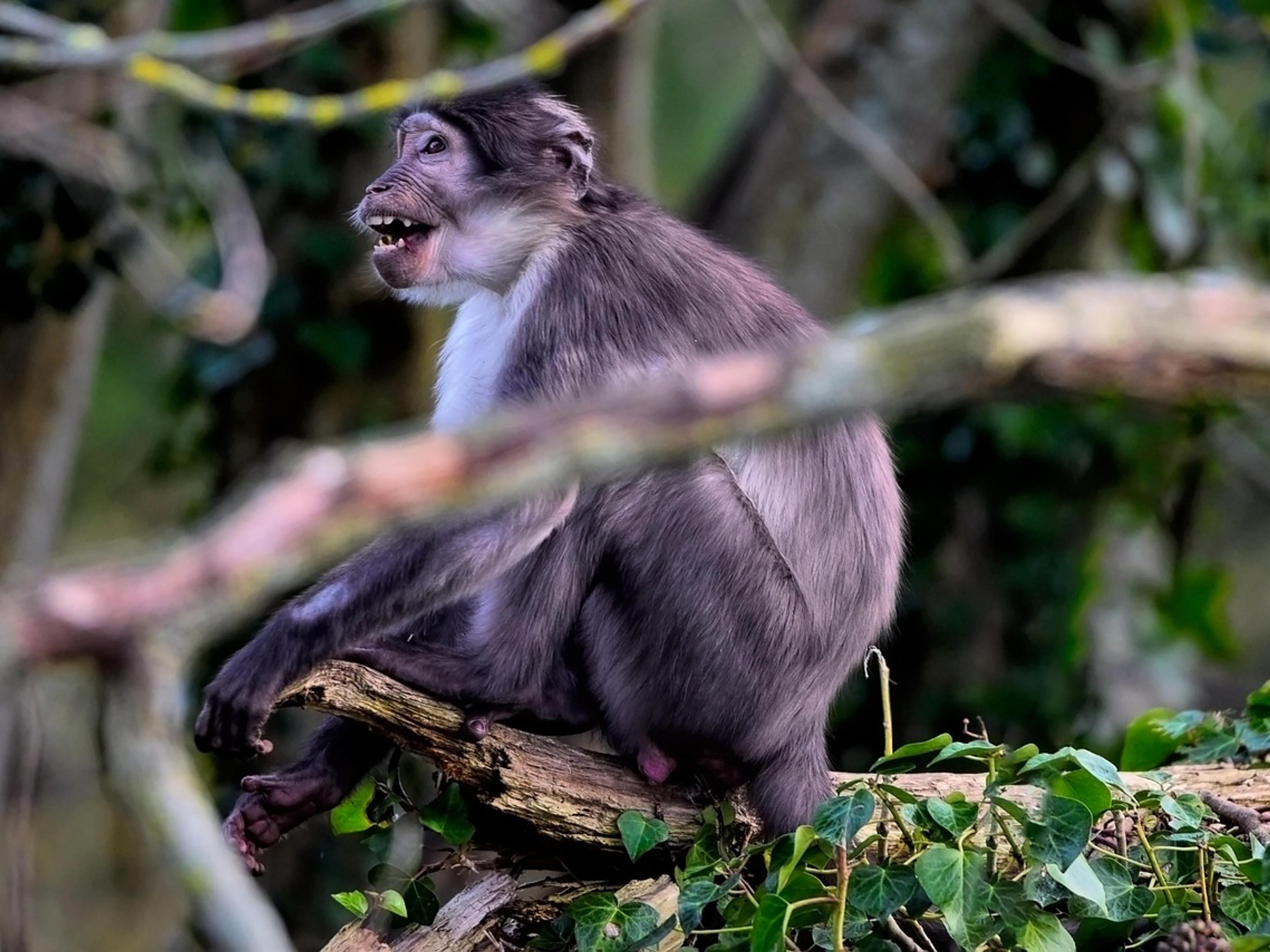
Critically endangered mangabey born at BIOPARC Valencia, the park's 10th for the species
A white-crowned mangabey, a West African monkey that signals with its white eyelids, has been born at BIOPARC Valencia, the 10th birth there for the European breeding program.
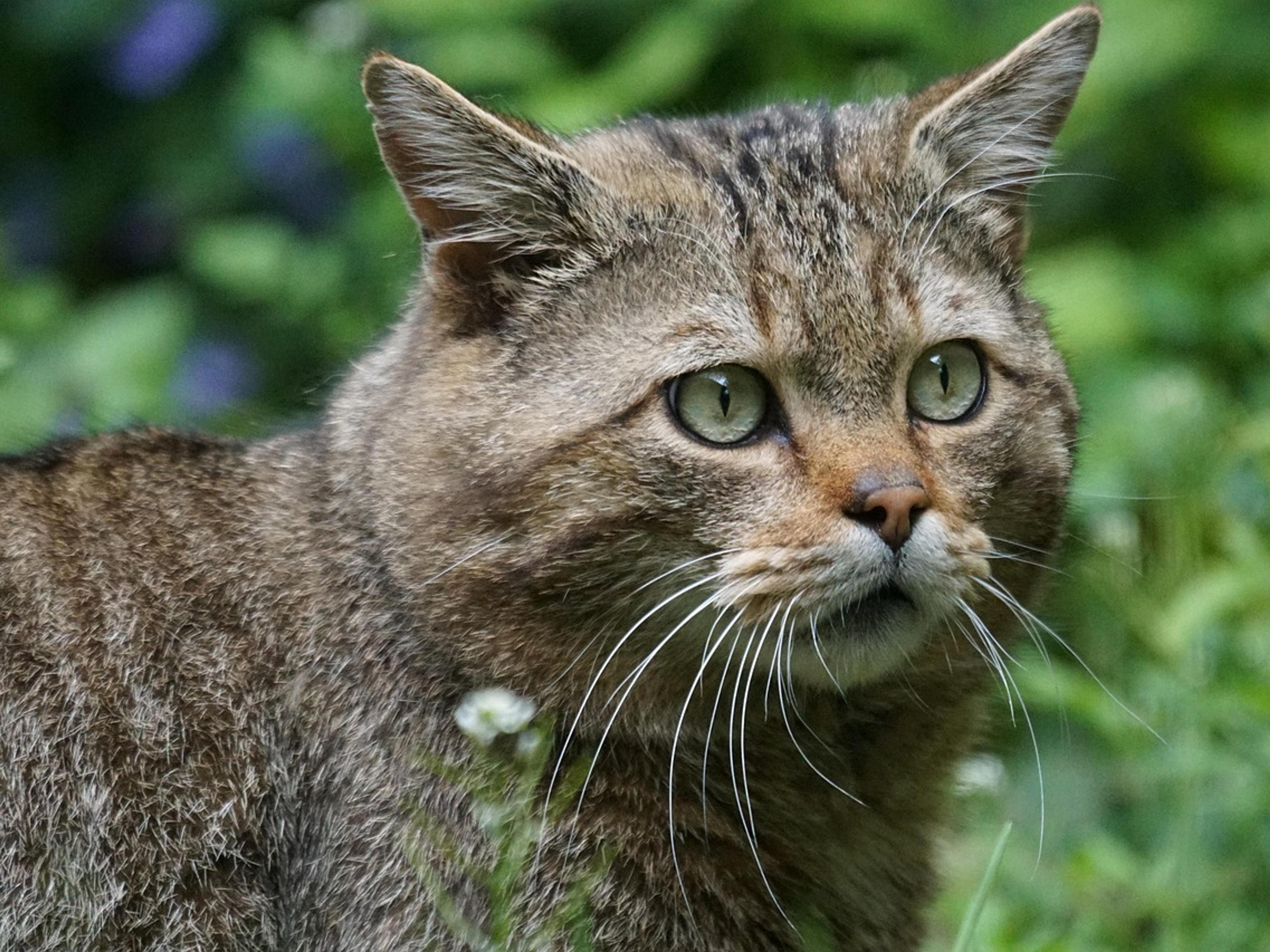
Scotland Reaches 50 Wildcat Releases, With Kittens Born in the Wild Three Years Running
The Saving Wildcats project has now released 50 critically endangered wildcats into Scotland’s Cairngorms National Park since 2023, and released females have given birth in the wild for three years in a row.