Thai tigress Mae Kaew has raised nine cubs, and now her daughter is a mother too
Camera traps in Thailand's Western Forest Complex show a wild tigress named Mae Kaew has raised three litters, nine cubs in all, and one of her daughters has now had two cubs of her own.
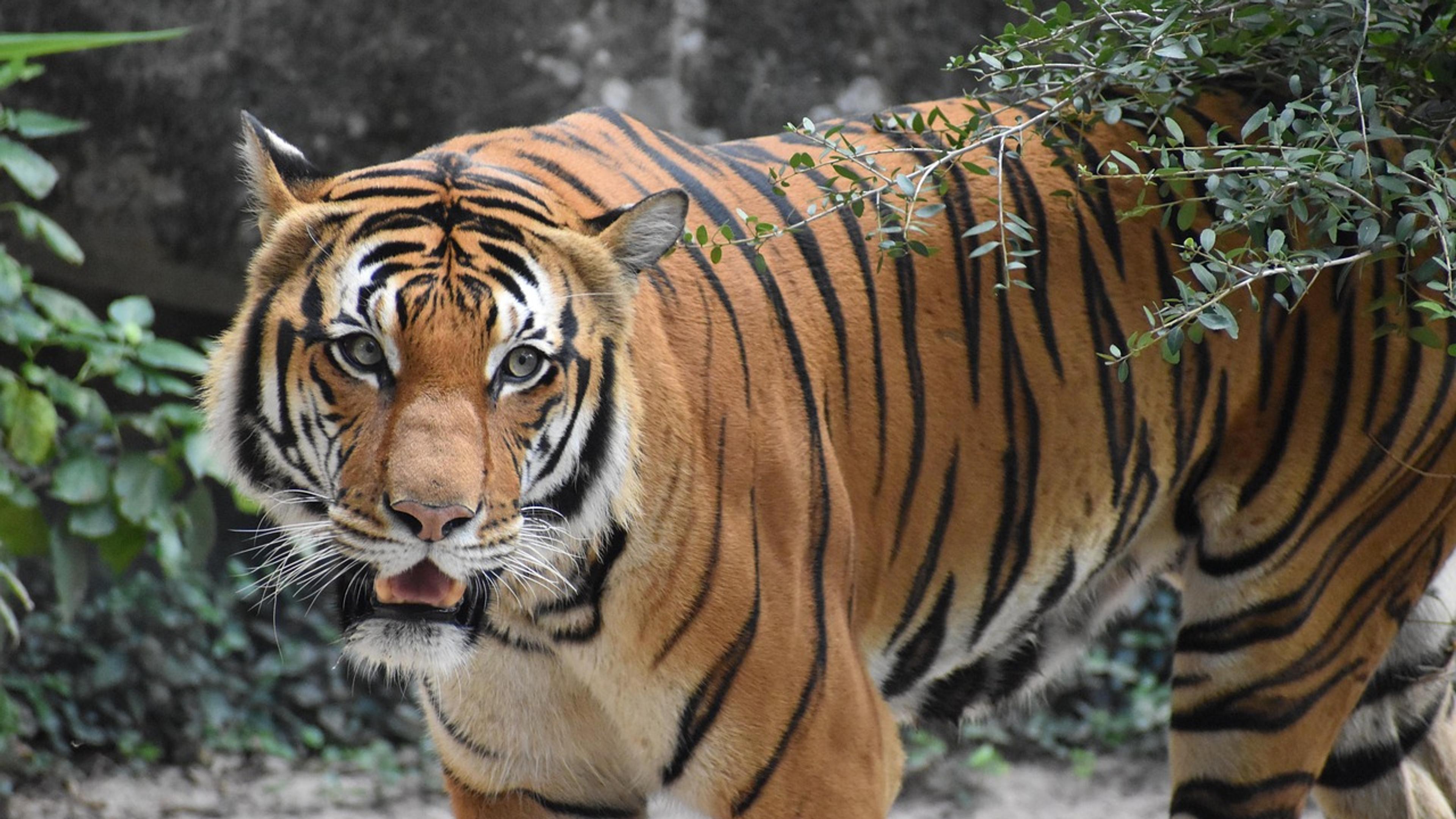
A wild tigress named Mae Kaew has raised three litters, nine cubs in all, in Thailand's Upper Western Forest Complex, and one of her daughters has now had two cubs of her own, WWF reported on 8 October. The family has been followed by camera traps run by Thailand's Department of National Parks, Wildlife and Plant Conservation and WWF-Thailand.
One tigress, three litters and a new generation
Mae Kaew left the Huai Kha Khaeng Wildlife Sanctuary in 2021 and set up her own territory in the Upper Western Forest Complex. Over the following years, camera traps recorded her successfully raising three litters.
One of her daughters, born in 2022, established a territory in the same park in late 2023. She has now become a mother for the first time, making Mae Kaew a grandmother.
For conservationists, a female that raises cubs is one of the clearest signs of a healthy population. She needs enough prey, secure habitat and little disturbance to succeed, and Mae Kaew has managed it three times.
Thailand is bucking a regional decline
Across much of Southeast Asia, wild tigers have declined sharply and disappeared from some countries altogether. Thailand has gone the other way. In 2026 the Royal Thai Government announced a new national estimate of 210 wild tigers, up from 148 to 189 in 2022, making Thailand the first country in Southeast Asia to increase its wild tiger population, according to WWF.
The department credits much of the gain to its SMART patrol system, which helps rangers record threats and field data systematically. Since 2021, WWF-Thailand has also helped the department release more than 180 sambar deer into tiger habitat, and banteng, an endangered wild cattle species, are being reintroduced as well.
Rangers and schools are part of the effort
Community work has played a role too. Rangers in a "Big Cat Band" use music to spread conservation messages, and at Khlong Lan National Park a Tiger House and a tiger science classroom at a kindergarten let children learn about the forest and its wildlife.
Elsewhere in Asia, tigers are also returning to former ranges: India recently released its first tigress into Buxa Tiger Reserve.
Like what you're reading?
Related stories
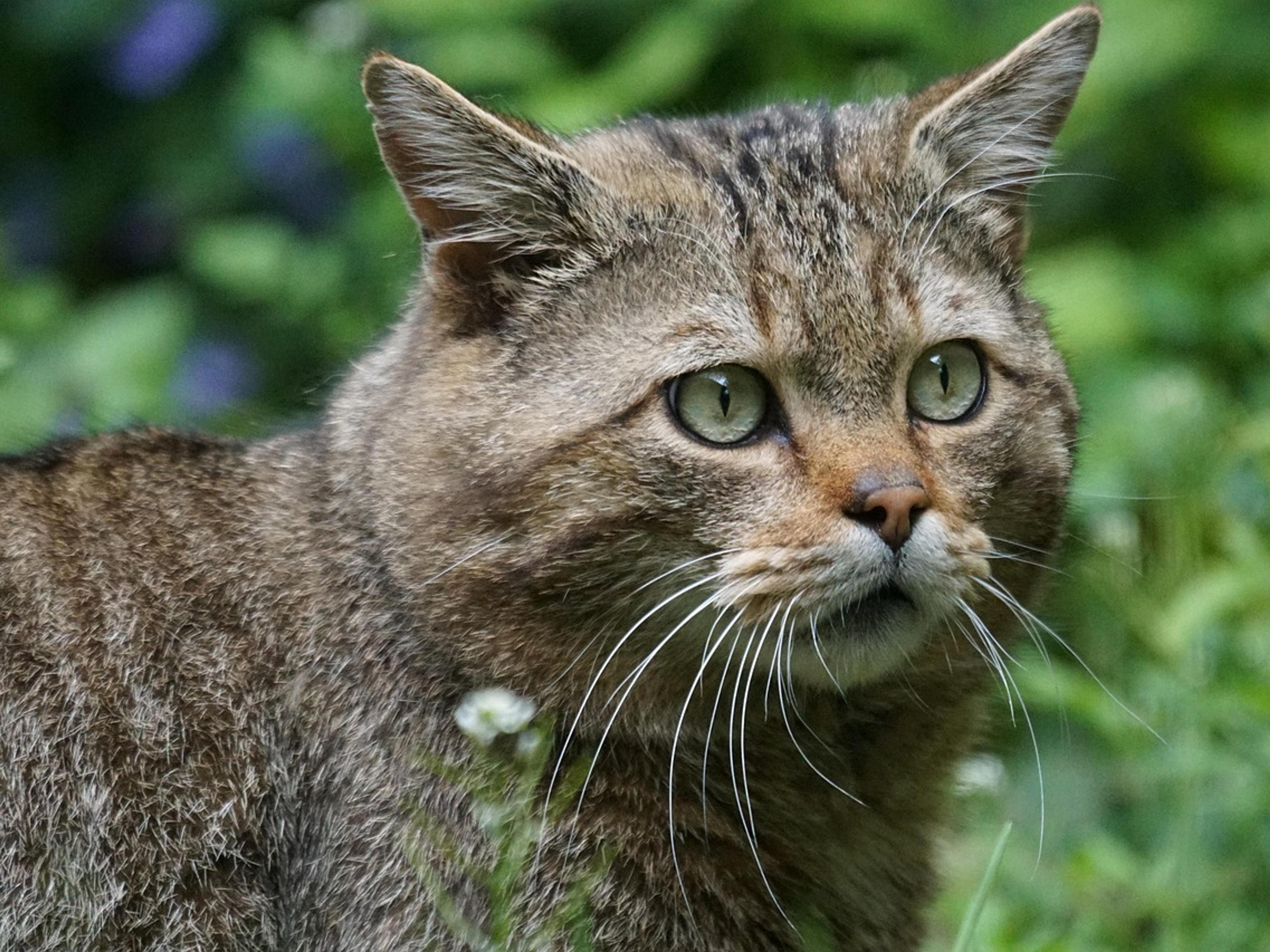
Scotland Reaches 50 Wildcat Releases, With Kittens Born in the Wild Three Years Running
The Saving Wildcats project has now released 50 critically endangered wildcats into Scotland’s Cairngorms National Park since 2023, and released females have given birth in the wild for three years in a row.
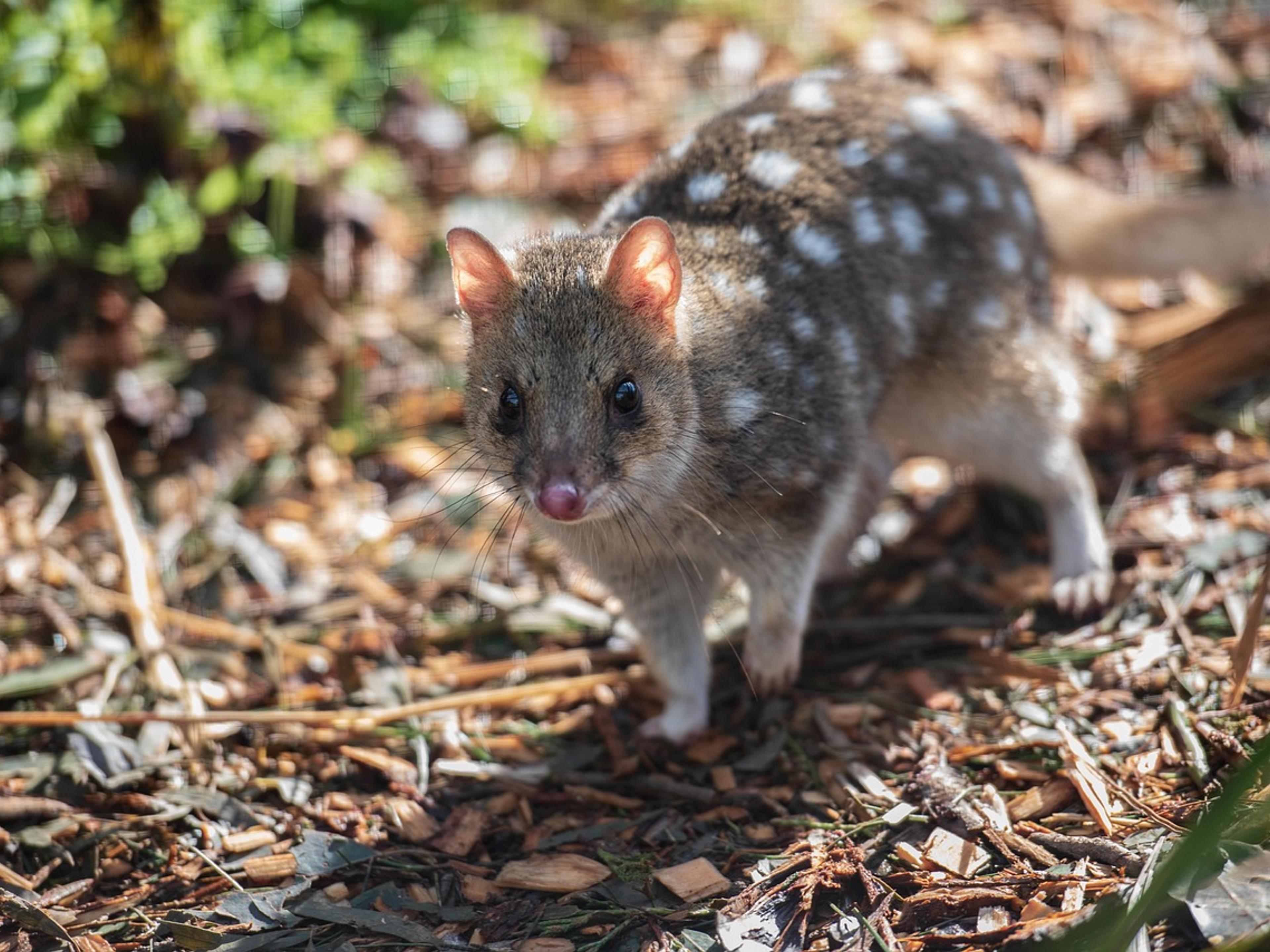
Endangered Northern Quolls Released Into a Predator-Free Sanctuary in Queensland
Australian Wildlife Conservancy has released the first 18 endangered northern quolls into a feral predator-free fenced area in north Queensland, the start of a plan to build a secure population of up to 300.
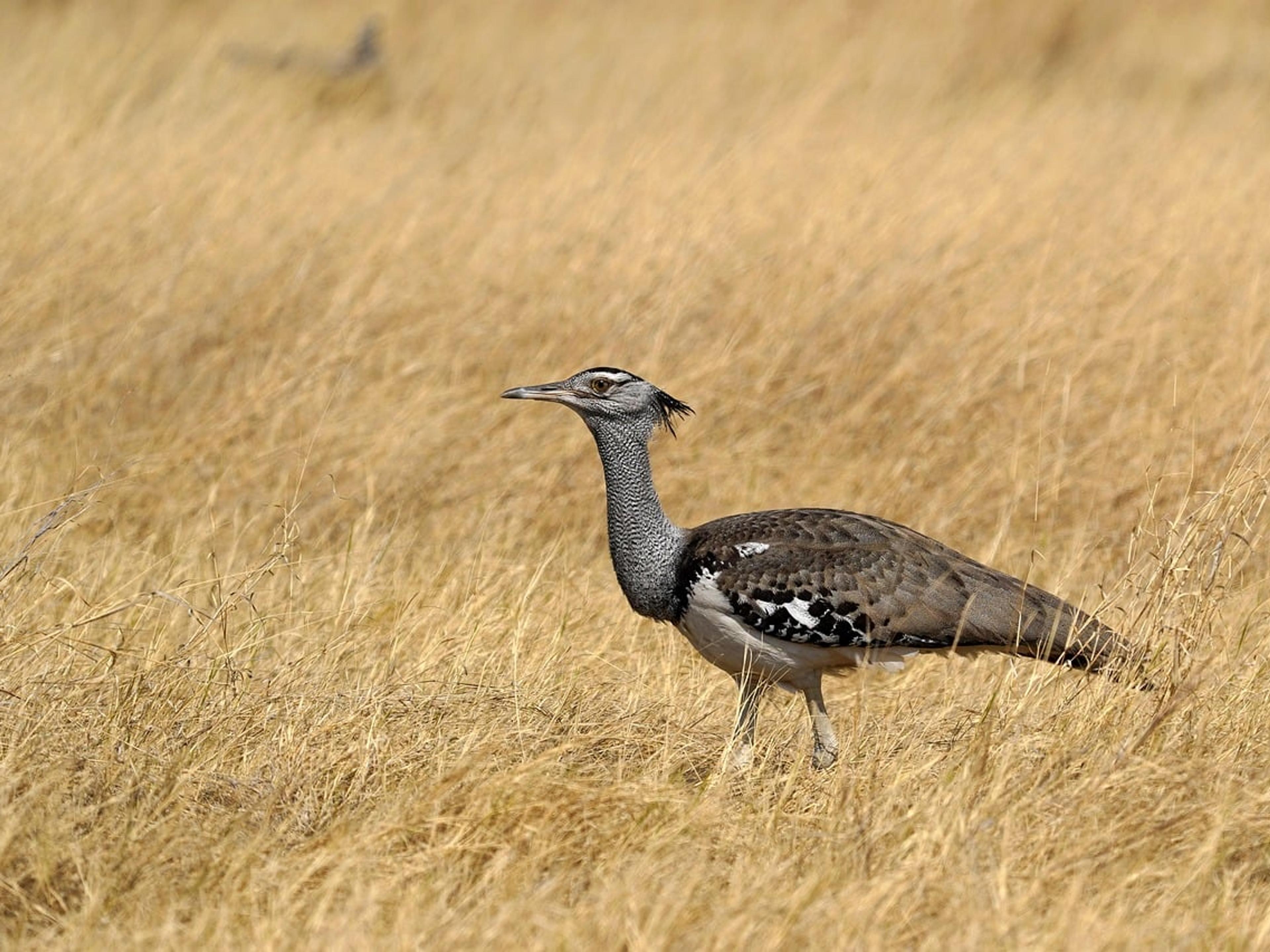
India Begins Releasing Captive-Bred Great Indian Bustards After a Decade of Conservation Breeding
Two captive-bred Great Indian Bustards entered a soft-release enclosure at Rajasthan's Desert National Park this weekend, the first step in returning birds from a 97-strong captive flock to a wild population of roughly 130.