Critically endangered mangabey born at BIOPARC Valencia, the park's 10th for the species
A white-crowned mangabey, a West African monkey that signals with its white eyelids, has been born at BIOPARC Valencia, the 10th birth there for the European breeding program.
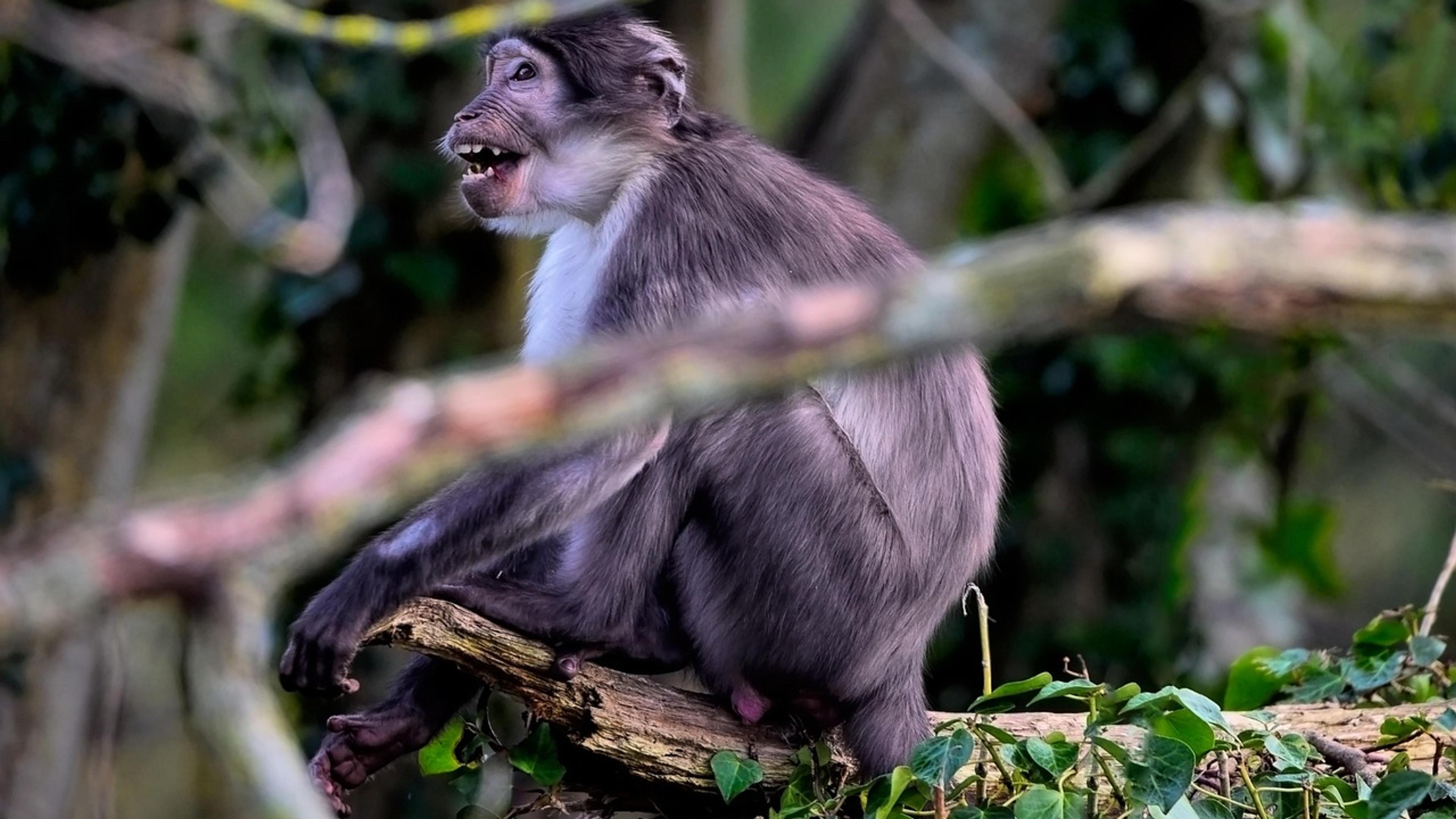
A white-crowned mangabey has been born at BIOPARC Valencia in Spain, the park's 10th birth for the European breeding program for this critically endangered West African monkey, BIOPARC announced. The infant is developing well and has started exploring its enclosure.
The monkeys talk with their eyelids
The white-crowned mangabey, also known as the white-naped mangabey, is a slender, medium-sized monkey with brown and grey fur. Its most striking feature is its white eyelids, which stand out against its dark face and look almost painted on.
The animals use eyelid movements together with calls to stay in contact and warn each other of danger, part of a visual and vocal language that suits their highly social life. Strong jaws let them crack hard shells to reach fruit, which they combine with seeds, leaves and small invertebrates.
The baby shares its home with western lowland gorillas
The infant's 12-year-old mother keeps it clinging to her as she moves through the group, which includes a 12-year-old male and three other females, two of them born at the park. BIOPARC says its enclosure is the only one in Europe where families of this mangabey live alongside western lowland gorillas, another critically endangered species, and the youngster has drawn the gorillas' curiosity.
Great apes have had good breeding news elsewhere too, including a rewilded gorilla that gave birth in Virunga National Park.
Wild numbers have more than halved in under 30 years
In the wild, the species lives in forests in Ghana, Côte d'Ivoire and Burkina Faso. Its numbers have fallen by at least 50% in less than 30 years because of habitat loss and bushmeat hunting, Mongabay reported when a group was photographed in Ghana's Atewa Forest.
Zoo breeding is meant to work alongside protection in the wild. The BIOPARC Foundation supports West African Primate Conservation Action, a project in Ghana and Côte d'Ivoire that works with local communities to protect threatened primates and their rainforest habitat.
Like what you're reading?
Related stories
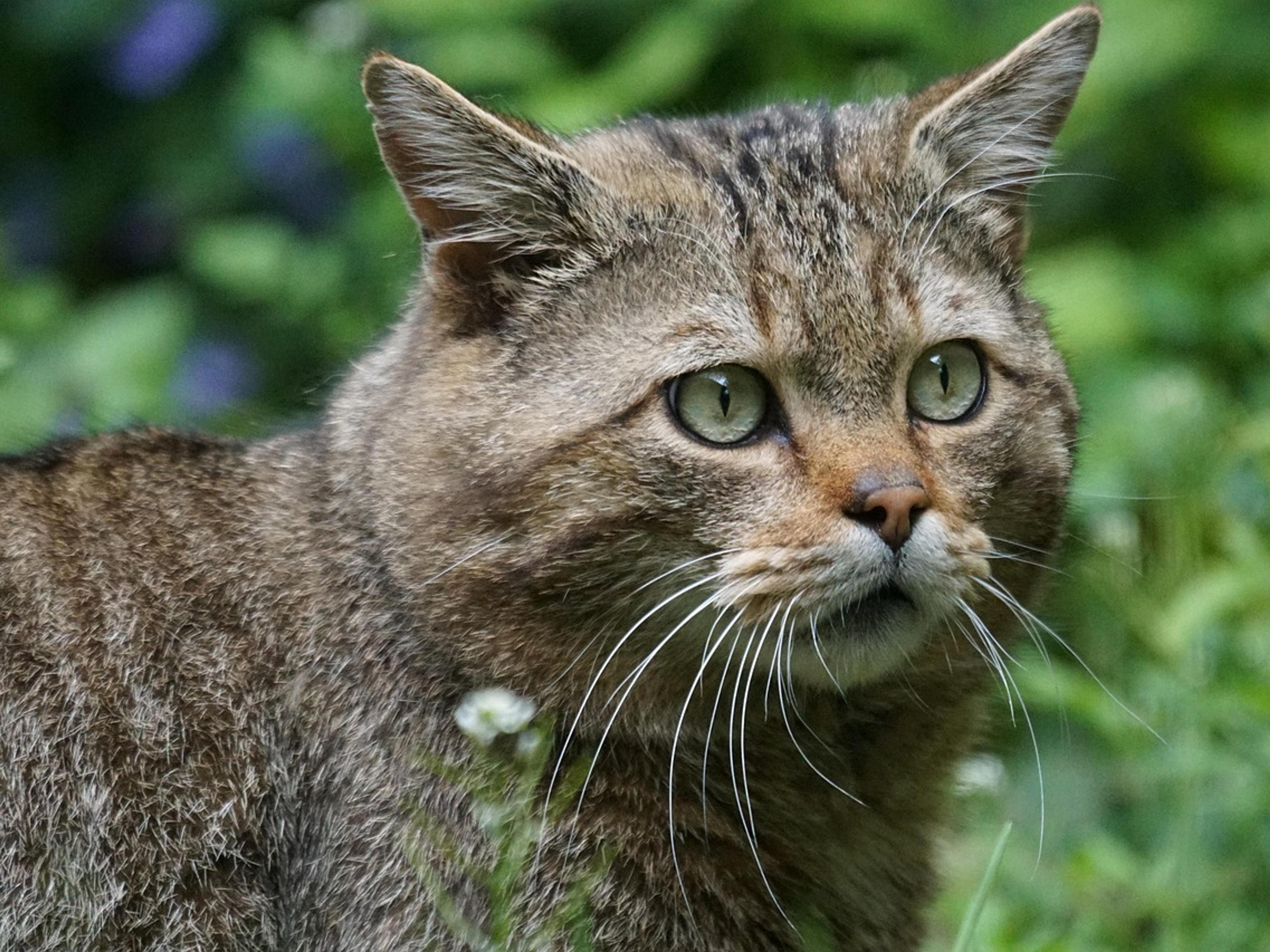
Scotland Reaches 50 Wildcat Releases, With Kittens Born in the Wild Three Years Running
The Saving Wildcats project has now released 50 critically endangered wildcats into Scotland’s Cairngorms National Park since 2023, and released females have given birth in the wild for three years in a row.
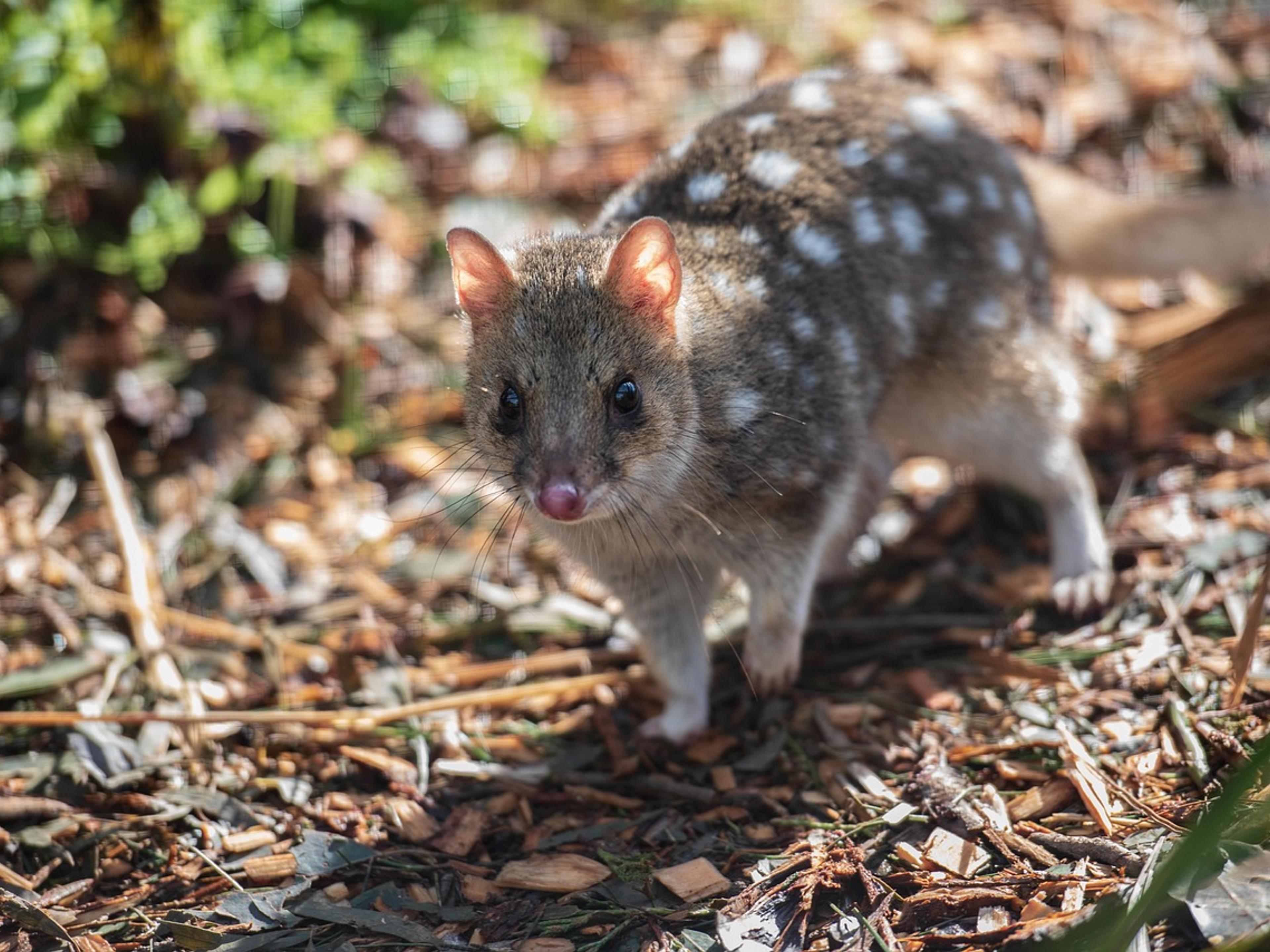
Endangered Northern Quolls Released Into a Predator-Free Sanctuary in Queensland
Australian Wildlife Conservancy has released the first 18 endangered northern quolls into a feral predator-free fenced area in north Queensland, the start of a plan to build a secure population of up to 300.
Shot Philippine Eagle Survives With Three Airgun Pellets in Her Body
A young Philippine Eagle found weak in Cotabato was carrying three airgun pellets. Vets removed two, and the critically endangered bird is now recovering under close veterinary care.