African Bird Club passes £750,000 in grants for 383 bird conservation projects across Africa
Since 1996, the African Bird Club has given £755,241 in small grants to 383 bird conservation projects in 53 countries and territories, from protecting coastal forest in Kenya to surveying waterbird colonies in Zambia.
The African Bird Club has now given more than £750,000 in grants for bird conservation in Africa, the UK-registered charity announced on 12 October. Since its Conservation Awards began in 1996, it has paid out £755,241 to 383 projects in 53 countries and territories, supporting around 300 individuals and organizations.
“Passing £750,000 in grants is an important milestone, but what matters most is the impact those funds have had.” — Keith Betton, Chair, African Bird Club
Small grants for work that big funders often skip
Many of the grants are small, paying for fieldwork, community engagement and education that larger programs often struggle to fund. The club now gives roughly £30,000 to £45,000 a year, raised from individual donors, charitable trusts and partners. Demand far outstrips that: it receives more than 100 applications a year and can fund only about 15% of them.
The awards have supported work on at least 120 bird species or species groups. More than 60% of the species-focused projects involve birds listed as Vulnerable, Endangered or Critically Endangered on the IUCN Red List.
From Kenyan forest to Zambian floodplains
In coastal Kenya, club funding helped protect 323 hectares of Dakatcha Woodland, home to Clarke's weaver, the Sokoke scops owl and the Sokoke pipit. In Zambia, an aerial survey of the Barotse Floodplain found three major waterbird breeding colonies, one with an estimated 68,000 African openbill nests and another holding Africa's largest known breeding concentration of African spoonbills. That survey has since grown into long-term monitoring.
Other grants paid for camera traps to study predators at white-necked picathartes nests in Ghana, youth bird clubs and a bird guide in a local language in Sierra Leone, and village bird clubs around Uganda's Kibale National Park that have reached more than 200 children, BirdLife International reported.
Vultures have been the biggest single focus
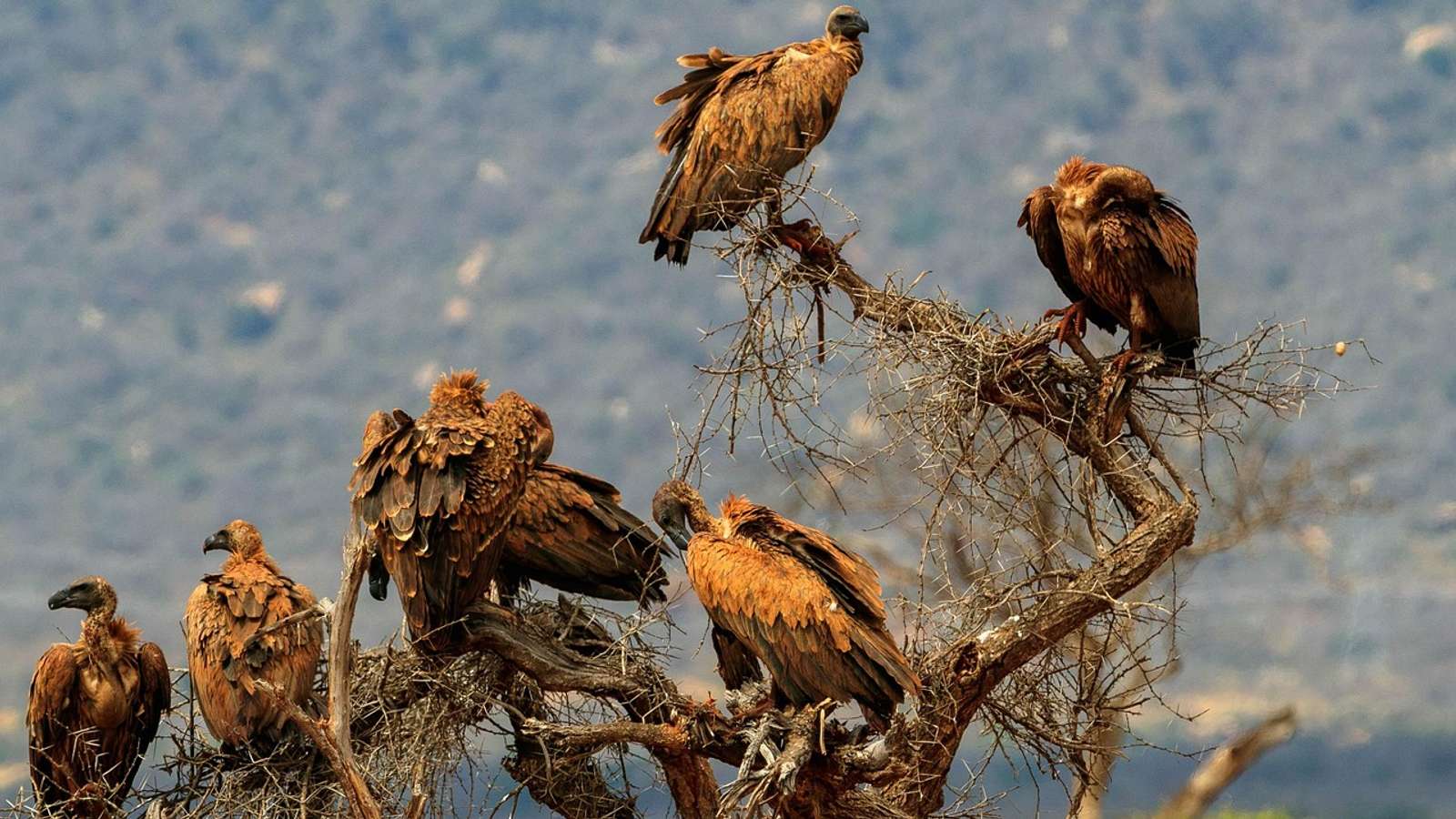
Vultures account for 23 of the projects, in 17 countries, with more than £53,500 in funding. The need is stark. A 2015 study in Conservation Letters found that African vulture species had declined by 70% to 97% over three generations, with poisoning causing 61% of reported deaths, according to the University of York, one of the institutions involved.
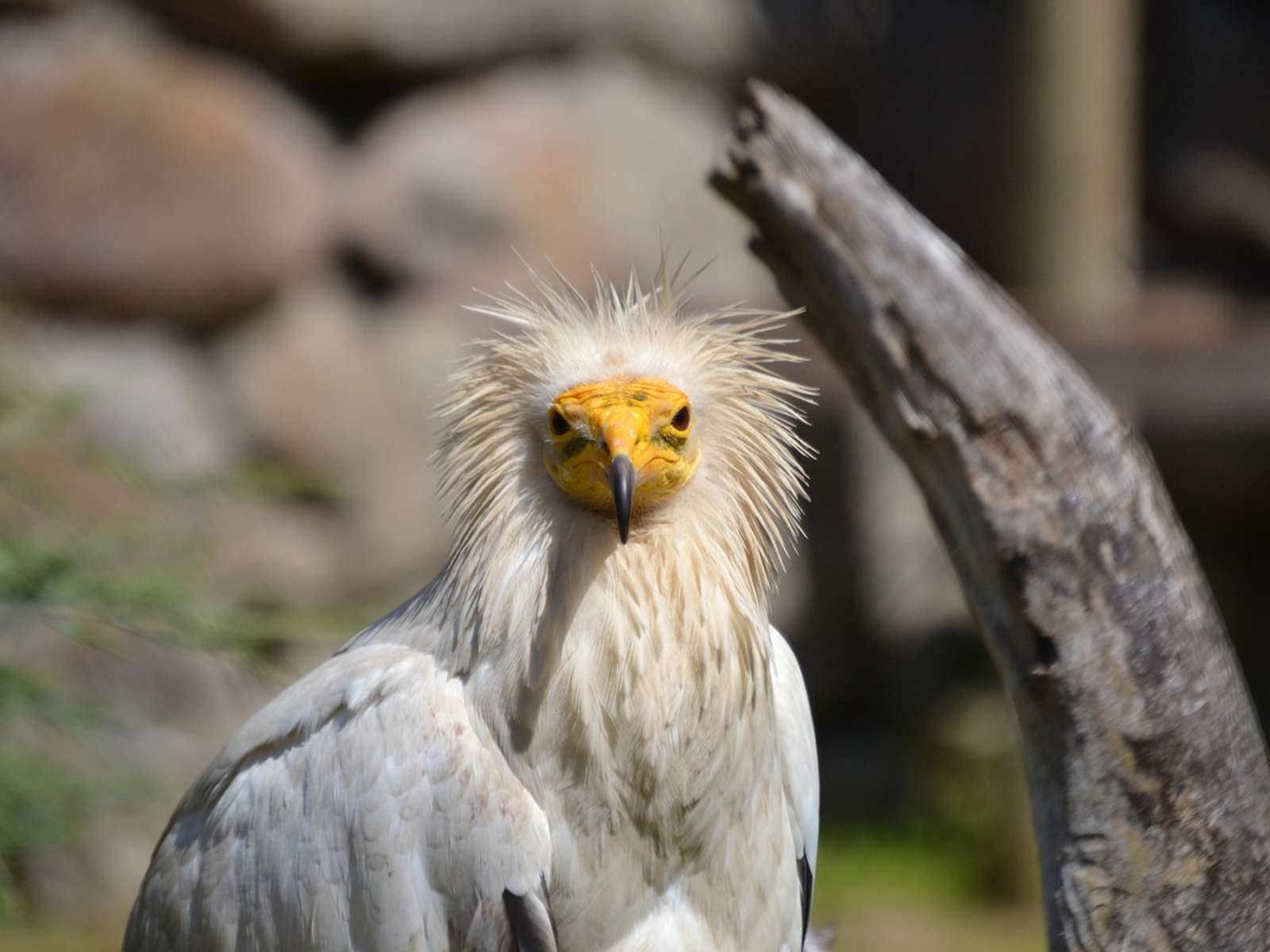
Vultures are getting help along their migration routes as well; in southeastern Europe, a European project is working to make the Egyptian vulture's Balkan flyway safer.
Many past grant recipients have gone on to careers in research and conservation, the club said. It is asking new members and donors to help it fund more of the applications it currently has to turn down.
Sources
- African Bird Club · africanbirdclub.org
- birdlife.org
- york.ac.uk
How we choose and verify sources: editorial policy.
Your weekly dose of good news
The 5 biggest positive stories of the week, straight to your inbox. Free, no noise.
Like what you're reading?