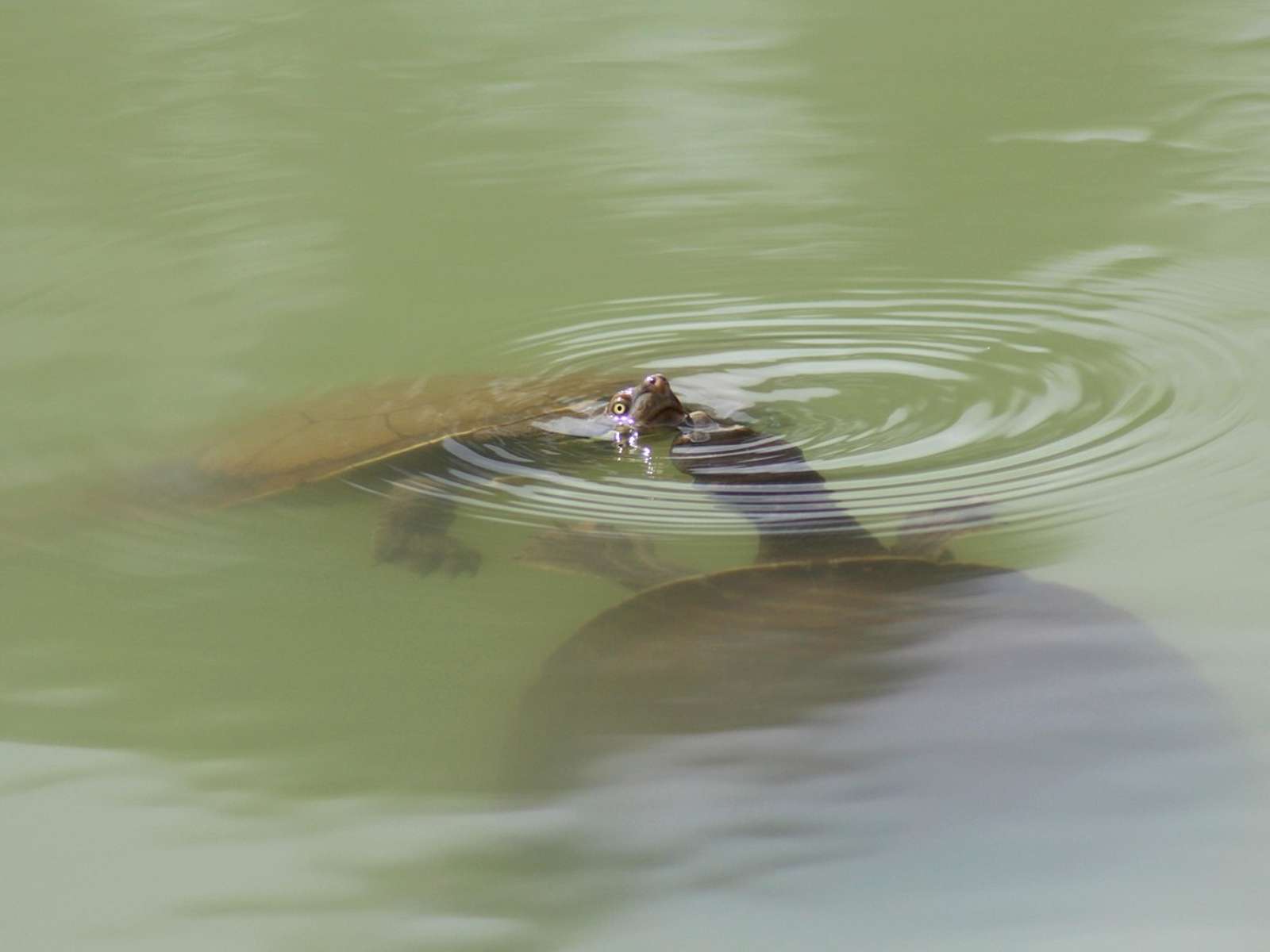
Habanero, a loggerhead turtle that lost a flipper, is infection-free and training for release
Habanero, an adult male loggerhead rescued in South Africa in February 2025, lost a front flipper to a bone infection. Scans now show him free of infection, and he is training at the Two Oceans Aquarium for his return to the sea.
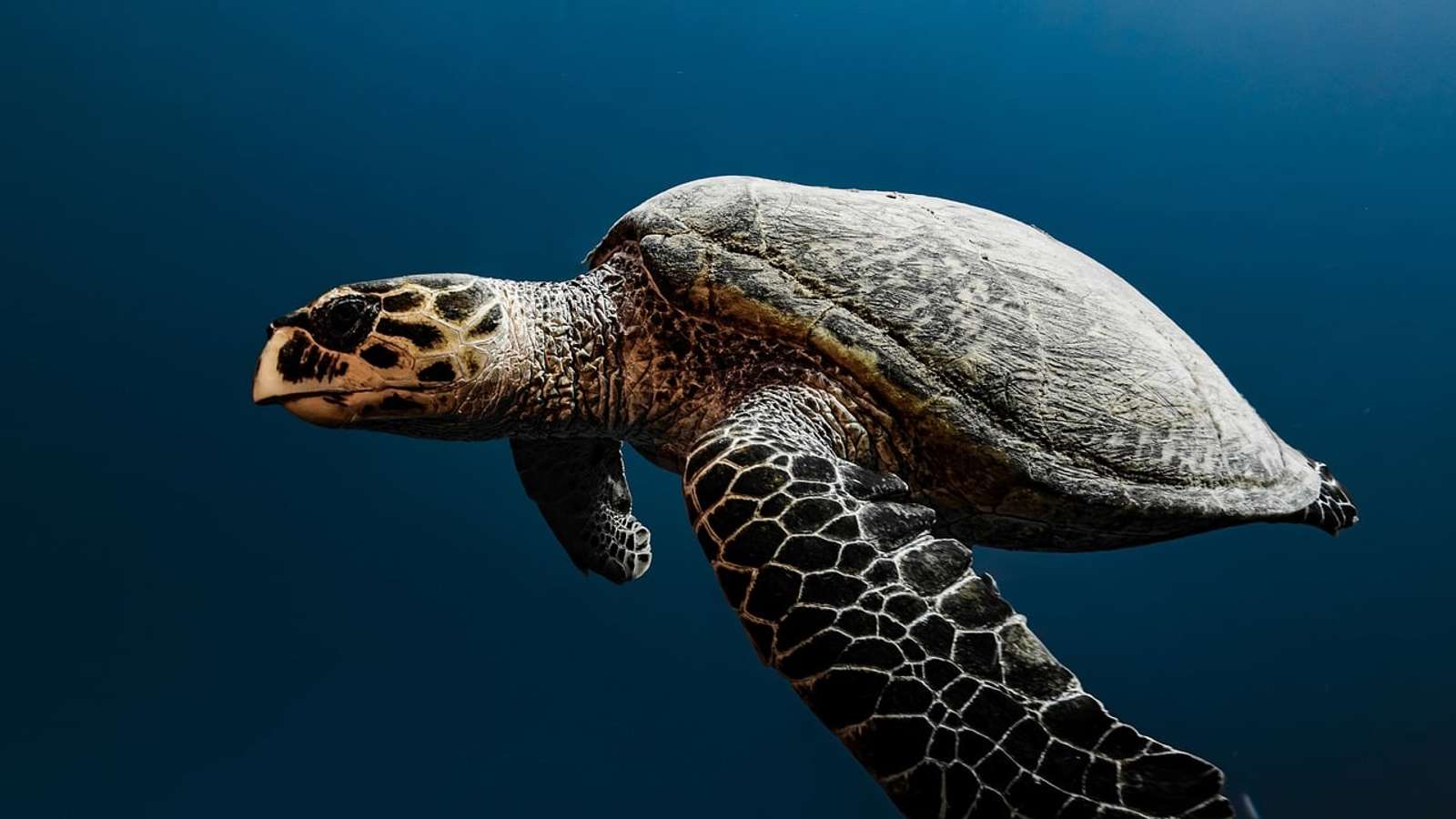
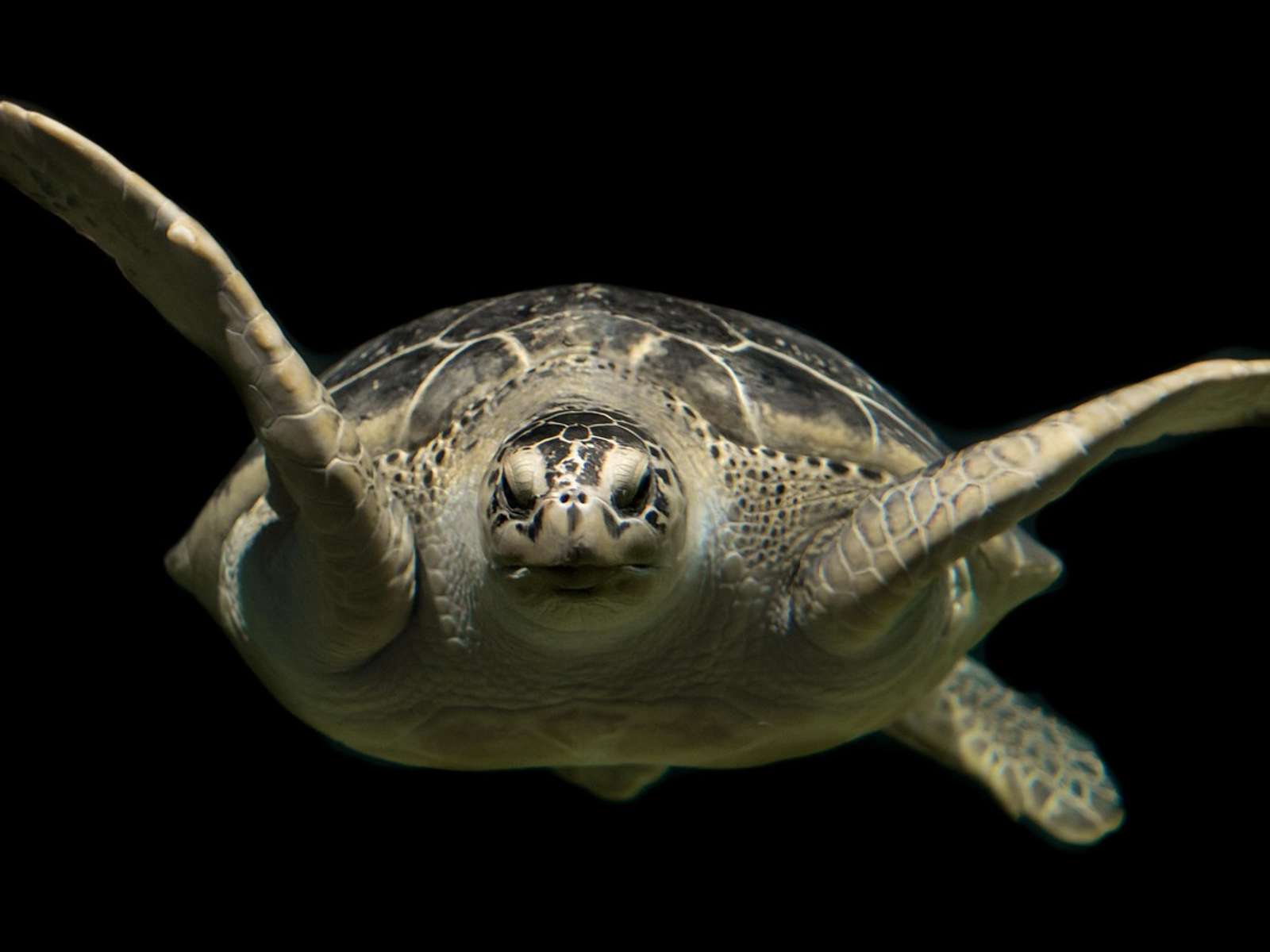
Habanero, an adult male loggerhead turtle that lost his front left flipper to a bone infection, has been declared free of infection and is now training for his return to the ocean, the Two Oceans Aquarium Foundation said on 15 October. A final CT scan in mid-September confirmed the result, after nearly two years of rehabilitation in Cape Town.
“To everyone’s immense joy, the results meant we could officially declare him free of infection.” — Dr Bernice van Huyssteen, turtle veterinarian, Two Oceans Aquarium Foundation
Thousands of leeches and a joint destroyed by infection
Habanero was rescued at Witsand on South Africa's southern coast in February 2025. He arrived weak, dehydrated and covered in thousands of leeches and their eggs, which had left him severely anemic, the aquarium reported. Several rounds of de-leeching brought his blood levels back to normal.
The bigger problem was his left elbow. X-rays showed severe bone destruction in the joint, most likely from a chronic infection, and months of antibiotics did not stop it. On 3 December 2025, vets amputated the flipper at a veterinary clinic in Kraaifontein, in a surgery that took an hour and a half.
“Removing the original source of infection gives Habanero his best chance at life,” van Huyssteen said at the time. The vet team then spent nine months watching for any sign that the infection had come back.
Training a three-flippered turtle to stay away from people
Habanero is back in the aquarium's I&J Ocean Exhibit, the large tank he lived in before surgery, and the focus has moved from adjusting to three flippers to getting fit for the wild. Staff use target feeding: each large turtle has its own patterned paddle, and a diver holds it out and swims away, so the turtle has to swim faster to reach its food. Food is also offered at different depths to build strength.
The targets have a second purpose. Turtles learn to link food with the paddle rather than with people, which should make Habanero less likely to approach humans once he is back in the sea. The aquarium says he is just as fast as before and not fussy about food, with a preference for Cape redfish.
Why one adult loggerhead matters
Loggerheads take a long time to replace. Females reach maturity at about 35 years, and fishing bycatch is the biggest ongoing threat to the species worldwide, according to NOAA Fisheries. Every breeding adult returned to the ocean adds to a population that grows slowly.
Rescue centers are making that case in other places too. In Vietnam, a fisherman handed over a 70-kilogram green turtle caught in his net so it could be released.
The aquarium has not announced a release date or place for Habanero. His care has been funded from the start by his adopters, the Morukuru Goodwill Foundation.
Sources
- Two Oceans Aquarium Foundation · aquarium.co.za
- aquarium.co.za
- fisheries.noaa.gov
How we choose and verify sources: editorial policy.
Your weekly dose of good news
The 5 biggest positive stories of the week, straight to your inbox. Free, no noise.
Like what you're reading?