More Than 22,000 Baby Sea Turtles Recorded in Playa del Carmen This Season
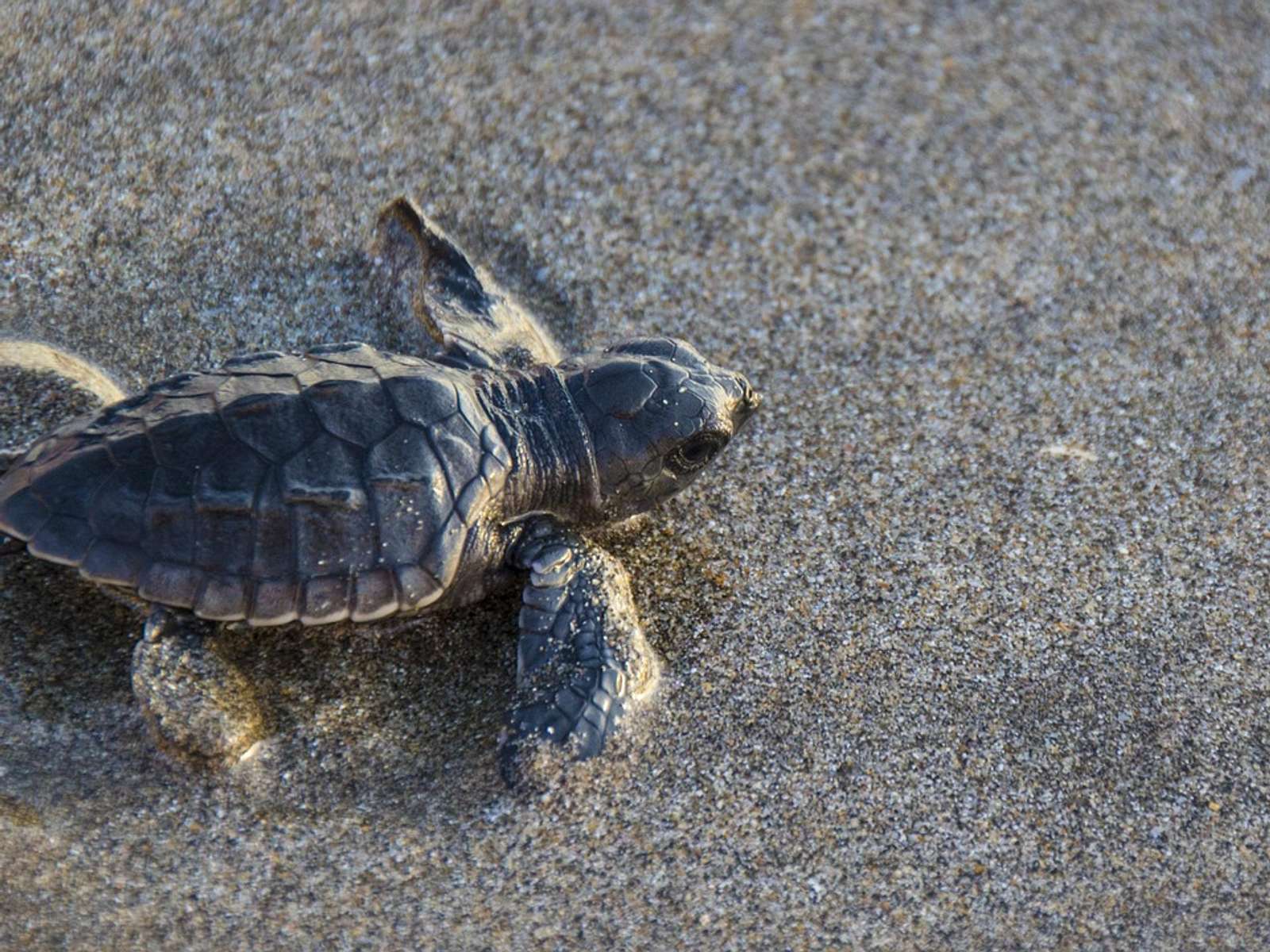
More than 22,000 baby sea turtles have been recorded from protected nesting areas in Playa del Carmen this season, as conservation teams monitor thousands of nests along the Mexican Caribbean coast.
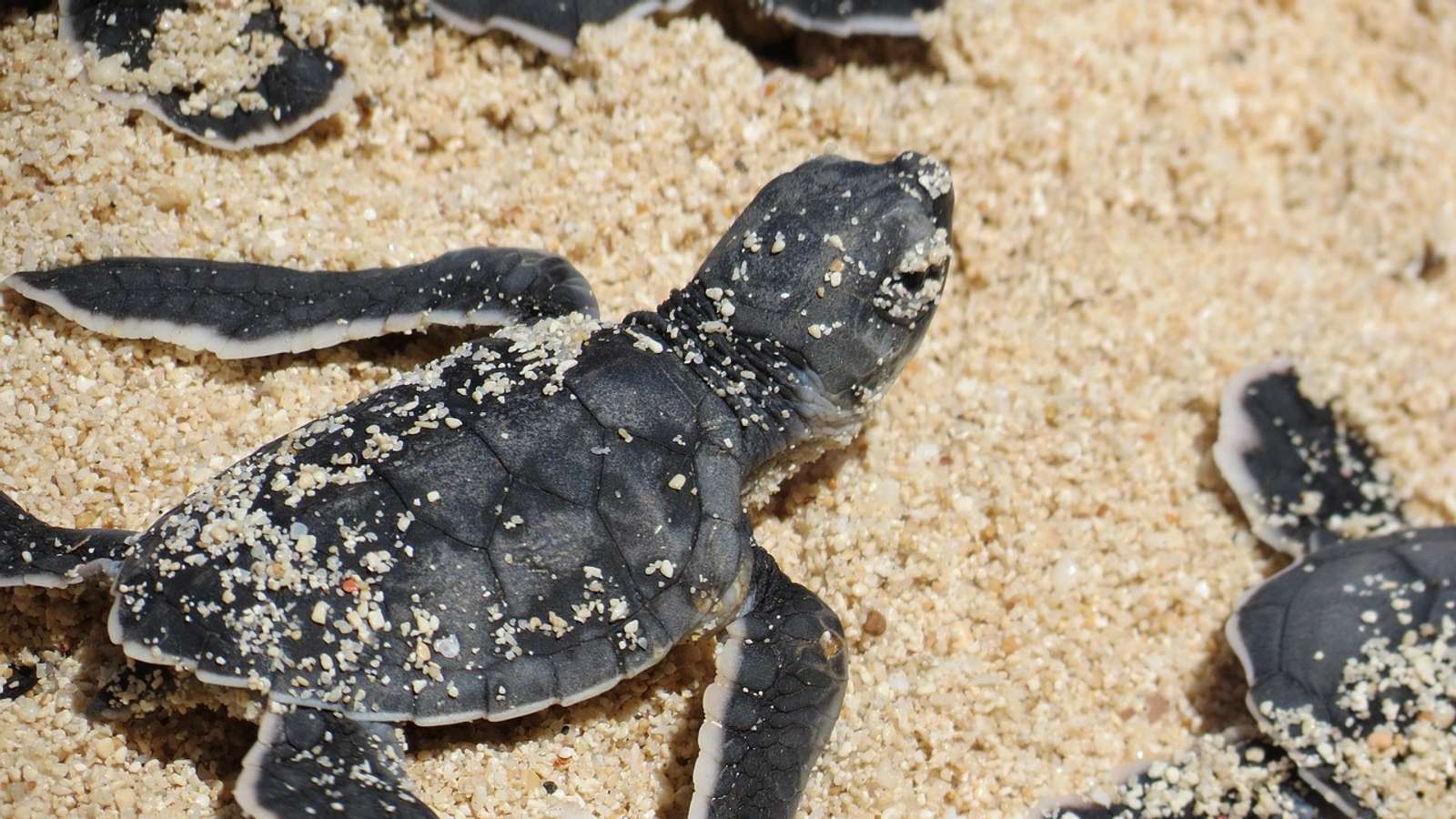
More than 22,000 baby sea turtles have been recorded in Playa del Carmen during the 2026 nesting season, as conservation teams continue protecting thousands of nests along Mexico's Caribbean coastline.
The Government of Playa del Carmen announced that 2,000 nests have been registered so far this season, containing a combined 91,859 eggs.
Those nests have already produced 22,431 hatchlings from three different sea turtle species: loggerhead turtles, green turtles and hawksbill turtles. On North America's Pacific coast, olive ridley turtles have laid the first sea turtle nests ever recorded on the US West Coast.
The figures were presented during the first meeting of Playa del Carmen's 2026 Sea Turtle Protection and Conservation Committee, which brings together local government departments, hotels, conservation organizations and civil society groups.
Thousands of nests under protection
Of the 2,000 nests recorded across the municipality, around 1,200 are located within areas directly monitored by the local government.
The remaining nests are being watched over by private organizations and civil society groups, showing how much of the conservation effort depends on cooperation across the community.
Green turtles account for the largest share of this year's nests.
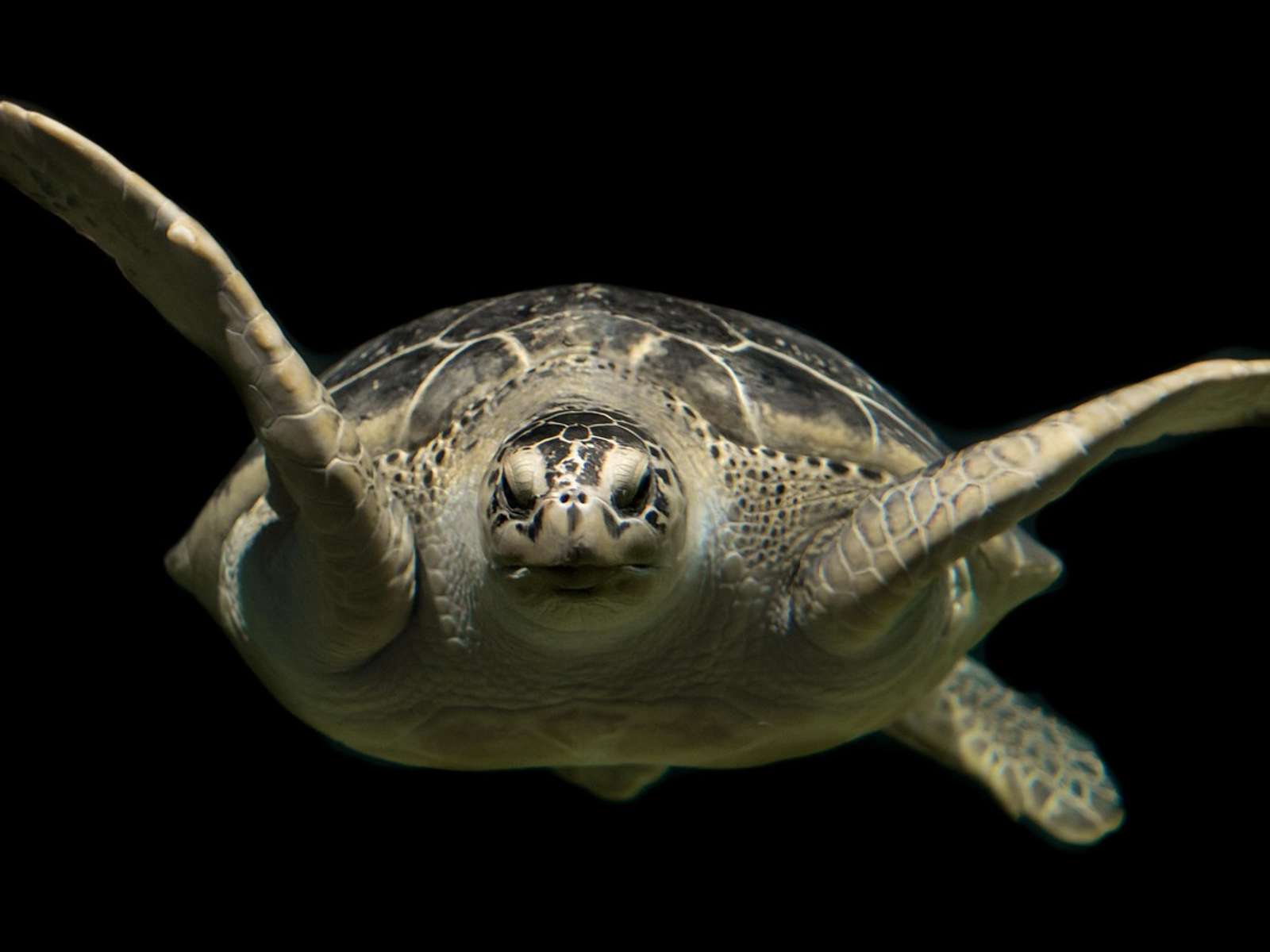
Officials have recorded 1,548 green turtle nests containing 65,603 eggs. So far, those nests have produced 11,592 hatchlings.
Another 434 nests belong to loggerhead turtles, with 22,505 eggs and 10,167 hatchlings recorded.
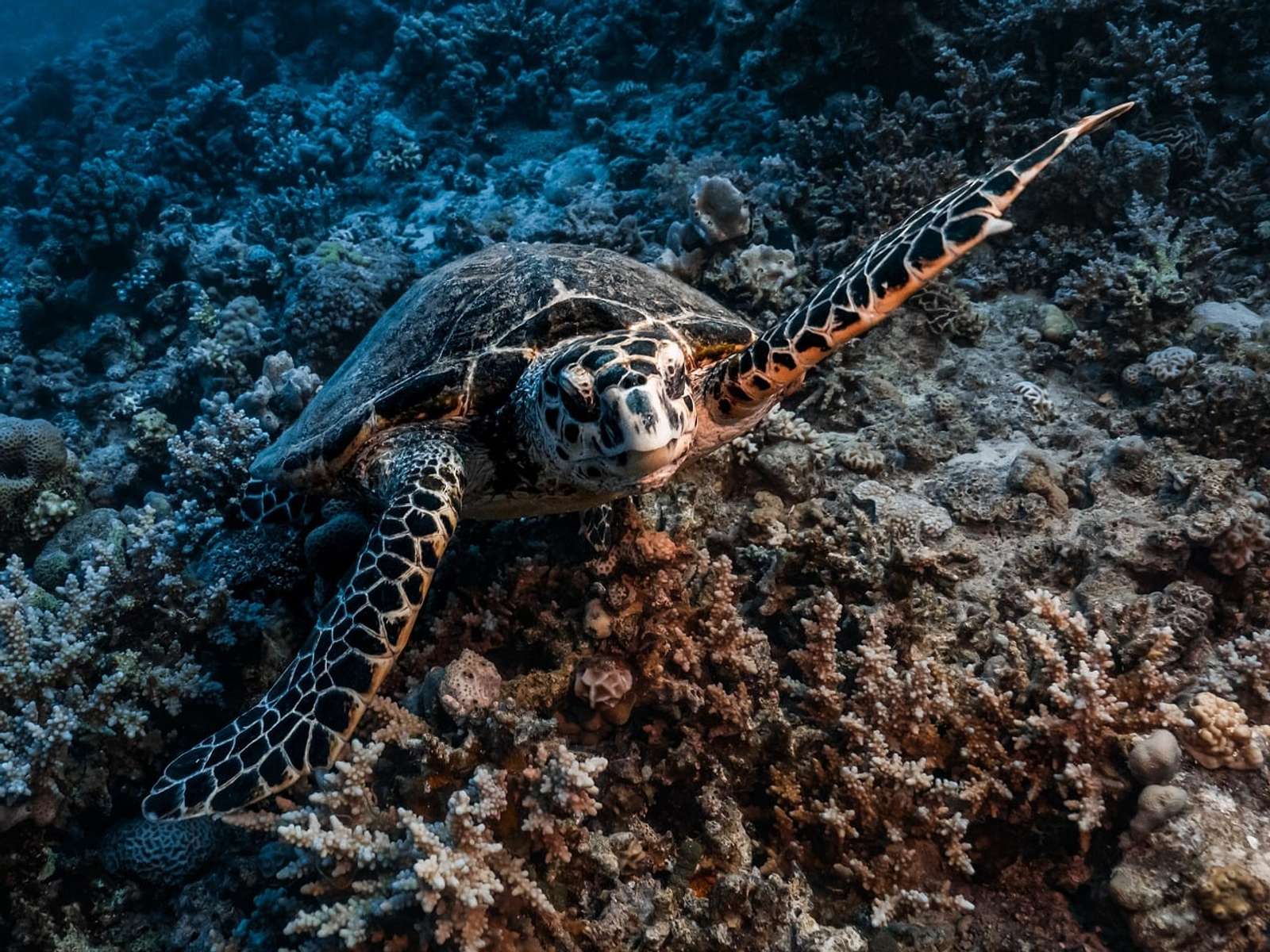
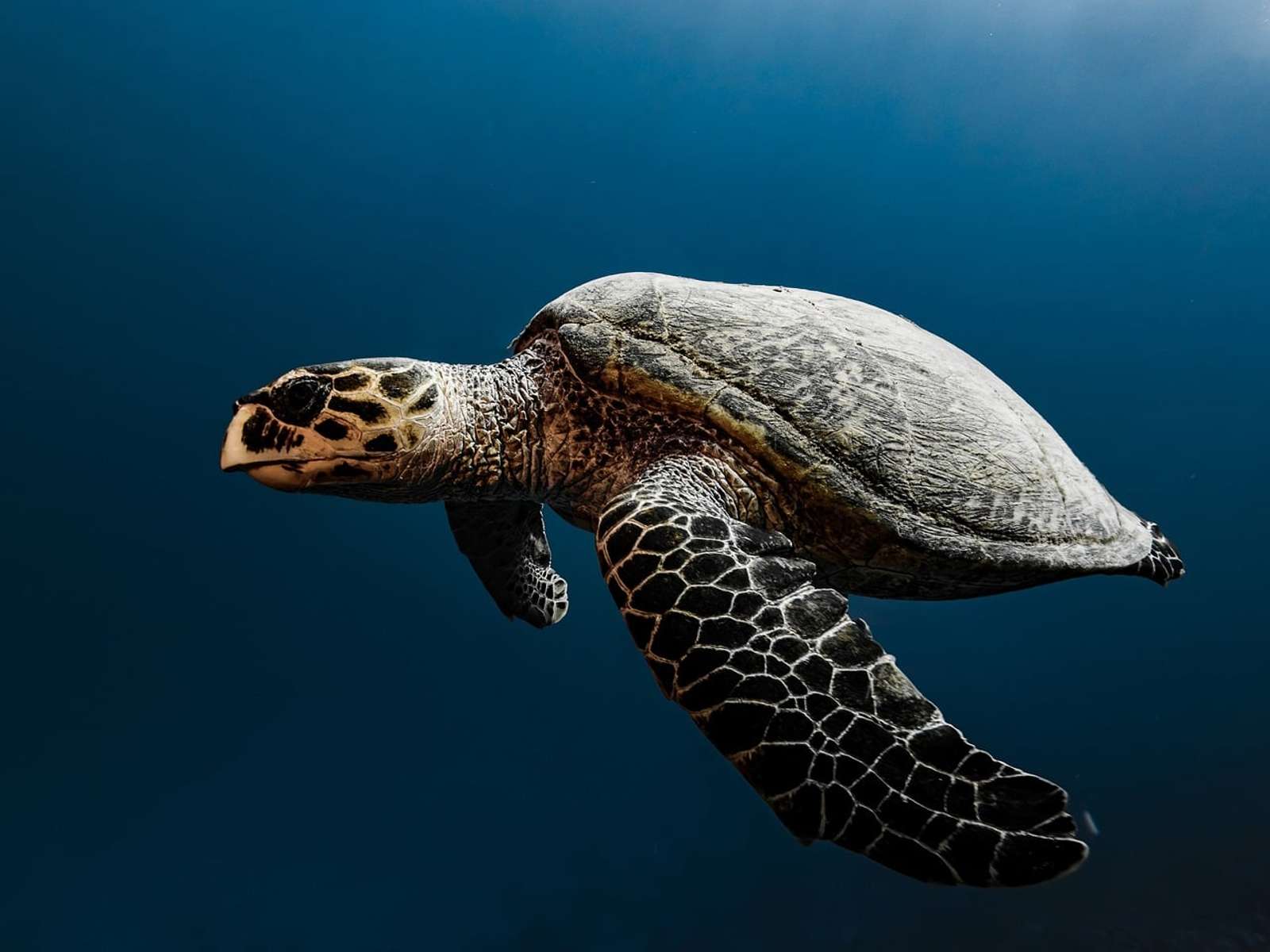
Hawksbill turtles, which are among the world's most threatened sea turtles, account for 18 nests. Those nests contained 3,751 eggs and have so far produced 672 hatchlings.
Protecting the beaches before turtles arrive
The nesting season in Playa del Carmen runs from May through October.
Before the season begins, local authorities contact hotels along the coastline and ask them to take specific measures to make beaches safer for nesting turtles.
That includes removing beach loungers and other obstacles from nesting areas, controlling artificial lighting and preventing vehicles from driving on beaches during the season.
Artificial light can be especially dangerous for sea turtles.
Adult females usually rely on natural light and environmental cues when coming ashore to nest, while newly hatched turtles use the natural brightness over the ocean to find their way toward the water.
Strong lights from hotels, homes or businesses can confuse both adults and hatchlings and send them in the wrong direction.
Local officials are therefore also working with people who live close to the coast, encouraging them to switch off or reduce lights that could interfere with nesting turtles and their young.
Thousands of people are getting involved
The program is not limited to physically protecting nests.
According to the municipality, 2,070 people have already received training in sea turtle protection and conservation during the 2026 season.
Another 2,095 people have participated in awareness activities such as environmental fairs, workshops and educational events.
Volunteers have also taken part directly in keeping nesting areas clean. A total of 283 people have joined beach-cleaning efforts designed to remove waste and other hazards from areas used by turtles.
The combination of nest monitoring, education, hotel participation and volunteer work is intended to give as many turtles as possible a safe route from nesting beach to ocean.
A shared conservation effort
Sea turtles face threats throughout their lives, including habitat loss, plastic pollution, fishing gear, coastal development and climate change.
Protecting nesting beaches is therefore one of the most important opportunities conservationists have to help new generations survive.
The 2026 results in Playa del Carmen show what coordinated local action can accomplish.
Thousands of nests are being watched over, businesses and residents are being encouraged to reduce disturbances, and more than 22,000 young turtles have already emerged during the season.
And with nesting continuing through October, that number could continue to rise.
For one of Mexico's busiest coastal destinations, the effort is also a reminder that tourism and wildlife conservation do not have to exist separately.
With residents, visitors, businesses and conservation teams working together, Playa del Carmen's beaches can remain both a destination for people and a vital nursery for some of the ocean's most remarkable animals.
Sources
- Government of Playa del Carmen · playadelcarmen.gob.mx
How we choose and verify sources: editorial policy.