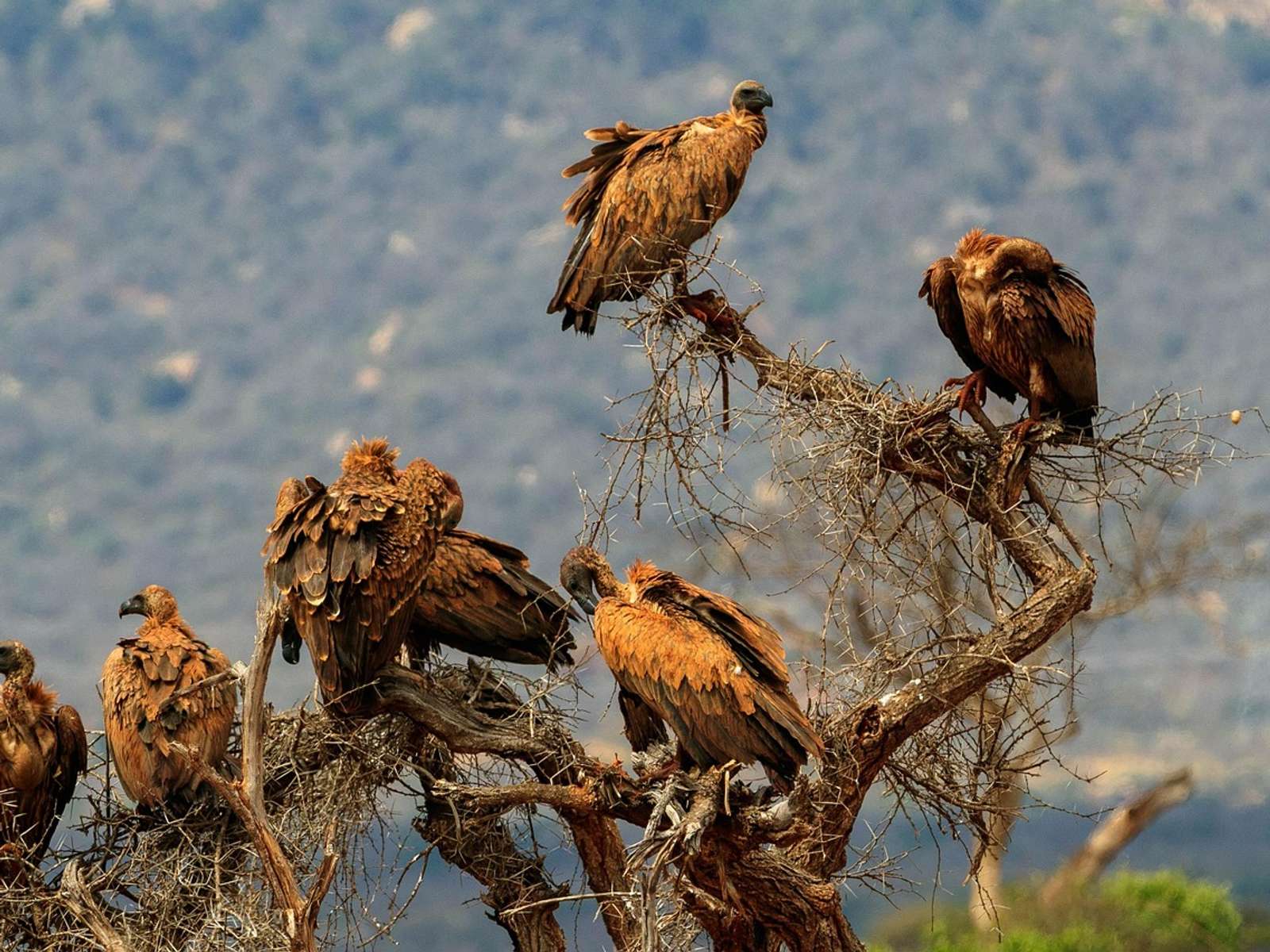
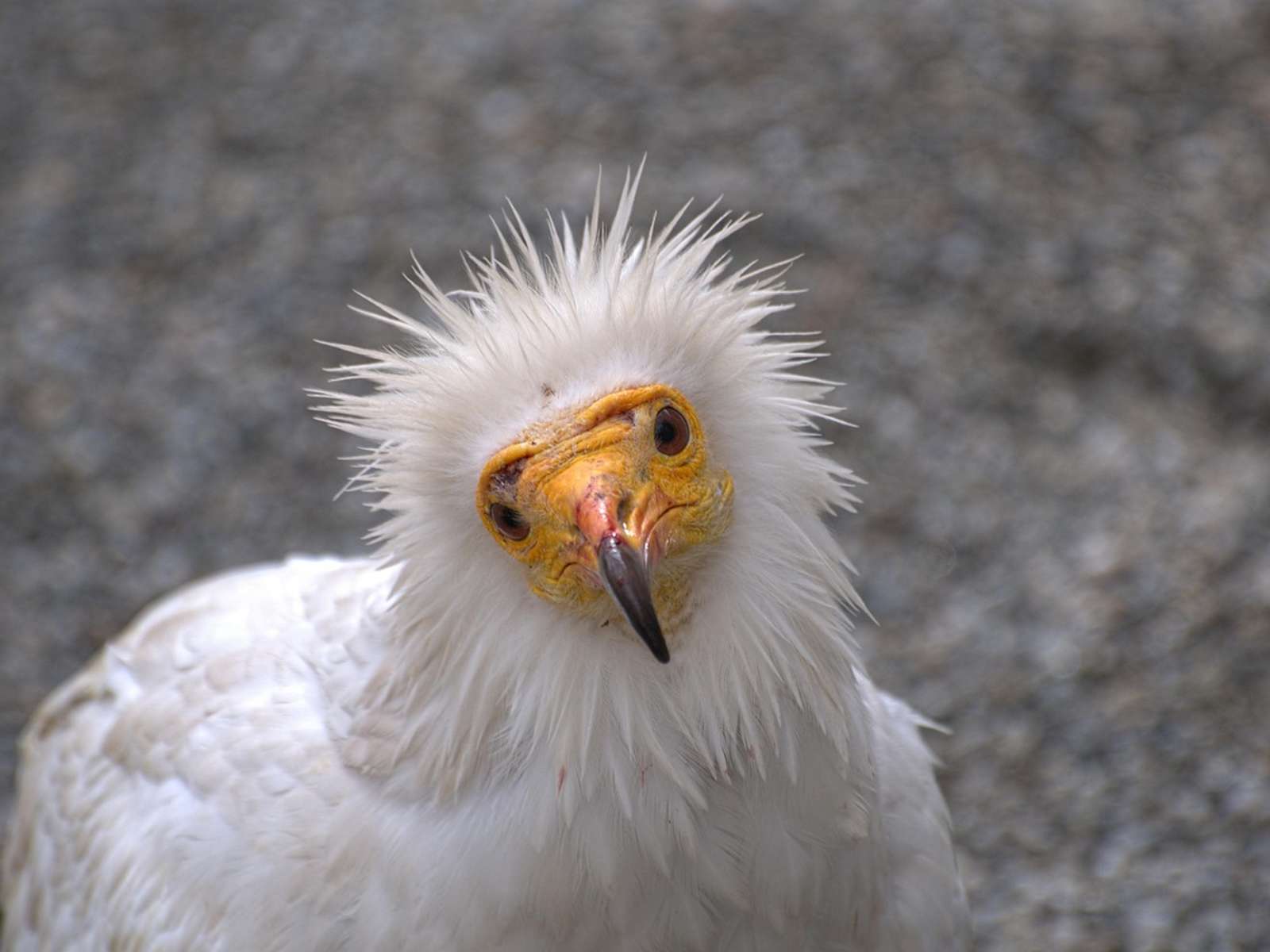
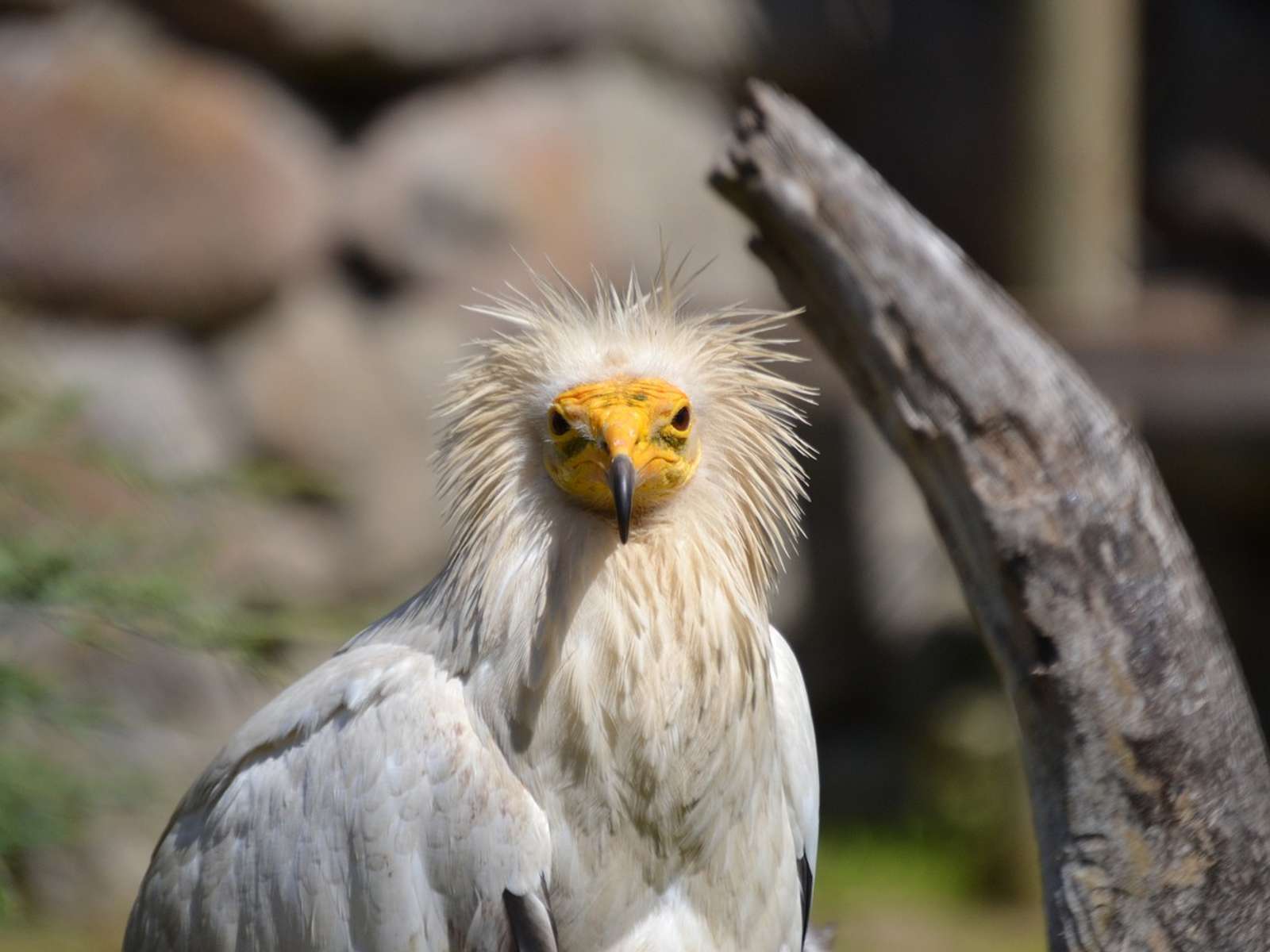
Recorded vulture poisoning deaths in the Balkans fell by almost two-thirds, a new study finds
A Vulture Conservation Foundation study under BalkanDetox LIFE found the average number of vultures recorded as poisoned each year fell from 22 to about 8. But poisoning rose again in 2025, and offenders are rarely punished.
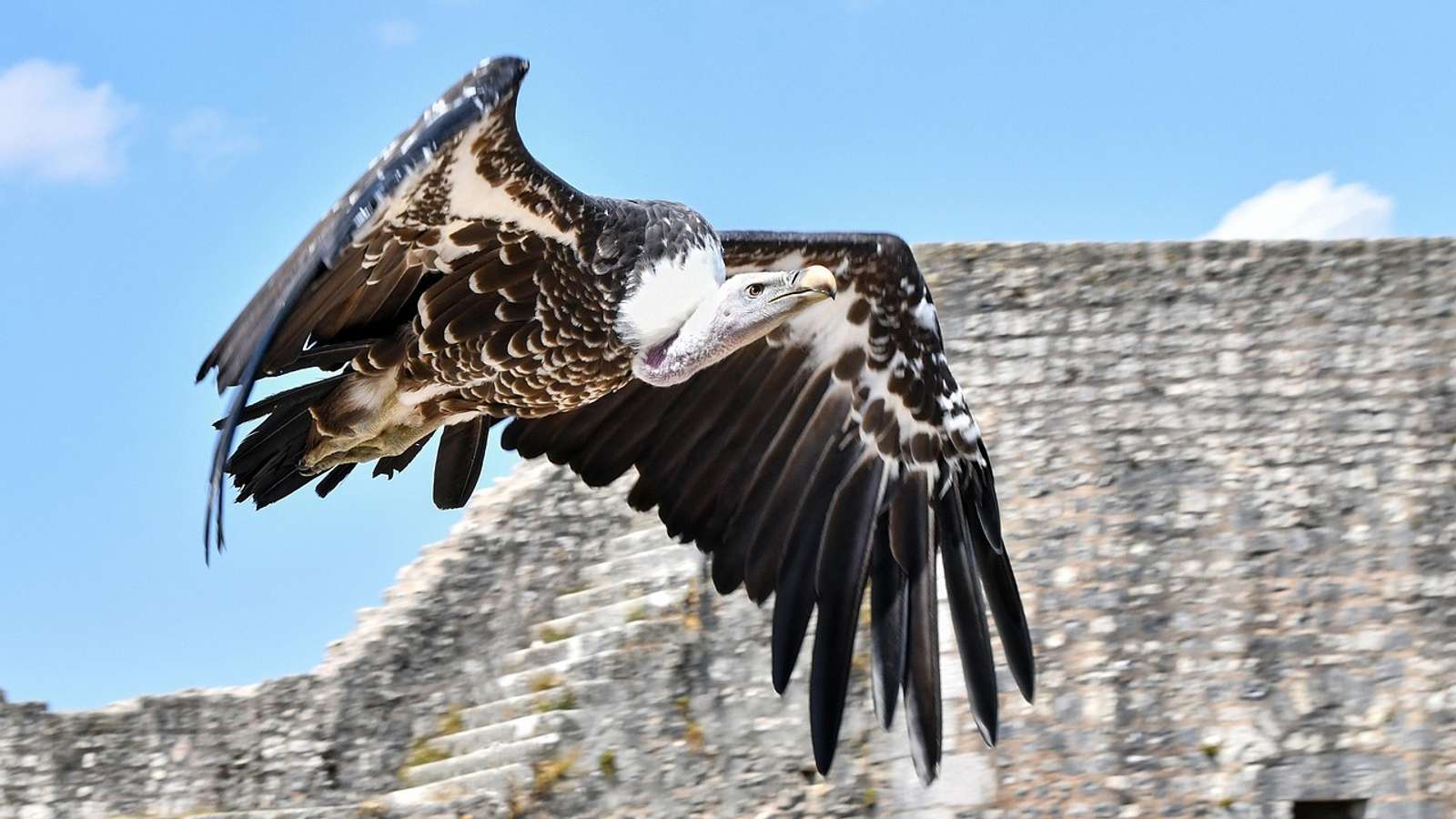
Fewer vultures are being recorded as poisoning victims in the Balkans, according to a study by the Vulture Conservation Foundation (VCF) and partners under the BalkanDetox LIFE project, published on 21 October. The average number of vultures recorded as poisoned each year fell from 22 in 2000 to 2020 to about 8 in 2021 to 2025, a drop of 63.64%.
The study covered poisoning incidents in seven Balkan countries between 2021 and 2025 and compared them with records from the previous two decades. In total, 216 wildlife poisoning events were documented in the five-year period.
Poison baits meant for predators
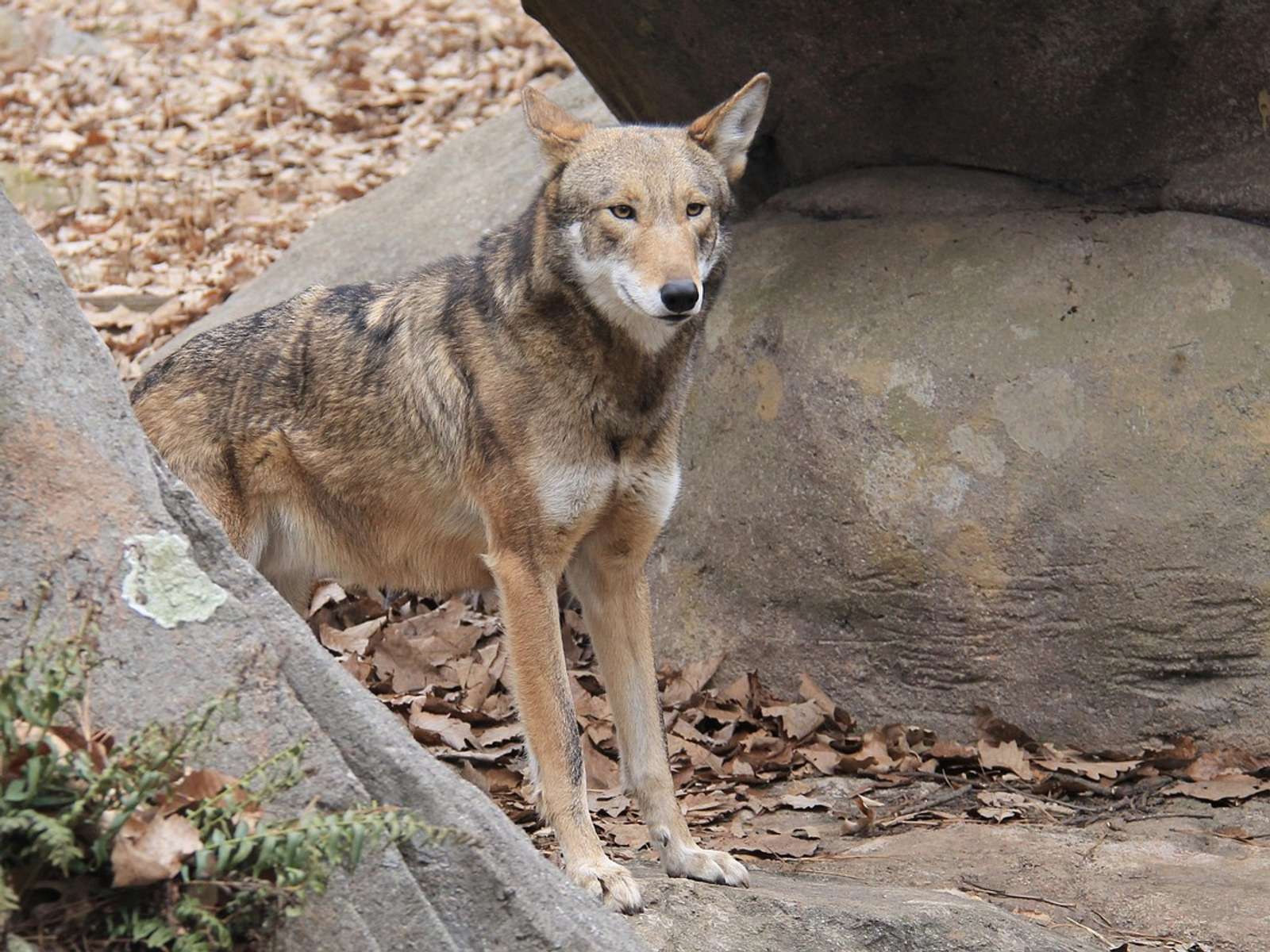
Poison baits are usually laid to kill predators seen as a threat to livestock or game. But they kill whatever eats them, and vultures feeding on poisoned carcasses can die in groups. The study recorded deaths among common buzzards, golden jackals, red foxes, eagles and other species; conflict with mammal predators was the most common identified motive, in 34% of incidents, though in more than half the reason was unknown.
The banned pesticide carbofuran was found in 51.7% of the incidents where toxicology tests were done. Most incidents were recorded in Greece (68%) and Serbia (24%), which the VCF said likely reflects their stronger monitoring rather than more poisoning.
More investigations, few penalties
Authorities are responding more often. Field inspections and investigations were opened in 63.2% of incidents in 2021 to 2025, up from 6% in the earlier period, and completed investigations rose to 10.8%, a sevenfold improvement. Yet only two cases, both in Serbia, ended in penalties, and both were administrative fines after the offenders confessed. That is less than 1% of reported poisoning events.
A worrying rise in 2025
The progress is not secure. During the project, 42 vultures died from poisoning in 26 separate events, and incidents involving vultures increased again in 2025, which accounted for 42% of all vulture poisoning events recorded in the period. For small or recovering populations, the loss of a few birds can be damaging, the VCF said, especially where vultures are being reintroduced.
Poisoning threatens vultures in Africa too; this week researchers found that Critically Endangered Rüppell's vultures use 16 kinds of calls, knowledge that could help breeding programs. The VCF calls for continued monitoring, better forensic work, training for police and prosecutors, and tackling the conflicts that lead people to use poison.
Sources
- Vulture Conservation Foundation · 4vultures.org
How we choose and verify sources: editorial policy.