Reefs grow up to 2.5 times faster around rat-free atolls full of seabirds, which could help islands keep up with rising seas
A Lancaster University-led study of 28 atoll islands found reefs around rat-free, seabird-rich islands grow 1.8 to 2.5 times faster, fast enough to keep pace with sea-level rise under 2°C of warming, the authors project.
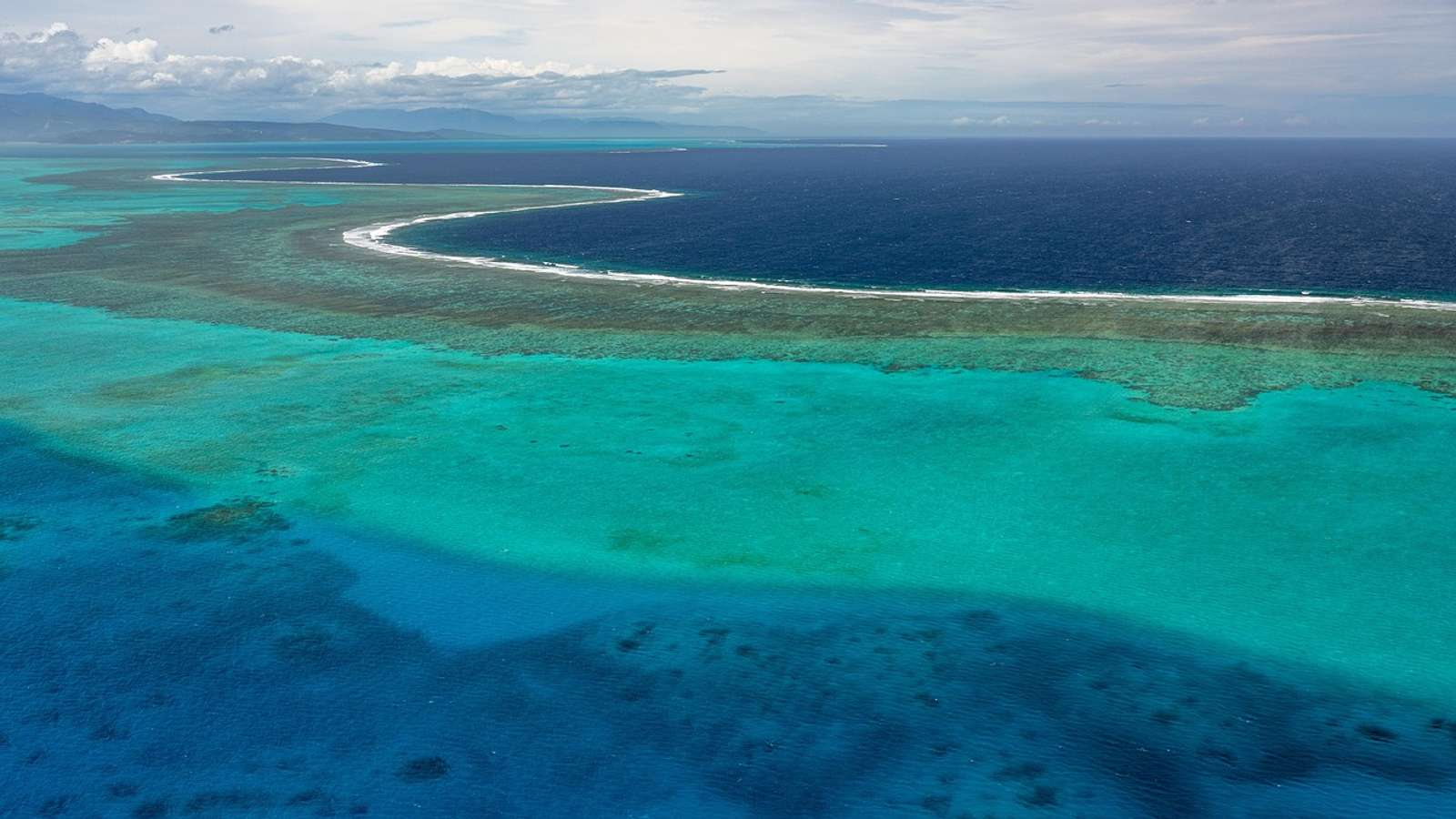
Seabirds and native forests could help low-lying atoll islands keep pace with rising seas, according to a study led by Lancaster University and published in Science Advances on 14 October. Reefs around rat-free islands with many seabirds grew 1.8 times faster on their lagoon sides and 2.5 times faster on their ocean sides than reefs around islands overrun by rats, Lancaster University said.
Rats eat the seabirds that feed the reefs
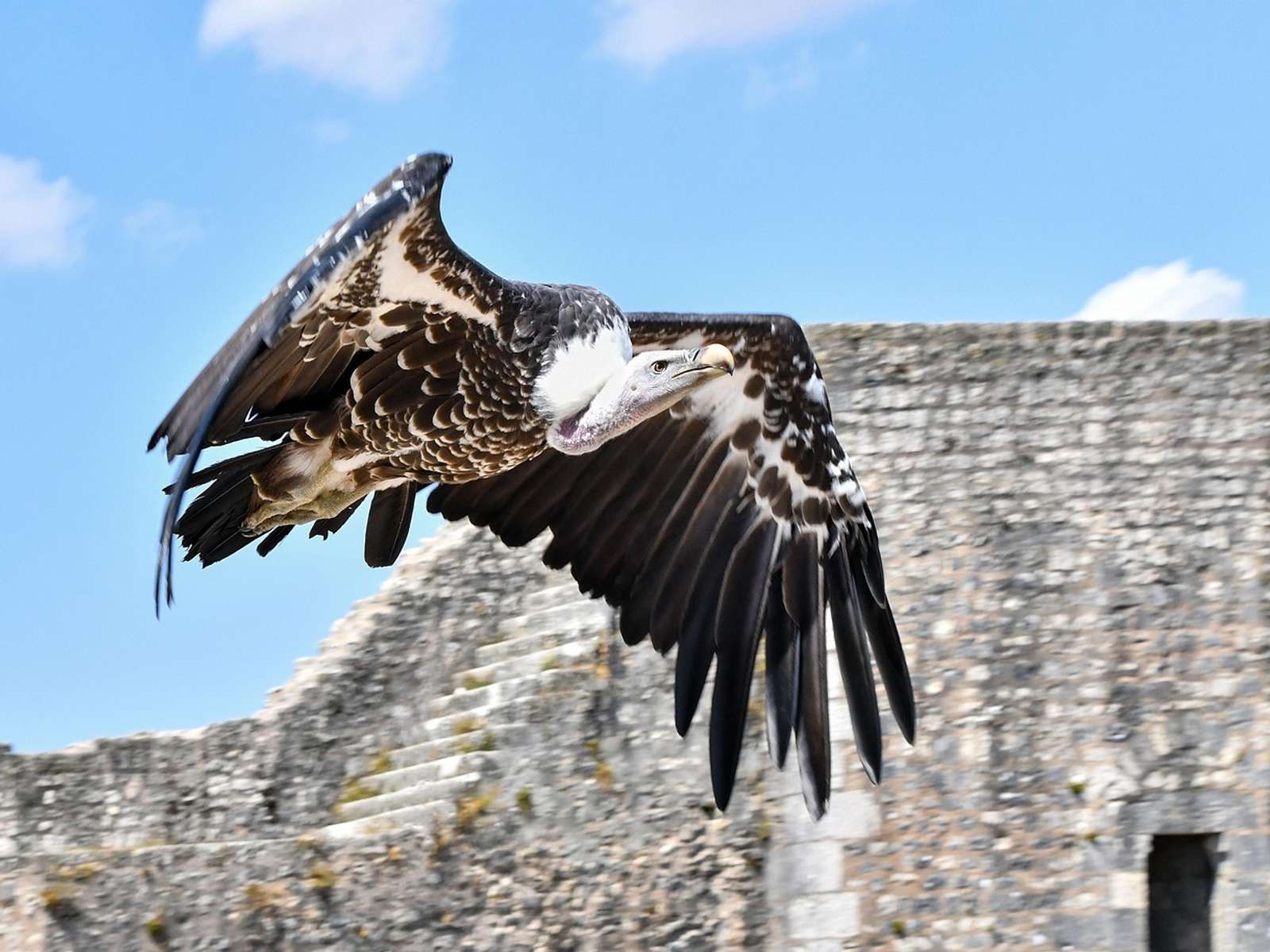
The link runs through nutrients. Seabirds feed at sea and nest on islands, where their droppings fertilize the land; rain washes those nutrients onto the surrounding reefs. Introduced rats eat seabird eggs and chicks, so islands with rats have far fewer birds and less fertilizer.
The team, which included researchers from The Nature Conservancy, the University of Exeter, the University of Oxford and the University of the Seychelles, used data from 28 atoll islands in the Seychelles and the Chagos Archipelago in the Indian Ocean and Tetiaroa Atoll in French Polynesia.
More sand, stronger roots
Reef growth is only part of the picture. Islands with seabirds had 2.3 to 2.8 times higher sediment production on their reefs, which for an island of about 14 hectares means roughly 170 extra cubic meters a year of the sand that builds and repairs islands. Where native vegetation was abundant, fine root length was 4.6 times higher, helping bind the soil against waves and storms.
Under a 2°C warming scenario, the faster reef growth could keep pace with sea-level rise to the end of the century, the authors project. Without seabirds, reef growth is “predicted to have limited ability to keep up,” said co-author Casey Benkwitt of The Nature Conservancy.
“Atoll islands are not static, they are naturally active systems.” — Distinguished Professor Nick Graham, Lancaster University, lead author
Rat removal and replanting as climate adaptation
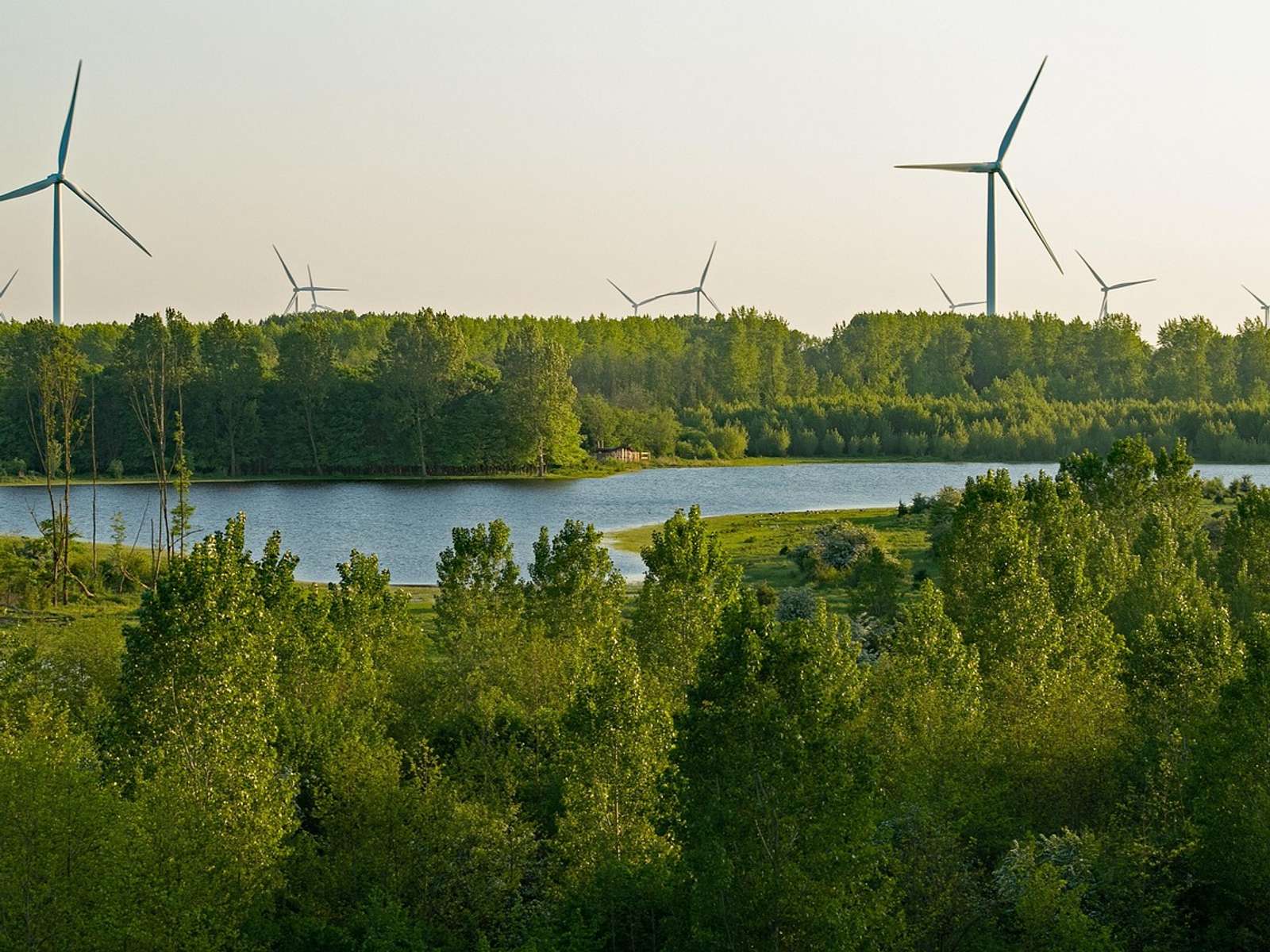
The stakes are high for the people who live there. More than 700,000 people live on atolls across the Indo-Pacific, said co-author Sebastian Steibl of the University of Auckland. Coconut plantations are estimated to dominate about 60% of Pacific atoll forests, and the authors point to removing rats and replacing abandoned plantations with native vegetation as priorities. Co-author Jennifer Appoo of the University of the Seychelles said the approach may suit sparsely inhabited atolls where sea walls are not practical.
The figures are projections and estimates based on seabird counts and ecological measurements, not results from restoring a specific island. The study builds on a wider review we reported this week, which found that birds move nutrients that feed coral reefs and forests.
Sources
- Lancaster University · lancaster.ac.uk
- science.org
- auckland.ac.nz
How we choose and verify sources: editorial policy.