Fiji launches a national plan to protect its coral reefs, built on climate-resilience research
Fiji has launched a National Action Plan for Coral Reef Conservation, drawing on University of Queensland research that identified reefs less exposed to climate stress.
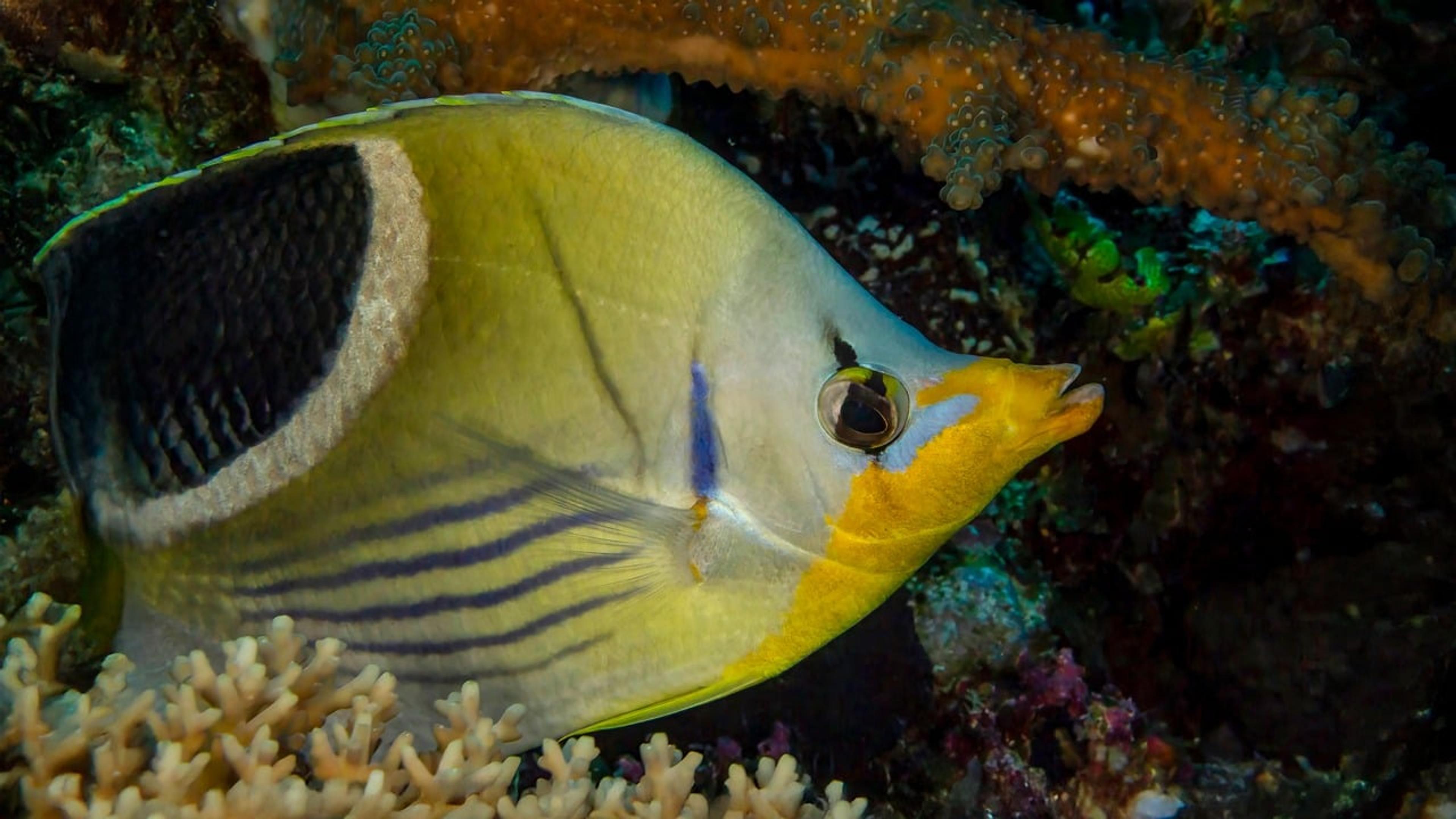
Fiji has launched a National Action Plan for Coral Reef Conservation at the Pre-COP climate meeting in Nadi, building on research that identified some of the world's most climate-resilient reefs, the University of Queensland said. Pre-COP was co-hosted by Fiji, Tuvalu and Australia.
Some reefs are naturally sheltered from heat stress
A University of Queensland analysis identified reefs with comparatively low exposure to climate stress because of local ocean conditions such as currents. Those reefs are a priority because they have a better chance of surviving warming seas and helping others recover.
The plan sets out a whole-of-country approach built on research, education, communication, training and sustainable financing. It was developed through Fiji's National Hub for Coral Reef Conservation, which the environment ministry and the Wildlife Conservation Society used to gather community and stakeholder input on the draft.
“For Fiji, coral reefs are not only an environmental asset, but they are part of our food security, our livelihoods, our culture and our protection against the growing impacts of climate change.” — Dr Sivendra Michael, Permanent Secretary for Environment and Climate Change, Fiji
A US$7 million project backs the work across six countries
The work is supported by the US$7 million Coral Reef Rescue Project of the Global Environment Facility, implemented by WWF and UQ International Development. It works with local partners in six countries and draws on traditional ecological knowledge. In Fiji, its focus areas are the Great Sea Reef, the Vatu-i-Ra Seascape and the Somosomo Strait.
Coral reefs support an estimated quarter of all marine species for Pacific Island nations, including more than 1,000 reef-associated fish species, and underpin food, income and culture. They are under growing pressure from climate change, overfishing, pollution and coastal damage.
Emeritus Professor Ove Hoegh-Guldberg, the UQ reef scientist, said it was "heartening to see countries such as Fiji" committing to national plans for their reefs. Scientists are also testing new tools to help corals survive heat, such as probiotics that protected corals during a Red Sea heatwave.
Like what you're reading?
Related stories
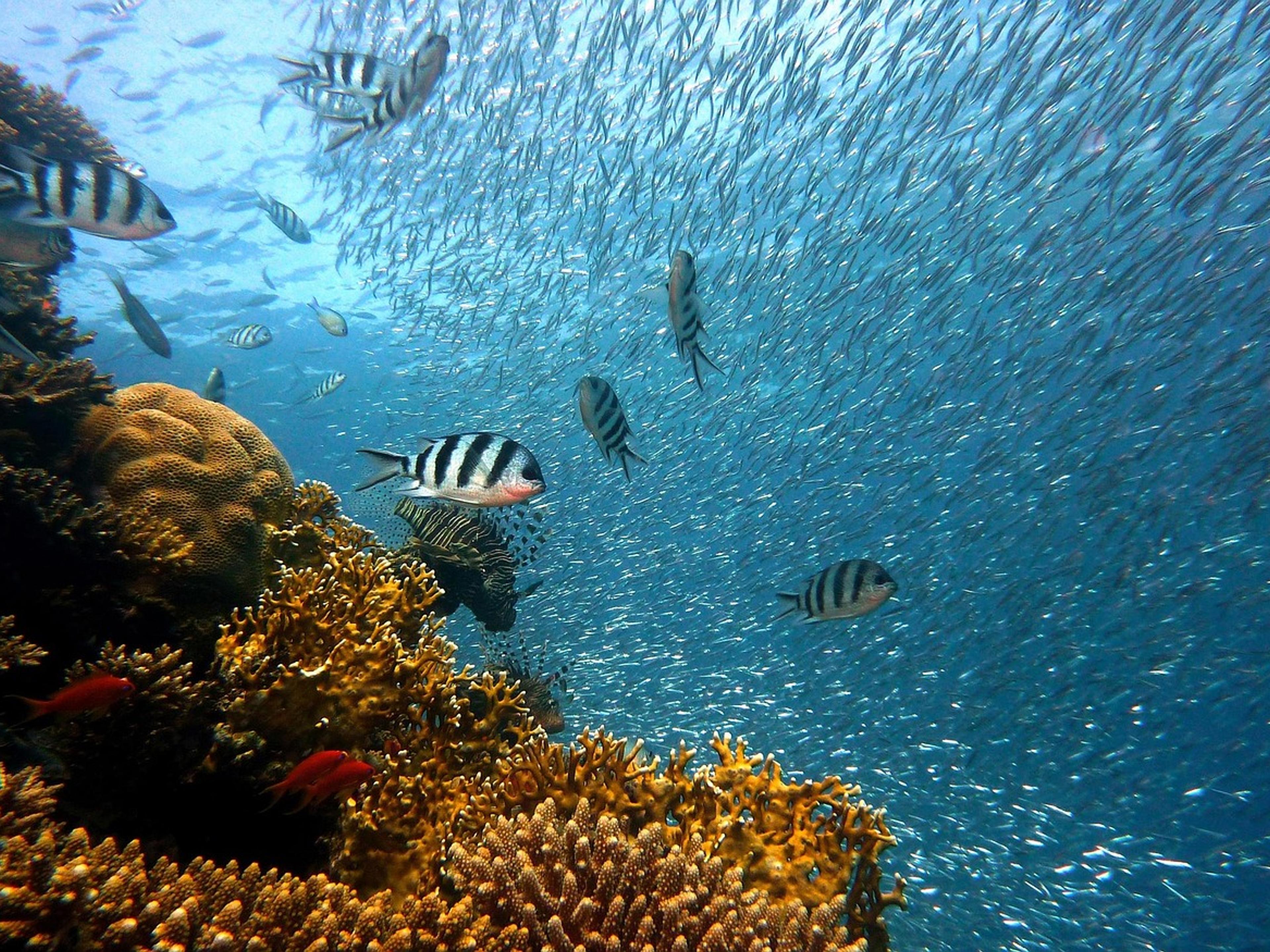
Probiotics Protected Corals From Bleaching During a Red Sea Heat Wave in a Field Test
On a Red Sea reef during a real marine heat wave, corals treated with a custom bacterial mix kept their color and photosynthetic health while untreated corals declined, researchers at KAUST report.
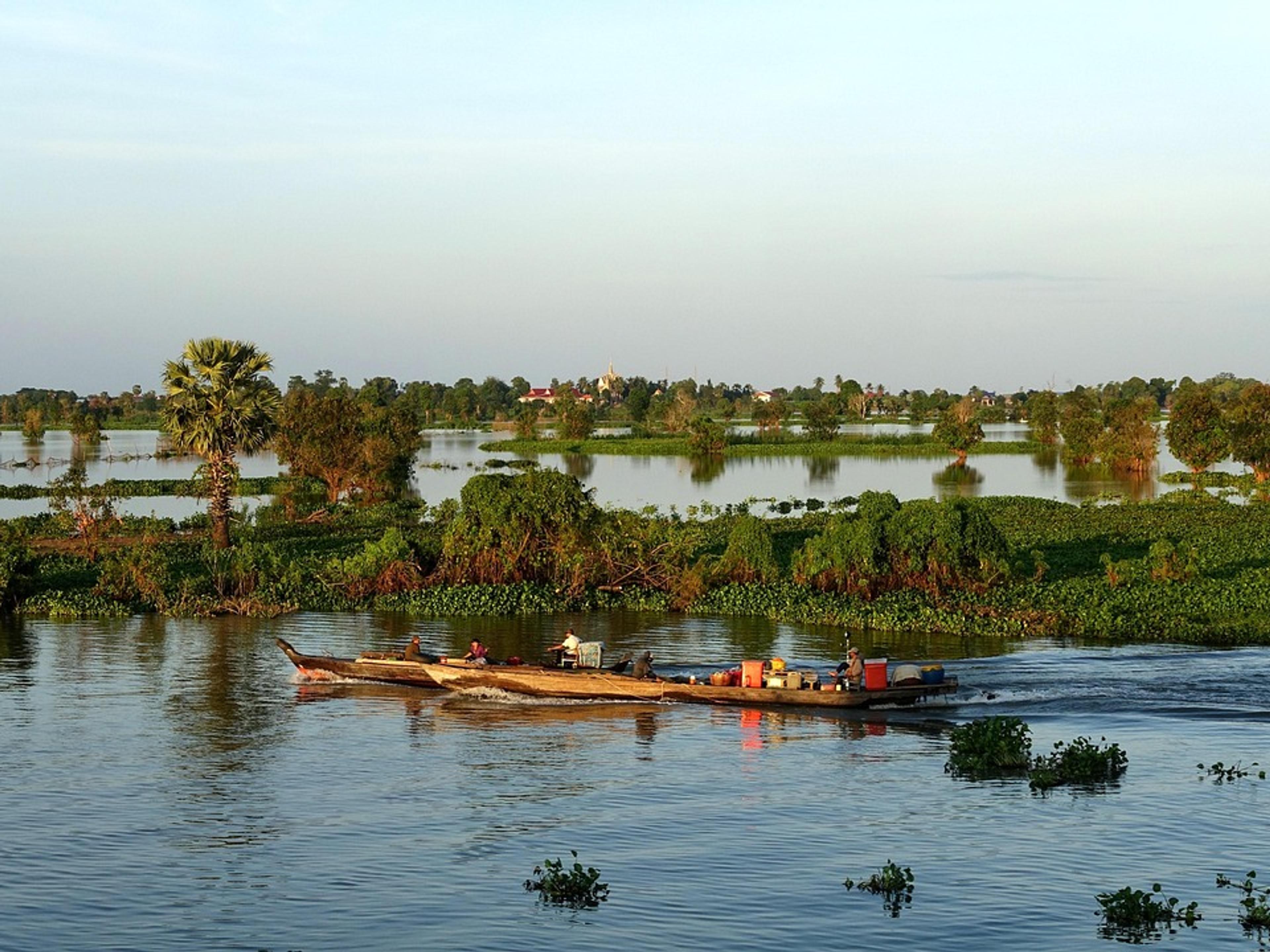
Landfills, sewers and flood defences improve life for 114,000 people near Cambodia's Tonle Sap
An ADB-backed project built landfills, wastewater plants, drains and latrines in two Cambodian towns on the Tonle Sap, improving services for more than 114,000 residents of Southeast Asia's largest lake basin.
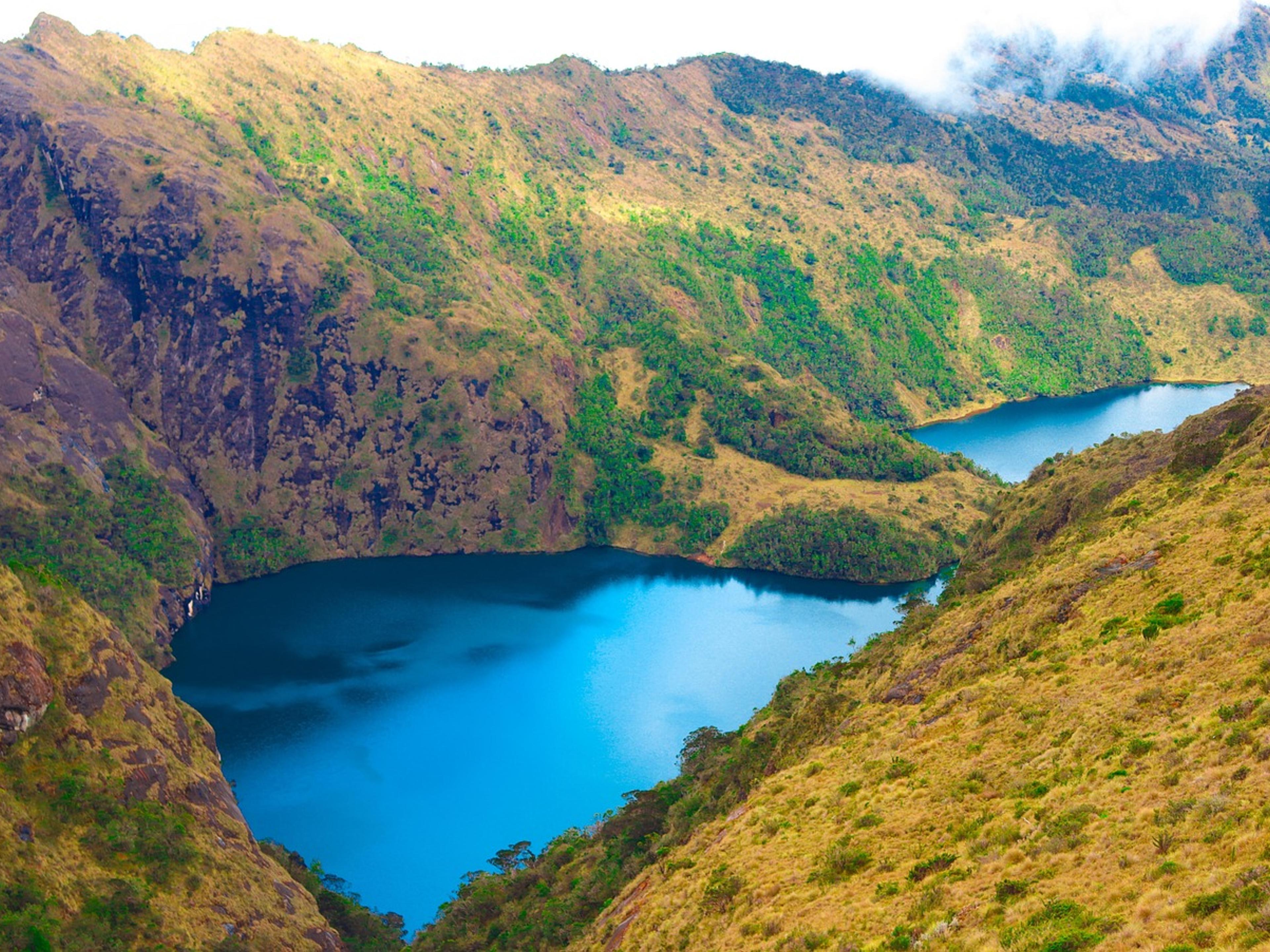
Young people present Papua New Guinea's first Youth Climate Manifesto to the government
Young people from 18 of Papua New Guinea's 22 provinces drew up the country's first Youth Climate Manifesto and presented it to government officials in Port Moresby.