Flood shelters, early warnings, drought-ready farms and water systems that help communities cope with a changing climate, and who pays for them.
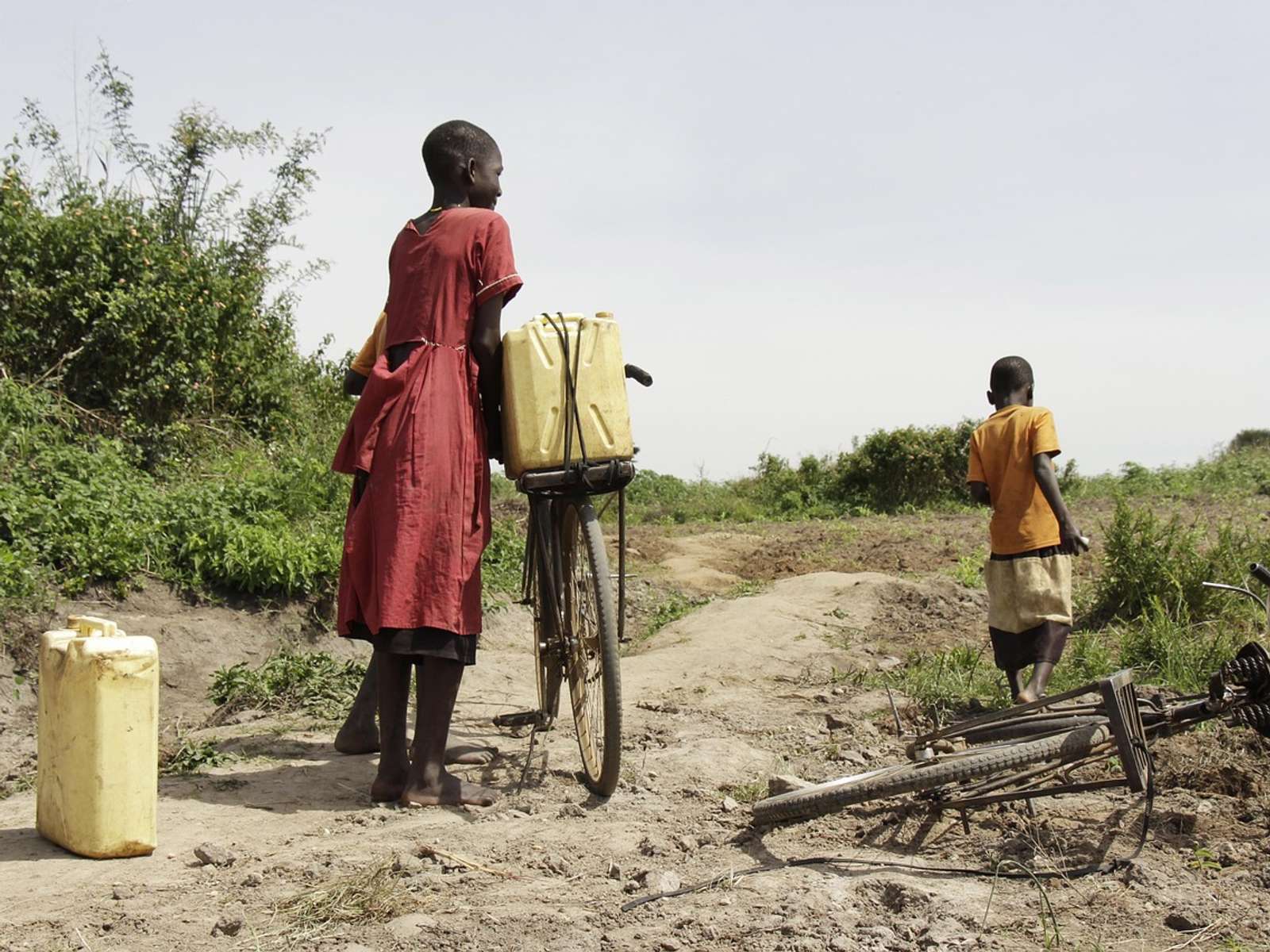
Austria is giving EUR 3.5 million, and UNICEF EUR 390,000, for a three-year water and sanitation program in Uganda's Yumbe and Madi-Okollo districts, home to the Bidibidi and Rhino Camp refugee settlements. More than 72,000 people should benefit.
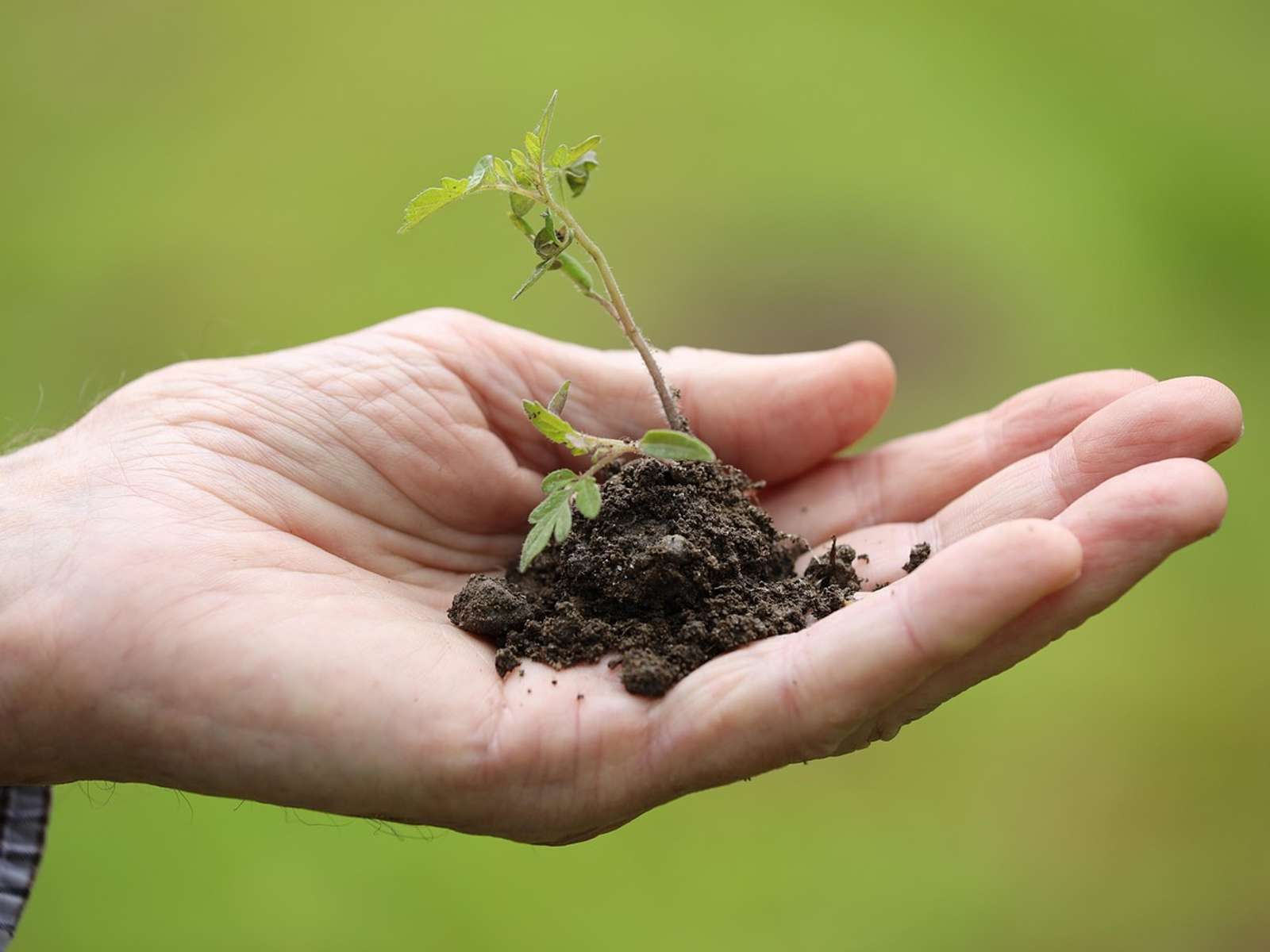
Eighteen pilot schools in Turkmenistan received the country's first Green School certificates, six at Level II and 12 at Level I, UNICEF said on 5 November. Students lead eco-clubs, clean-up days and tree planting under the program.
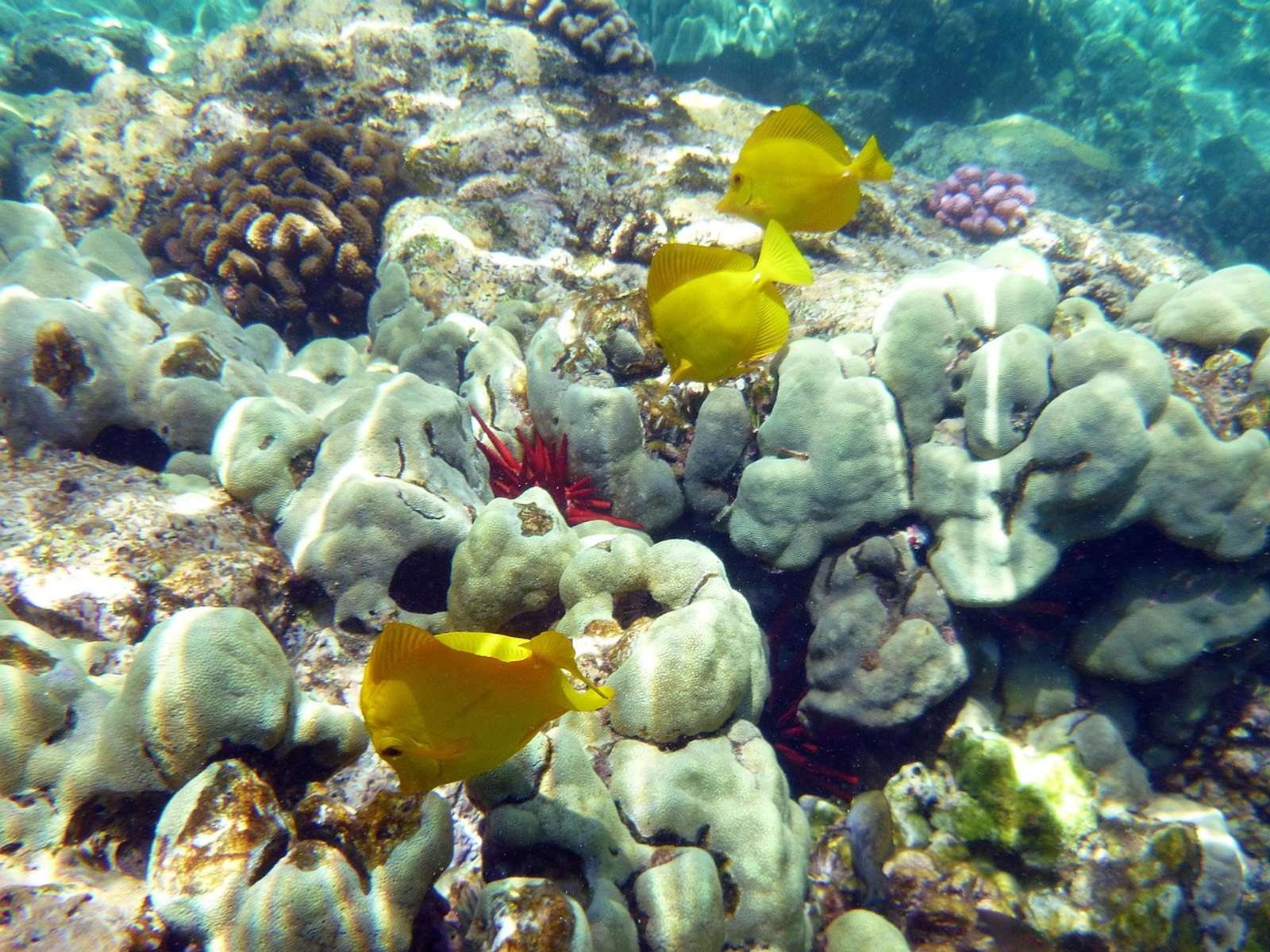
Eight of 60 concrete structures were in place off Kalaeloa Harbor on O'ahu by 20 October, part of a $27 million DARPA-funded hybrid reef meant to reduce wave energy and give corals a home, Mongabay reported. Installation should finish by January 2027.
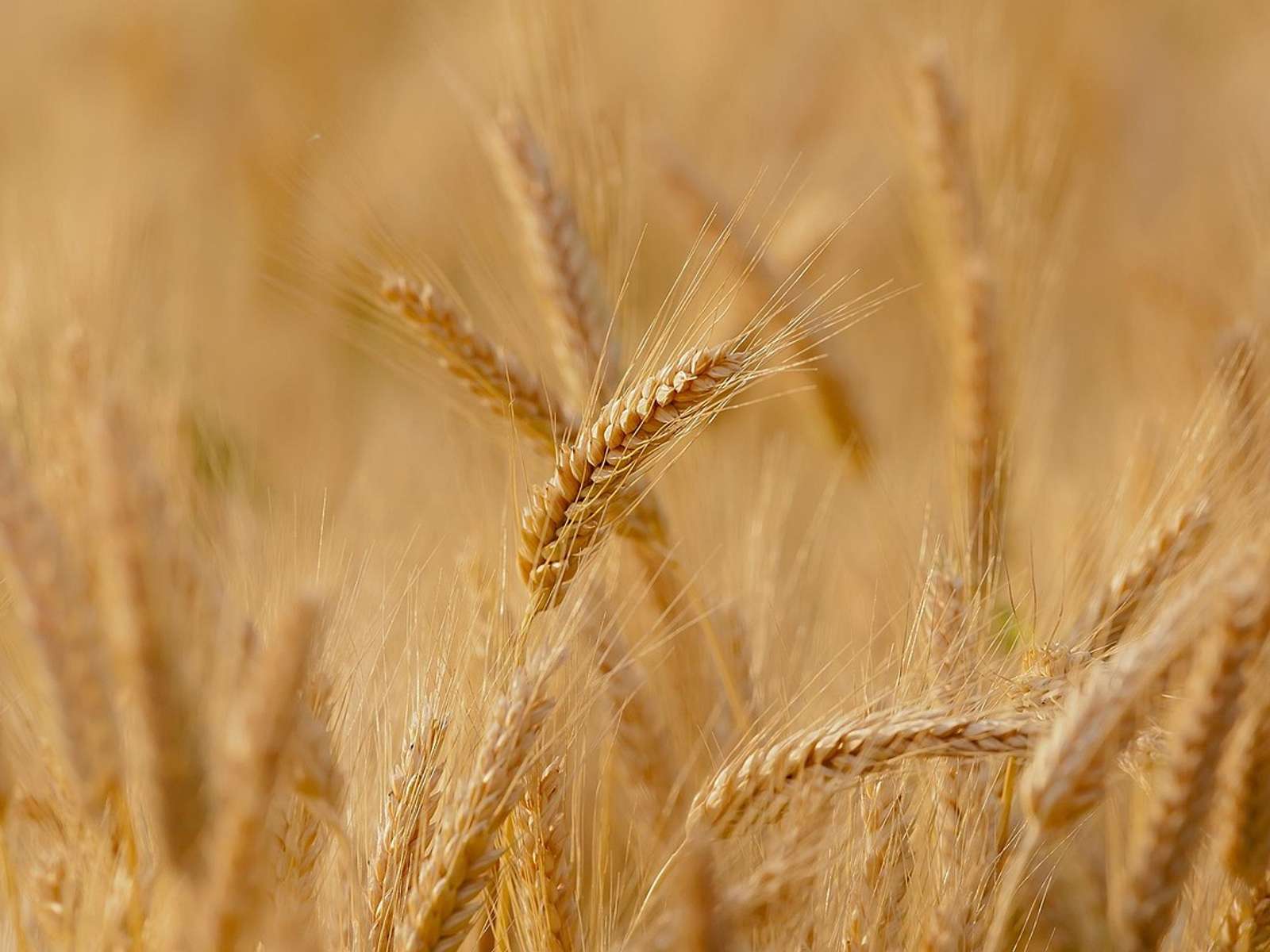
University of Queensland researchers used a robot called the RootBot and drones to track how 36 wheat varieties take up soil water at Gatton. Varieties differed in how much water they used, when, and from what depth, which could help breed drought-tolerant crops.
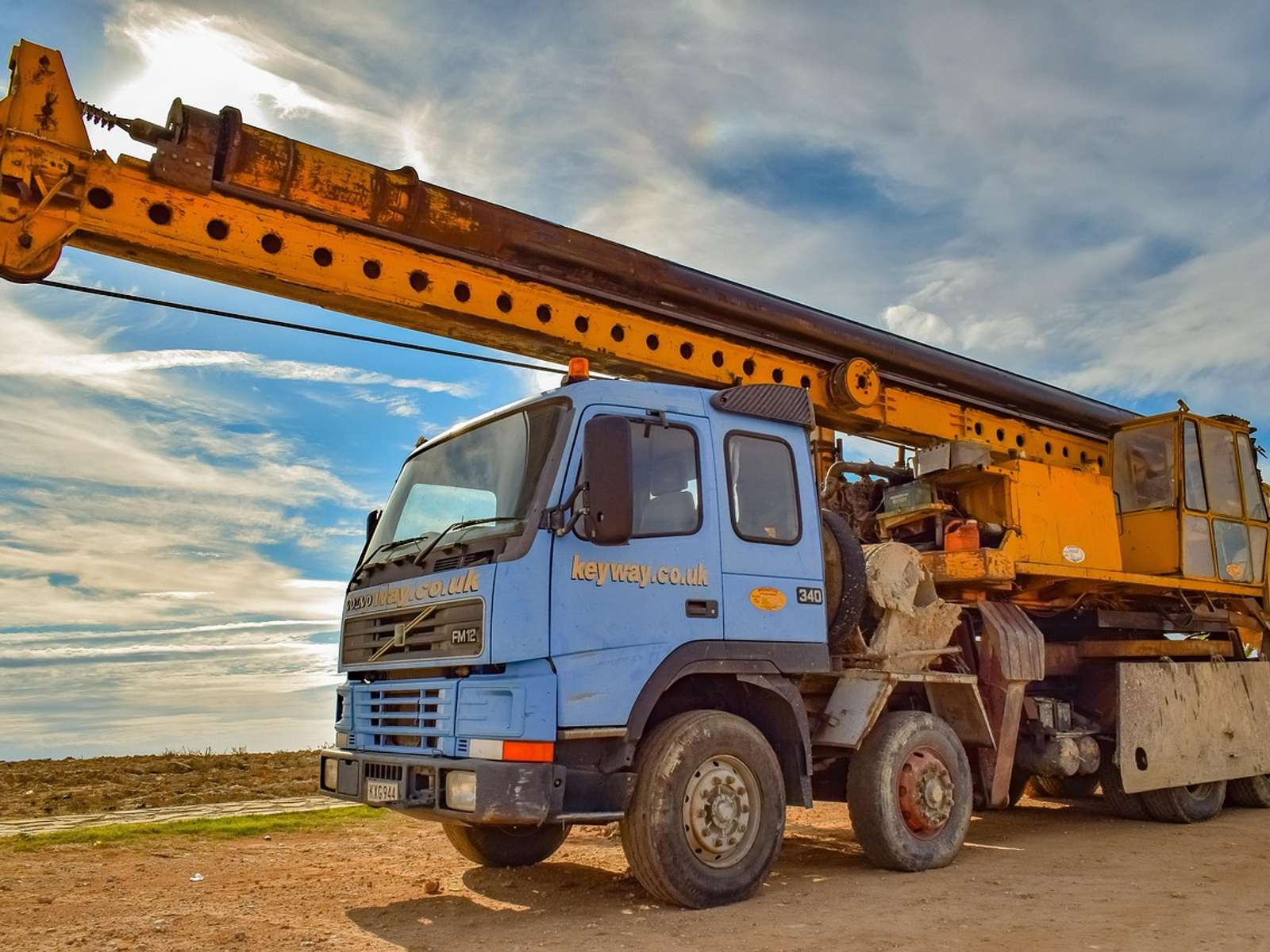
A UNDP groundwater project in Ethiopia's Somali Region drilled 11 high-yield boreholes in 2026, and four water systems now supply 41,112 people, seven schools, three health facilities and 76,618 livestock.
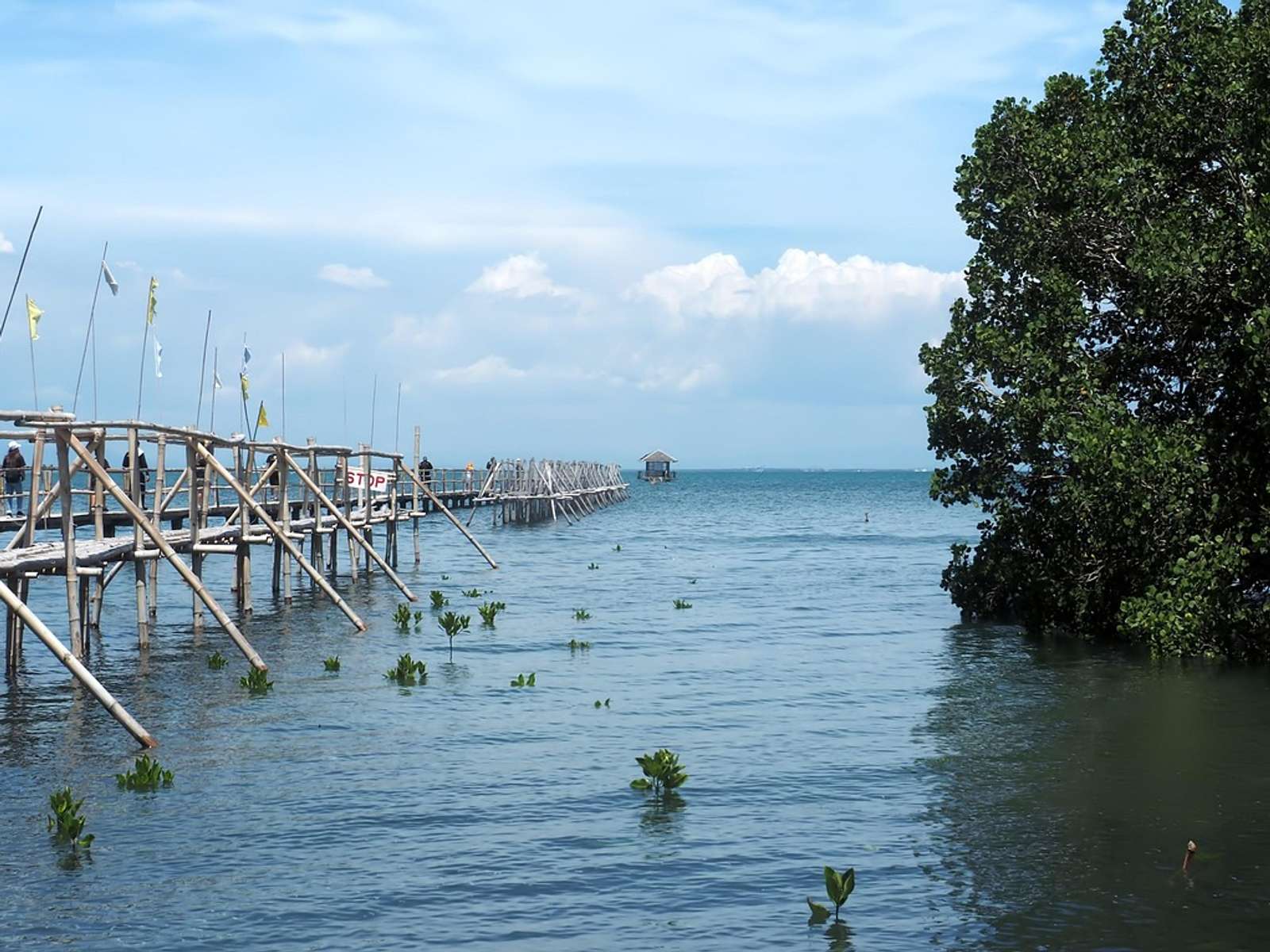
Pamarawan, a village on Manila Bay, has not flooded for almost two years since bamboo cribs, oyster-shell breakwaters in coconut husk nets and sediment traps went in, residents told Mongabay. It is the Philippines' first nature-based coastal protection pilot.
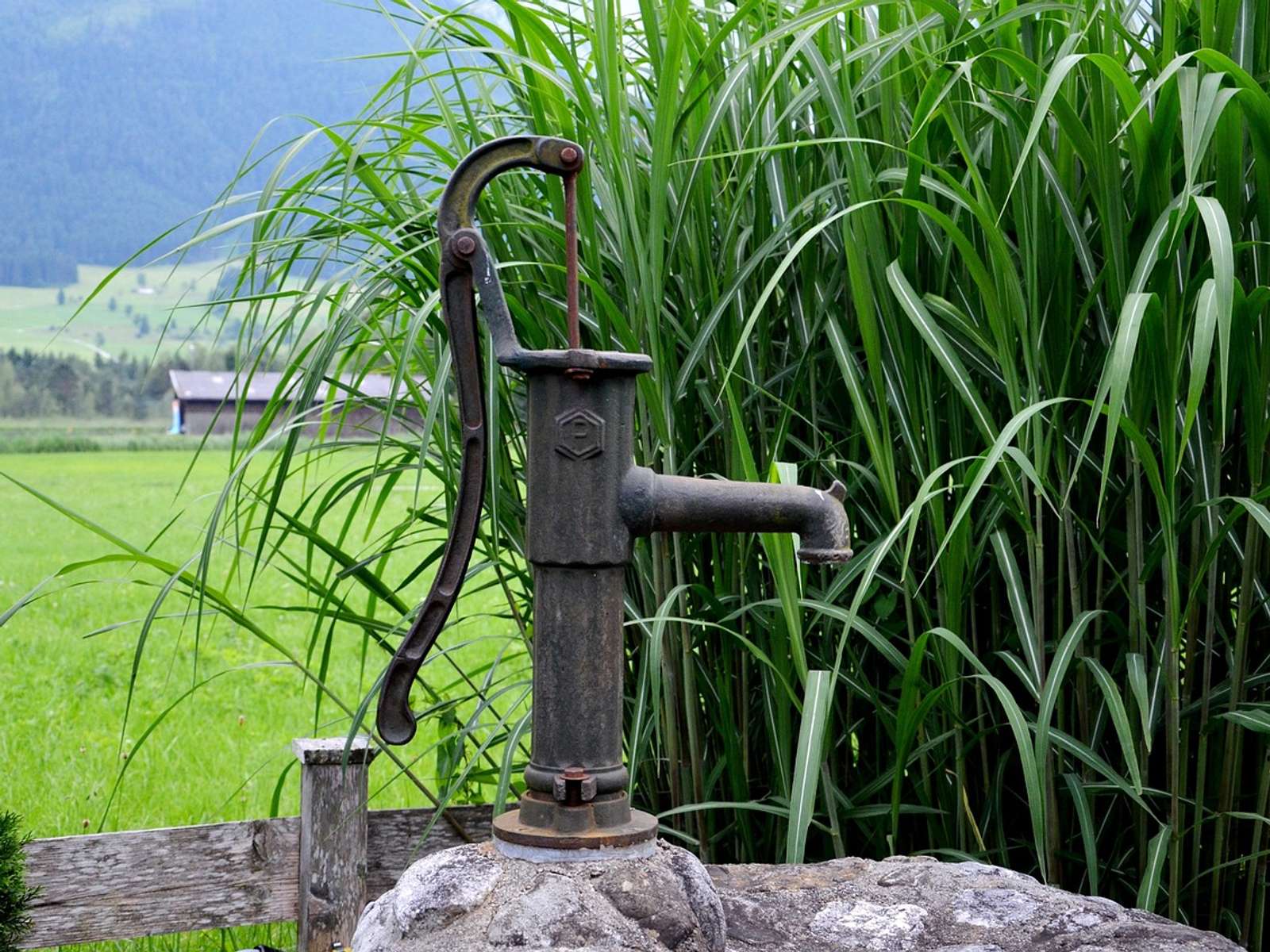
With funding from the Republic of Korea, UNICEF has built 19 boreholes, solar-powered pumps, reservoirs and pipe networks in climate-vulnerable communities including Ghor province, reaching over 39,000 children and their families.
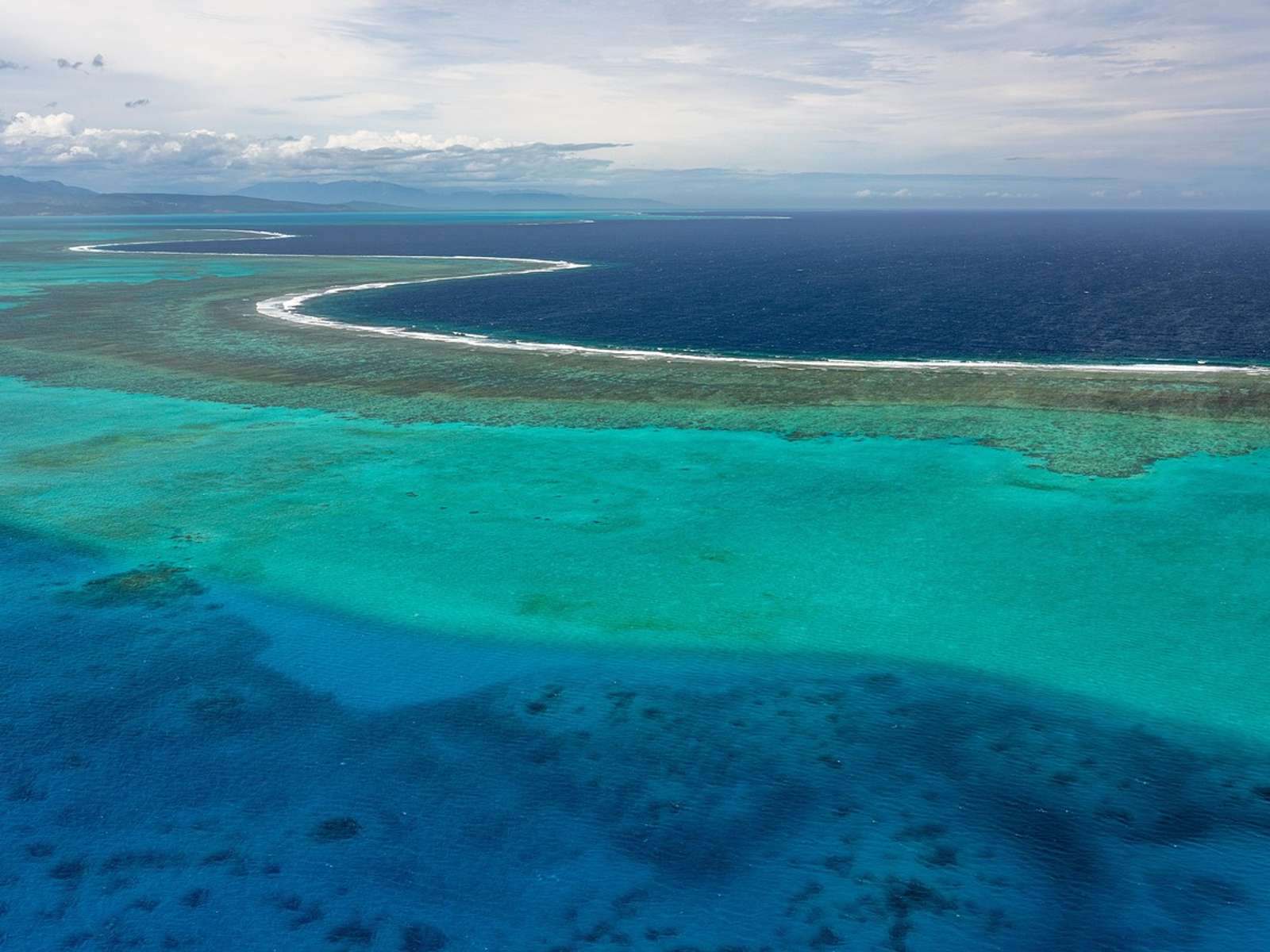
A Lancaster University-led study of 28 atoll islands found reefs around rat-free, seabird-rich islands grow 1.8 to 2.5 times faster, fast enough to keep pace with sea-level rise under 2°C of warming, the authors project.
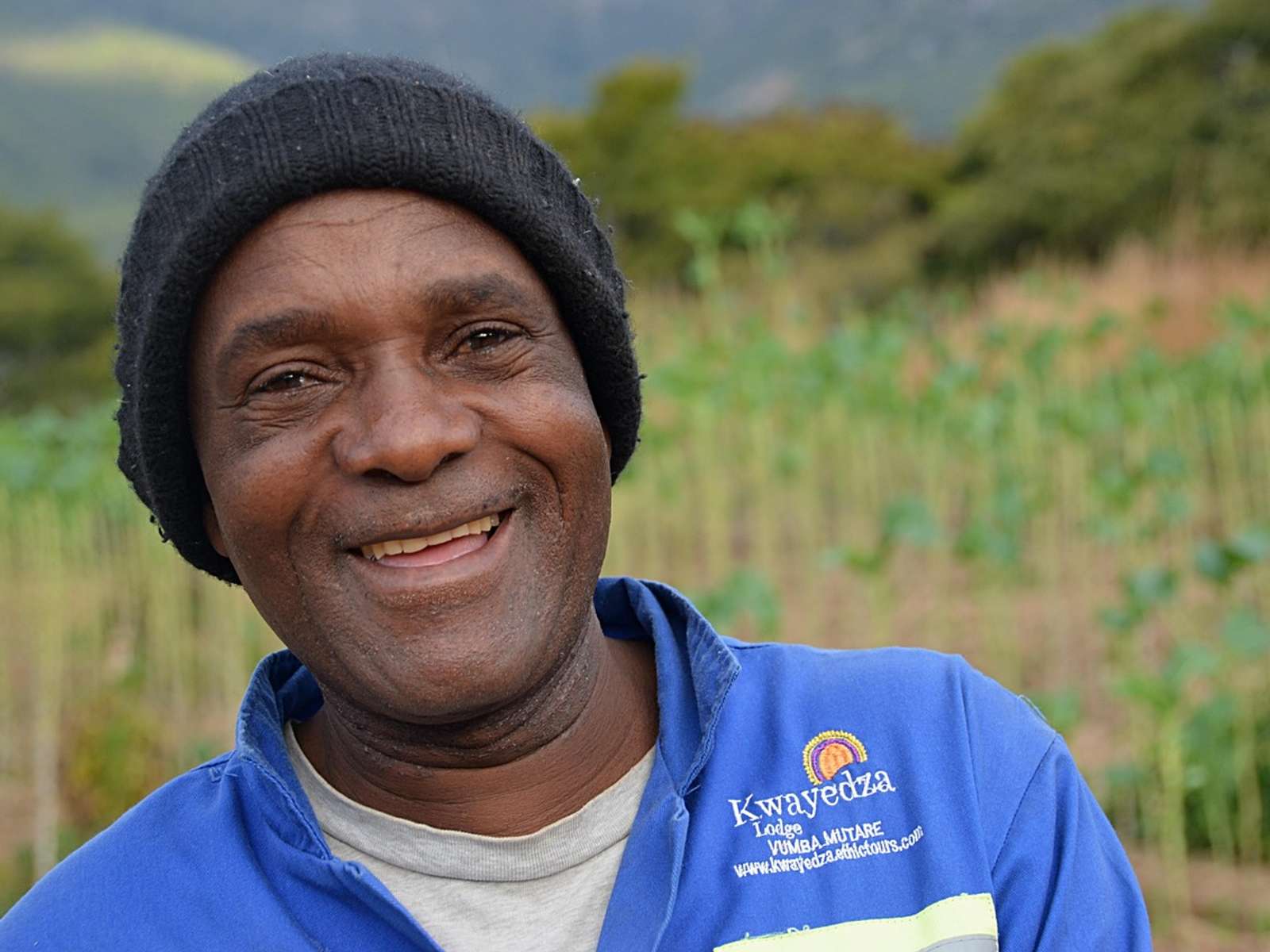
In southern Zimbabwe, a UNDP and Green Climate Fund project has reached 229,414 women directly. Earth augers and threshers cut their farm workload by a reported 76%, and women now hold about half the seats on irrigation committees.
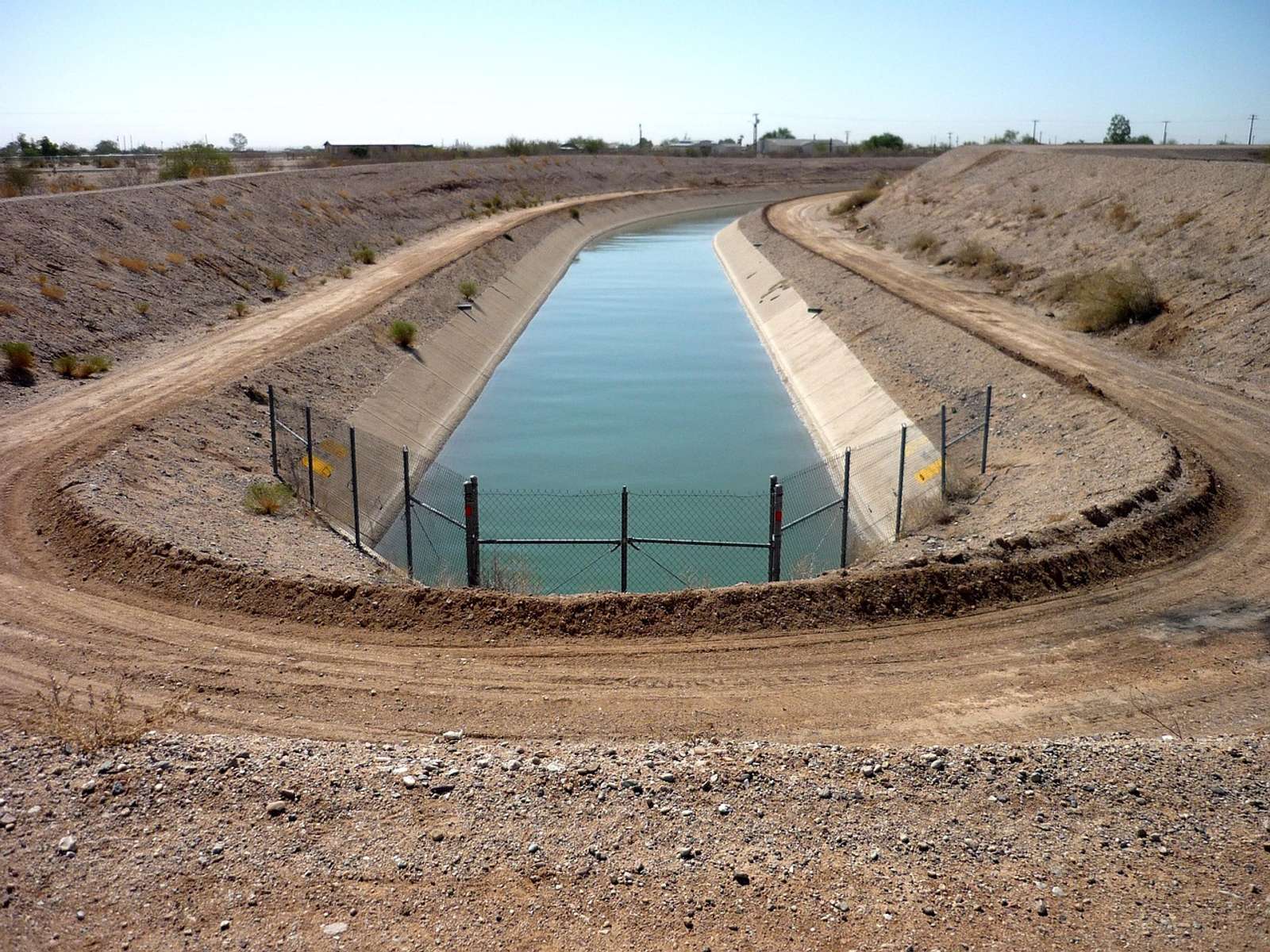
In Kyrgyzstan's Ferghana Valley, a UNDP project led by women has restored more than 22 km of irrigation and installed 204 drip systems, benefiting 3,980 people where 77% of residents had faced conflicts over water.
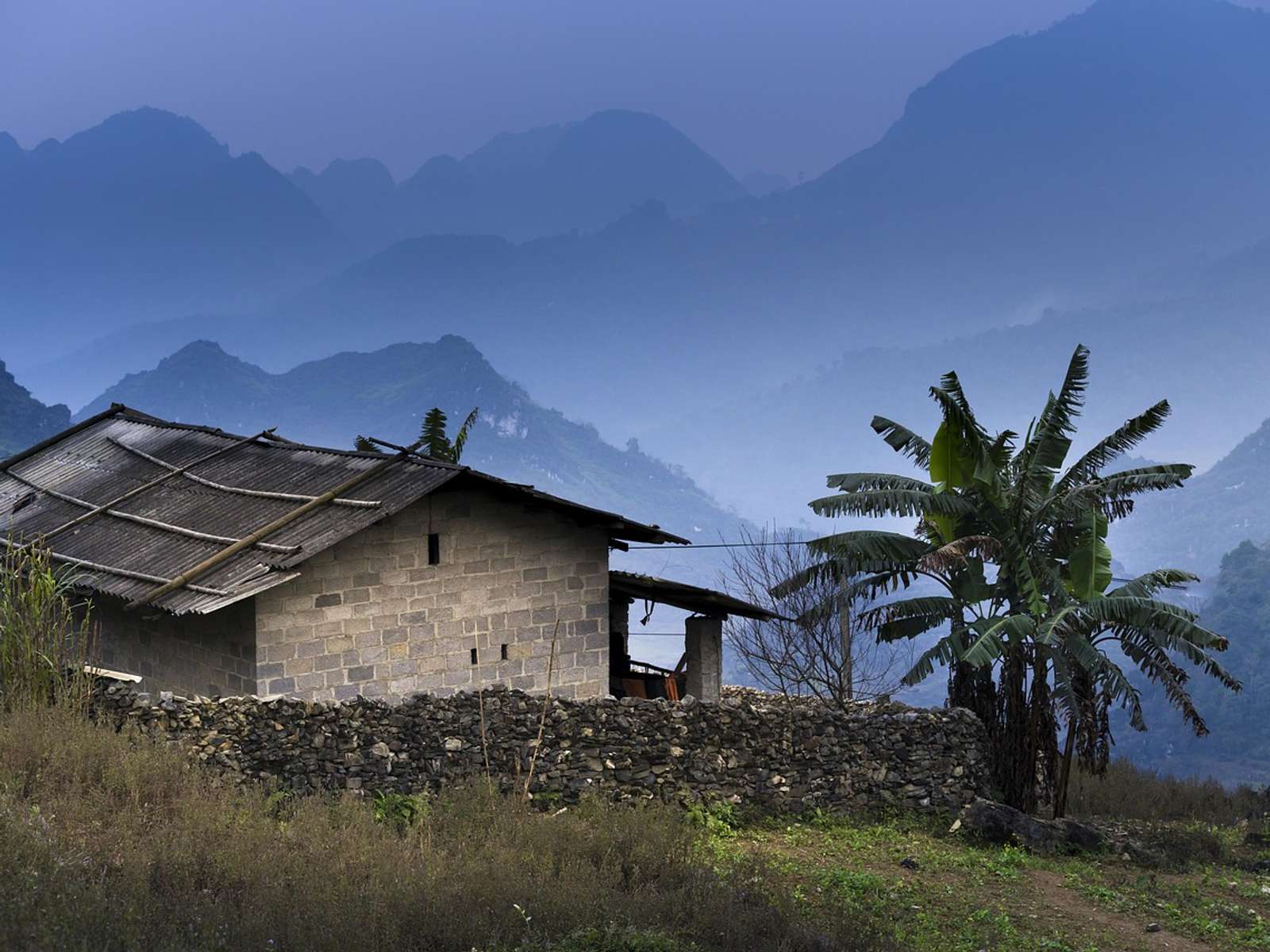
An Australia-funded UNDP recovery project in Thái Nguyên province has built 20 flood-resilient homes, repaired 100 more and given cash aid to 1,340 households after the 2025 typhoons Bualoi and Matmo.
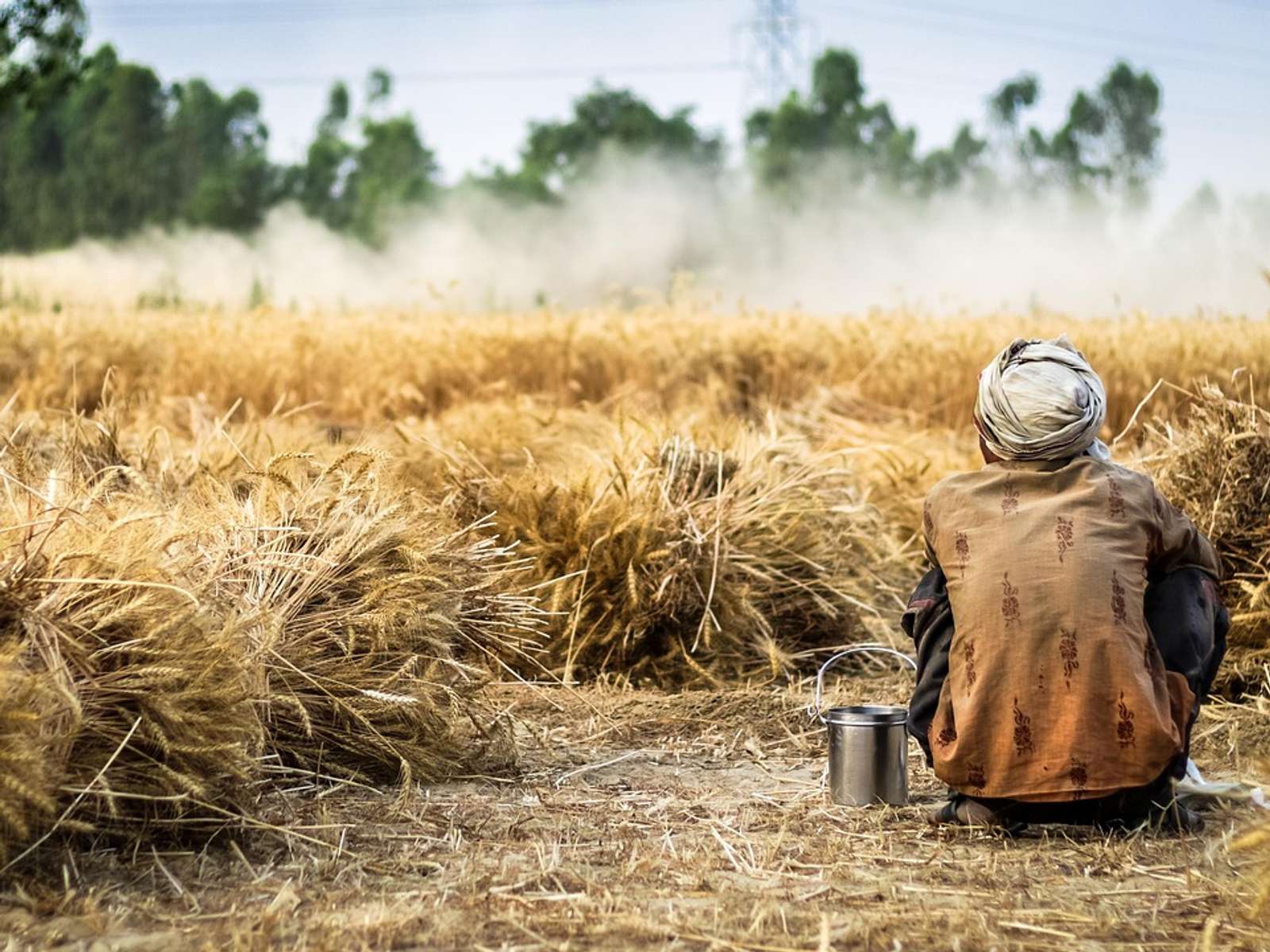
A new €10 million agreement between the EU, UNDP and FAO will spend 42 months helping Yemeni farmers, food businesses and local institutions build climate-resilient value chains and lasting jobs.
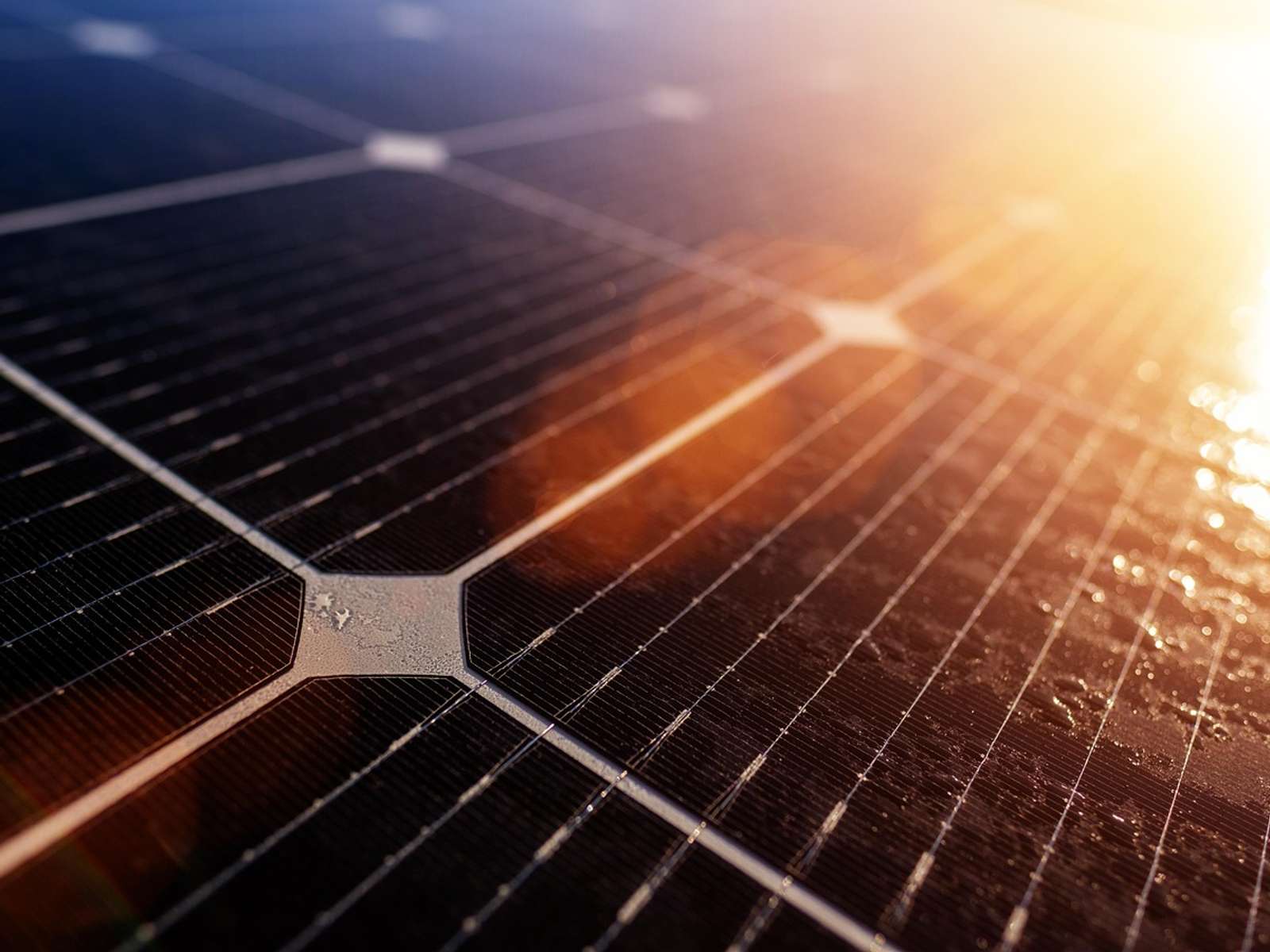
Six of eight planned solar-powered community water points are complete in Garissa County, Kenya, bringing water closer to homes and livestock in Yumbis, Labisigale, Hagadera and Welher.
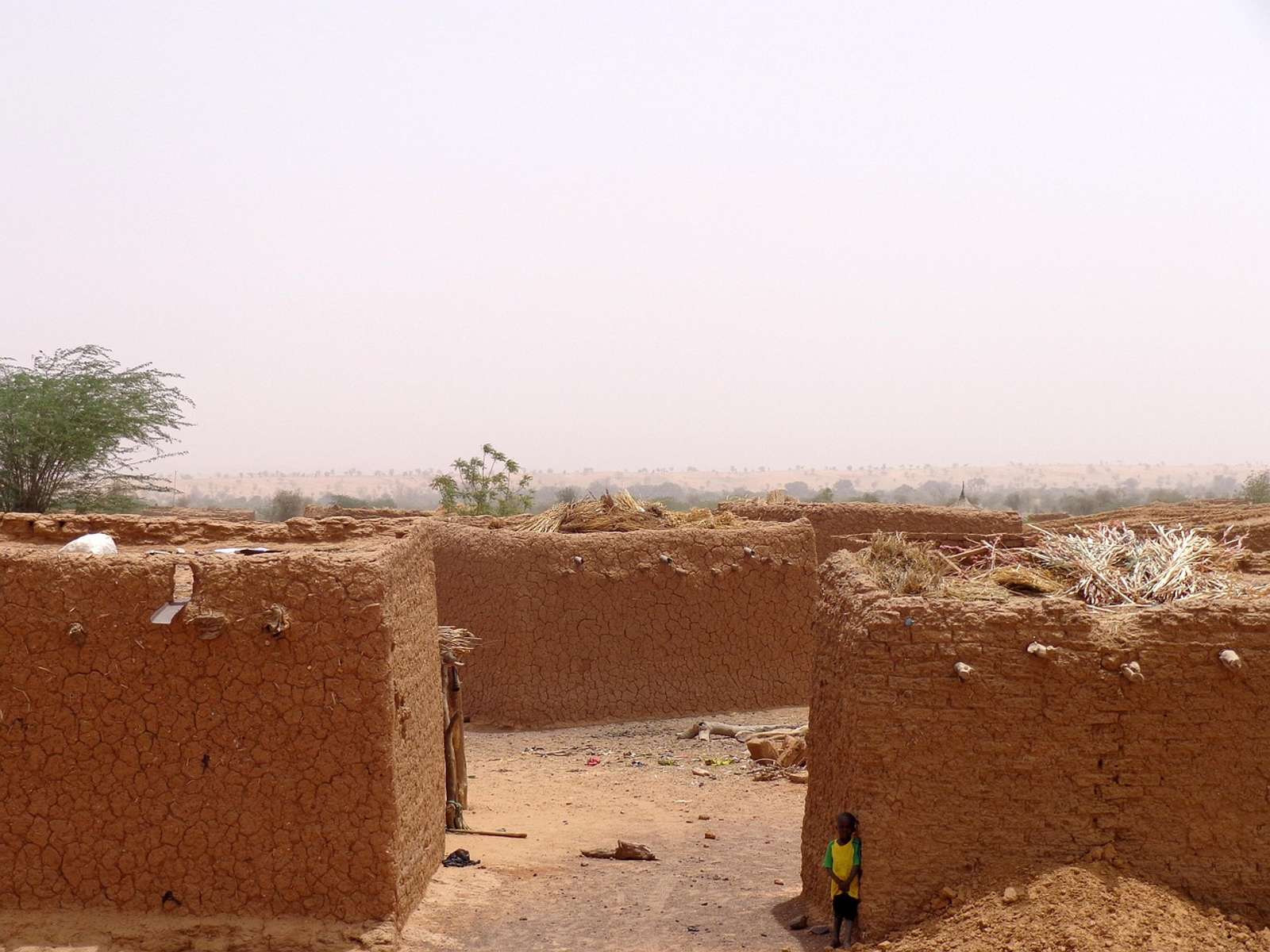
A new US$78 million GEF program, run with UNEP, aims to restore 270,000 hectares of degraded land and improve the livelihoods of 5 million people across nine Great Green Wall countries.
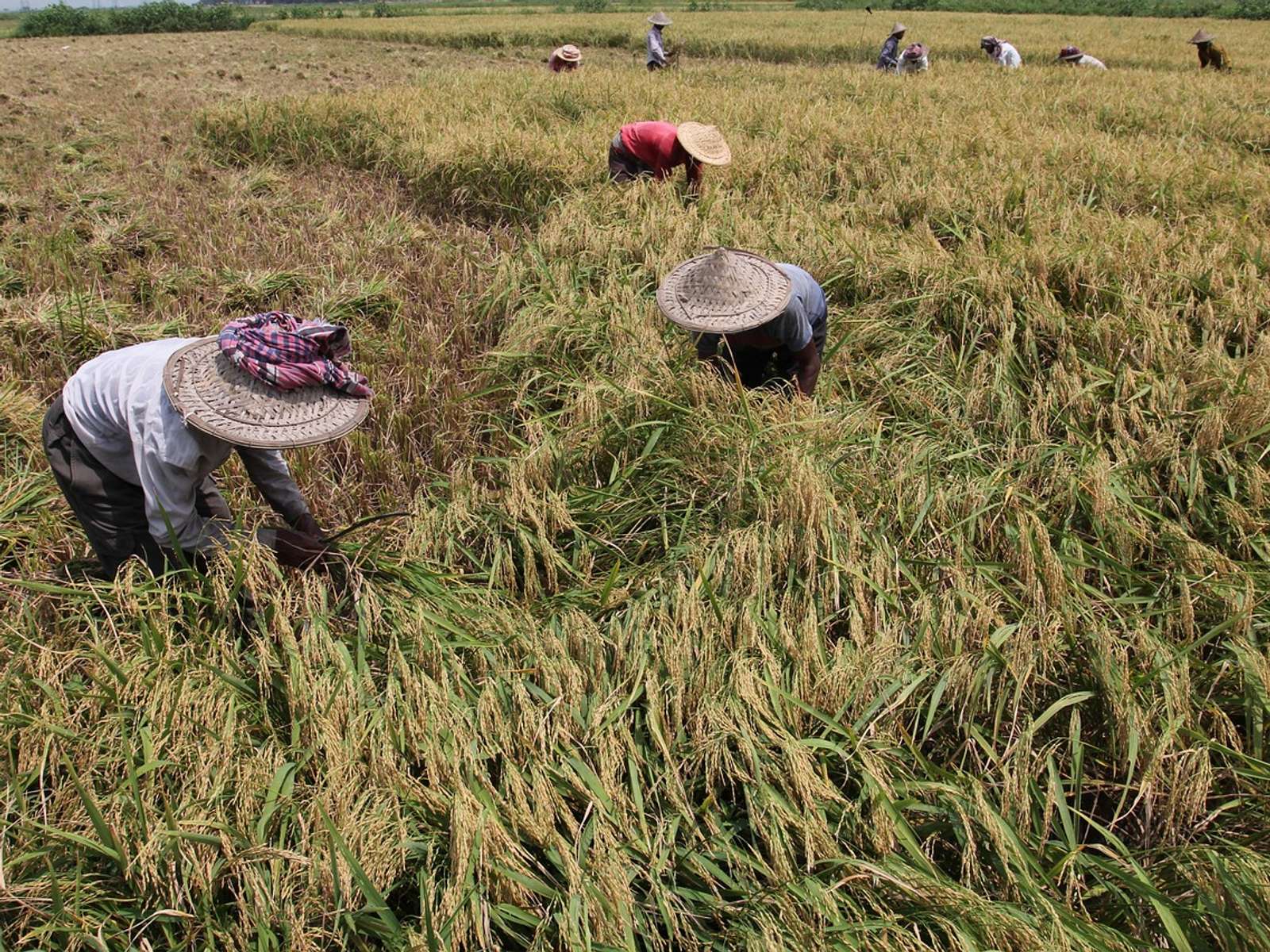
Two six-year projects backed by IFAD, Bangladesh and Denmark aim to reach 2.5 million rural people in flood- and drought-prone regions with raised shelters, flash-flood warnings, better roads, loans and training.
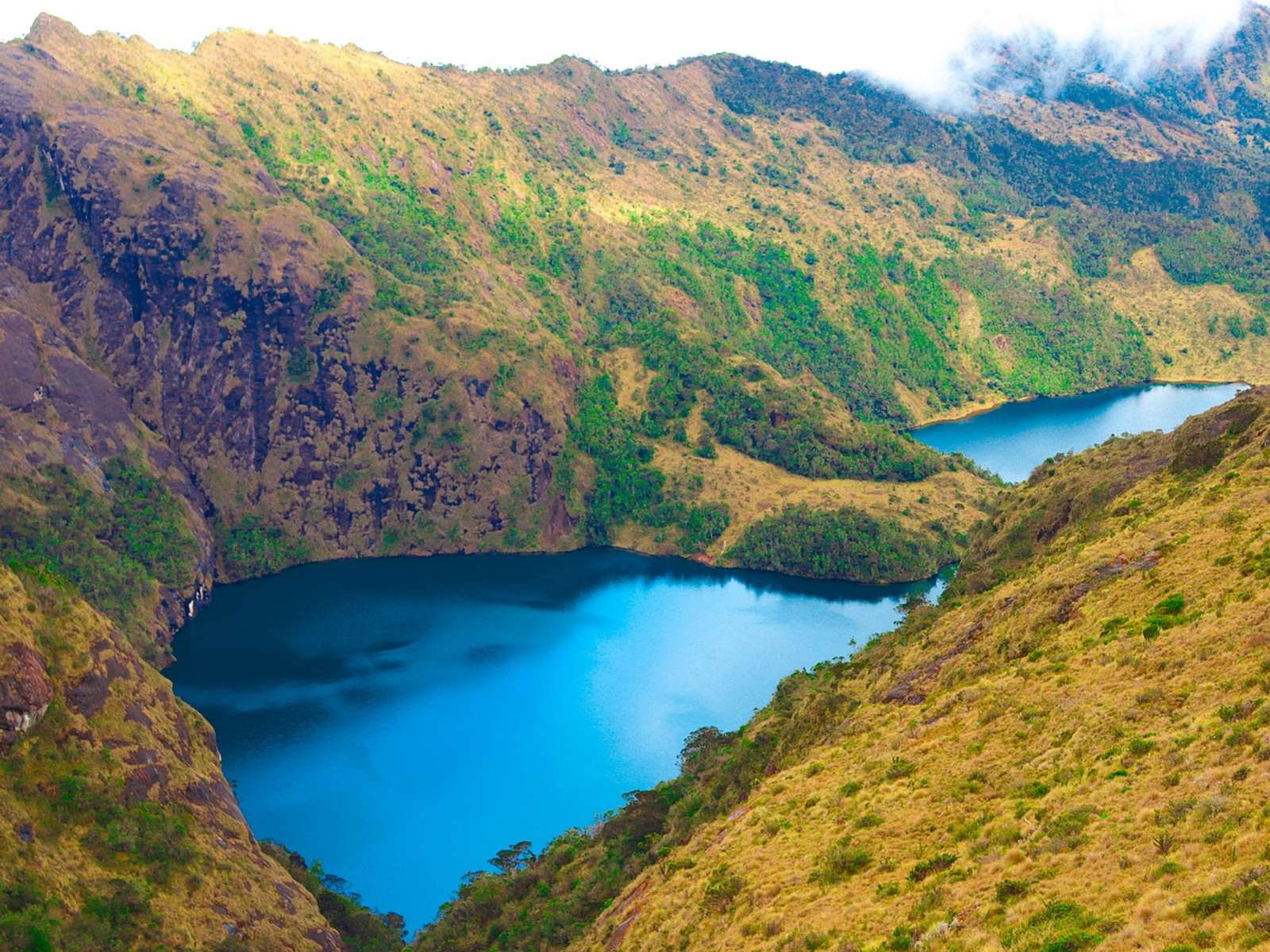
Young people from 18 of Papua New Guinea's 22 provinces drew up the country's first Youth Climate Manifesto and presented it to government officials in Port Moresby.
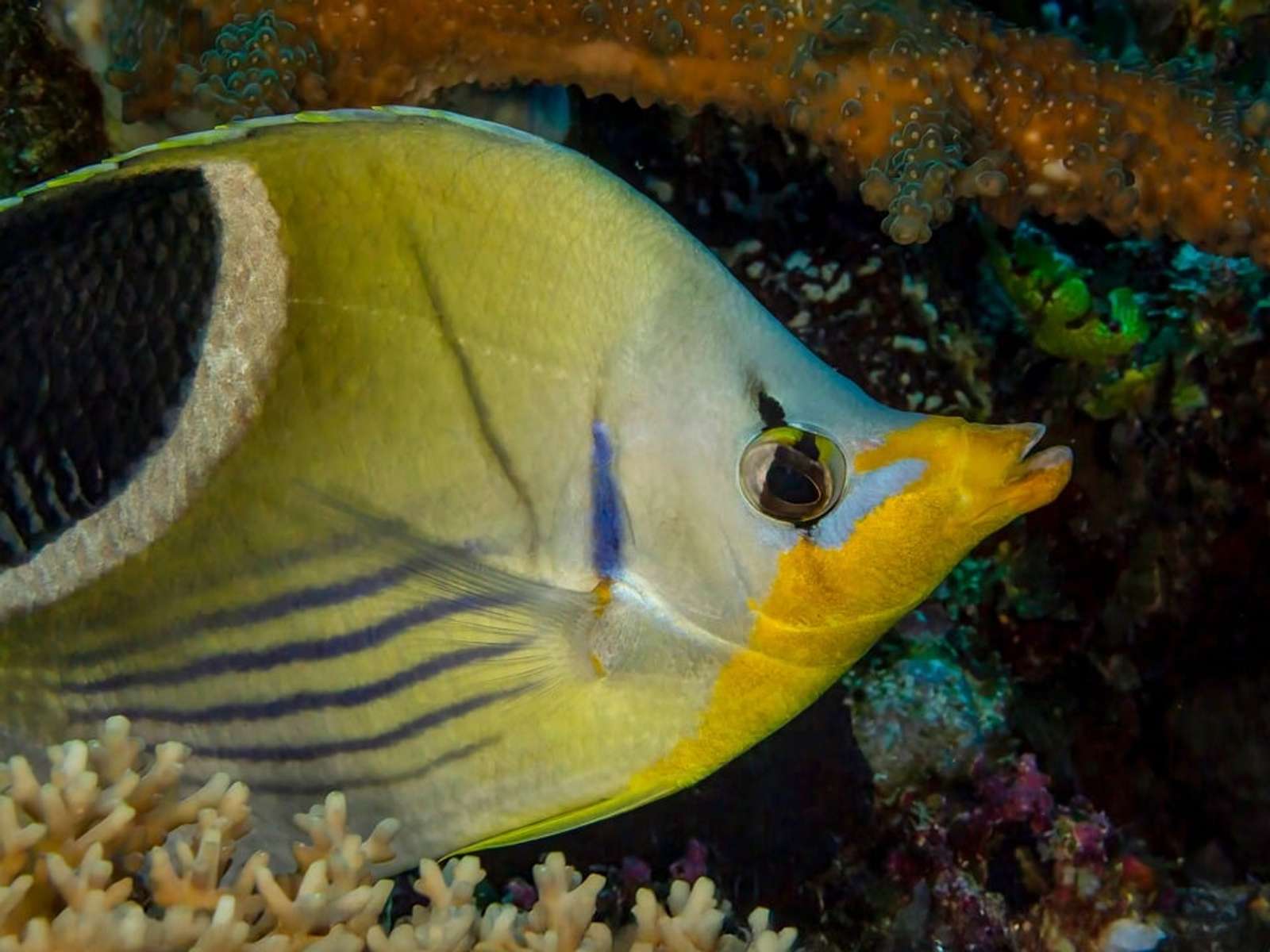
Fiji has launched a National Action Plan for Coral Reef Conservation, drawing on University of Queensland research that identified reefs less exposed to climate stress.

A new UNDP and Generali Central challenge will give up to three insurance solutions grants of up to $40,000 each to help protect India's more than 73 million small businesses from climate, health and financial shocks.
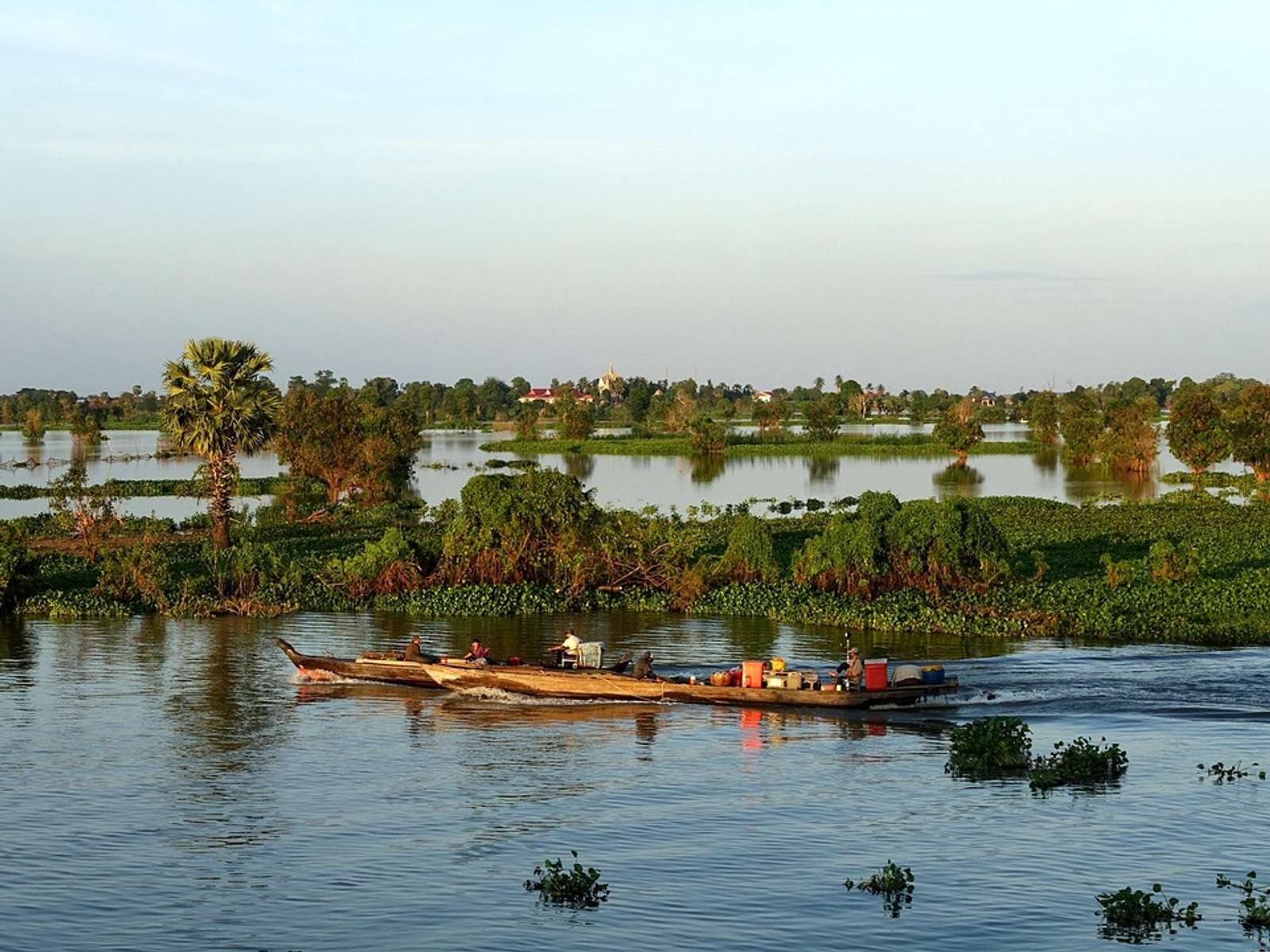
An ADB-backed project built landfills, wastewater plants, drains and latrines in two Cambodian towns on the Tonle Sap, improving services for more than 114,000 residents of Southeast Asia's largest lake basin.
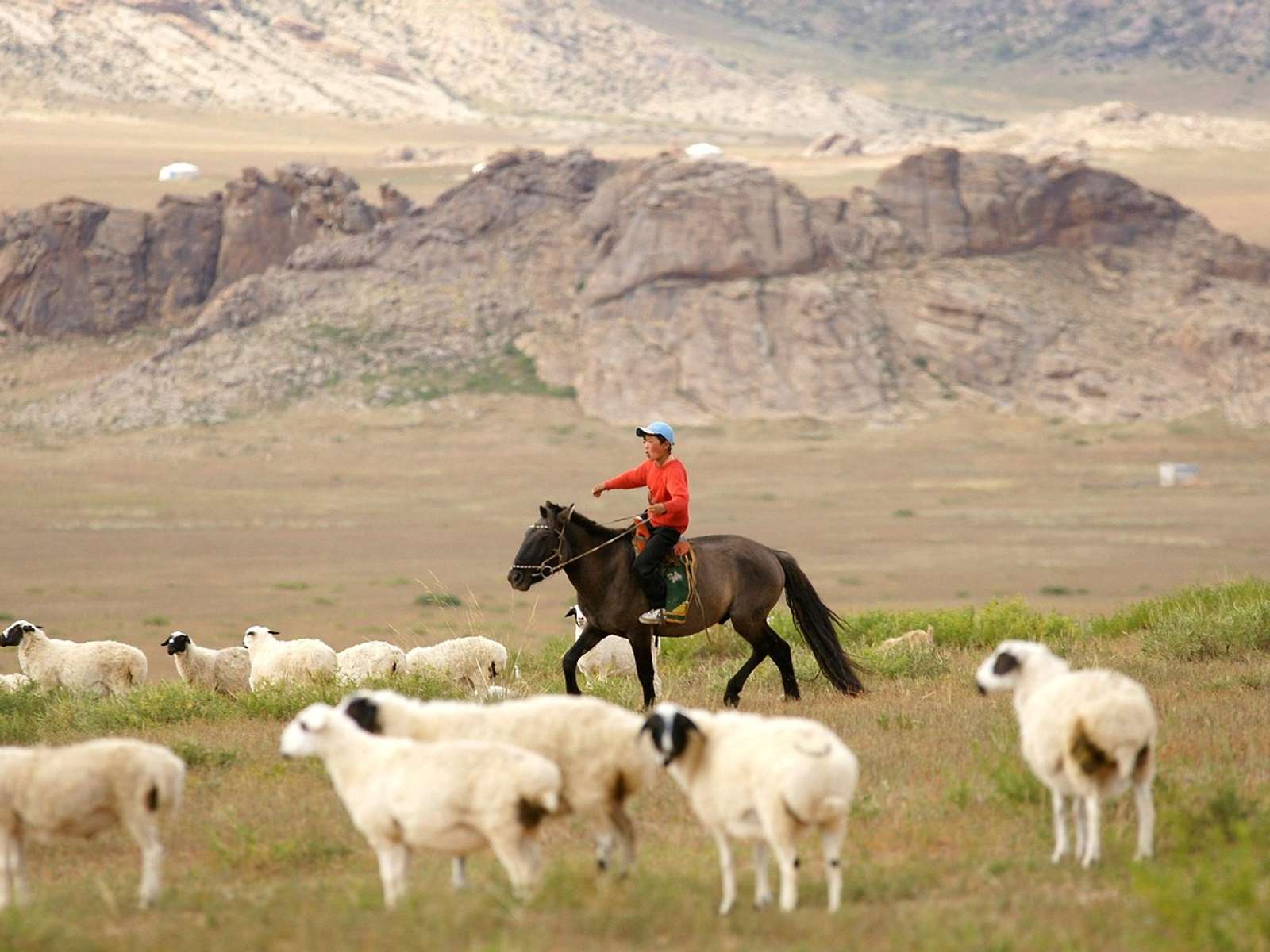
A $2 million Adaptation Fund project managed by IFAD will help at least 4,000 herding families in Mongolia's Bayankhongor and Dundgobi provinces cope with severe winters and droughts through water points, early warnings and processing centers.
About this topic
Cutting emissions slows climate change; adaptation helps people live with the change already underway. The UN Environment Programme's Adaptation Gap Report 2025 estimates that developing countries will need more than $310 billion a year for adaptation by 2035, or $365 billion based on their own national plans. International public adaptation finance to those countries was $26 billion in 2023, down from $28 billion the year before.
Planning has moved further than money. According to the same report, 172 countries have at least one national adaptation policy, strategy or plan, and only four have not started one. The harder step is turning those plans into funded projects on the ground.
This page follows the projects that do: Bangladesh and IFAD putting $324 million into flood shelters, early warnings and rural finance for 2.5 million people, a project to help 4,000 Mongolian herding families withstand harsher winters, six solar-powered water points easing shortages in Kenya's Garissa County, and a $78 million program to restore 270,000 hectares along Africa's Great Green Wall.
We name the government, agency or lender behind each project and report its budget and reach as that organization states them. Many of these stories are about funding that has just been signed or work that is just starting, so we say when results are still to come and how the organization plans to measure them.