Bangladesh and IFAD Put $324 Million Into Flood Shelters, Early Warnings and Rural Finance for 2.5 Million People
Two six-year projects backed by IFAD, Bangladesh and Denmark aim to reach 2.5 million rural people in flood- and drought-prone regions with raised shelters, flash-flood warnings, better roads, loans and training.
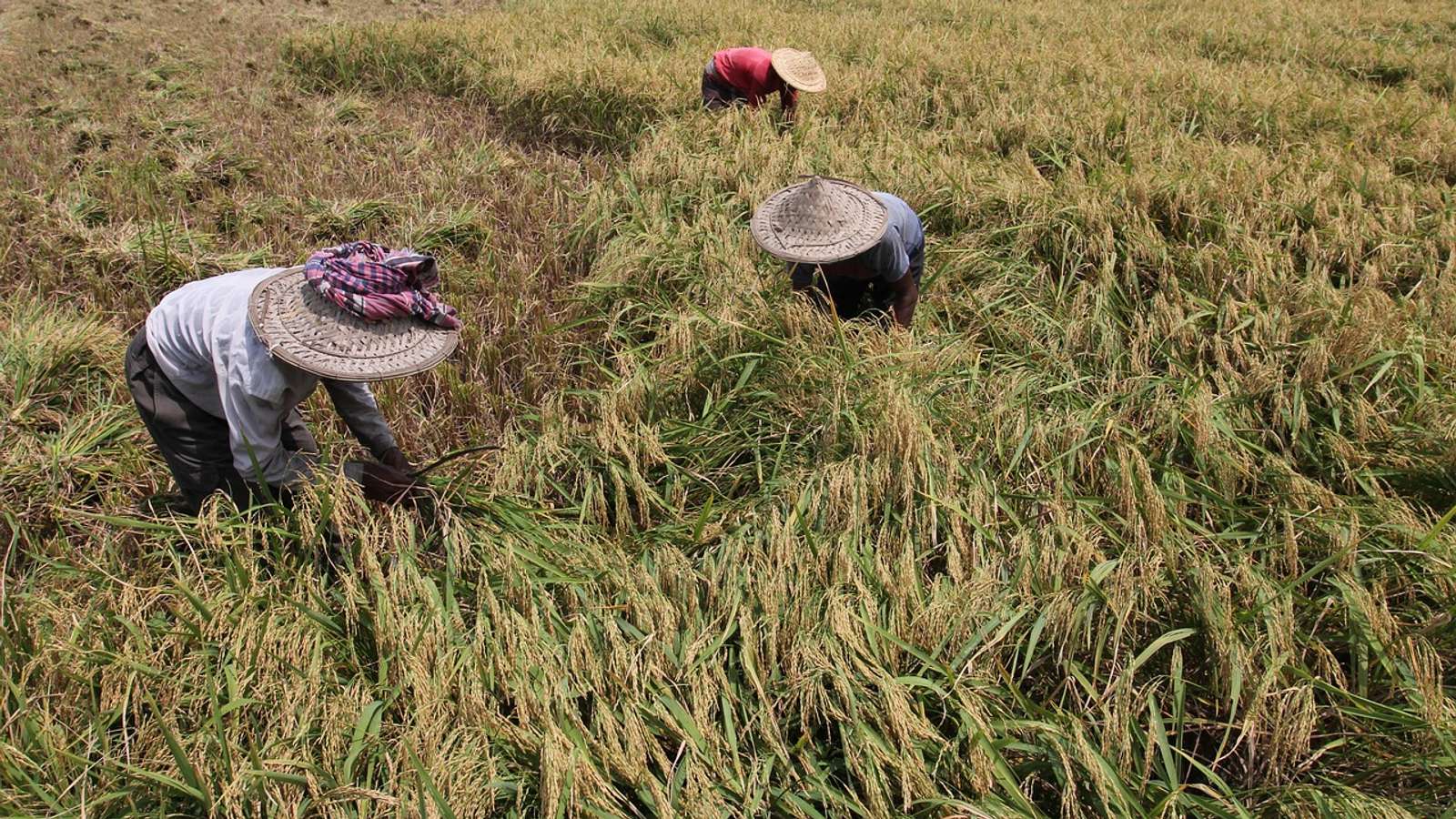
The Government of Bangladesh and the International Fund for Agricultural Development (IFAD) are backing two rural projects worth a combined $324 million that aim to reach an estimated 2.5 million people in areas exposed to floods and drought, IFAD said in a press release on 9 October. The $112 million Climate Resilience and Livelihood Enhancement Project (CRALEP) has just been launched with support from Denmark. It follows the launch of the $212 million GREEN project.
Both run for six years and are carried out by Bangladeshi institutions rather than by IFAD itself.
In the haor, one flood can wipe out a year's harvest
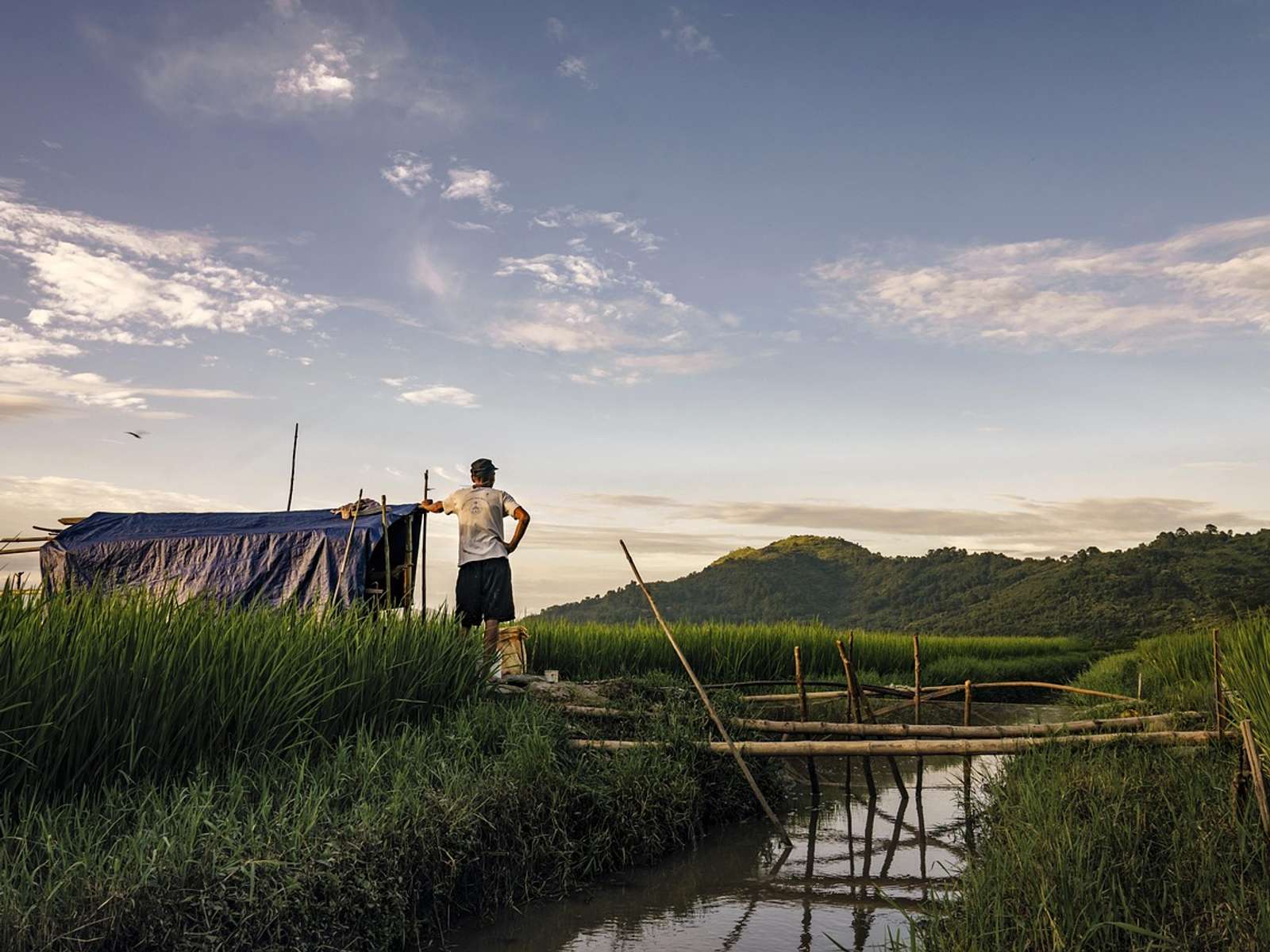
CRALEP concentrates on two regions at opposite ends of the climate problem: the flood-prone haor wetlands of the northeast and the drought-prone High Barind in the northwest.
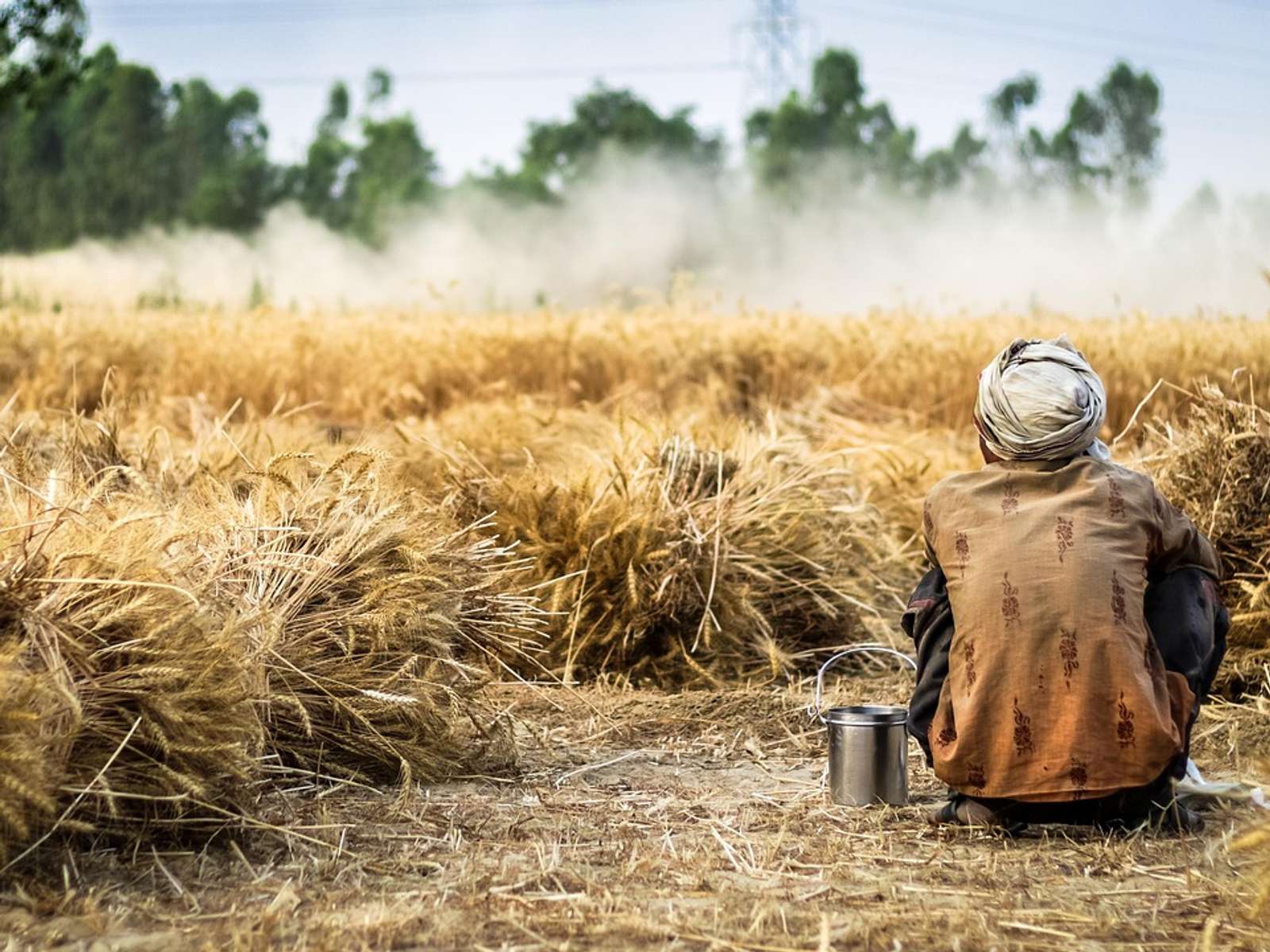
The haor shows how much is at stake. Its farmland stays under water for much of the year, so most communities rely on a single crop, boro rice, grown from October to May. In 2017, heavy rain and runoff from the hills in India flooded the fields 20 to 30 days before harvest and destroyed the crop at its blooming stage, according to a government-led needs assessment published on ReliefWeb. An estimated 4.67 million people in six districts were affected, and more than 870,000 farmers lost income.
Raised shelters, flood warnings and drought forecasts
Run by the Local Government Engineering Department, CRALEP aims to reach 1.45 million people in 33 upazilas, or sub-districts. It will improve village roads, rural markets and boat landings. In the haor it will also build raised shelters for people and for harvested crops and use nature-based methods to protect land from erosion.
Flash-flood early warnings in the haor and drought forecasts in the High Barind are meant to give communities time to prepare. Young people will be offered vocational and entrepreneurship training, and labor contracting societies are to provide work for poor women. Financing comes from IFAD ($70 million), a Danish grant ($10 million) and the Bangladeshi government (about $31.75 million).
“These two investments address connected priorities for rural development: infrastructure that withstands climate shocks and the finance, skills and market opportunities to build more secure livelihoods.” — Moslema Naznin, wing chief, Economic Relations Division, Ministry of Finance of Bangladesh
GREEN lends money to small farmers and rural firms
The second project, Growth for Climate Resilient and Environmental Entrepreneurship and Nutrition (GREEN), is run by PKSF, Bangladesh's rural finance foundation, and aims to reach more than 250,000 rural households in the haor, the coast, the High Barind and the chars, or river islands.
GREEN pairs finance with technical help, skills, green technologies and links to buyers, with the goal of raising incomes for small producers and rural businesses, making food safer and more nutritious, and cutting post-harvest losses. IFAD is putting in $51.4 million; the release does not break down the rest of the $212 million.
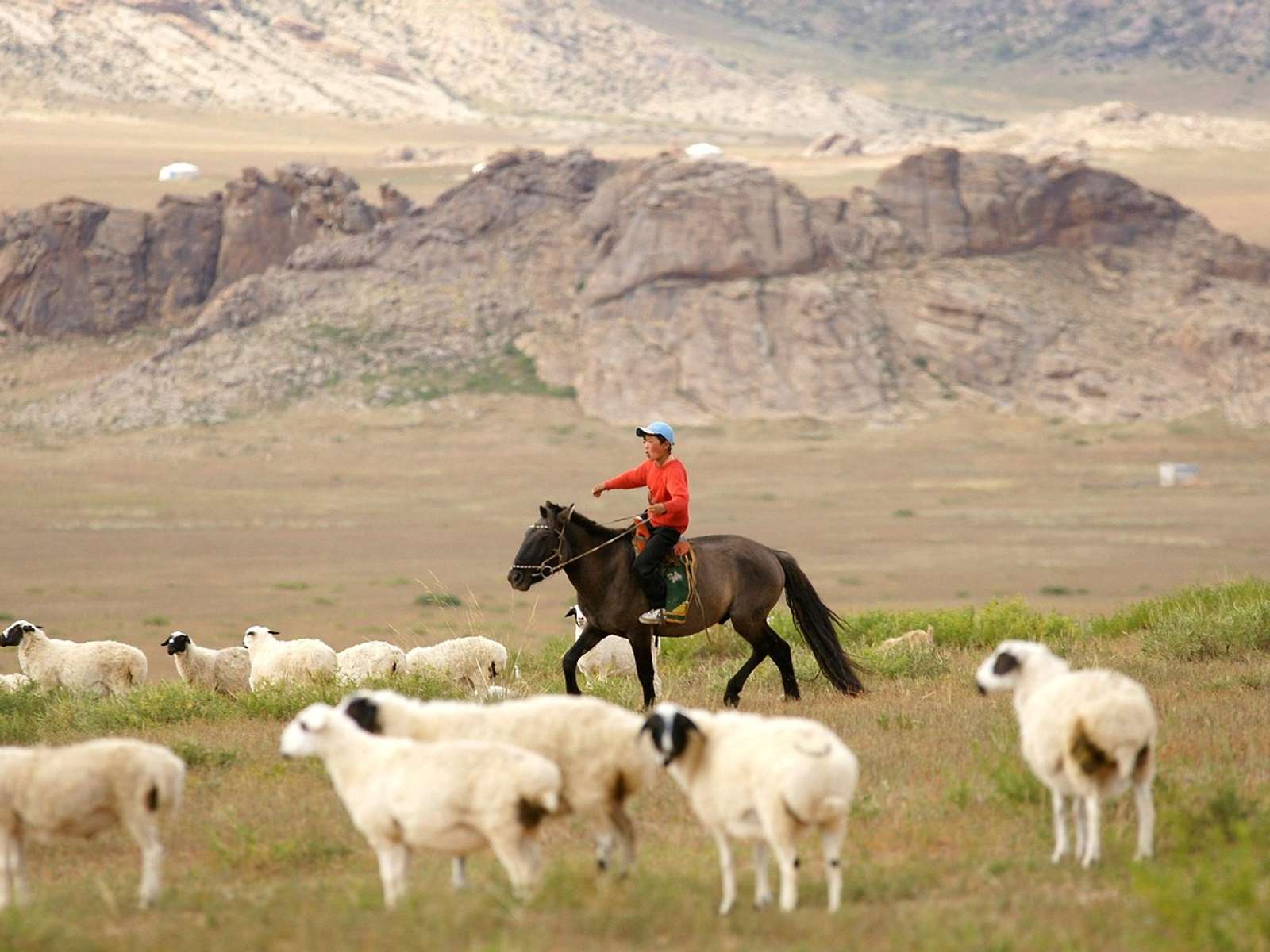
Anders B. Karlsen, deputy head of mission at the Embassy of Denmark in Bangladesh, said he hoped CRALEP "will reduce the negative impacts of climatic variability and increase community resilience." IFAD is backing similar climate work in very different landscapes, such as a project to help 4,000 Mongolian herding families withstand harsher winters.
Both projects are targets, not results: the reach figures are what the partners plan over six years. Since 1978, Bangladesh and IFAD have worked together on 39 projects worth about $4.9 billion, including $1.1 billion of IFAD's own funds, reaching 11.7 million rural households, according to IFAD.
Sources
- IFAD · ifad.org
- reliefweb.int
How we choose and verify sources: editorial policy.