Sri Lanka launches an $835 million farm plan to connect 900,000 farmers to markets by 2030
Sri Lanka, the World Bank Group and IFAD launched the AgriConnect joint plan, aiming to help 900,000 farmers reach better markets by 2030 with $550 million from the World Bank Group, $115 million from IFAD and up to $170 million in private capital.
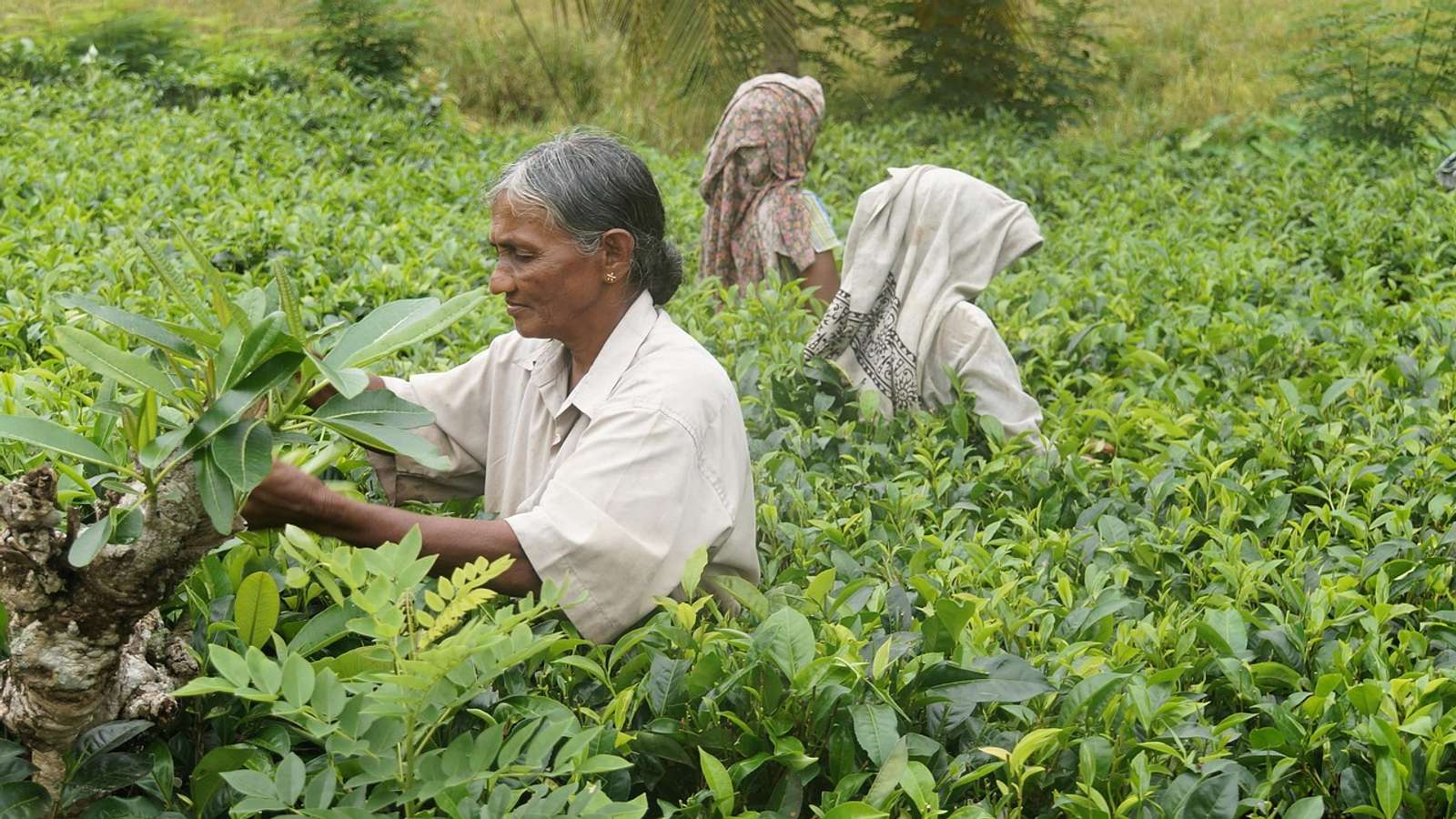
Sri Lanka has launched a plan to help 900,000 farmers get better access to markets by 2030, the World Bank said on 30 October. The Sri Lanka AgriConnect Joint Implementation Plan brings together the government, the World Bank Group and the International Fund for Agricultural Development (IFAD), and makes Sri Lanka the first South Asian country to officially join the AgriConnect program, which is also backed by the African Development Bank, the Inter-American Development Bank, Google and Bayer.
Up to $835 million from three sources
The plan combines $550 million in World Bank Group investments, $115 million from IFAD and up to $170 million in private capital expected to be mobilized over five years. Together that is up to $835 million. The plan is aligned with Sri Lanka's Public Investment Programme for 2026 to 2030.
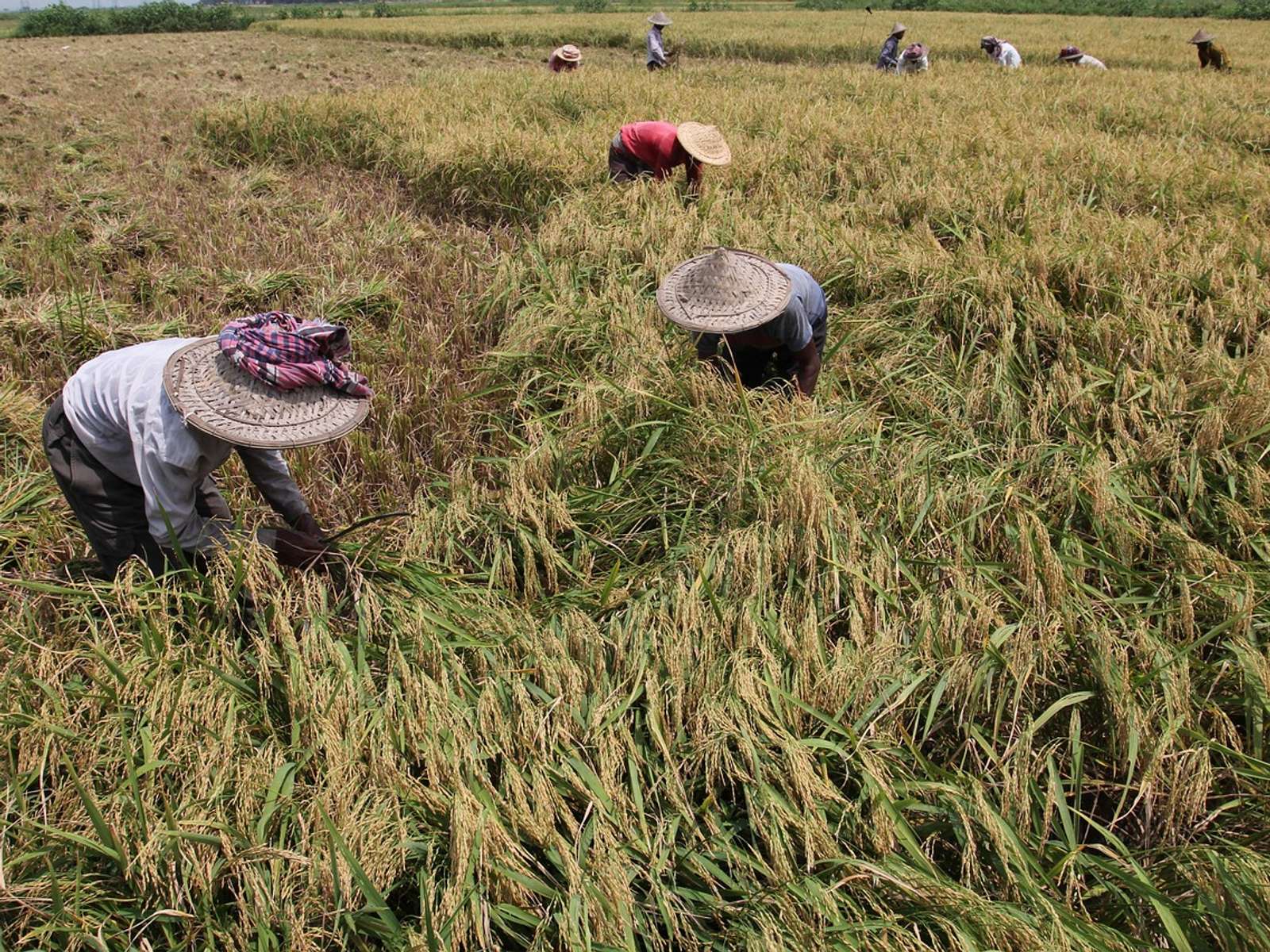
Farming matters to the economy. Agriculture and food processing make up at least 15% of Sri Lanka's GDP and 30% of its goods exports, and they provide one in three jobs, according to the World Bank.
“Our farmers, fishers and rural communities are not simply beneficiaries of development, they are partners.” — Dr. Harini Amarasuriya, Prime Minister of Sri Lanka
Coconut, cinnamon, tea and fish
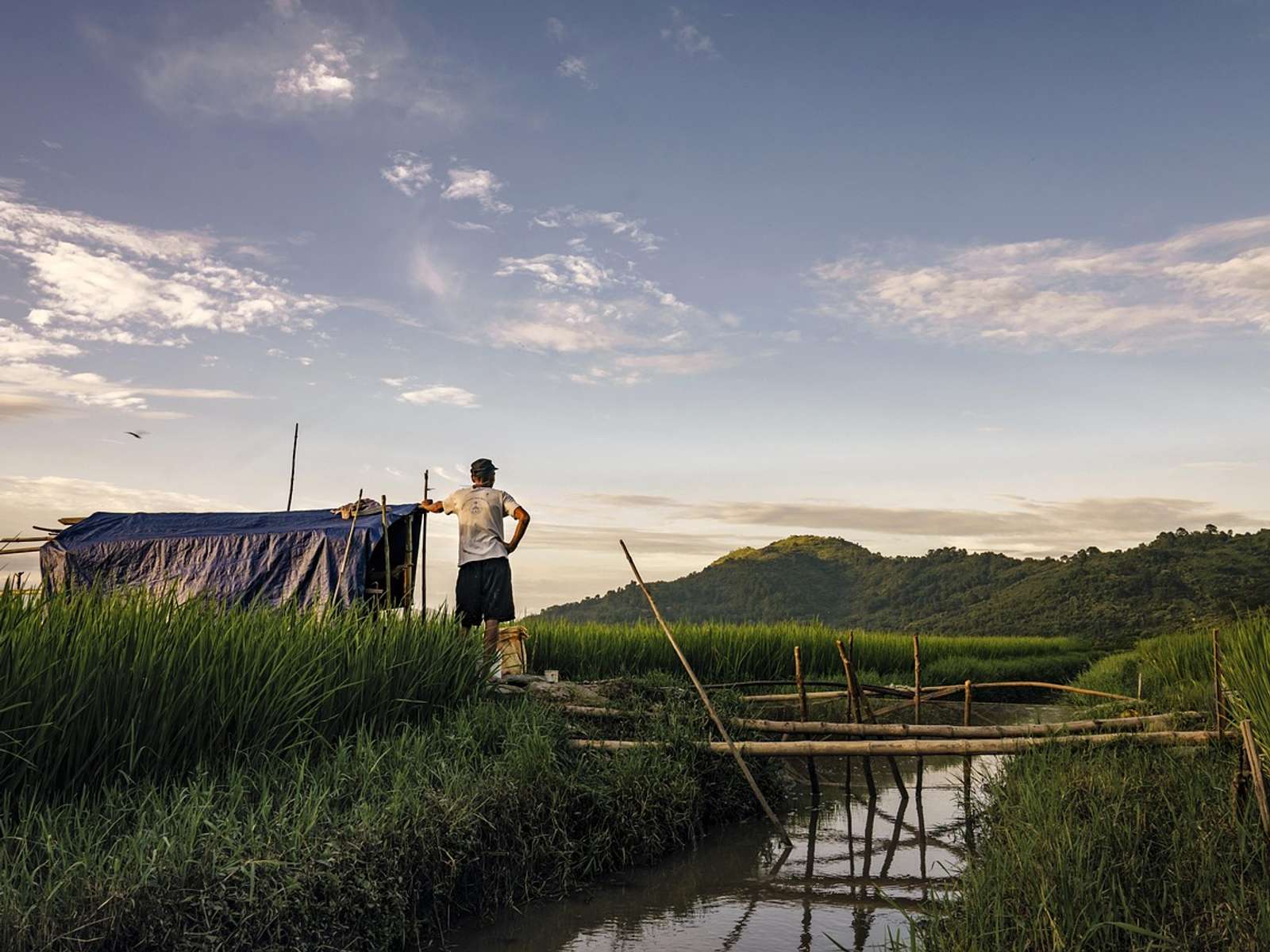
The plan targets eight value chains, coconut, cinnamon, tea, fisheries, dairy, poultry, aquaculture and horticulture, with a focus on processing more products locally and exporting them. Other parts cover agricultural finance, digital farming tools, climate-resilient irrigation, cold storage, roads and connectivity, skills and research, and support for lagging regions including the Northern and Eastern Provinces. The partners also plan to tackle policy barriers and financing constraints by coordinating government, development partners and the private sector.
Private companies are part of the design. The International Finance Corporation (IFC), the World Bank Group's private-sector arm, is supporting cinnamon and coconut exporters and expanding loans to agribusinesses. “Sri Lanka has globally competitive agricultural products and strong entrepreneurial potential,” said Sarvesh Suri, IFC's regional vice president for Asia and the Pacific.
Already under way through a rural project
Implementation has started through the Integrated Rurban Development and Climate Resilience Project, financed by the World Bank's International Development Association, which links smallholder businesses to finance and markets. The plan aims to “invest in the first mile of food systems,” said Donal Brown, an associate vice-president at IFAD. The World Bank did not say how progress toward the 900,000-farmer goal will be reported, or how much of the private capital has already been committed. The plan is expected to guide government action under the Public Investment Programme. In neighboring Bangladesh, IFAD is also backing a $324 million rural program with flood shelters and early warnings.
Sources
- World Bank · worldbank.org
How we choose and verify sources: editorial policy.