Barbados eliminates mother-to-child transmission of HIV, with no infant infections from 2022 to 2024
WHO has certified that Barbados has eliminated mother-to-child transmission of HIV. No infant was infected that way from 2022 to 2024, and 98% of pregnant women were tested and, if positive, treated.
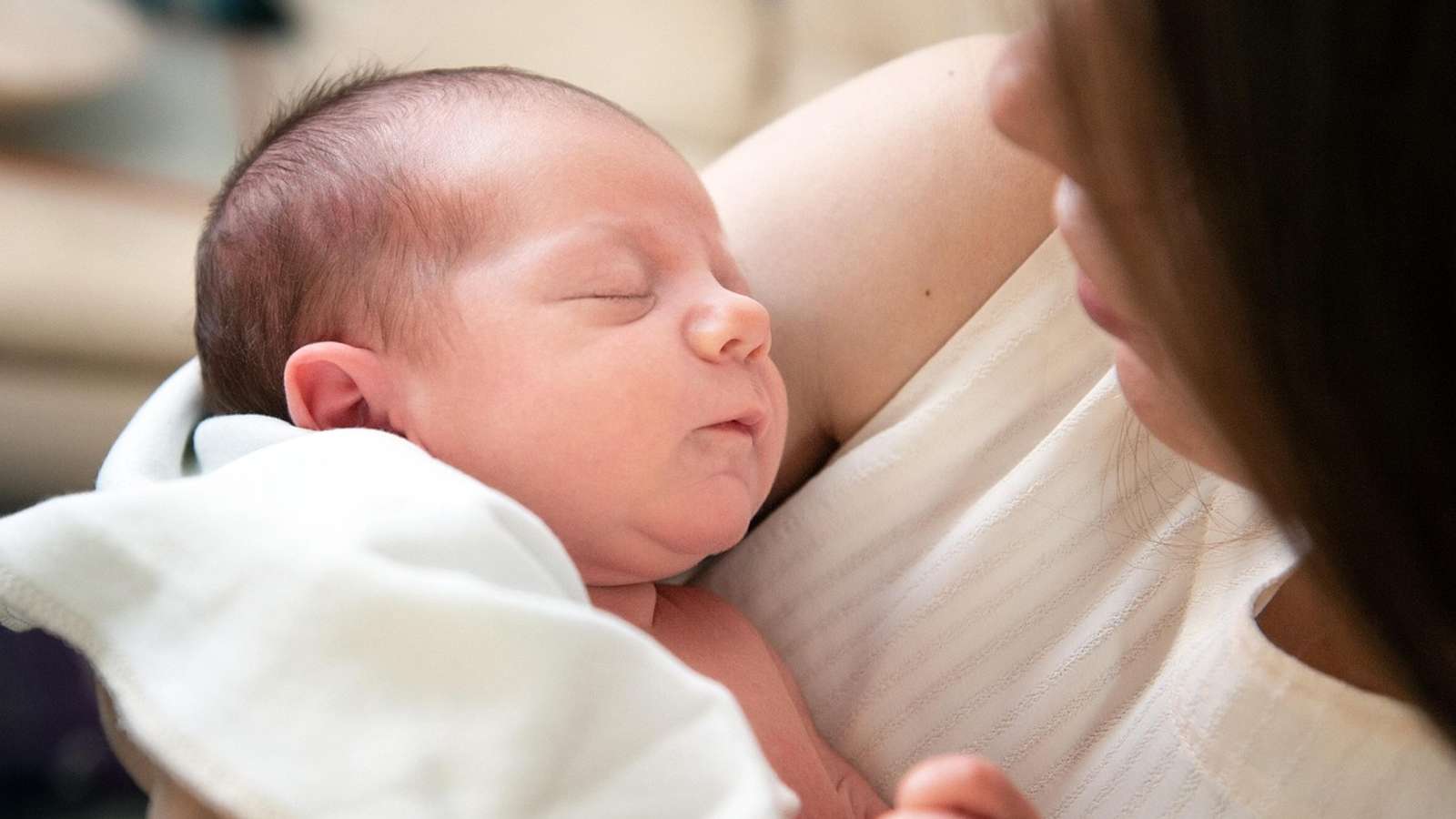
Barbados has eliminated the transmission of HIV from mothers to their babies as a public health problem, the World Health Organization (WHO) said on 30 October. No infant born in Barbados acquired HIV from their mother from 2022 to 2024, and an independent assessment confirmed that the country met the global targets.
Testing and treatment for nearly every pregnant woman
The result rests on coverage. From 2022 to 2024, 98% of pregnant women in Barbados received antenatal care, 98% were tested for HIV, and 98% of pregnant women living with HIV received antiretroviral treatment.
Care is delivered through public clinics and hospitals as part of universal health coverage, and Queen Elizabeth Hospital handles about 93% of births. HIV testing and treatment are free for every pregnant woman, regardless of nationality. Babies exposed to HIV are tested early and followed up. Testing is voluntary and confidential, and the WHO assessment found no evidence of coercive reproductive health practices toward women living with HIV.
“I congratulate Barbados on protecting a generation of children from HIV.” — Dr. Tedros Adhanom Ghebreyesus, WHO Director-General
The Americas lead the world
Barbados joins 26 countries and territories that WHO has recognized for eliminating mother-to-child transmission of HIV, syphilis or hepatitis B, or for being on track to do so. Fifteen of them are in the Americas, which WHO calls the global leader. Recent validations in the region include Jamaica and Saint Vincent and the Grenadines in 2024, Brazil in 2025, and the Bahamas and Turks and Caicos in 2026.
“This is incredible for us, and it allows us to be able to see our children living their full, best lives,” said Lisa Cummins, Barbados' Minister of Health and Wellness. The country's work was supported by a long-standing partnership with the Pan American Health Organization (PAHO), WHO's office for the Americas, and other partners, and civil society groups helped people reach care. “Barbados has shown that eliminating mother-to-child transmission of HIV is possible,” said Dr. Jarbas Barbosa, PAHO's director. Robert Benes, UNICEF's regional director, said the result shows that “a diagnosis of HIV during pregnancy no longer has to mean transmission to a child.”
A global problem that has stalled
Worldwide, the picture is mixed. About 93,000 children under five were newly infected with HIV in 2025, down 69% from 300,000 in 2010, but progress has stagnated in recent years and is not fast enough to reach the 2030 targets, according to UNICEF data. UNICEF says faster treatment for all pregnant and breastfeeding women living with HIV is still needed.
Keeping elimination status takes continued effort. WHO said Barbados will need to keep investing in services, update its guidelines, strengthen health information systems, expand combined HIV and syphilis testing and improve follow-up of women and children. More stories on health care reaching everyone are collected under healthcare access.
Not medical advice. This article reports on research and health programs for general information. Results from early studies often change in larger trials. Talk to a doctor before making decisions about your own health or treatment.
Sources
How we choose and verify sources: editorial policy.