South Sudan's first media literacy center has taught about 500 students and teachers to use computers and check facts
A UNESCO-backed media and information literacy center at Juba Day Secondary School has helped up to 500 students, teachers and community members learn computer skills, fact-checking and news writing since 2024.
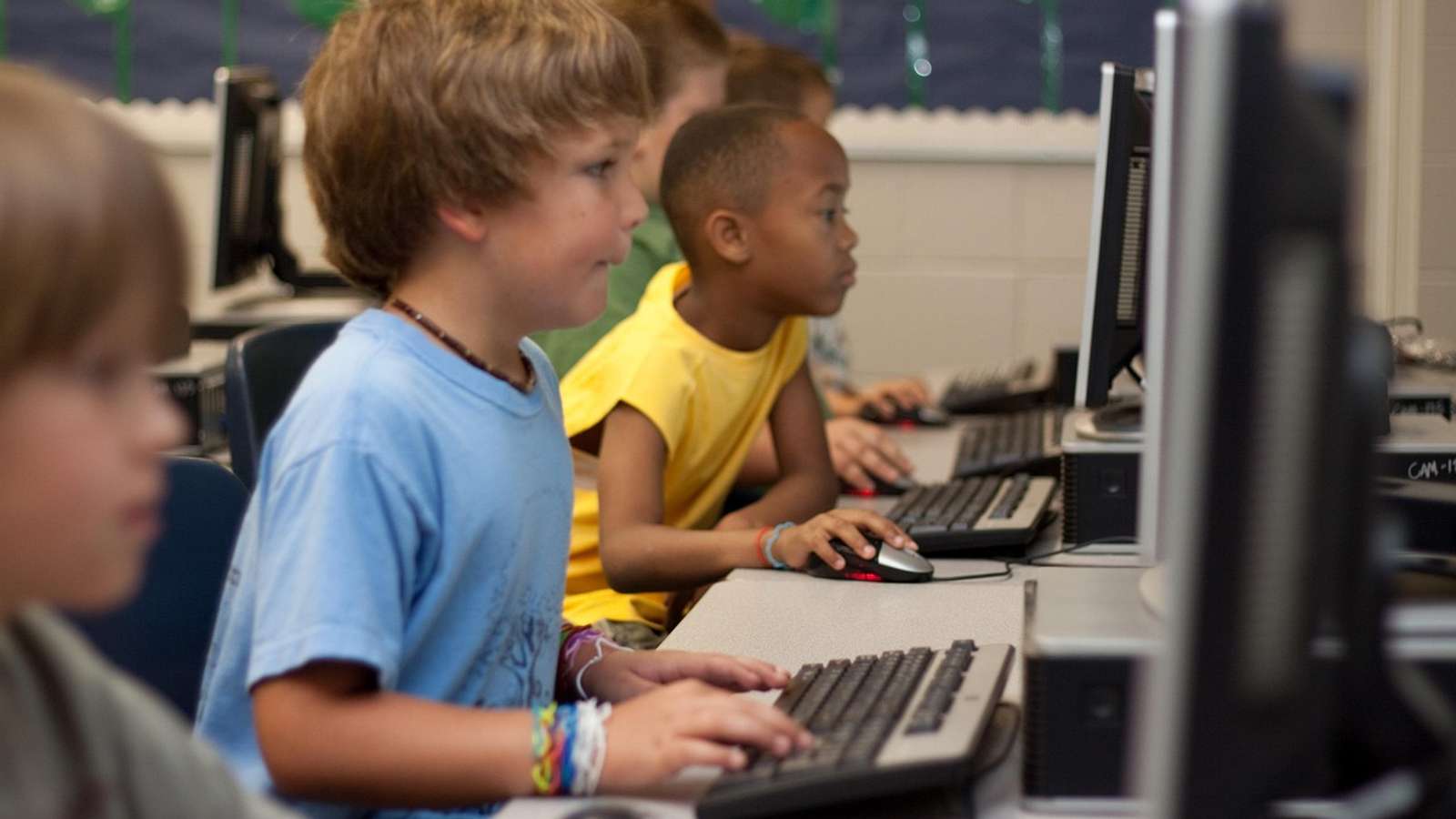
Gabriel Yugu, 19, had never used a computer before he walked into a new center at his school in Juba in 2025. “I did not know where to start,” he said. He now uses email and is learning to judge what he reads online, UNESCO said on 28 October. The center at Juba Day Secondary School is South Sudan's first dedicated media and information literacy center.
Computers, internet and fact-checking in one room
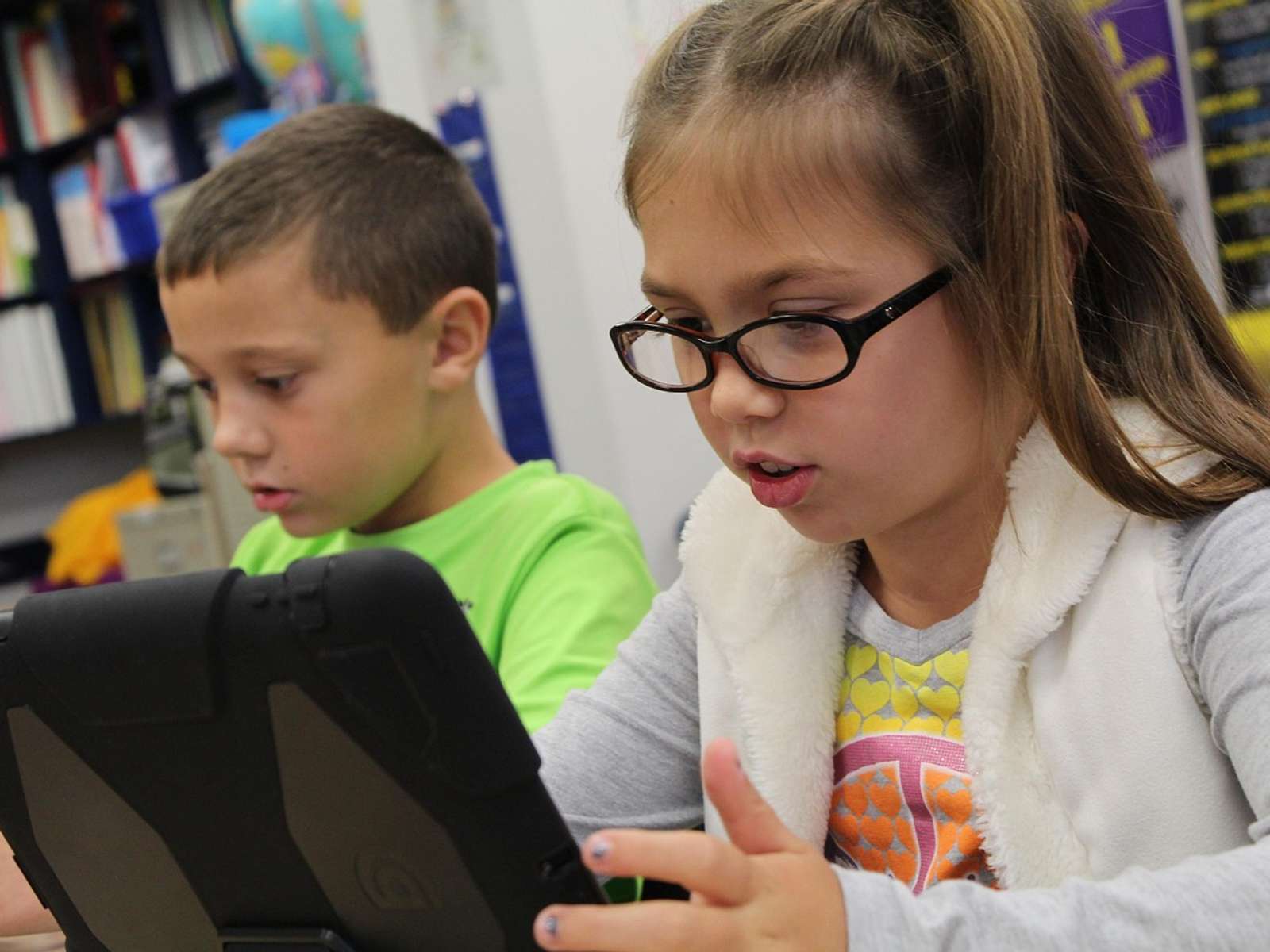
UNESCO set up the center in 2024 with computers, internet access and hands-on sessions, together with the Central Equatoria State Ministry of General Education and Instruction and the school. It is supported by UNESCO's Multi-Donor Programme on Freedom of Expression and Safety of Journalists. Students learn basic computer skills such as typing and creating email accounts, how to verify information before sharing it, and how to use digital tools, including artificial intelligence, responsibly.
Partners bring in extra skills. Go-Girls ICT, a youth-led digital nonprofit, helps run sessions, and the Union of Journalists in South Sudan trains students in news writing and checking information. Head teacher George Kenyi estimates that up to 500 students, teachers and community members have benefited, including students from neighboring schools such as Supiri, Rajaf, JCC Model, Juba Commercial and Nile Model.
Few people online, and rumors spread fast
Many young people in South Sudan have little access to computers or practical digital skills, UNESCO said. At the end of 2025, about 1.61 million people used the internet, 13.2% of a population of about 12.2 million, according to DataReportal. Misinformation and disinformation spread quickly online, especially during conflict and crises, and can make existing tensions worse, UNESCO said.
Students say the skills are changing how they work. The school now has a media and information literacy club and a journalism club, whose members write school news bulletins. Marshal Justin, 18, a member of both, has learned to type faster, check facts and write school news, which she presents every Monday and Friday. Joseph James, 18, has been introduced to AI tools for finding and assessing information.
An idea for an emergency app
New Paulino Matip, 18, says the center has given him confidence. With friends, he came up with “Lifeline,” an idea for an app to help people reach emergency hotlines at health centers after accidents. It is still only a concept and needs further development and support before it could work.
Keeping the center running is the next challenge. The school is considering small community contributions to pay for daily operating costs, and students have asked for a larger space so more people can use it. UNESCO did not say whether similar centers are planned elsewhere in the country, or how many students it expects to train next year. More stories on learning are collected under education.
Sources
- UNESCO · unesco.org
- datareportal.com
How we choose and verify sources: editorial policy.