Nature clubs at 21 schools near Zimbabwe's Hwange National Park put children in charge of conservation
IFAW and ZimParks have launched Room to Roam Nature Clubs at 21 schools in the Hwange–Matetsi landscape, where children walk to school past elephants and lions. Students elect leaders and plan their own projects.
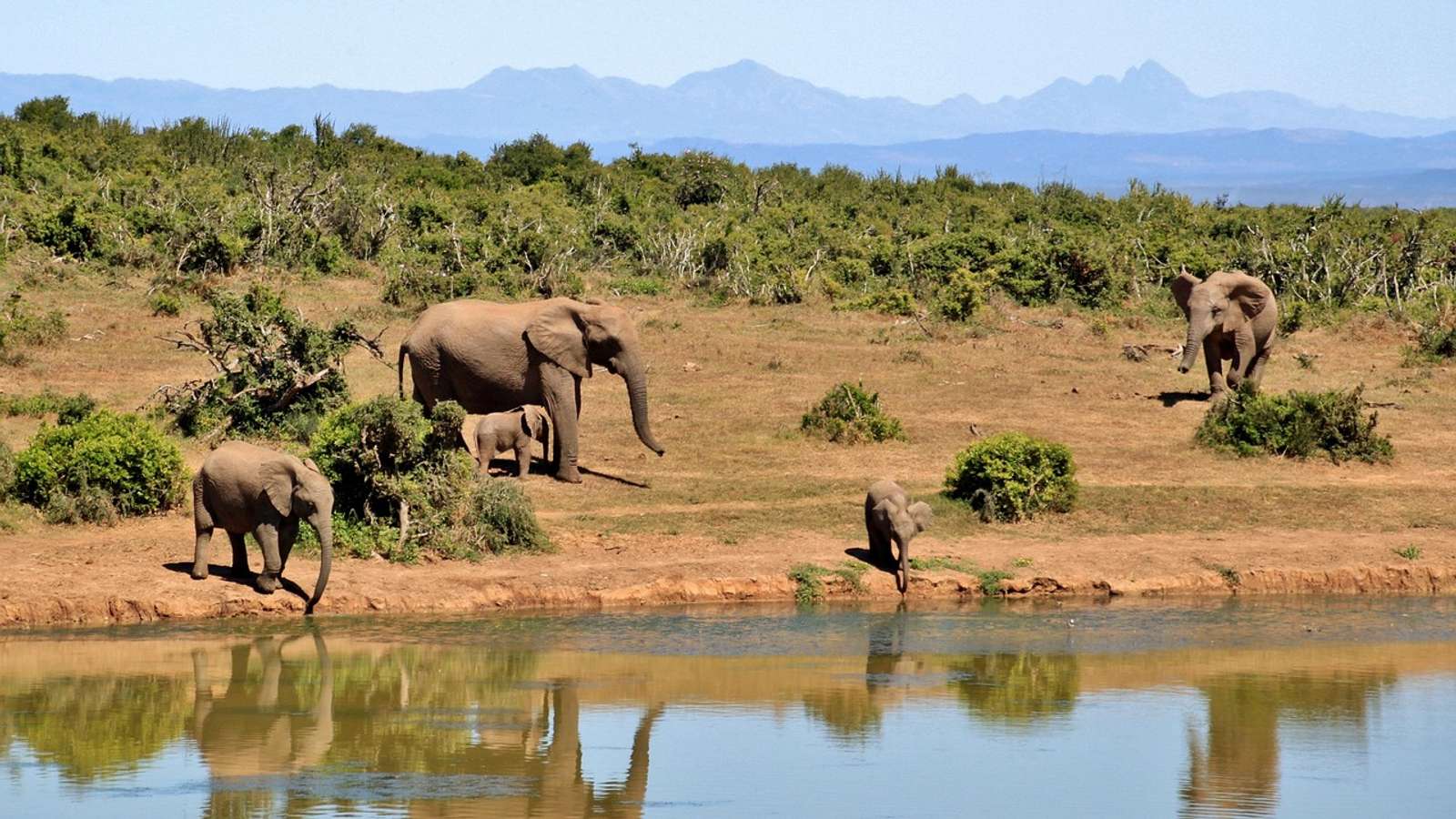
Children at 21 schools near Zimbabwe's Hwange National Park now run their own nature clubs, the International Fund for Animal Welfare (IFAW) said on 27 October. The Room to Roam Nature Clubs are part of a partnership between IFAW and the Zimbabwe Parks and Wildlife Management Authority (ZimParks) in the Hwange–Matetsi landscape.
Elephants by the fields, lions on the school route
For many of these children, wildlife is not a distant topic. In this landscape, elephants move near fields and water points, lions cross school routes, crops are lost and encounters on the way to school can be dangerous, IFAW wrote. The organization says conservation education has to recognize those costs and risks rather than ignore them.
“Creating room for wildlife to move can’t be separated from creating room for people.” — John Kogada, Director of Community Engagement, IFAW
Students elect leaders and pick their own projects
In each club, students elect leaders, form teams for the environment, wildlife and community issues, set priorities and plan what they will do. Topics include biodiversity, climate change, responsible land use and how people and wildlife can live side by side. Activities range from tree planting, gardening and clean-up campaigns to nature walks, visits to protected areas, storytelling, sport and drama, and the students practice research, public speaking, interviewing and organizing events along the way.
“These clubs don’t simply ask children to receive information,” Kogada wrote. One of the launches took place at Matetsi Primary School. Each school will have two teachers as patrons or mentors, and IFAW is rolling out a Room to Roam Nature Club Guidebook with a companion guide for teachers.
Part of a wider effort to keep elephant routes open
The clubs build on IFAW's Environmental Stewardship Programme, which has supported 21 primary schools in the Hwange, Tsholotsho and Lupane districts since 2019. In March 2024, it handed more than 500 textbooks to 10 schools, benefiting about 1,600 students who had been sharing roughly one book per five pupils, and gave 100 bicycles to children who travel long distances through wildlife corridors.
Room to Roam, IFAW's broader initiative, aims to secure and reconnect habitat across 320,000 square kilometers of eastern and southern Africa. In the Hwange landscape, ZimParks and IFAW have fitted 30 elephants with satellite collars since 2024 to map their movements, find likely conflict areas and plan wildlife corridors, IFAW said in September. That collaring was funded by the Dutch Postcode Lottery. “Conservation decisions are strongest when guided by sound scientific evidence,” said Edson Gandiwa, director general of ZimParks. IFAW did not give the number of children taking part in the clubs; “Success will not be measured only by the number of clubs formed or activities completed,” Kogada wrote.
Sources
How we choose and verify sources: editorial policy.