Children back in school, new ways to teach and learn, and the people widening access to education, from village classrooms to national platforms.
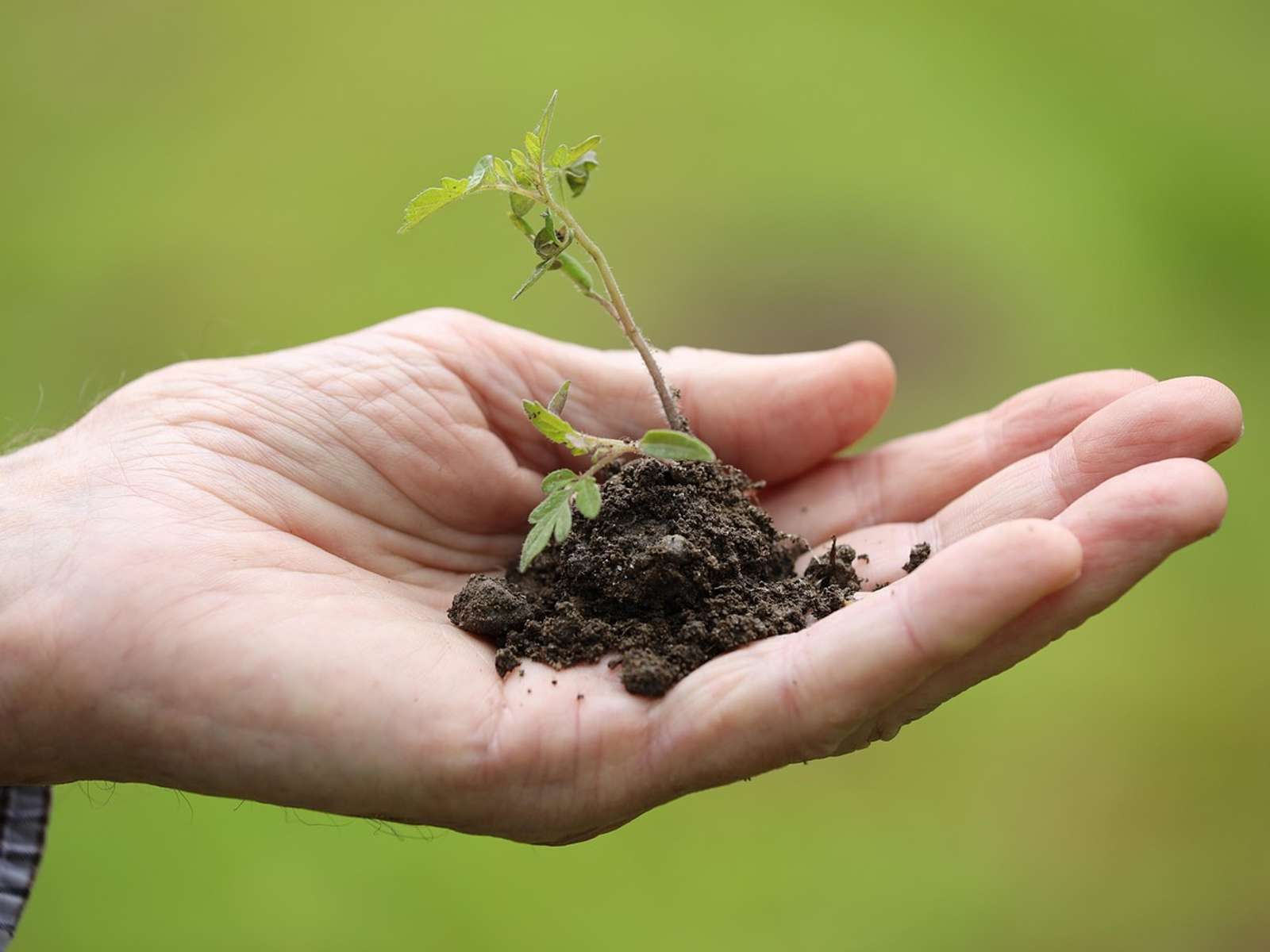
Eighteen pilot schools in Turkmenistan received the country's first Green School certificates, six at Level II and 12 at Level I, UNICEF said on 5 November. Students lead eco-clubs, clean-up days and tree planting under the program.
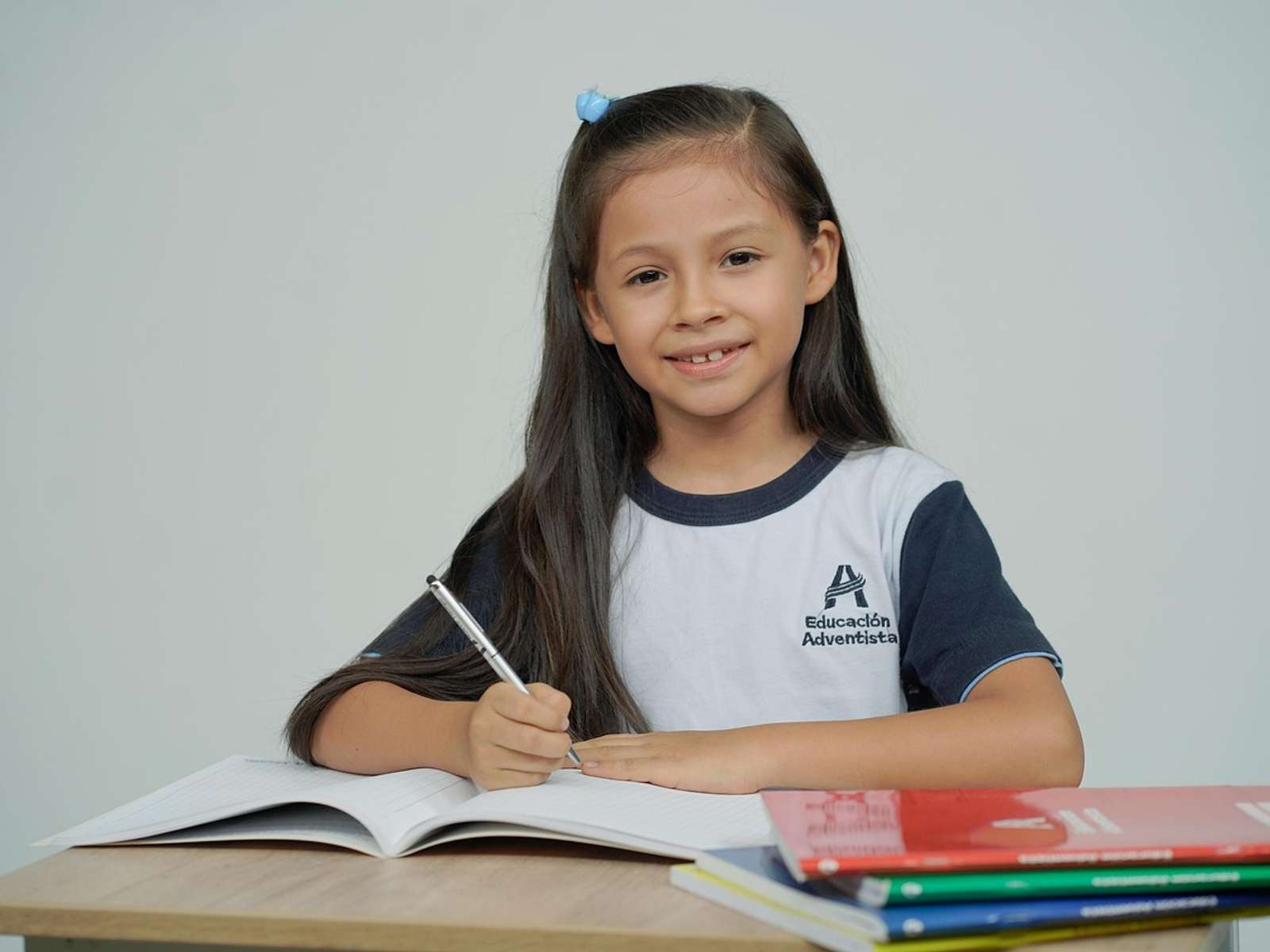
Hiba, 14, was out of school for five years because of insecurity and war in Sudan. Now she studies at an accelerated learning centre in Goz El Salam camp in Kosti, run by UNICEF with the White Nile State education ministry.
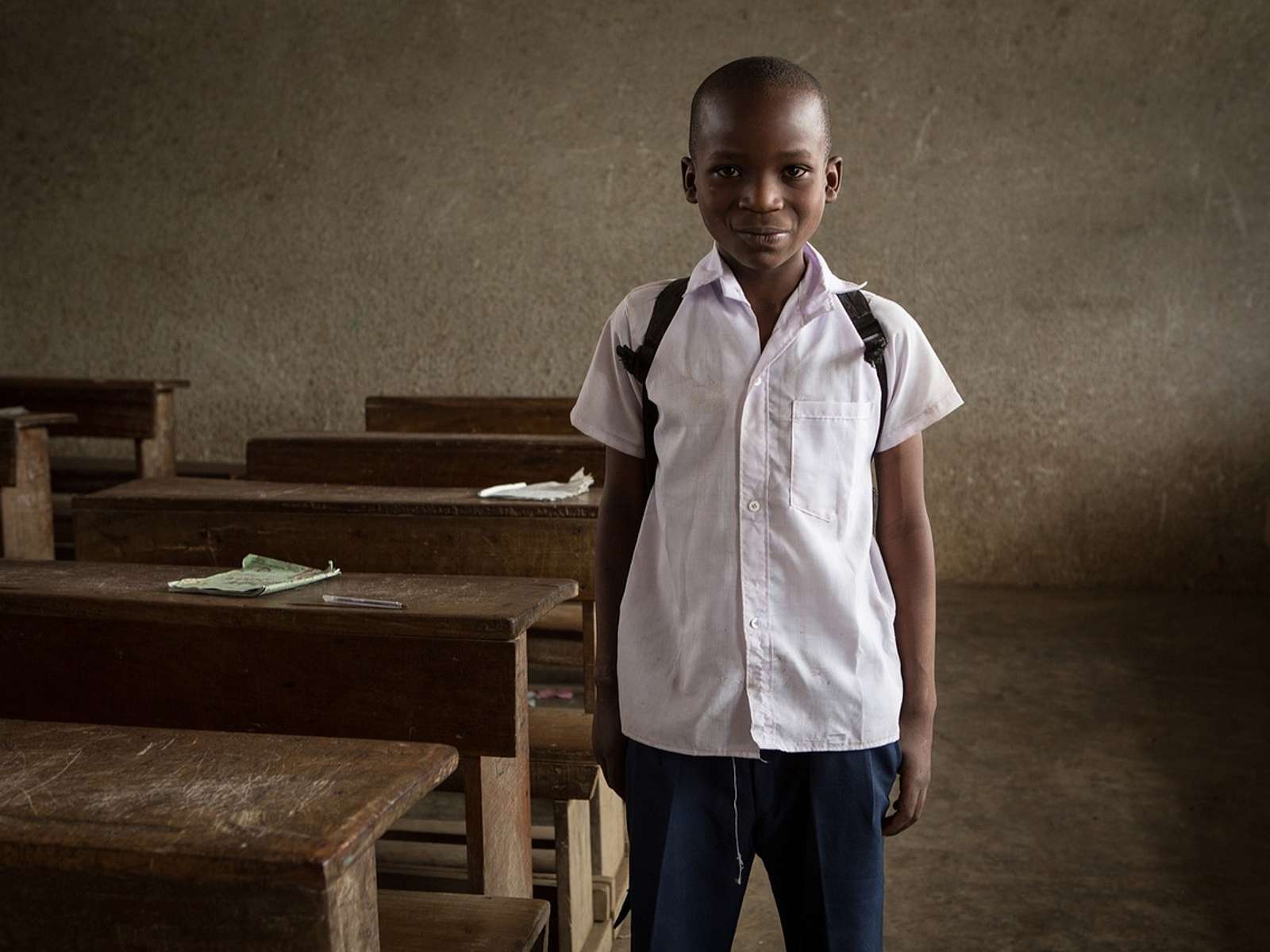
Construction has begun on 14 public preschools in Timor-Leste's Bobonaro and Baucau municipalities, backed by South Korea through KOICA and UNICEF. Only 29% of young children attend preschool; the government aims for 60% by 2028.
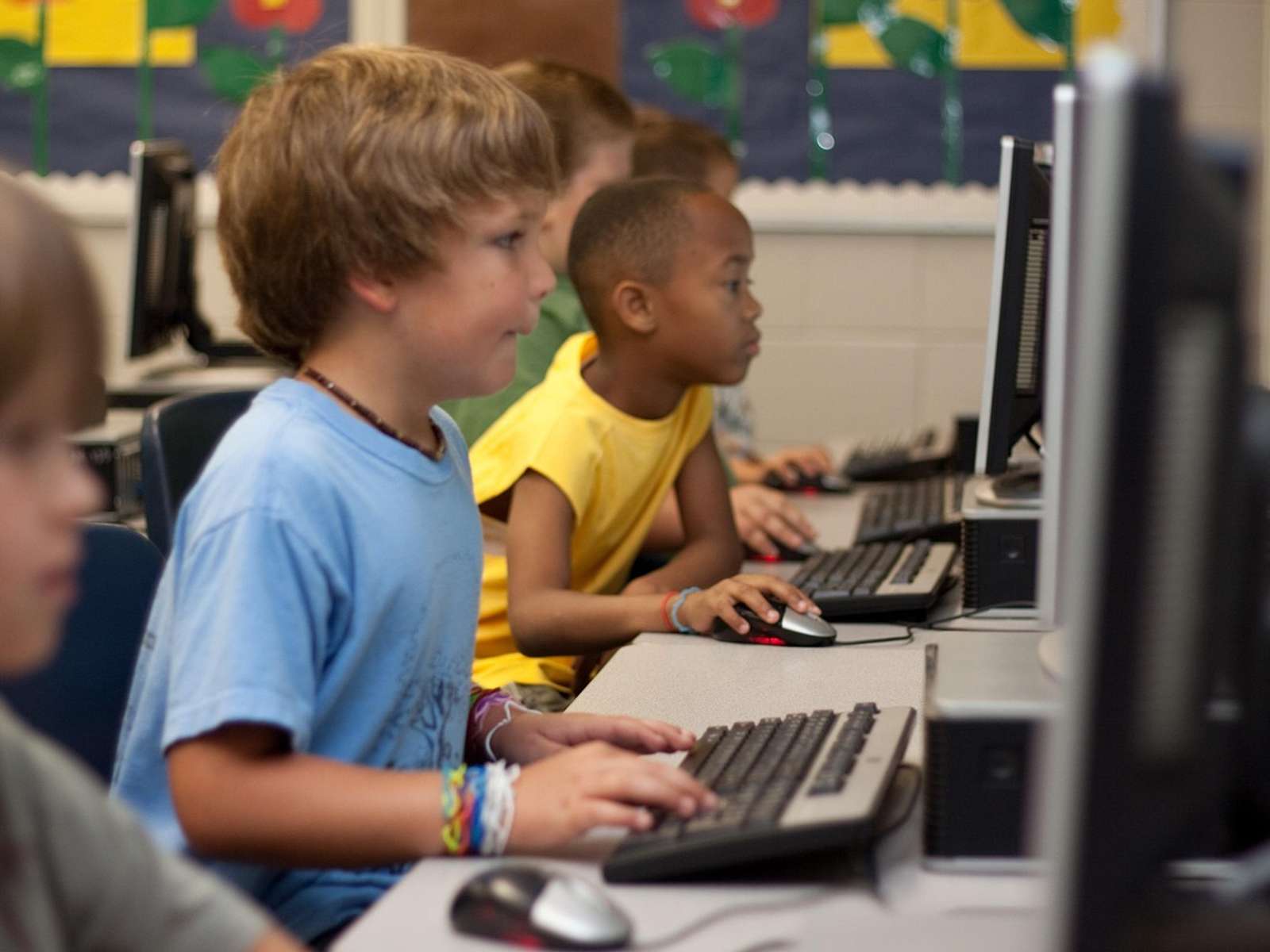
A UNESCO-backed media and information literacy center at Juba Day Secondary School has helped up to 500 students, teachers and community members learn computer skills, fact-checking and news writing since 2024.
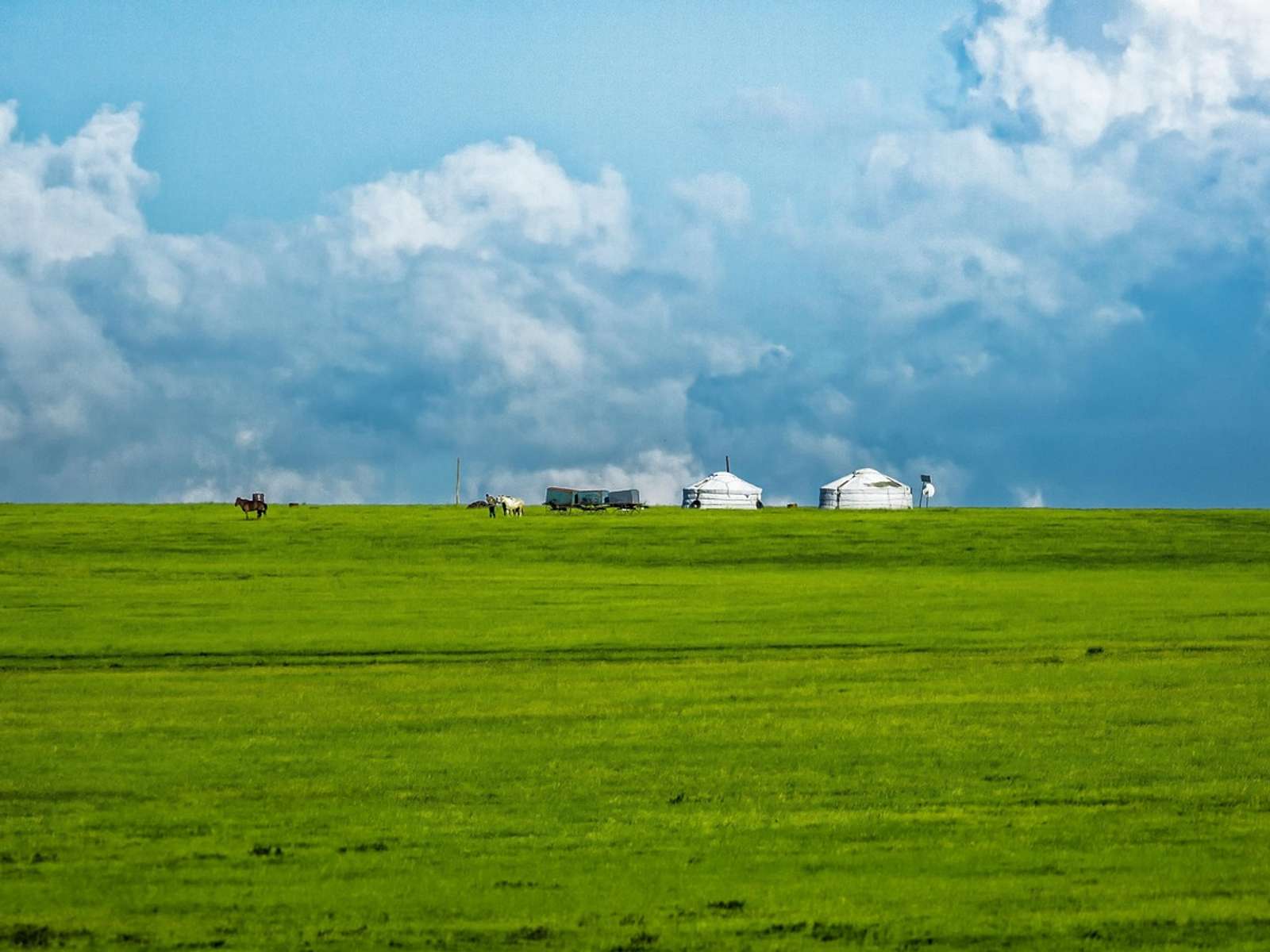
Mongolia's Teacher with a Tablet program, run by UNICEF and the Ministry of Education since 2023, sends kindergarten teachers to herding families' homes with tablets. It has reached more than 14,500 children and trained 550 teachers.
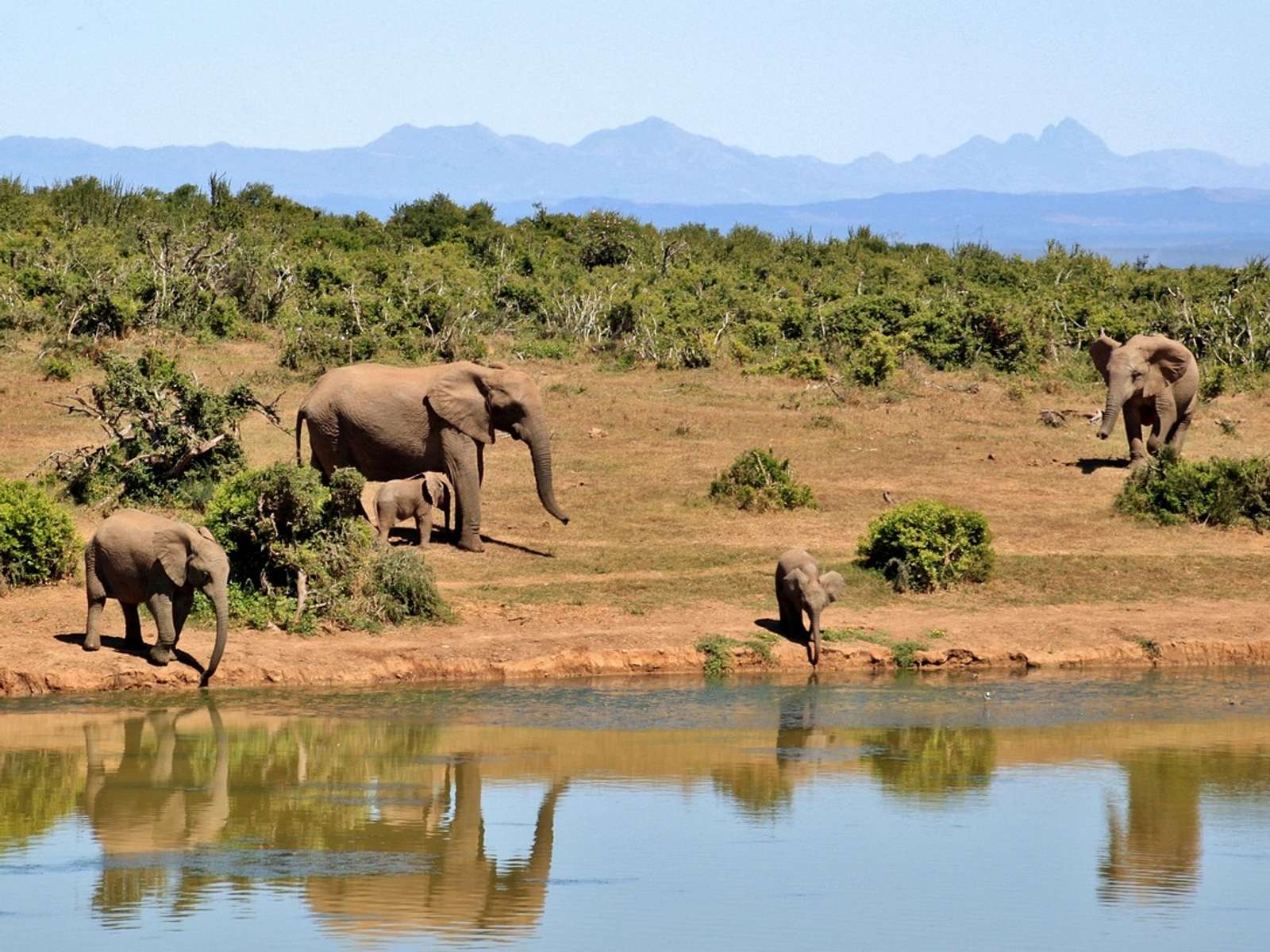
IFAW and ZimParks have launched Room to Roam Nature Clubs at 21 schools in the Hwange–Matetsi landscape, where children walk to school past elephants and lions. Students elect leaders and plan their own projects.
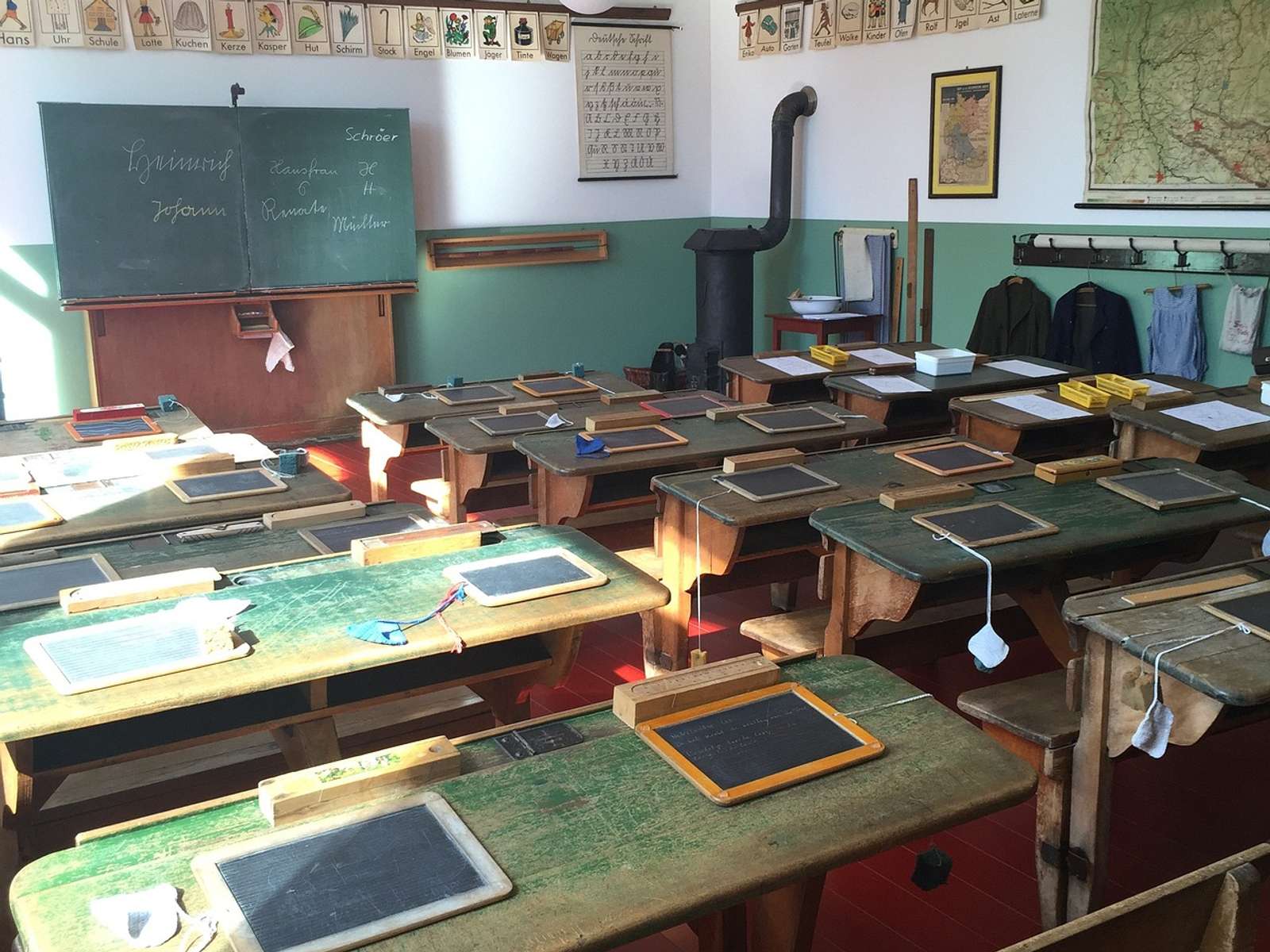
An NIH-funded study used the 1972 rise in the UK school-leaving age as a natural experiment. Among more than 100,000 UK Biobank participants, the extra year of school lowered dementia diagnoses, most among those at high genetic risk.
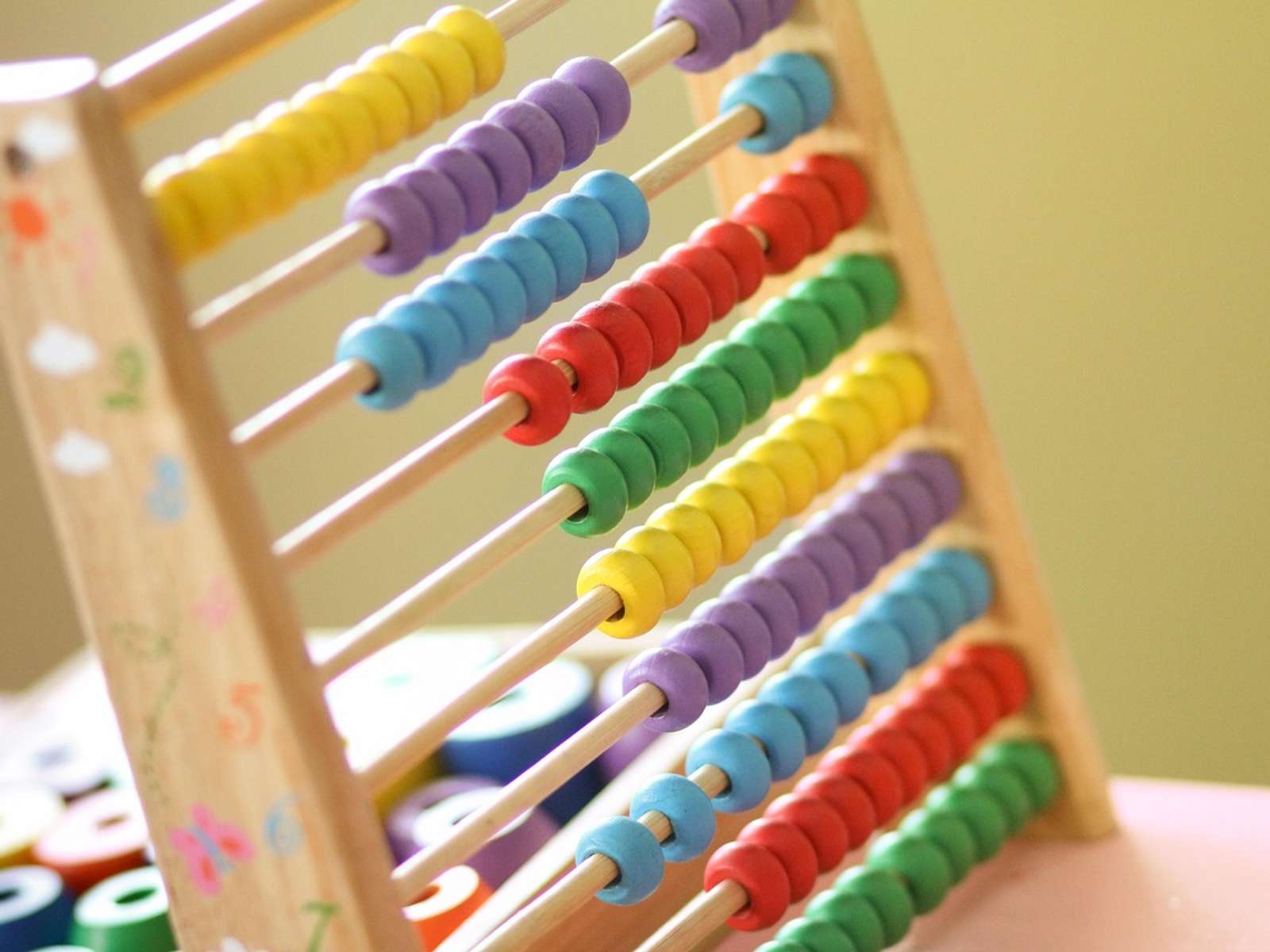
Guatemala's Ministry of Education, UNICEF and the Municipality of Cobán opened the first of four Departmental Early Childhood Reference Centers. Together they aim to support more than 2,000 educators and over 40,000 children.
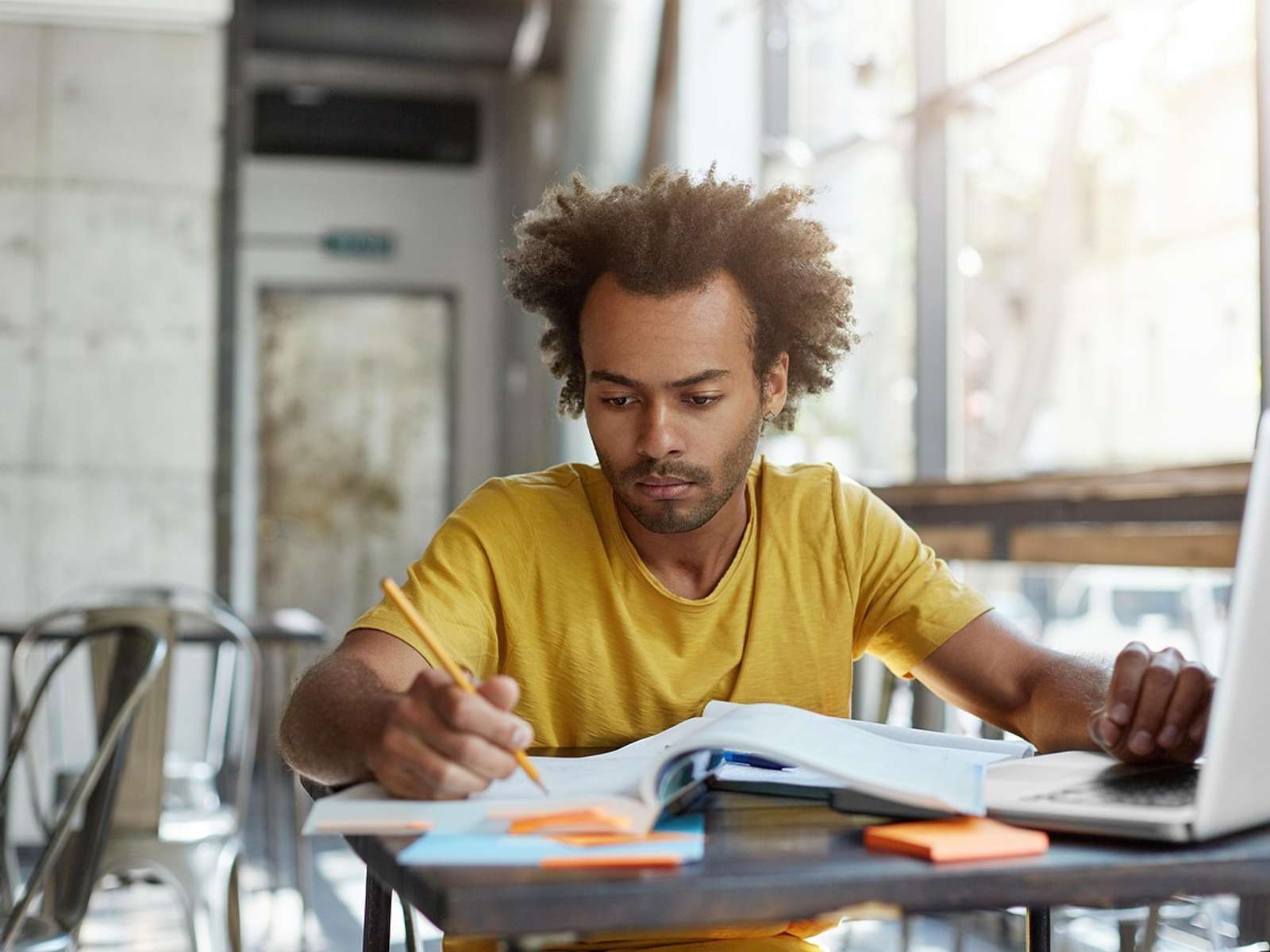
A partnership between UNICEF, Airtel Africa and Nigeria's government has connected nearly 2,000 schools and made learning platforms free of data charges, reaching about 1 million students and more than 20,000 teachers.
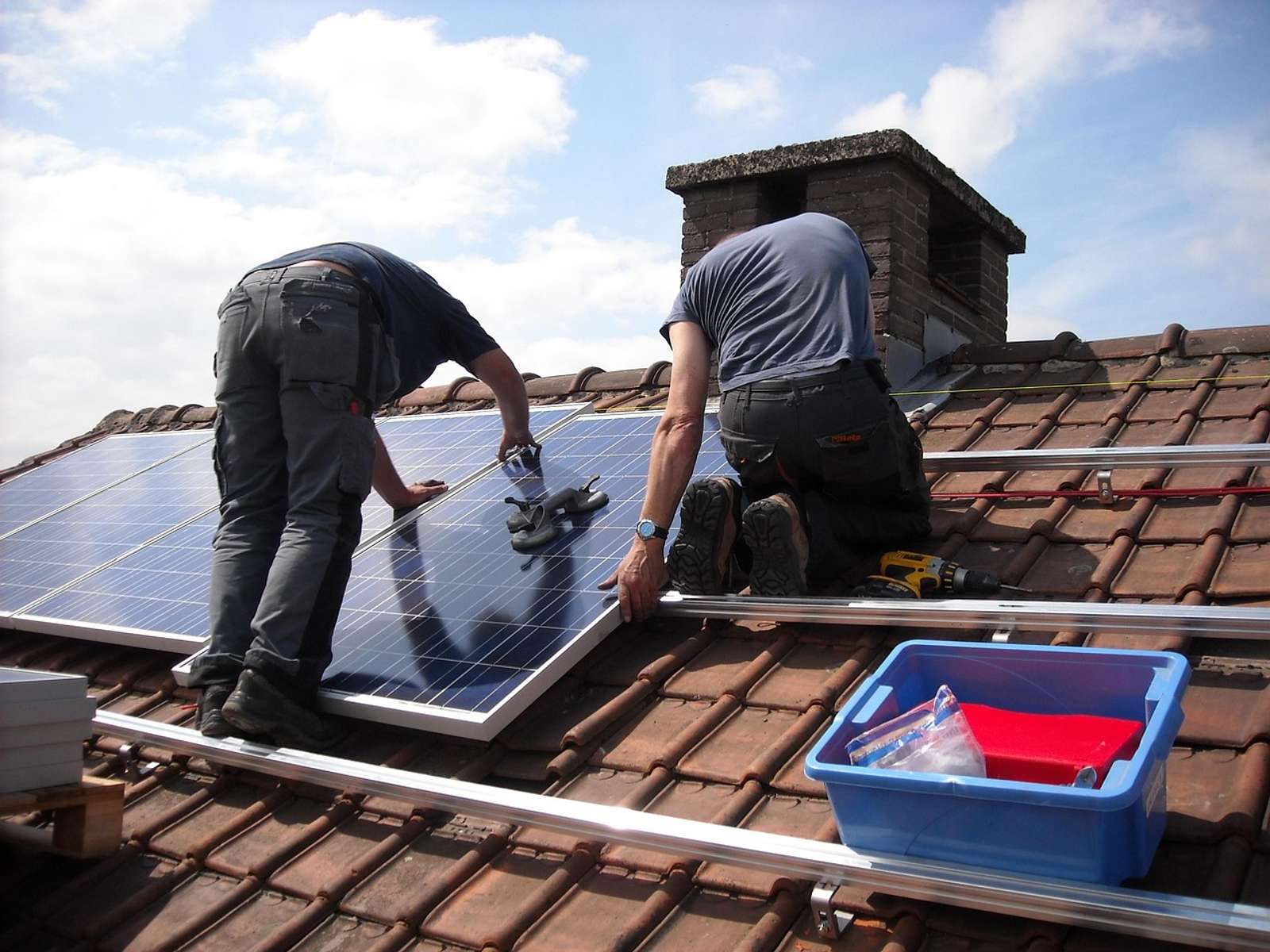
In Cambodia's Ratanakiri province, Indigenous students are learning to install and maintain solar systems through UNICEF's Youth Solar (YOSO) program. About 2,600 students in Ratanakiri and Preah Vihear are expected to take part in 2026.
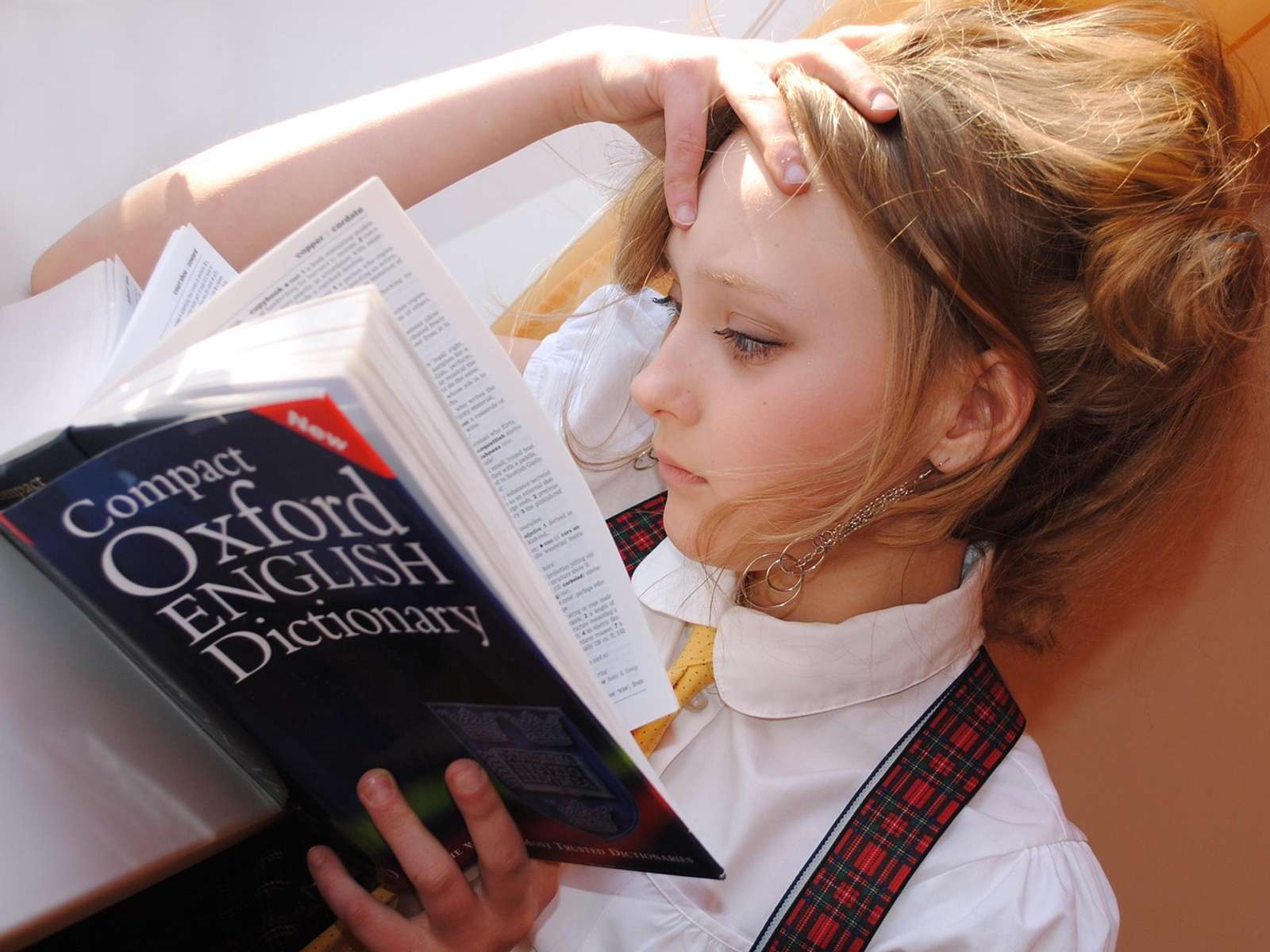
In Mwinilunga, Zambia, girls who became pregnant are back at school under the country's re-entry policy, with support from a UNICEF and EU program. One wants to join the police, another to study physiotherapy.
Malyn Lyceum No. 2 in Ukraine's Zhytomyr region, damaged by a blast wave during Russian attacks in 2022, reopened after a renovation of almost €2 million with a new roof, insulation, heating and safety systems for up to 600 pupils.
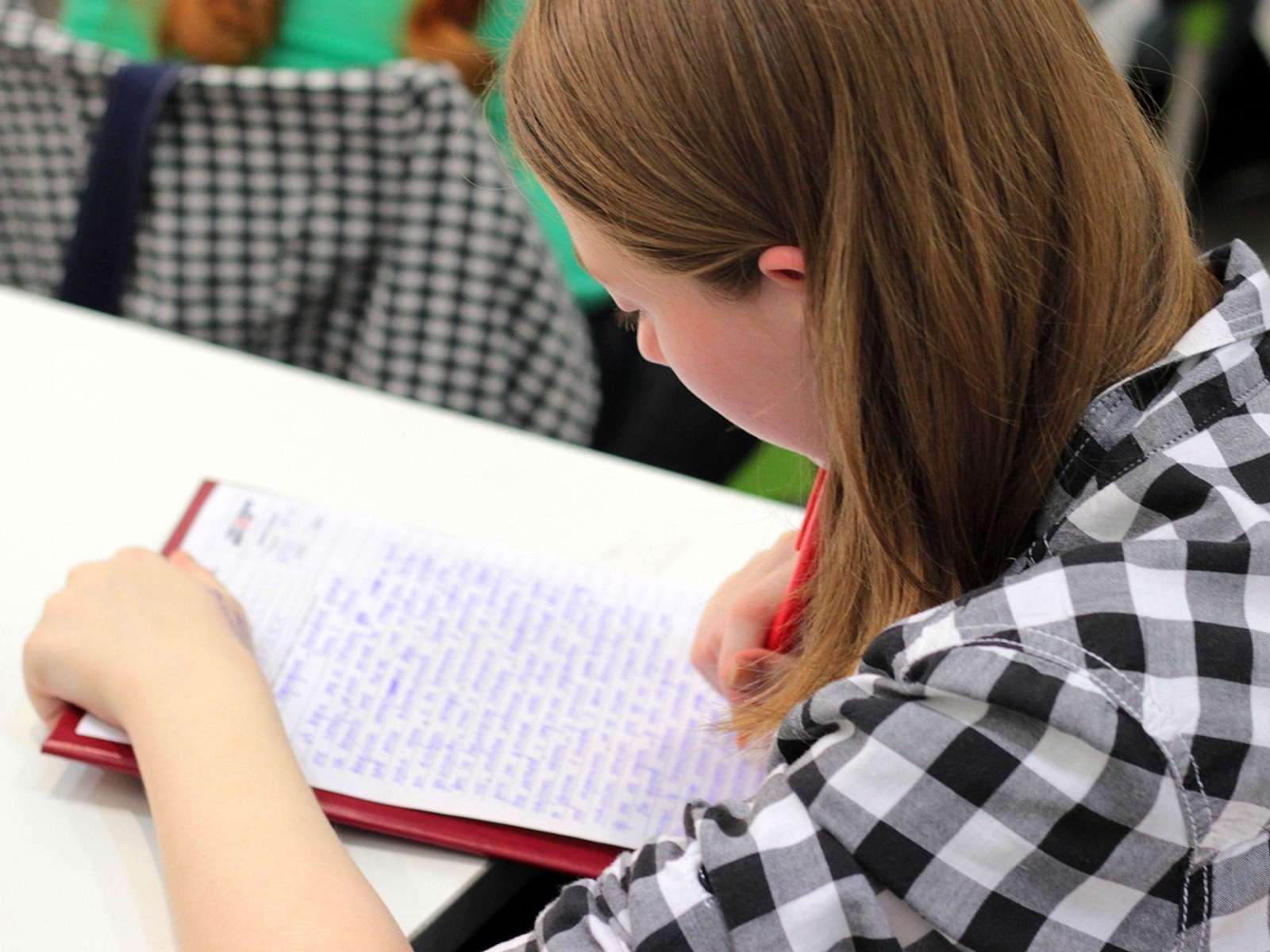
Suhaib, 13, returned to school in Ramadi through Iraq's Back-to-Learning campaign, and his sisters Malak, 14, and Tiba, 18, followed. The campaign helped 92,843 children back into learning in 2025, UNICEF said.
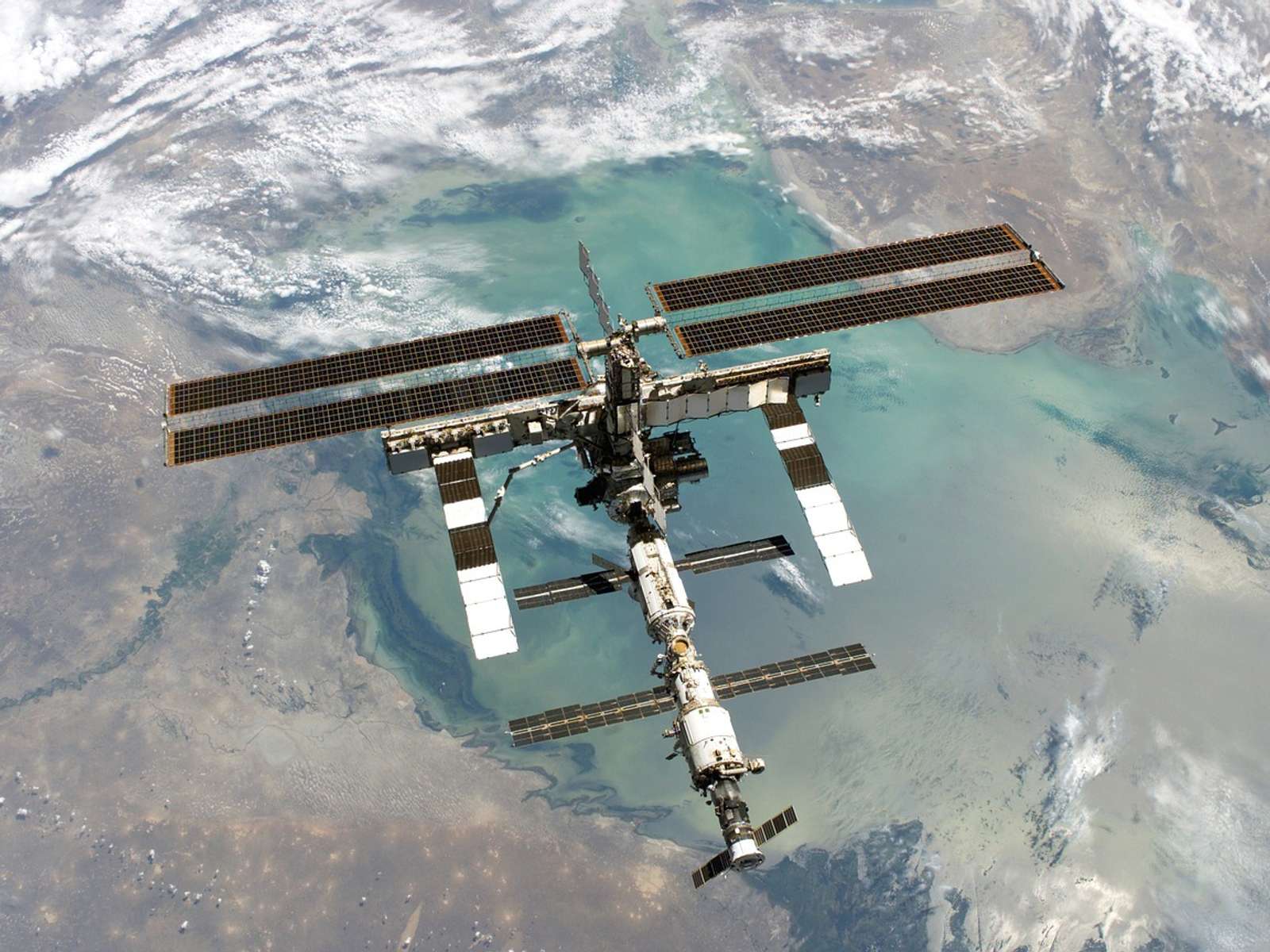
SCAMPI, a sealed aquarium of shrimp, algae and microbes designed by 51 students from Europe and the US, launched to the International Space Station on 13 October to show how a whole ecosystem copes with microgravity.
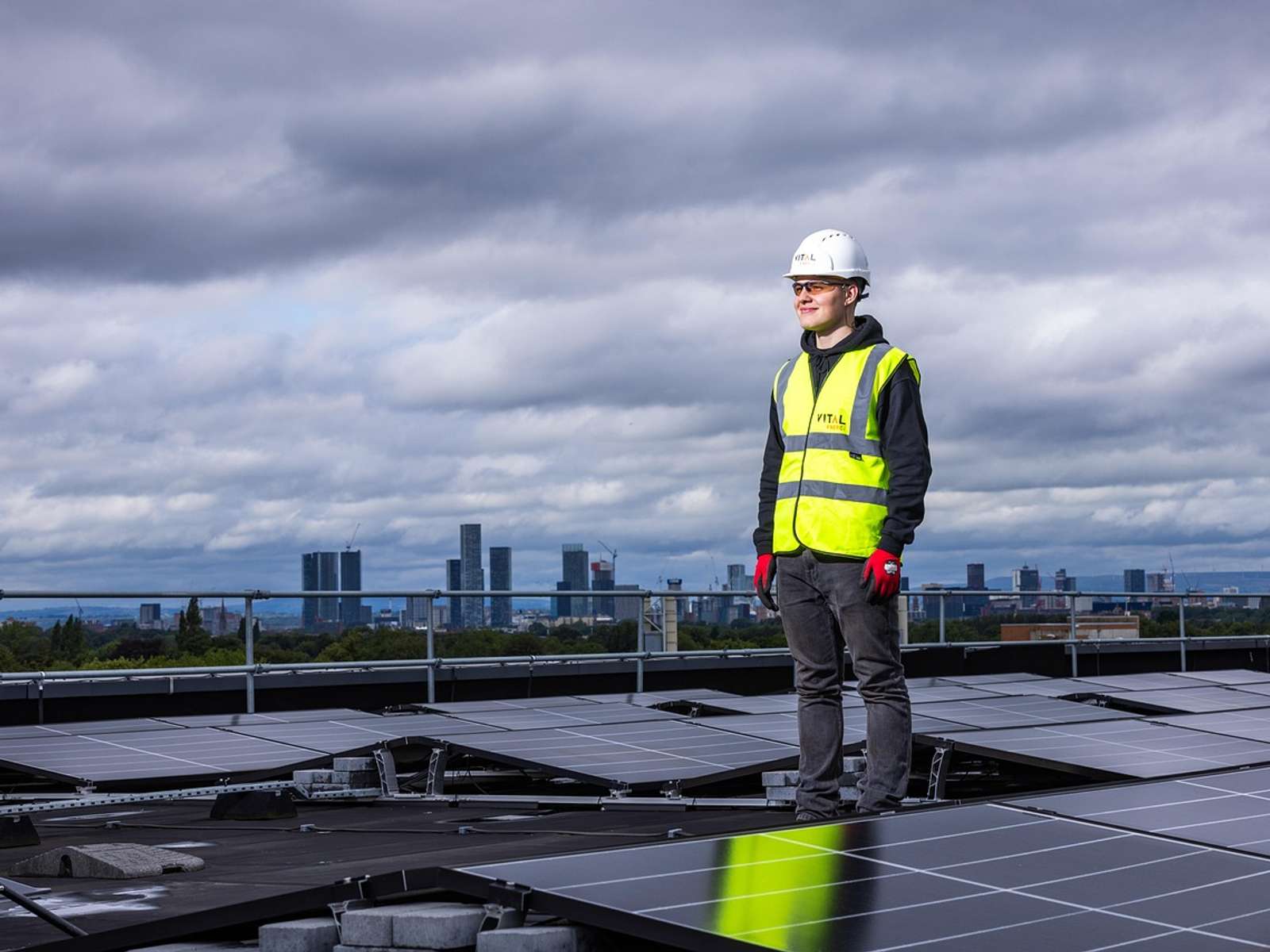
Australia's REnew Pacific program announced three solar projects for remote schools and communities in Fiji and Papua New Guinea that will give more than 75,000 people clean, reliable electricity.
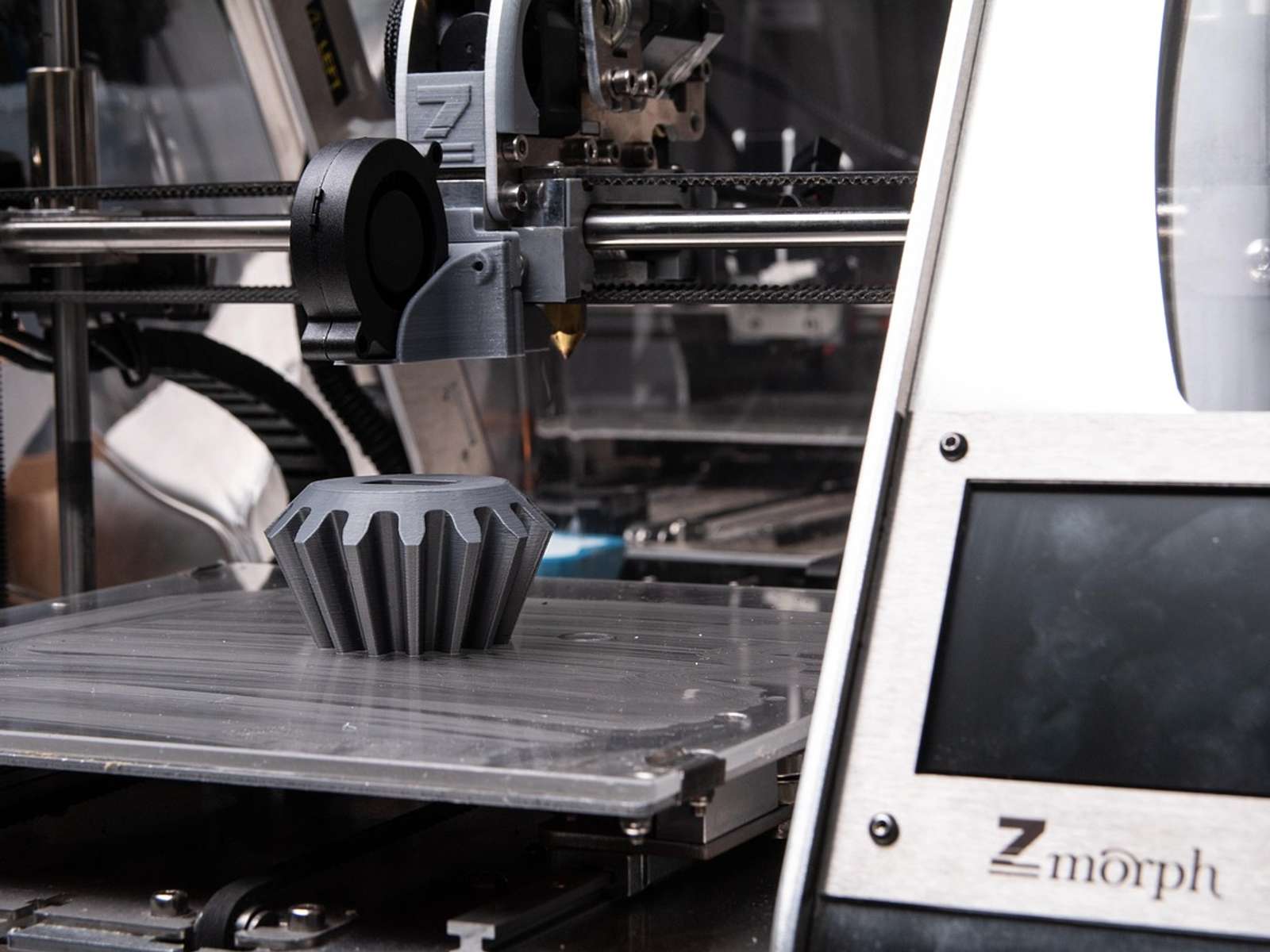
Cape Recife High School, a special needs school in the Eastern Cape, won South Africa's 2026 Samsung Solve for Tomorrow competition with a device that turns plastic bottles into 3D-printer filament for sports gear.
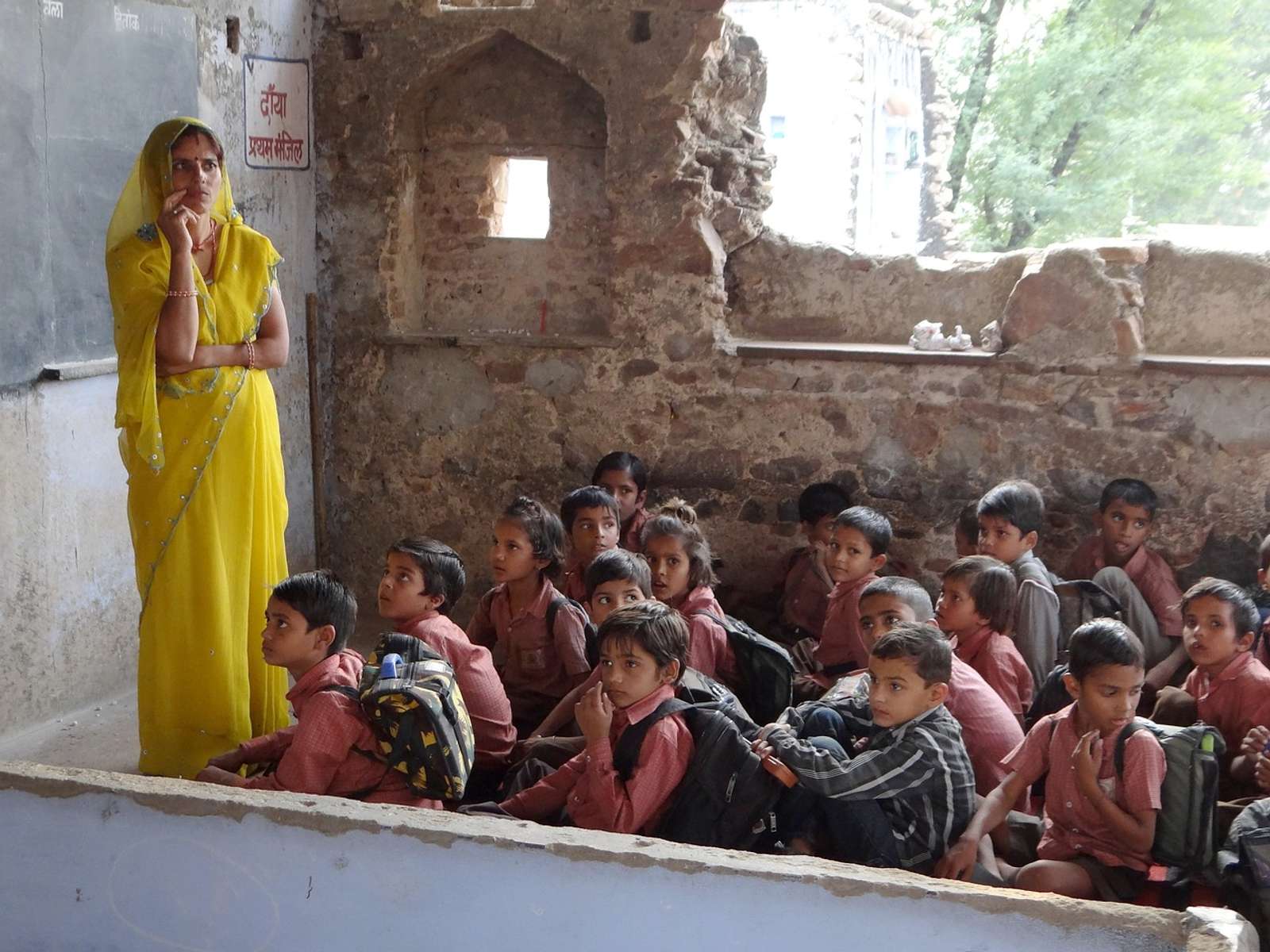
Shiksha Copilot, an AI system from Microsoft Research India evaluated with Cornell, saved more than 1,000 teachers in Karnataka about two hours a week, and about 30,000 teachers in Telangana now use it.
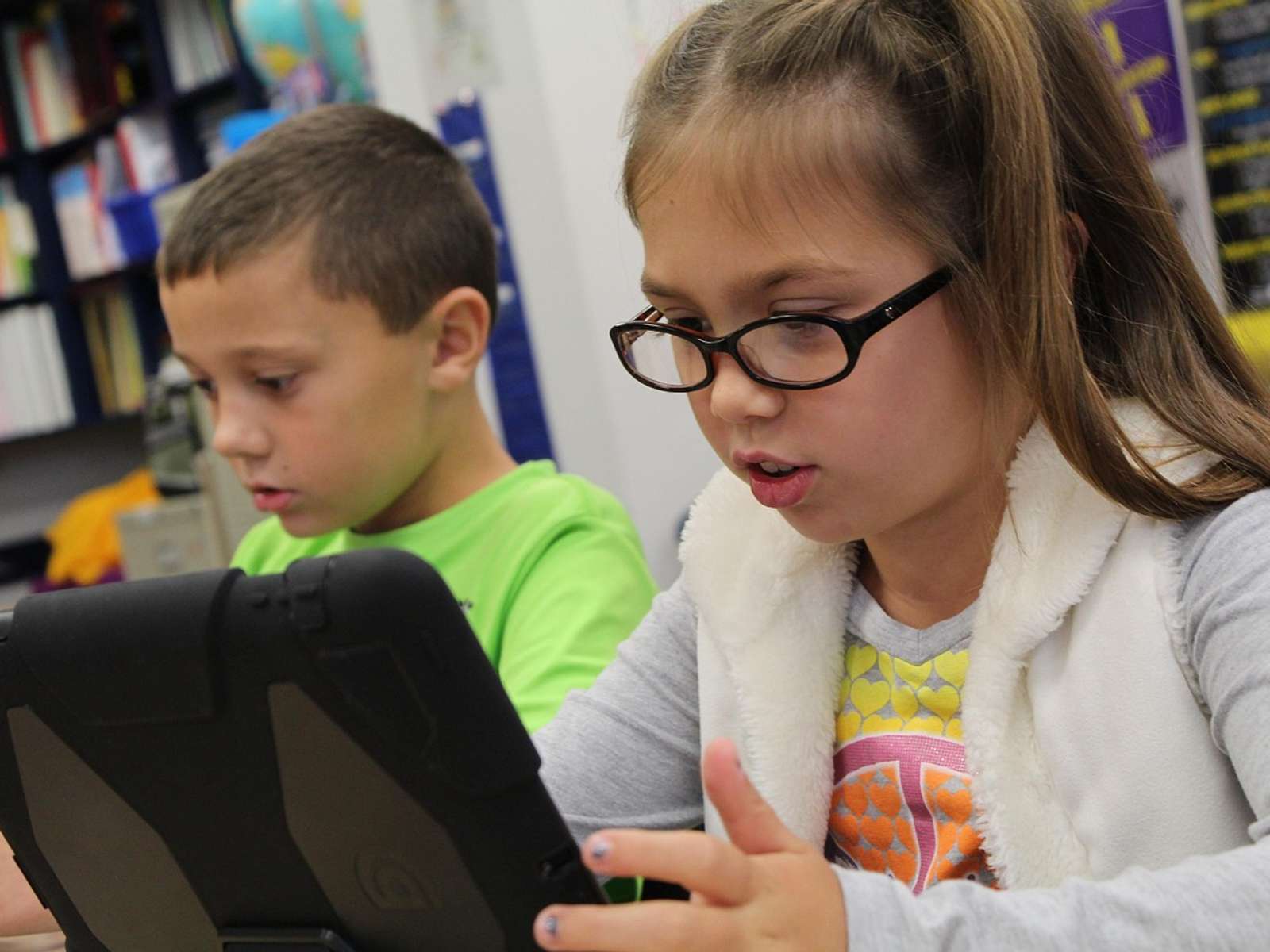
Moldova's new EduResurse platform gathers textbooks, lesson plans, videos, exercises and exam materials for every school level in one free website, built by UNICEF and the education ministry with EU support.
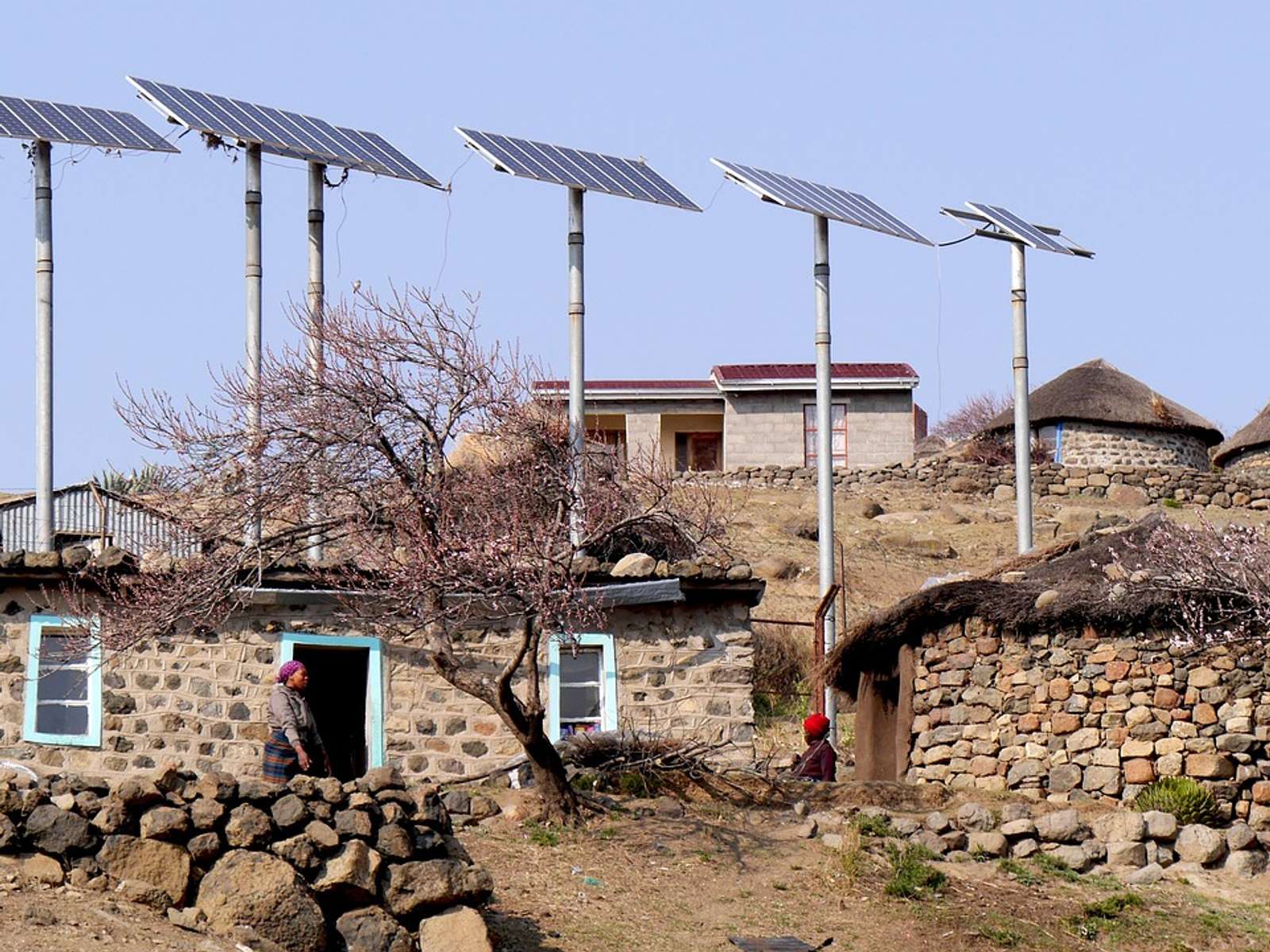
Since St Martins High School in Lesotho’s Mokhotlong district was connected to solar power, its 170 students can study early in the morning and after sunset, and teachers can use laptops and online resources.
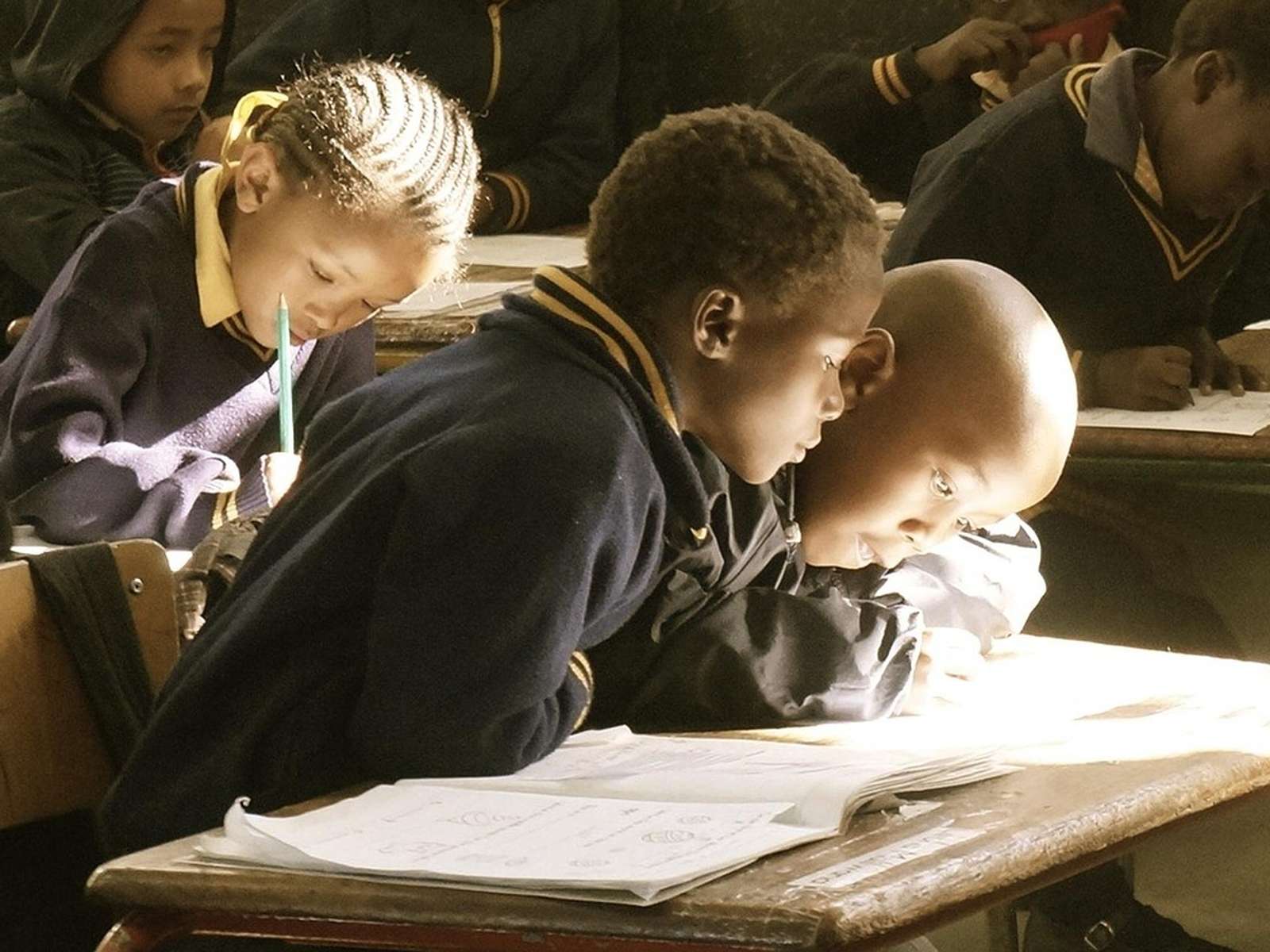
Pushed out of school by pregnancy at 13, Amina is now a 17-year-old secondary student in Uganda’s West Nile region thanks to cash support and mentoring from an EU-funded program, and she plans to become a nurse.
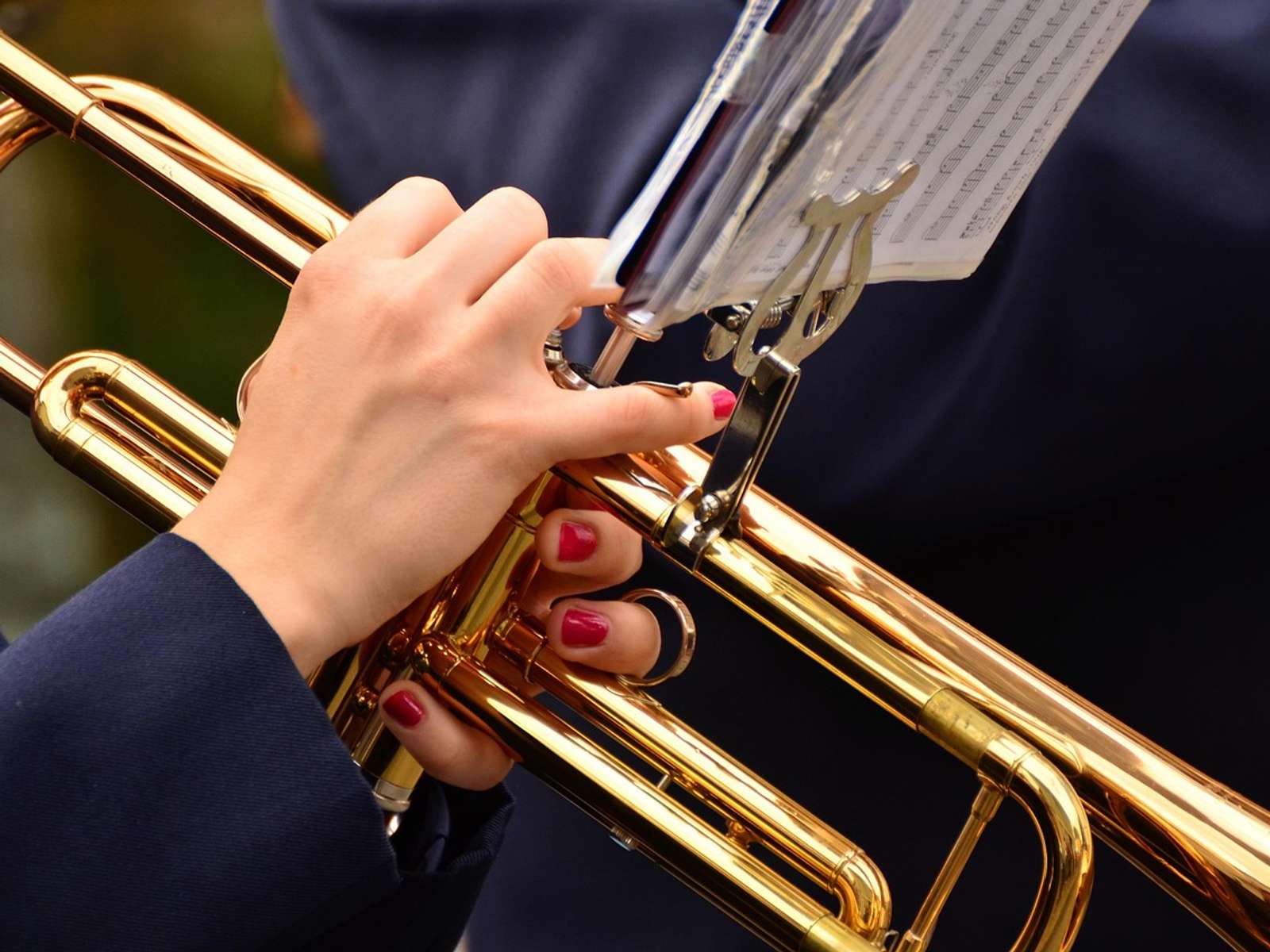
Young Musicians Unite runs free in-school and after-school music classes in 131 Miami-Dade public schools and counts 21,166 students this school year, more than double the 9,000 it served in 2024-25.
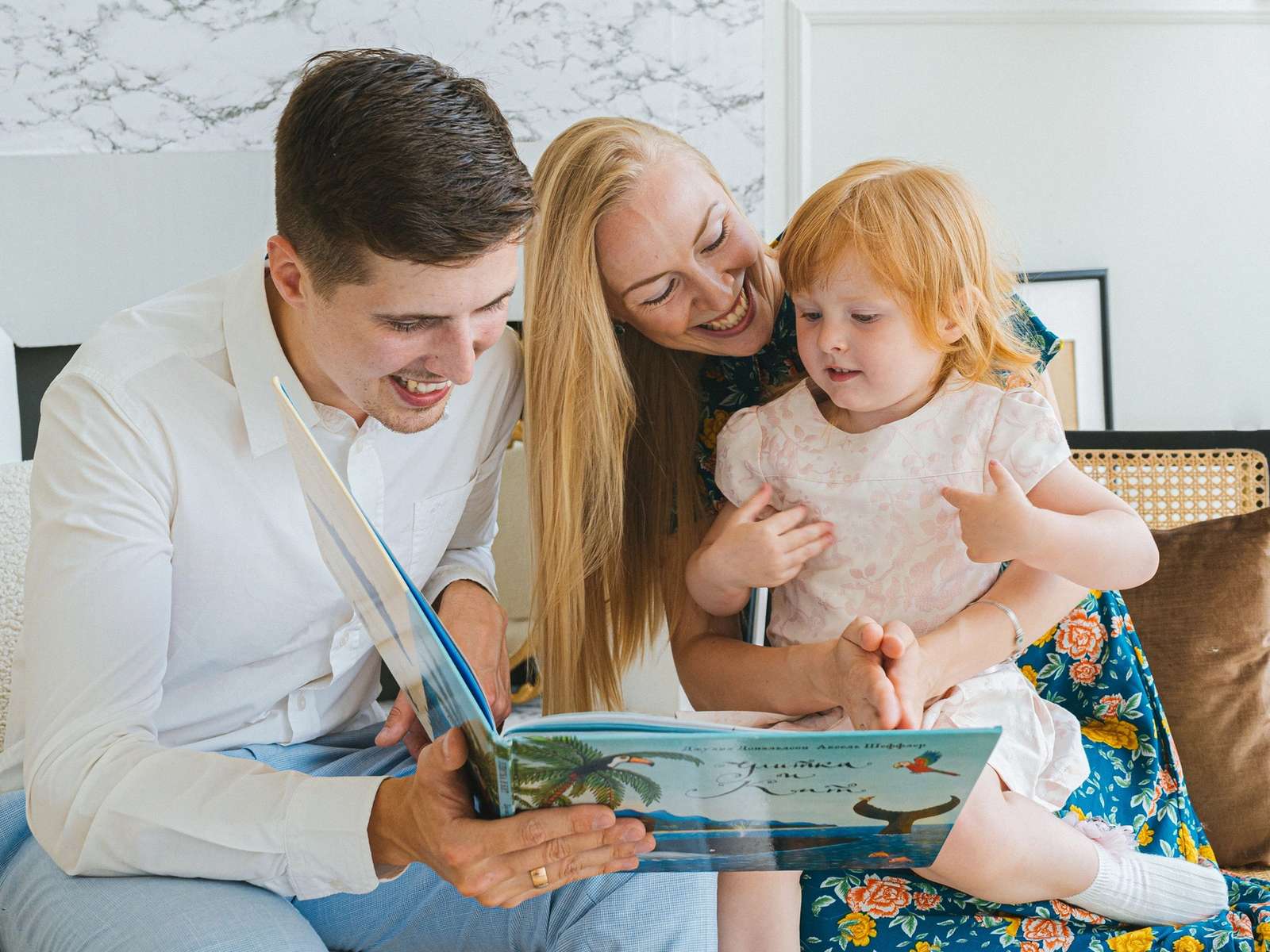
A major international study involving more than 55,000 families found that children receiving free monthly books through Dolly Parton’s Imagination Library were more likely to be read to regularly and have more books at home.
About this topic
School enrollment has grown enormously this century. UNESCO's 2026 Global Education Monitoring Report counts 1.4 billion primary and secondary students in 2024, an increase of 327 million, or 30%, since 2000. Completion rates have kept rising as well: from 77% to 88% in primary school, and from 37% to 61% in upper secondary school.
The number of children and young people out of school is moving the other way. UNESCO reports that it has risen for the seventh year in a row, to 273 million, and links the increase to population growth, crises and shrinking education budgets.
The stories on this page are about the people and programs closing that gap: Moldova's free national platform of textbooks, lessons and exam preparation, an AI tool that gives teachers in India ready-made lesson plans in their own language, solar power that lets students at a mountain school in Lesotho study before dawn and after dark, and Amina, who became a mother at 13 and is back in school in Uganda, training her sights on nursing.
We report enrollment and reach as the school, ministry or program gives them, and we say when a number is a goal rather than a count. Getting children into a classroom is the first step, not the last, so when a source measures what students actually learn, we include it.