Dolly Parton’s Free Book Program Is Helping Families Read More Together, Major Study Finds
A major international study involving more than 55,000 families found that children receiving free monthly books through Dolly Parton’s Imagination Library were more likely to be read to regularly and have more books at home.
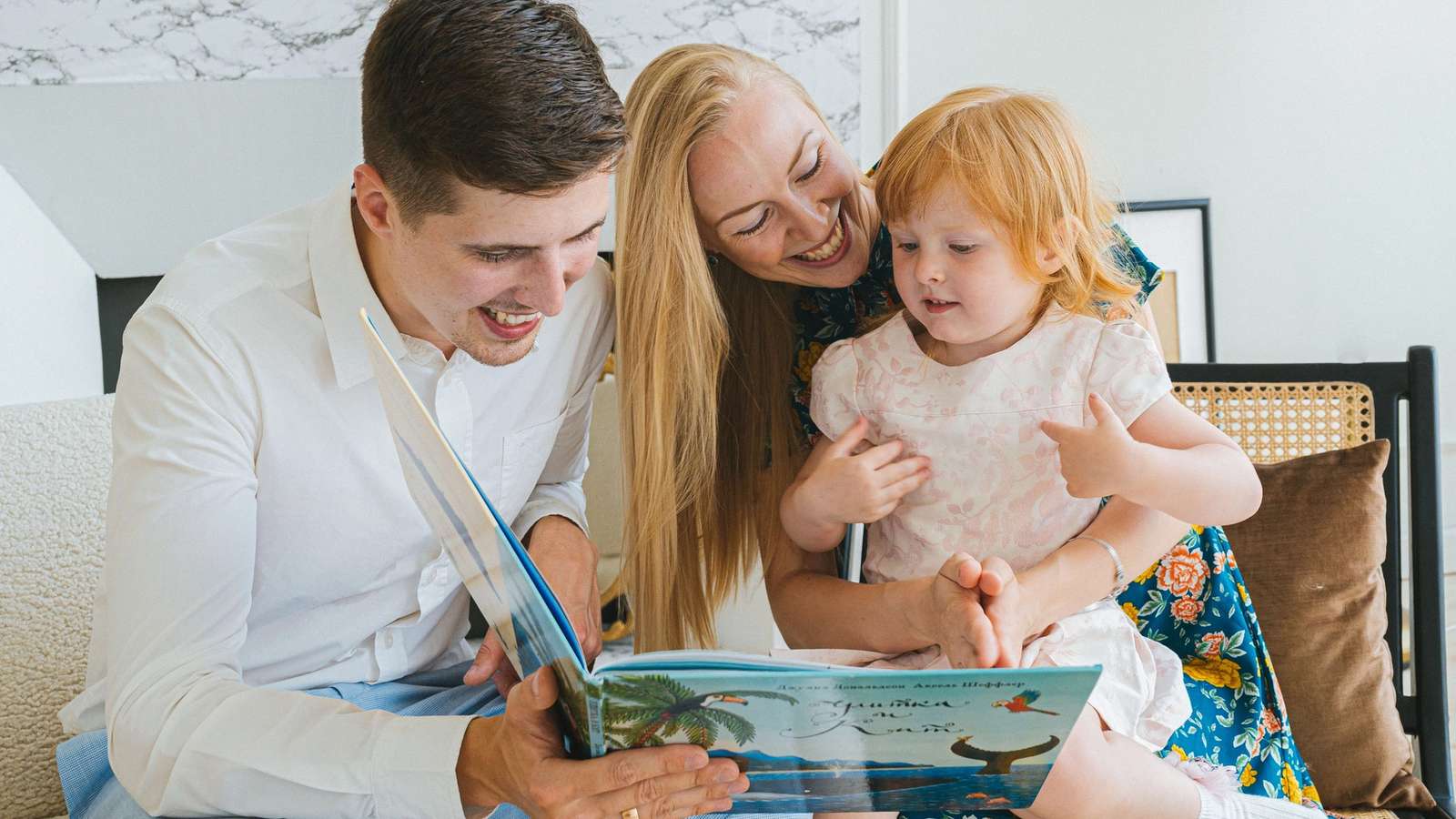
A program that mails free books to young children around the world appears to be doing more than simply filling bookshelves.
A major international study has found that families participating in Dolly Parton’s Imagination Library were significantly more likely to read to their children regularly and to have larger collections of children’s books at home.
Researchers analyzed families across the United States, Australia, Canada, Ireland and the United Kingdom, making it the largest study yet examining how the Imagination Library may influence reading inside the home.
A book delivered every month
Dolly Parton founded the Imagination Library in Tennessee in 1995 in honor of her father, who never learned to read or write.
The idea is simple: participating children receive an age-appropriate book through the mail every month from birth until their fifth birthday.
A child enrolled from birth can therefore build a personal library of as many as 60 books before starting school.
The program has since expanded internationally and has distributed more than 300 million books.
Researchers wanted to understand whether regularly receiving those books actually changes what happens inside families, particularly how frequently adults read with children and how many books they have access to at home.
Tens of thousands of families studied
More than 86,000 caregivers initially completed a survey when their children enrolled in the program but before receiving their first book.
Researchers then surveyed participants again six months later and after another six months.
A total of 18,112 caregivers completed all three surveys and had received at least 10 books through the program.
Their responses were compared with 37,776 caregivers whose children had enrolled but had not yet begun receiving books.
The researchers looked at several parts of what they call the "home literacy environment," including how often families read together, how long they read, when parents began reading to their children and how many children's books were available at home.
Families were reading more often
Across every country included in the study, caregivers participating in the Imagination Library were more likely to report reading to their children at least four days each week.
The strength of the association varied between countries.
Children in participating Canadian families, for example, had almost twice the odds of being read to at least four days per week compared with the comparison group.
Positive associations were also found in the United States, Australia, the UK and Ireland.
Researchers say frequent shared reading is important because earlier studies have linked it with developing literacy skills, language development and children's interest in books.
Home libraries grew dramatically
One of the clearest differences appeared on families' bookshelves.
Caregivers participating in the program were substantially more likely to report having at least 25 children's books at home.
Across all five countries, the average number of children's books in participating homes increased by approximately 30 over the study period.
That number is particularly interesting because families had received only around 10 books through the program during the 12 months examined.
Researchers suggested that receiving books regularly may encourage some families to find additional books themselves, although more research would be needed to confirm why the collections grew so much.
Parents in the program also reported beginning shared reading when their children were younger, at an average age of about 2.4 months compared with 4.2 months in the comparison group.
Not every result was the same
The study did not find improvements in every measure across every country.
Participating families reported reading for an average of about 15.9 minutes at a time, but only in the United States were they significantly more likely than the comparison group to read for longer than 10 minutes.
Researchers also caution that the study relied on caregivers reporting their own behavior, which can introduce bias.
There was also a substantial drop in participants between the first and final surveys, while 93% of the study's data came from families in the United States.
Those limitations mean the findings do not prove that receiving the books alone caused every improvement.
Still, the researchers say the results provide strong support for continuing book-gifting programs and studying their long-term impact.
Small packages with potentially lasting effects
The Imagination Library was built around an extraordinarily simple idea: regularly put books directly into children's hands, regardless of a family's income.
Three decades later, that idea has expanded across several countries and hundreds of millions of books.
The new research suggests those monthly deliveries may also encourage families to spend more time reading together and build richer home libraries.
For children growing up without easy access to books, a package arriving in the mail each month may therefore offer something much bigger than a new bedtime story. Some governments are opening up learning materials at a national scale; Moldova launched a free national learning platform.
It may help create a home where reading becomes part of everyday life.
Sources
- Springer Nature · link.springer.com
How we choose and verify sources: editorial policy.