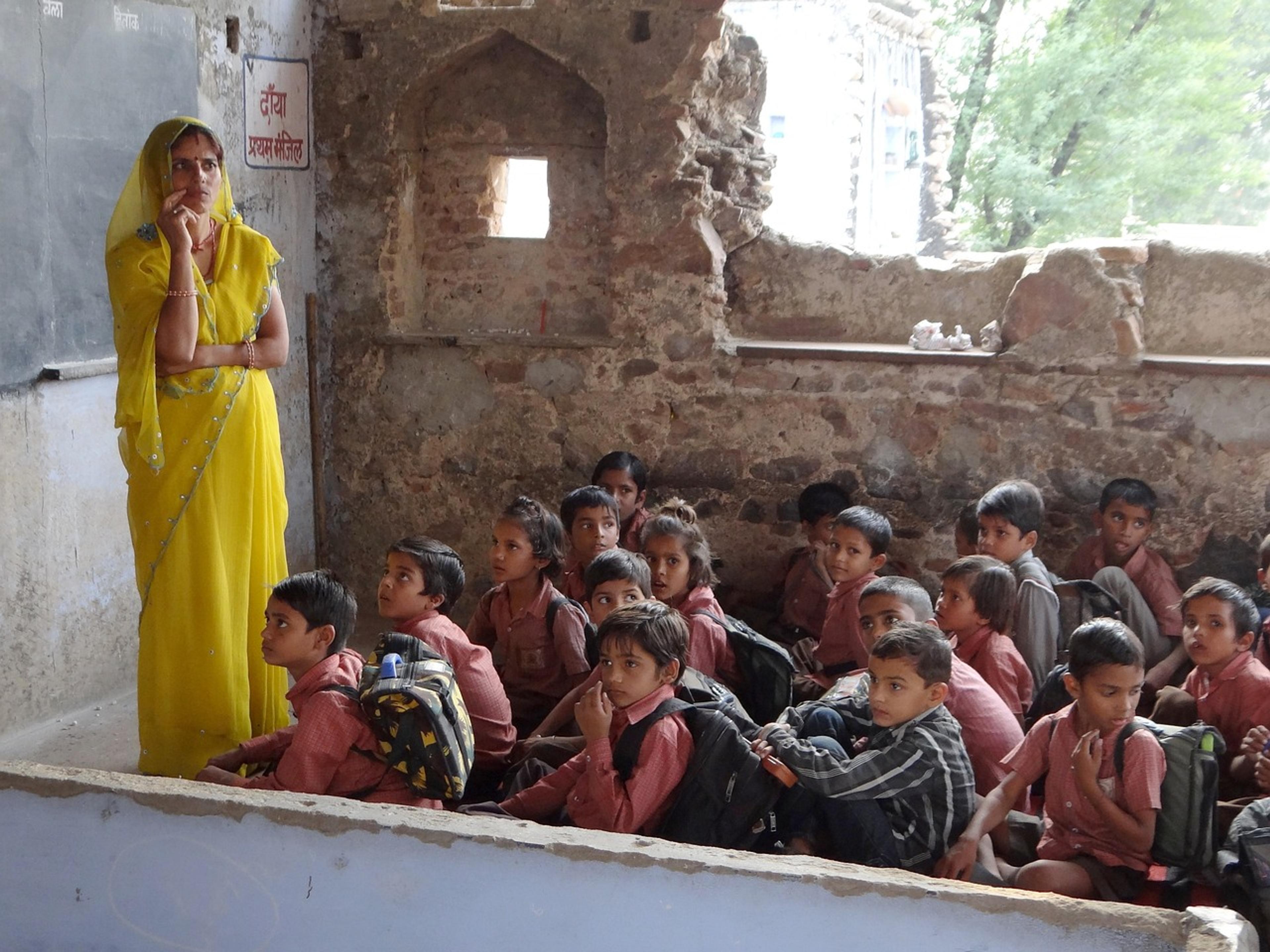
South African school wins national STEM prize for turning plastic bottles into sports equipment
Cape Recife High School, a special needs school in the Eastern Cape, won South Africa's 2026 Samsung Solve for Tomorrow competition with a device that turns plastic bottles into 3D-printer filament for sports gear.
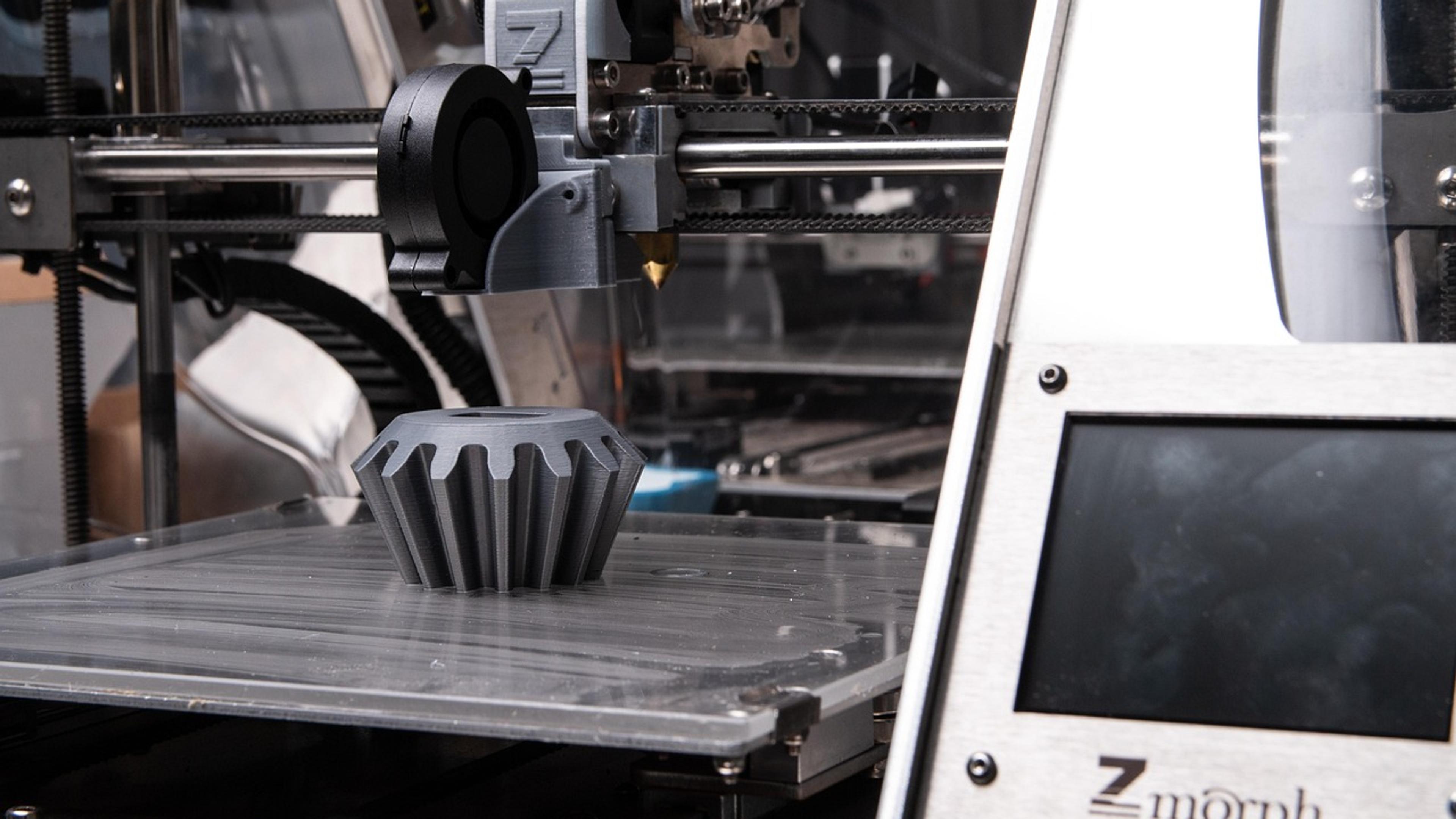
Learners from Cape Recife High School in the Eastern Cape have won South Africa's 2026 Samsung Solve for Tomorrow competition with a device that turns plastic bottles into material for making sports equipment, Samsung South Africa announced. The competition is run with the national Department of Basic Education.
Plastic bottles become 3D-printed sports gear
The team built an electronic device that converts recycled PET bottles into filament for 3D printers, then used it to print functional sports equipment for local teams. They set out to tackle two problems at once: plastic waste piling up in landfills, and the lack of affordable sports equipment in underserved communities, where sport can keep young people away from crime and drugs.
“For us, as a special needs school, to be here and announced as 2026 winners of the competition is a huge honour.” — Kukhanya Mbebe, Grade 10 learner, Cape Recife High School
The school won R100,000 to spend on STEM equipment, and each learner on the winning team received a smartphone. The prizes were awarded on 2 October in Centurion, Gauteng.
Waste was the theme of the top three
Second place and R50,000 went to Mbilwi Secondary School in Limpopo, for turning waste into low-cost building materials. Sekete IV Secondary School in North West took third place and R30,000 for a solar-powered "smart bin" that compacts rubbish to hold five times more than a standard bin.
The competition drew 143 entries from public schools this year, up from 47 last year. Plastic recycling ideas are spreading in many places, from classrooms to sensors that check how much recycled plastic a product really contains.
Like what you're reading?
Related stories
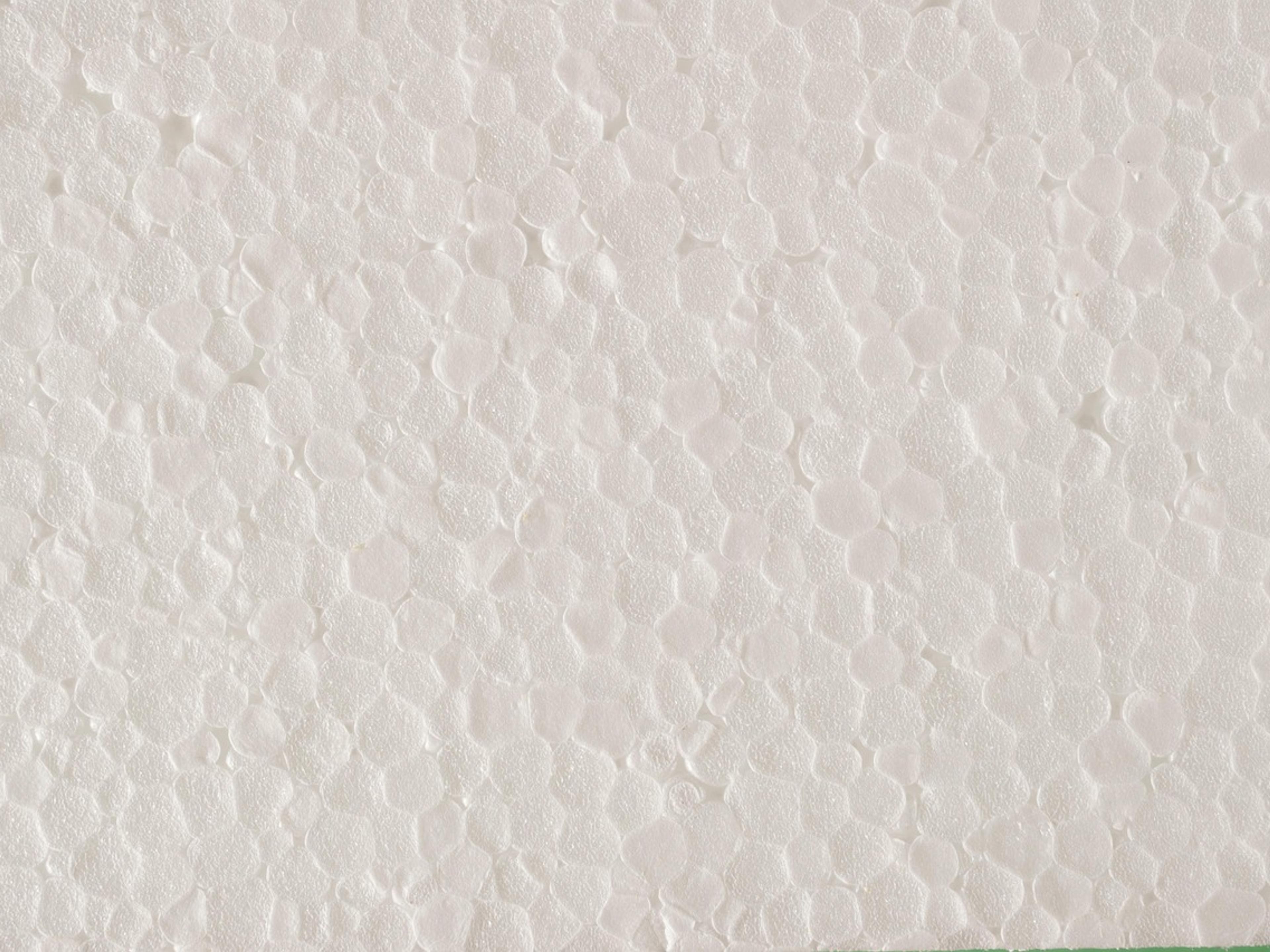
German researchers make a polystyrene that is half plant-based and built to break down
Scientists led by Germany's Helmholtz-Zentrum Hereon made a polystyrene with about 50% plant-based content, produced with microwaves and designed with breaking points so it can be broken down after use.
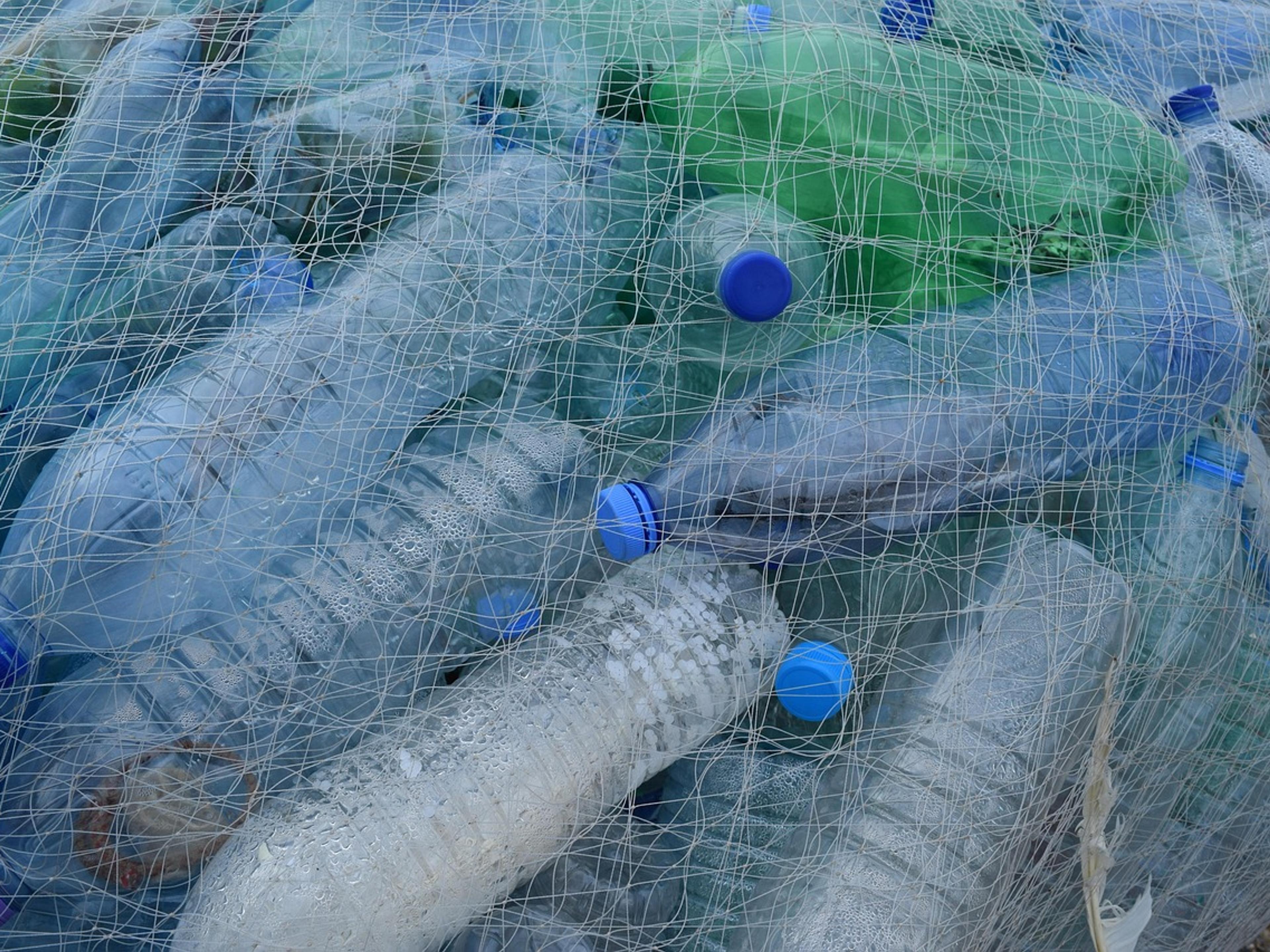
Kenyan island community turns plastic waste into income and a recycled heritage gate
On Kenya's Pate Island, a community group collected 18.1 tonnes of plastic in eight months, earns money from the waste and is restoring one of the island's historic gates with recycled plastic.
New Sensor Can Verify Exactly How Much Recycled Plastic Is in a Product
A University at Buffalo team led by Amit Goyal has built a sensor that measures recycled plastic content directly, without relying on paperwork, earning two 2026 R&D 100 Awards and a patent application.