German researchers make a polystyrene that is half plant-based and built to break down
Scientists led by Germany's Helmholtz-Zentrum Hereon made a polystyrene with about 50% plant-based content, produced with microwaves and designed with breaking points so it can be broken down after use.
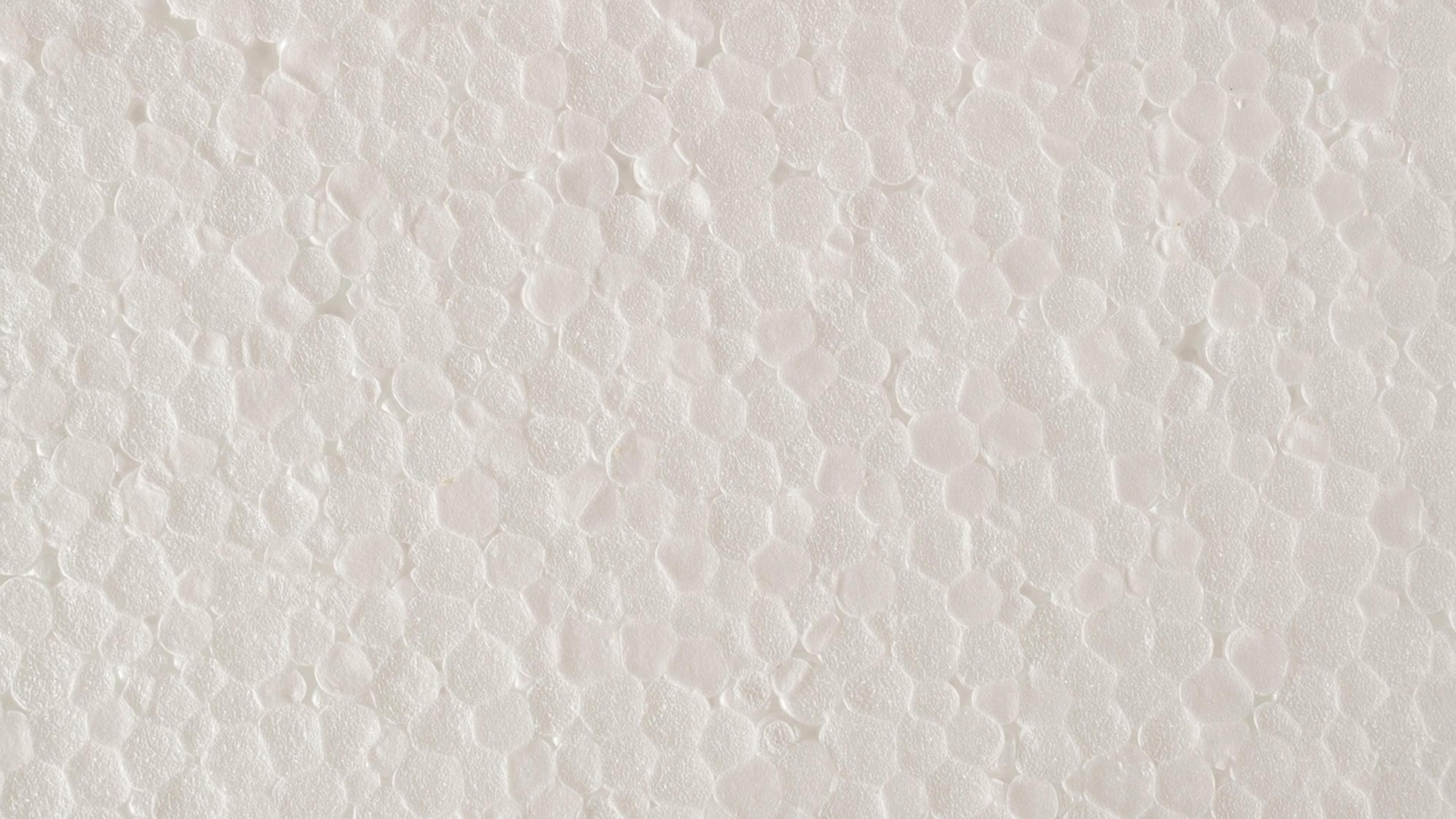
Researchers led by the Helmholtz-Zentrum Hereon in Germany have developed a version of polystyrene that is about half plant-based, can be made with less energy and is designed to break down at the end of its life, Hereon said. The study was published in the journal Chem Circularity.
Polystyrene is made in huge amounts and rarely recycled
Nearly 20 million tonnes of polystyrene are produced each year, for protective packaging, building materials and laboratory Petri dishes. It is mostly made from crude oil, is rarely recycled because new material is often cheaper, and resists breaking down in the environment.
Sugar-derived ingredients and a microwave
The team added itaconic anhydride, a compound that can be made by fermenting plant sugars, so that the new plastic contains about 50% bio-based material. Instead of heating reaction vessels, they used microwaves to drive the reaction, which is faster and uses less energy.
They also built in a compound called DOT, which acts as deliberate breaking points in the polymer. At the end of its use, the material can be chemically split into small fragments for further processing, and bacteria can digest those fragments, unlike conventional polystyrene.
“The new polymer was developed according to the design-for-degradation principle, meaning it is engineered for controlled breakdown at the end of its service life.” — Professor Francesca Toma, Director, Institute of Functional Materials for Sustainability, Hereon
So far, coin-sized Petri dishes
Early tests show the material works in standard injection-moulding machines. The team has so far made miniature Petri dishes about the size of a one-euro coin, and preliminary tests with human stem cells suggest it performs as well as commercial polystyrene for cell culture.
It is still a lab-scale result, with work from BTU Cottbus-Senftenberg, Freie Universität Berlin and Helmut Schmidt University. Other teams are tackling plastic from the recycling side, such as a sensor that verifies recycled content in plastic.
Like what you're reading?
Related stories
New Sensor Can Verify Exactly How Much Recycled Plastic Is in a Product
A University at Buffalo team led by Amit Goyal has built a sensor that measures recycled plastic content directly, without relying on paperwork, earning two 2026 R&D 100 Awards and a patent application.
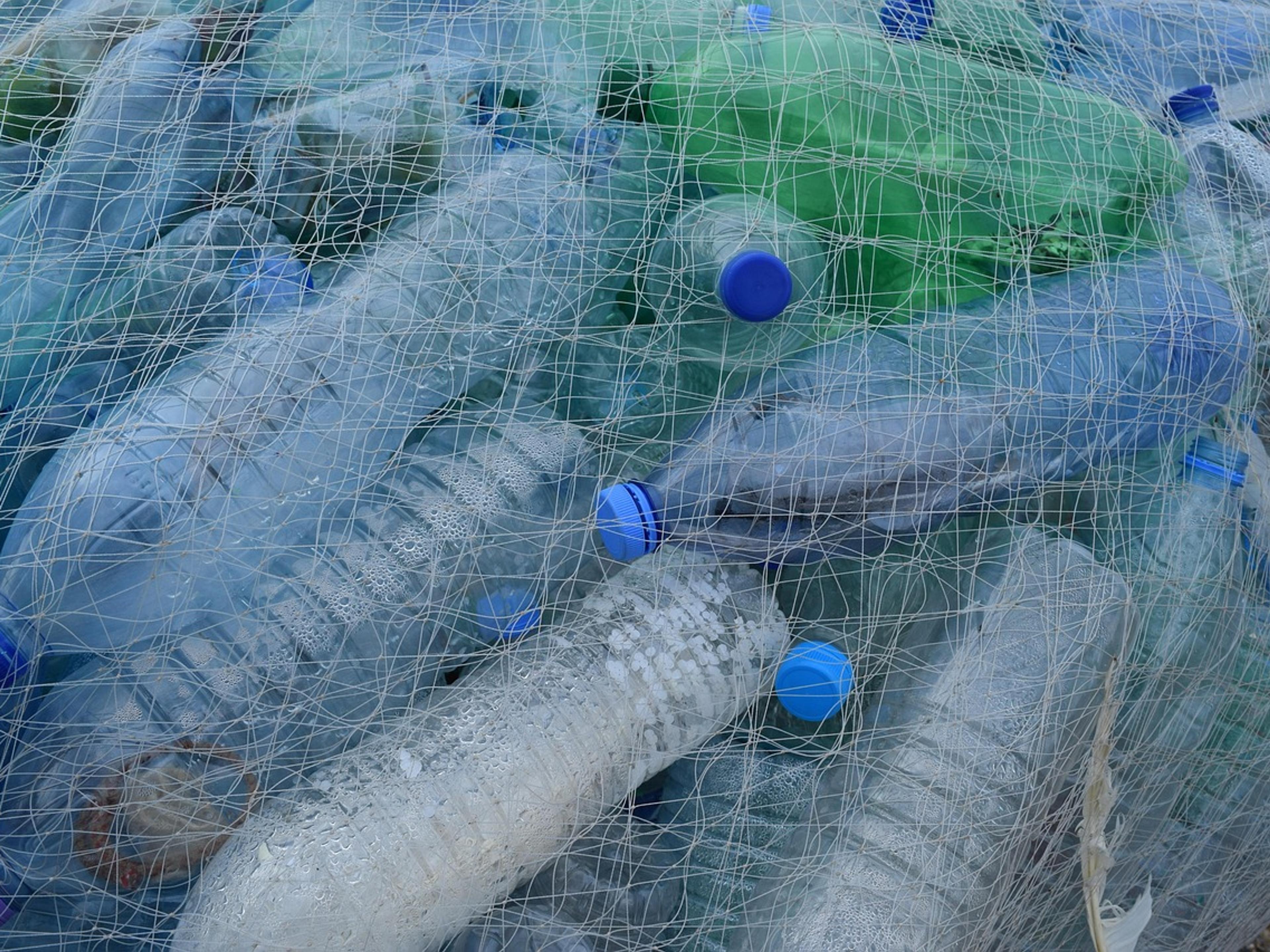
Kenyan island community turns plastic waste into income and a recycled heritage gate
On Kenya's Pate Island, a community group collected 18.1 tonnes of plastic in eight months, earns money from the waste and is restoring one of the island's historic gates with recycled plastic.

Bristol Spinout Turns Moth-Wing Science Into Soundproofing Up to 10 Times Thinner
Attacus Acoustics, a new University of Bristol spinout, is commercializing a sound-absorbing material inspired by moth wings that it says can be up to ten times thinner than conventional soundproofing.