Lab advances in new materials, from thinner soundproofing and plant-based plastics to catalysts and solar crystals, with their stage and limits.
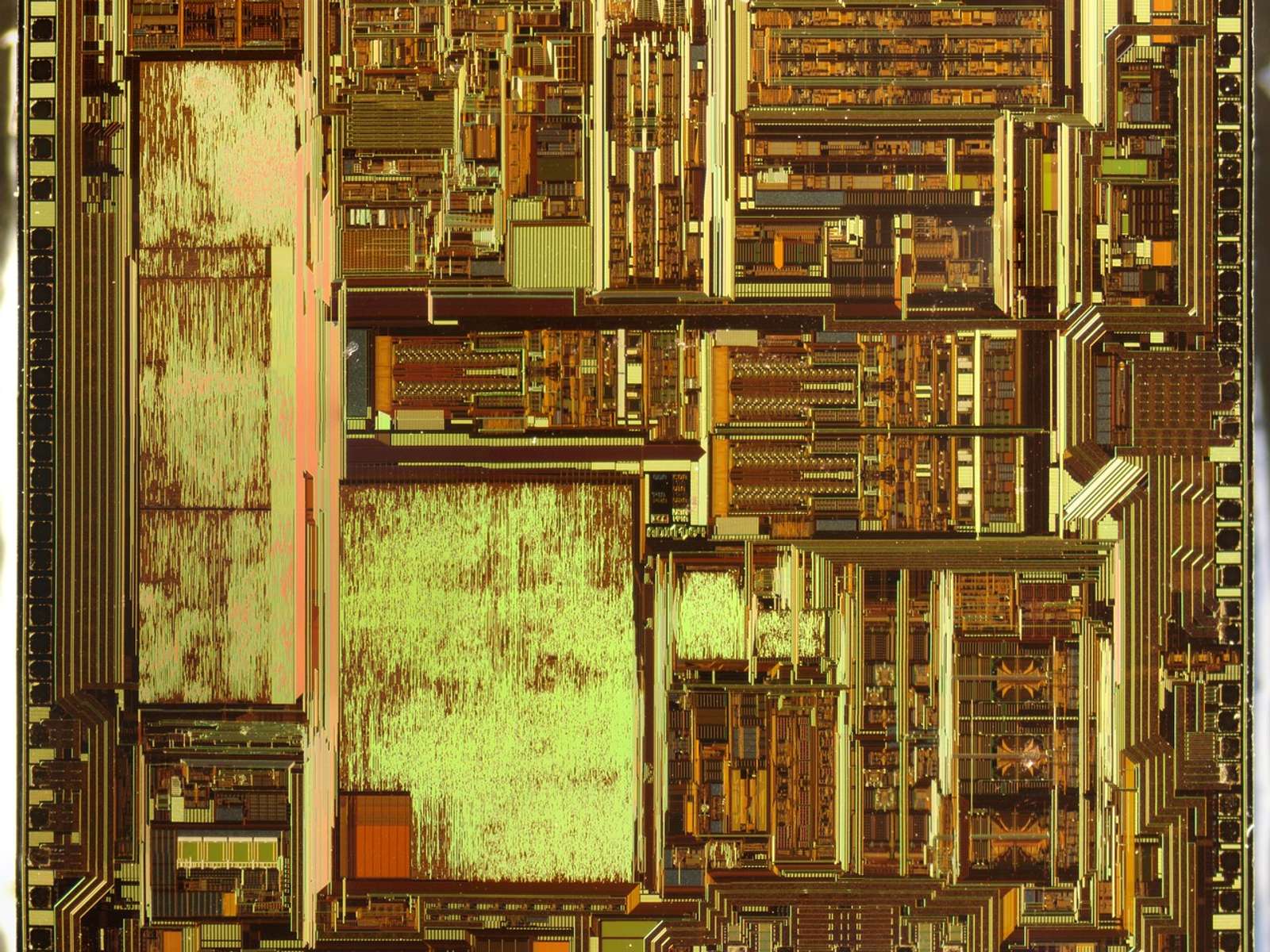
Cornell engineers made a semiconductor from silicon-doped aluminum gallium oxide with a bandgap above 7 electron volts, past the previous record of about 6 eV, and built a first diode and transistor from it, they report in Nature.
University of Queensland researchers added self-rotating ammonium ions to a membrane's nanochannels. Water flowed about 44% faster, ethanol transport fell by 90%, and separation accuracy improved tenfold, they report in Science.
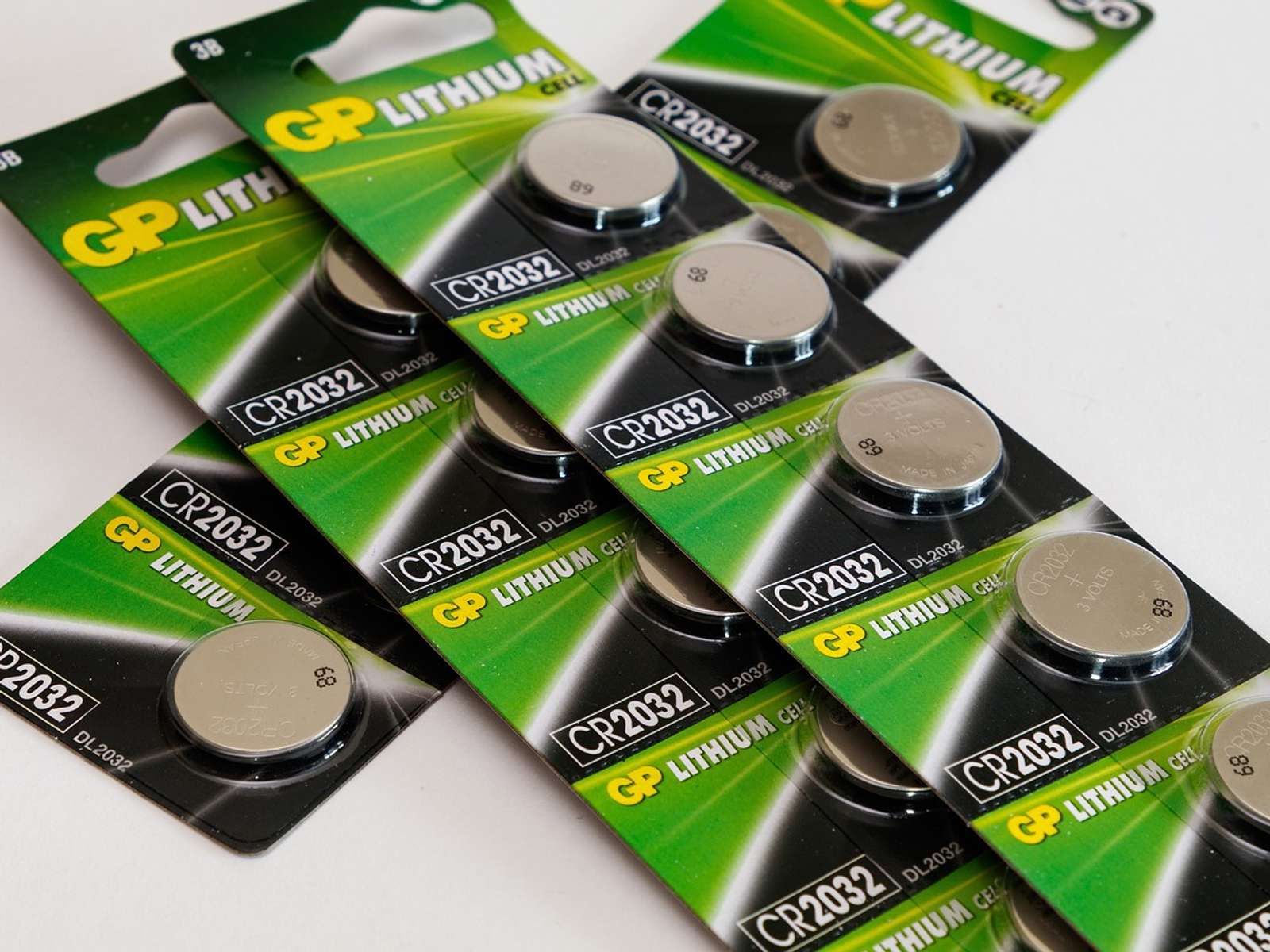
Cornell researchers watched lithium-ion batteries form their protective layers in real time and designed charging protocols that cut formation time by up to about 60%, with performance comparable to the standard process at battery maker C4V.
MIT researchers built an AI model that links 3D crystal structures with written descriptions of their properties. Asked for solid-state battery electrolytes, it surfaced materials already identified as promising candidates.
Physicists built metamaterials from dozens of linked sensors and motors that start vibrating chaotically and then settle into one slow, synchronized rhythm, a state called a time crystal. The work, led from Amsterdam and Birmingham, is in Nature.
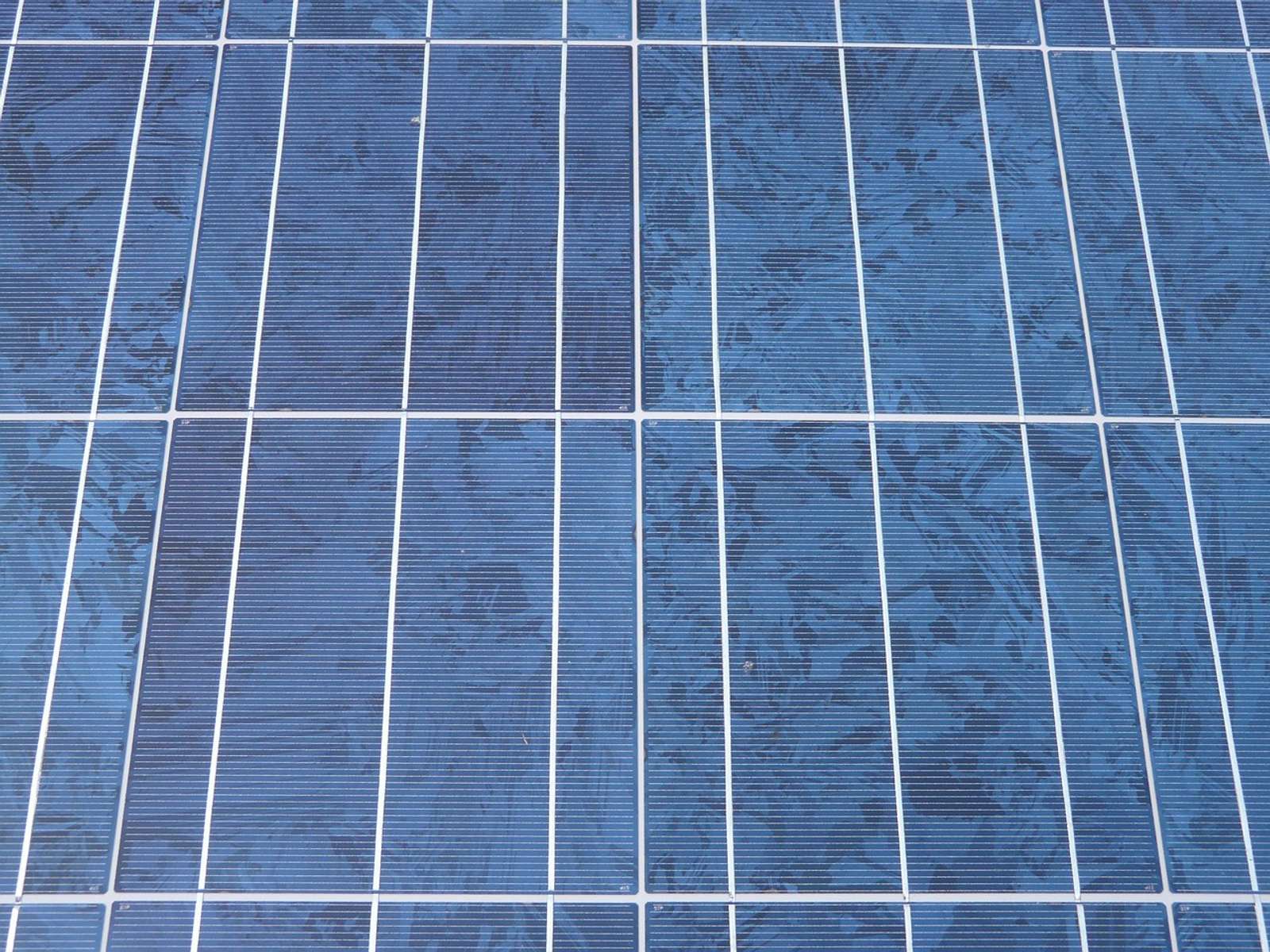
Adding zinc bromide and methylammonium chloride while perovskite crystals form cut defects, so the material held energy from sunlight about 10 times longer, a team from Princeton, UC San Diego and South Korea reported in Science.

MIT engineers built a soft silicone sheet with light-carrying rubber fibers that rebuilds its own shape on screen almost in real time. They hope it could one day help physical therapists track patients' movement.
By tracking molecules as they were heated, chemists at Warwick and Birmingham found materials that normally vanish along the way, including a new form of the solar-fuel compound bismuth vanadate and an oxide that stores lithium.
Scientists led by Germany's Helmholtz-Zentrum Hereon made a polystyrene with about 50% plant-based content, produced with microwaves and designed with breaking points so it can be broken down after use.

A catalyst made of five rare-earth elements starts converting methane into ethane and ethylene at 525°C and held its output for 240 hours in lab tests, Institute of Science Tokyo said. Conventional catalysts need about 800°C.
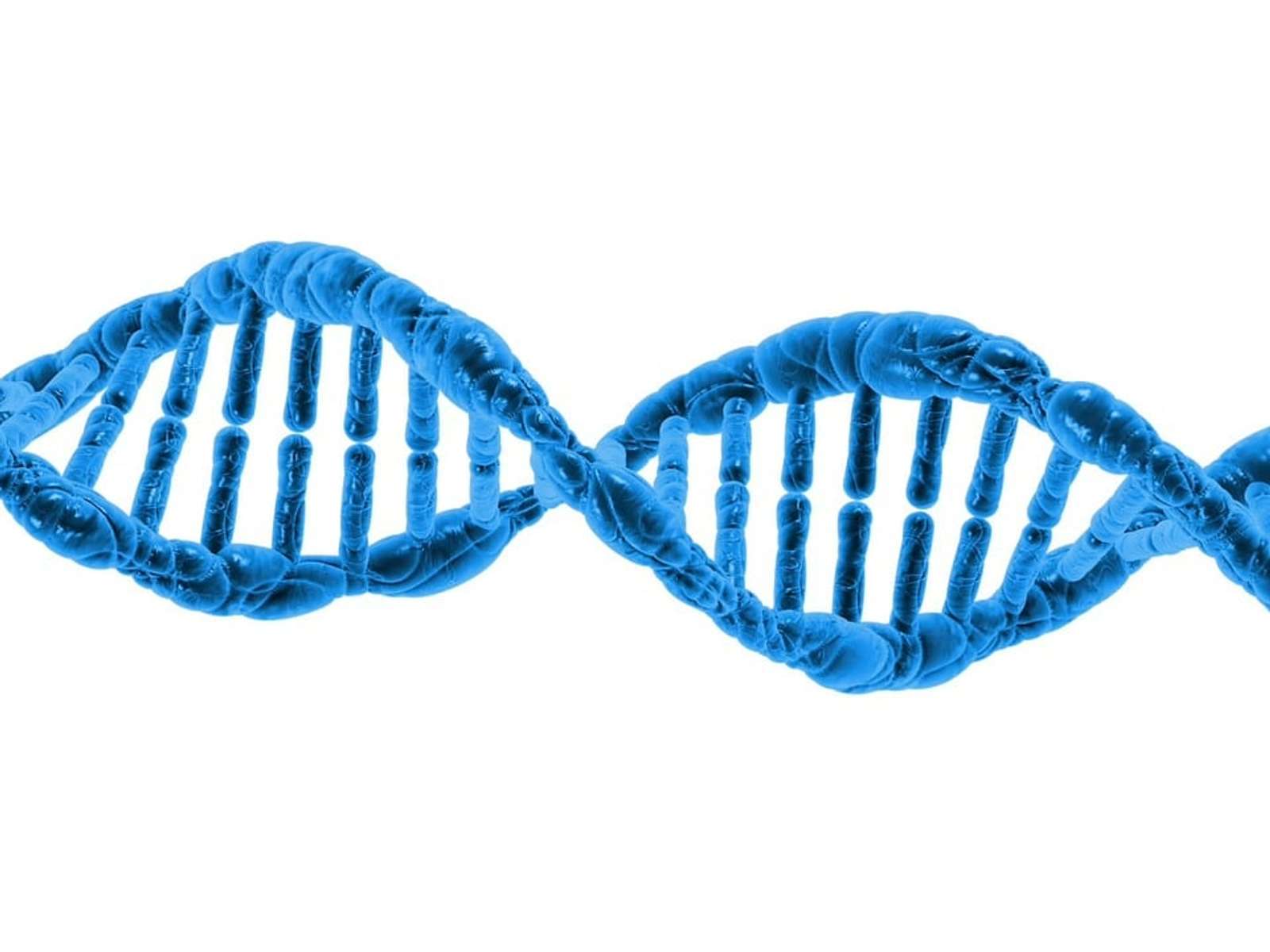
Researchers at Institute of Science Tokyo and Kyoto University grew long DNA strands on protein tubes and used motor proteins to move them, forming networks within minutes, a step toward materials that can build and reshape themselves.

Attacus Acoustics, a new University of Bristol spinout, is commercializing a sound-absorbing material inspired by moth wings that it says can be up to ten times thinner than conventional soundproofing.
Researchers at Northeast Normal University made a carbon material from invasive staghorn sumac, loaded with nano-magnesium oxide, that captured up to 469.64 mg of fluoride per gram in lab tests. Larger real-world trials are still to come.
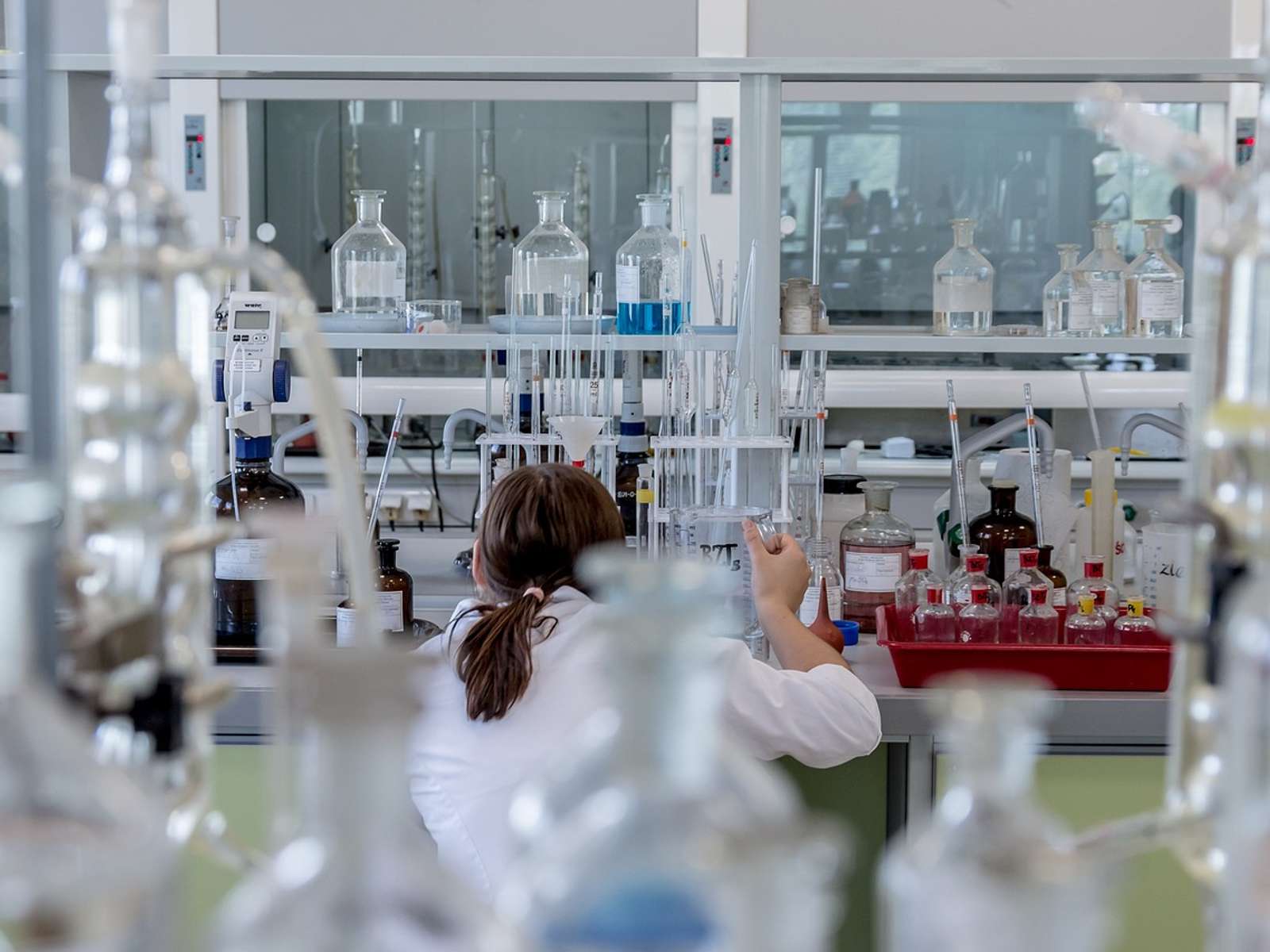
Oregon State University chemists report a light-driven material that produces hydrogen from water using sulfur-containing organic parts instead of an added expensive metal catalyst, a design they say could help lower the cost of green hydrogen.

A team at the University of Science and Technology of China placed a thin superconductor inside a terahertz cavity and saw its critical temperature rise by up to 5.4%, the first experimental evidence that vacuum fluctuations can strengthen superconductivity.
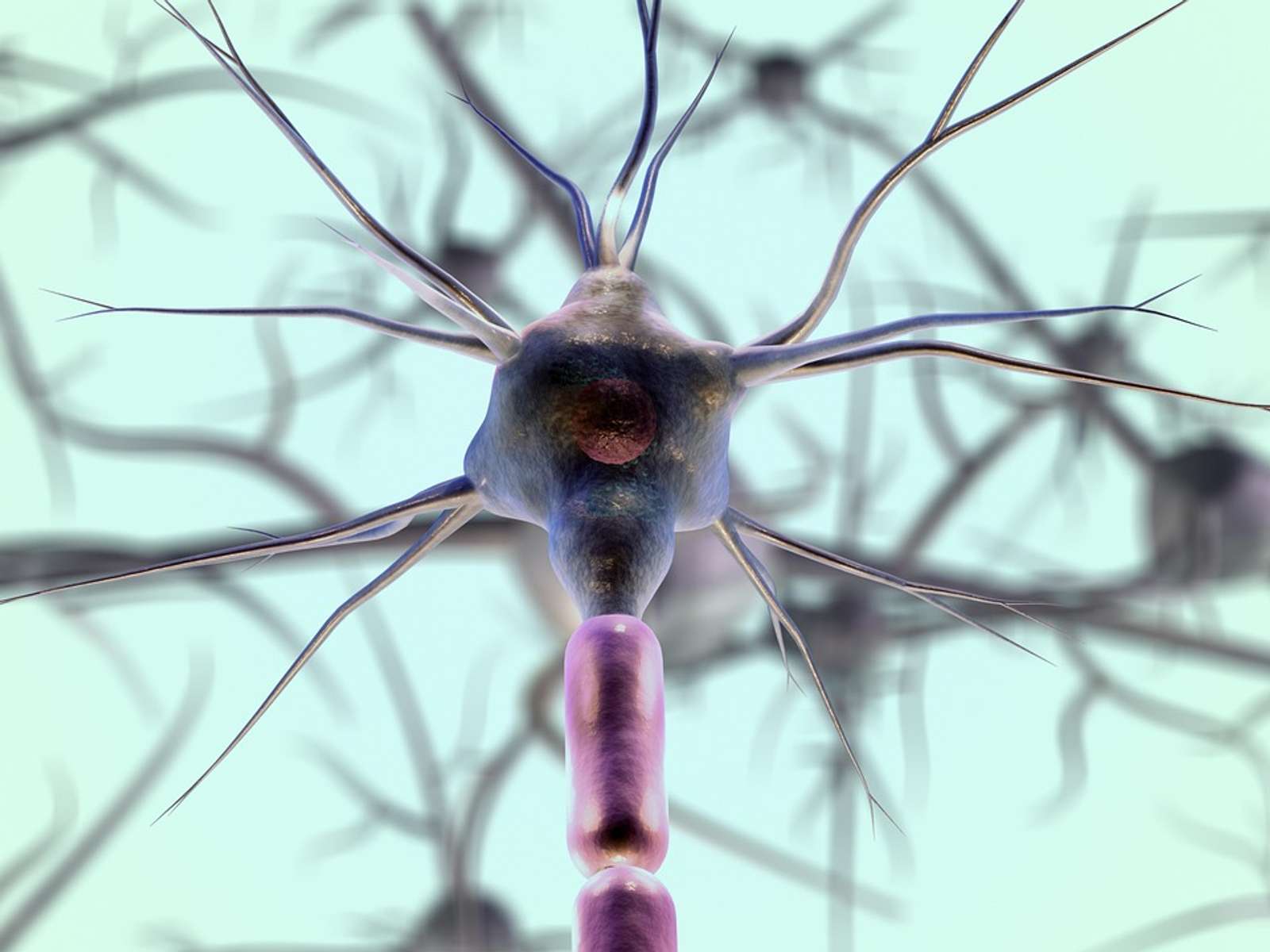
Northwestern chemists built self-assembling threads with precisely placed electric charges. In cell cultures, neurons treated with them grew longer branches, showed four times more calcium activity and formed more synapses.
A Binghamton University team built paper wallpaper that generates a small current from room humidity. An array of 1,596 units powered a wireless keyboard and lowered the room's humidity in lab tests.
About this topic
Many of the problems in clean energy, health and pollution come down to materials: a solar crystal that wastes less energy, a plastic that breaks down, a filter that pulls fluoride out of drinking water, a catalyst that needs less heat. The stories on this page follow research groups and young companies working on those materials.
Recent examples include a Bristol spinout turning the sound-absorbing scales of moth wings into soundproofing up to ten times thinner than usual, a German team making a polystyrene that is half plant-based and designed to break down, and Chinese researchers turning an invasive plant into biochar that removes fluoride from water. Others look at how materials form or behave: hidden in-between phases that could improve batteries and solar fuels, a catalyst from Science Tokyo that turns methane into ethylene at lower temperatures, and DNA strands that grow and link into networks when pulled by motor proteins.
Most of this work is at an early stage. A result in a lab film or a small device is a long way from a product on a shelf, and many promising materials never make that step because they are too expensive, too hard to scale or not durable enough. We say plainly where each story stands: a lab result, a prototype, a spinout talking to manufacturers, or a product already in use. When a performance figure comes from the university or company itself and has not been independently tested, we say that too.
Each story links to the research institution's own announcement and, where possible, to the published paper, so you can read the details yourself.