Scientists Built Molecular Threads That Quadrupled Neuron Activity in Lab Tests
Northwestern University researchers built self-assembling molecular threads that boosted neuron growth and synapse formation in lab tests, pointing toward future materials for brain and nerve repair.
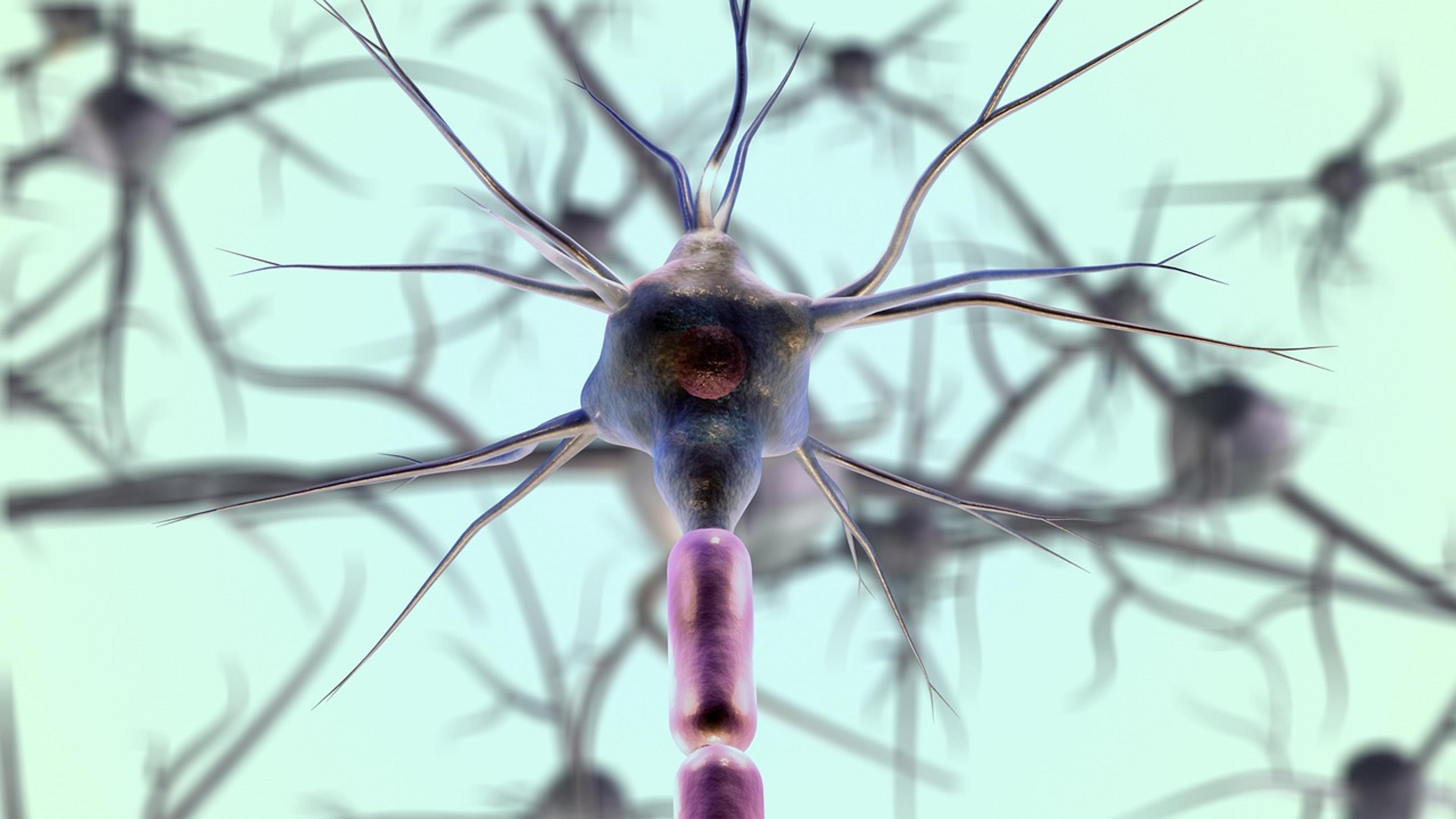
Researchers at Northwestern University have built tiny self-assembling molecular threads that measurably boosted neuron growth and synapse formation in lab tests, according to EurekAlert.
Threads built from oppositely charged segments
The threads are supramolecular polymers — materials built from molecules that self-assemble into chemically distinct segments carrying positive and negative electrical charges. Led by Samuel I. Stupp at Northwestern's Center for Regenerative Nanomedicine, the team found the precise arrangement of those charges alone made the material highly bioactive.
Four times the activity, more synapses
Neurons treated with the threads grew longer, more branched neurites, and showed calcium response activity four times greater than untreated cells after a week. After two weeks, the treated neurons had formed more synapses. Human neural progenitor cells also organized themselves into 3D clusters resembling the brain's white and gray matter.
Early-stage, but a building block for brain repair
The work is still at the lab and cell-culture stage, using mouse cortical neurons and human neural progenitor cells. But the findings point toward a new category of bioactive materials that could eventually support regenerative treatments for brain and nerve injury. The research was published October 1, 2026, in the journal Science.
Like what you're reading?