
In tame silver foxes from a decades-long Russian breeding experiment, Cornell researchers found fewer estrogen receptor alpha neurons, part of the aggression circuit in mice, in the ventromedial hypothalamus.
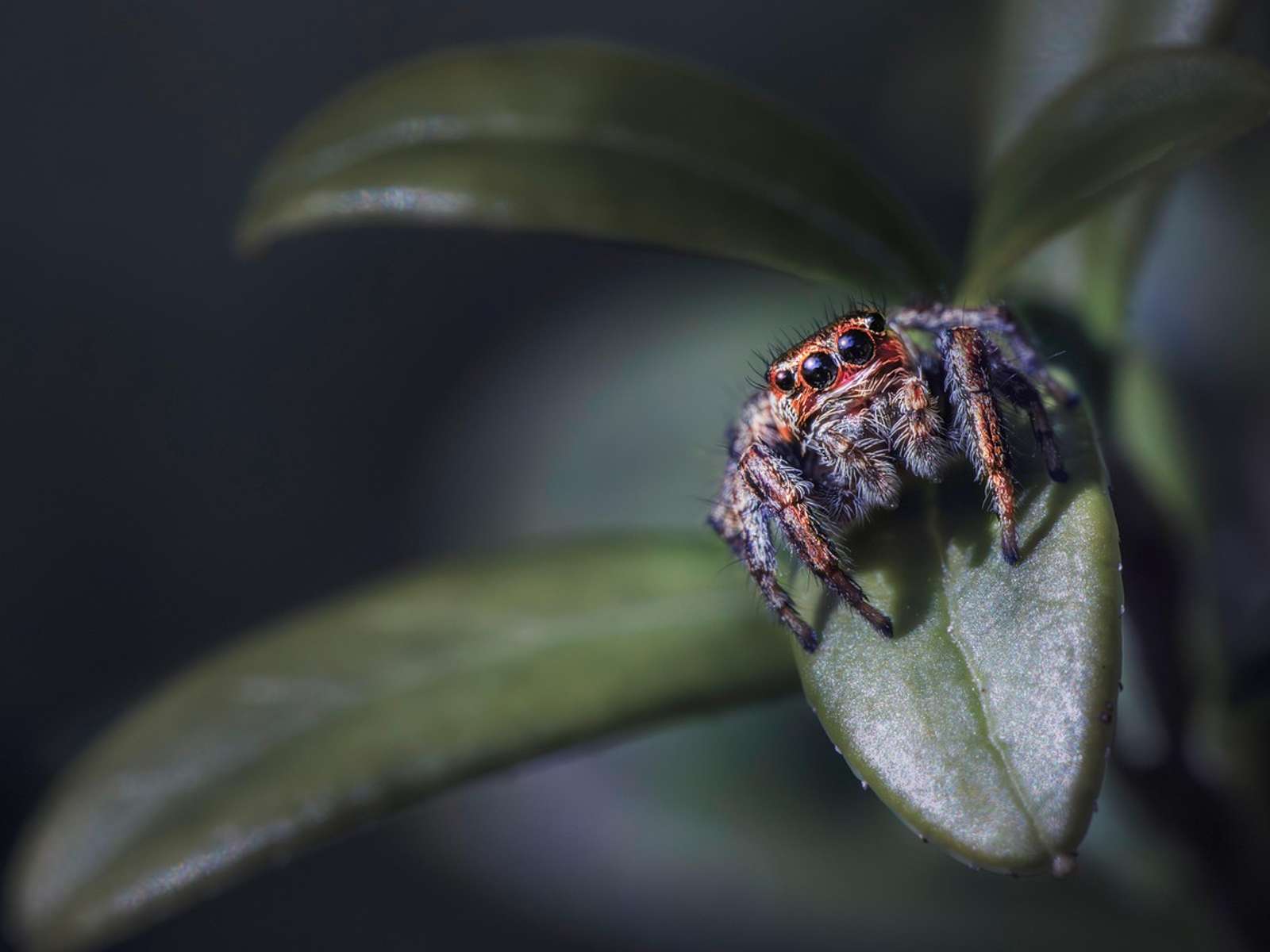
University of Bonn researchers found that the Australian jumping spider Portia fimbriata sleeps in two stages, one of them REM-like with eye movements and twitches. The study in PNAS confirms sleep in a spider by behavior alone.

MIT researchers built LUCID, a flexible implant as thin as cardstock that releases drugs in the brain and uses 24 tiny ultrasound transducers to spread them farther. It has been tested in a tissue model and in mice.
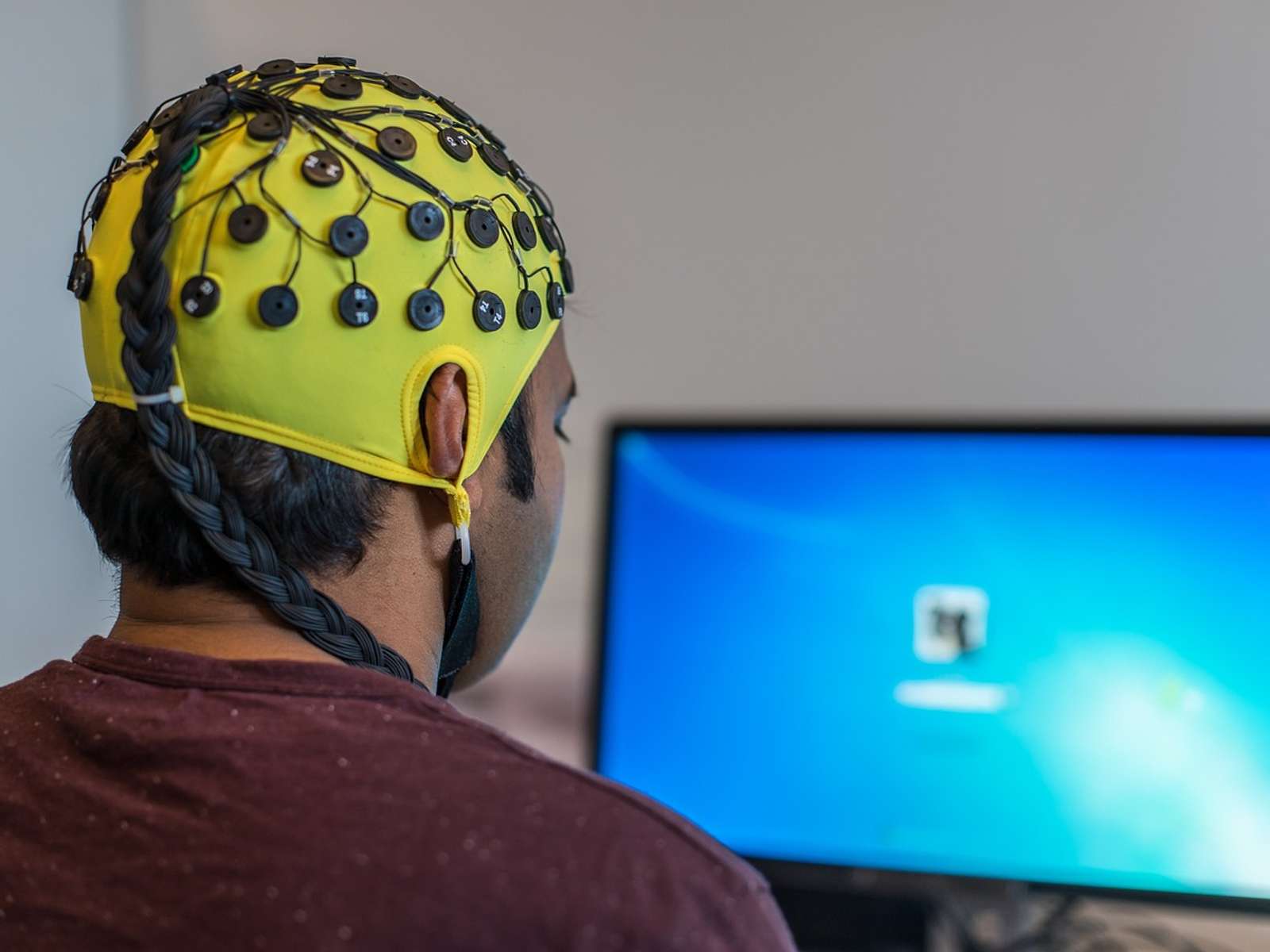
In a Columbia study of 41 clinically unresponsive patients with acute brain injury, about one in three changed the pitch of a tone by imagining hand movements, using a noninvasive EEG brain-computer interface at the bedside.
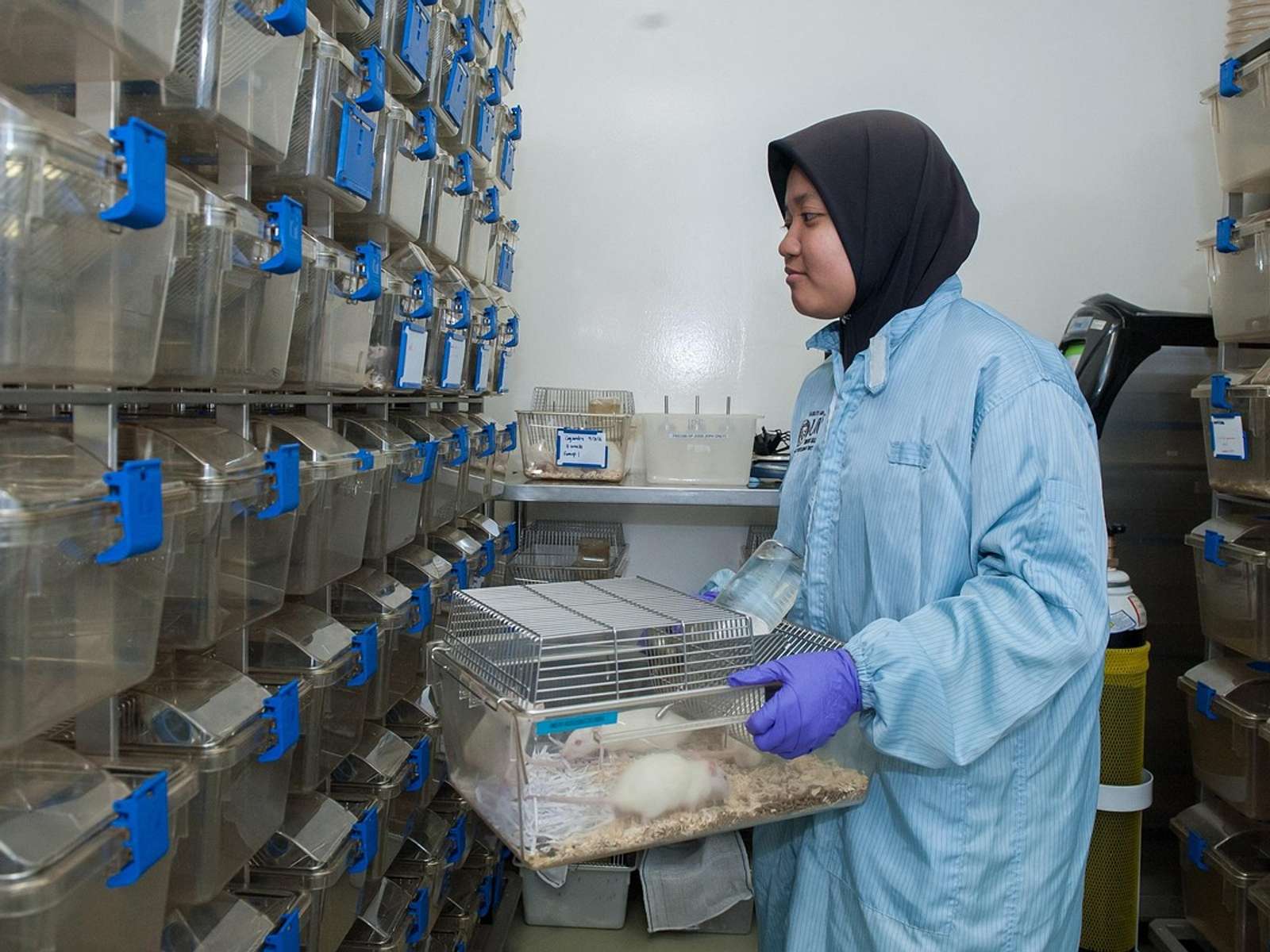
University of Cincinnati researchers used a viral gene therapy to remove the cells that make cerebrospinal fluid in mice with hydrocephalus. Treated animals had much less fluid in their brain tissue. The work is early-stage animal research.

A University of Vienna team mapped how DNA is folded in octopus, squid and cuttlefish. An ancient genome reshuffle created new contacts between genes that may have helped their nervous systems evolve.

University of Bonn researchers converted blood cells directly into neural stem cells and found their epigenetic clocks reset, so cells from an 80-year-old ended up with a molecular age below 20.
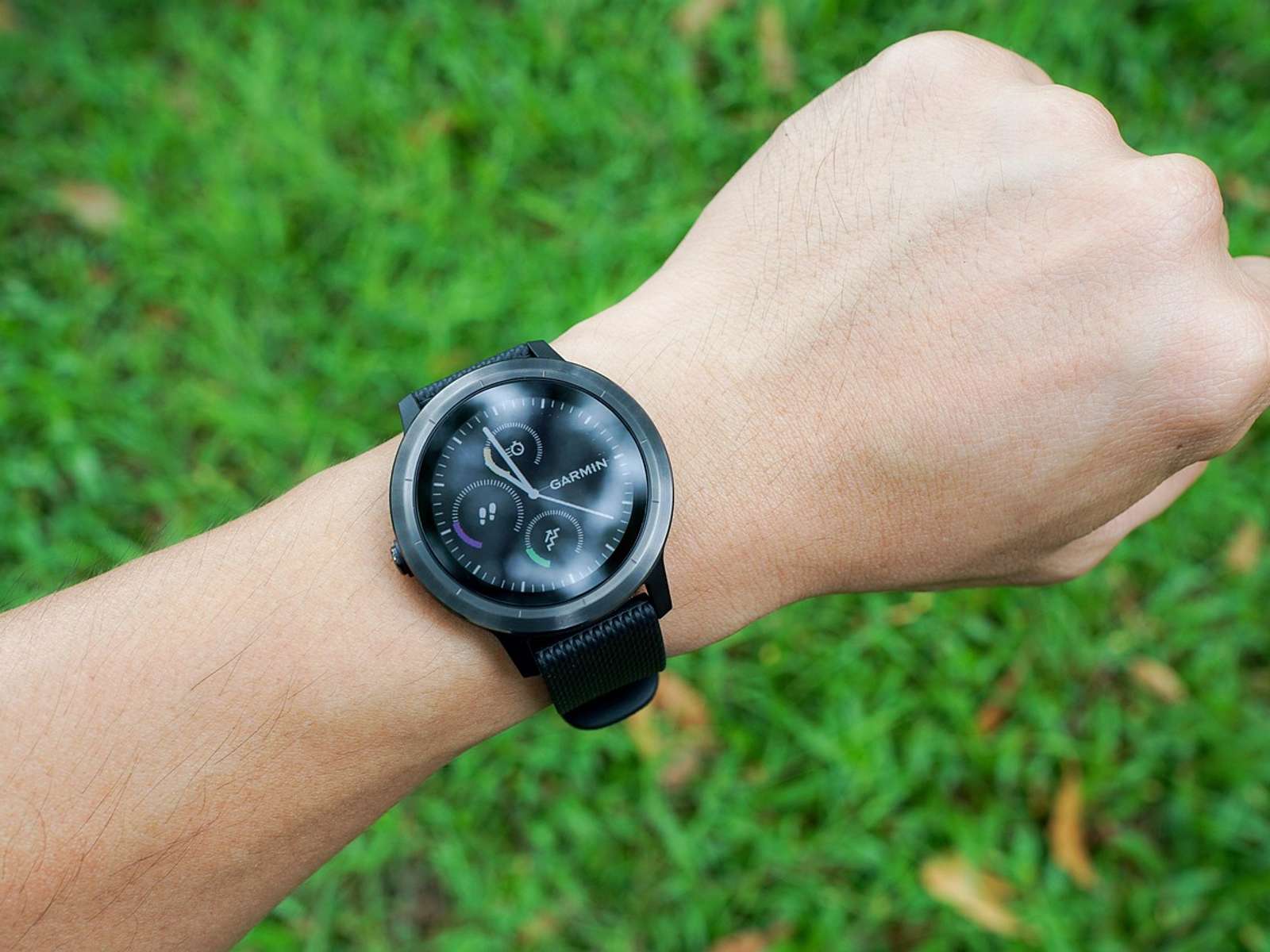
A vibrating wristband first built as a foamcore prototype in MIT's product-design class is now FDA-cleared for adults with essential tremor. In two trials, more than 70% of patients improved. Insurance coverage is the next hurdle.

Cerevance's experimental drug solengepras reduced the daily time people with Parkinson's spend with poorly controlled symptoms in a 341-person phase 3 trial, without adding troublesome involuntary movements.
Scientists sequenced mitochondrial DNA in individual brainstem neurons from people with Parkinson's for the first time, finding heavy damage but also a protective response that was stronger in people who lived longer.
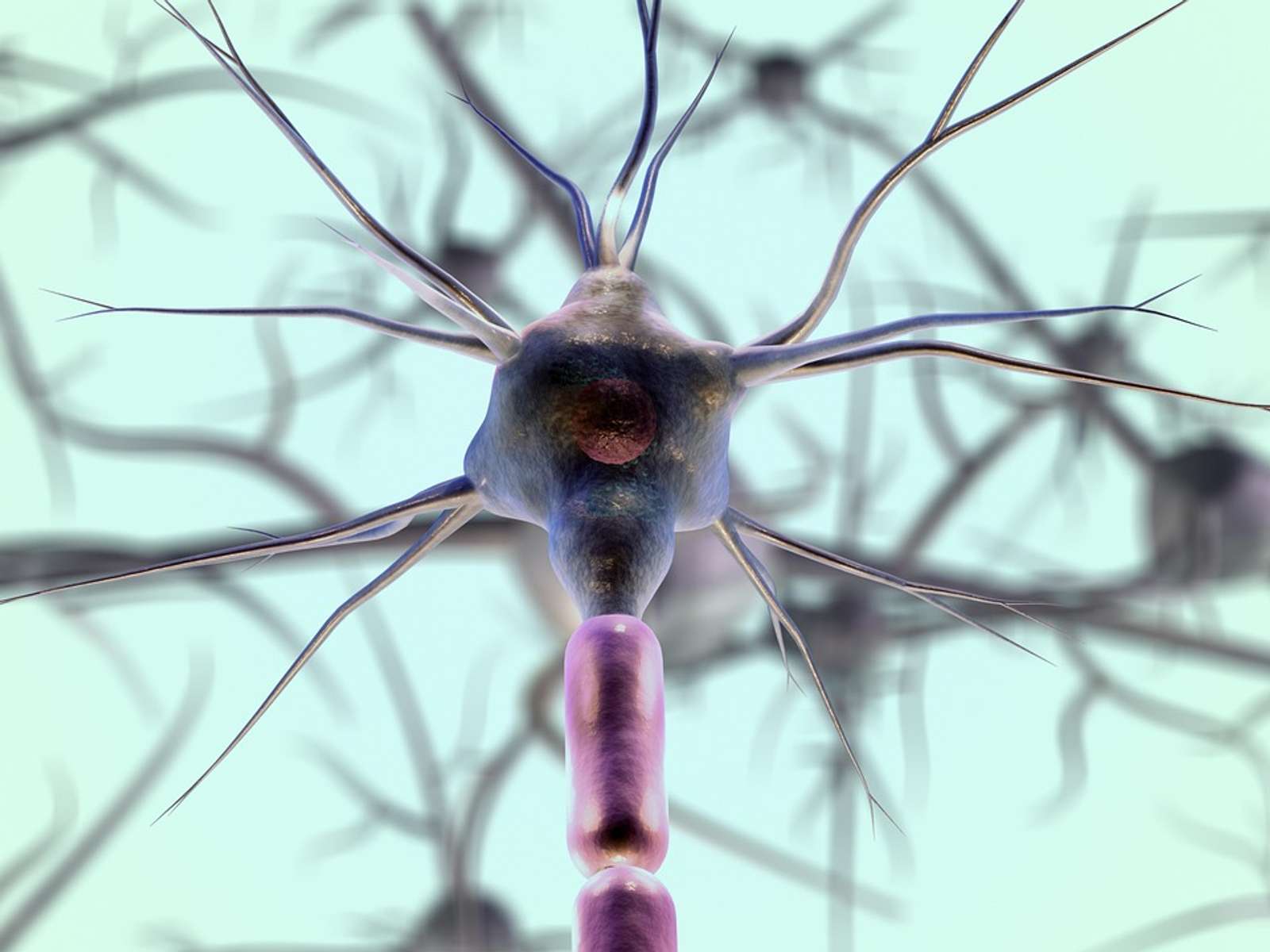
Northwestern chemists built self-assembling threads with precisely placed electric charges. In cell cultures, neurons treated with them grew longer branches, showed four times more calcium activity and formed more synapses.