A woman in her 50s became the first patient to receive Amchepry, Japan's conditionally approved iPS-cell therapy for Parkinson's disease, at Kyoto University Hospital. Sumitomo Pharma says she is recovering well and has returned to work.
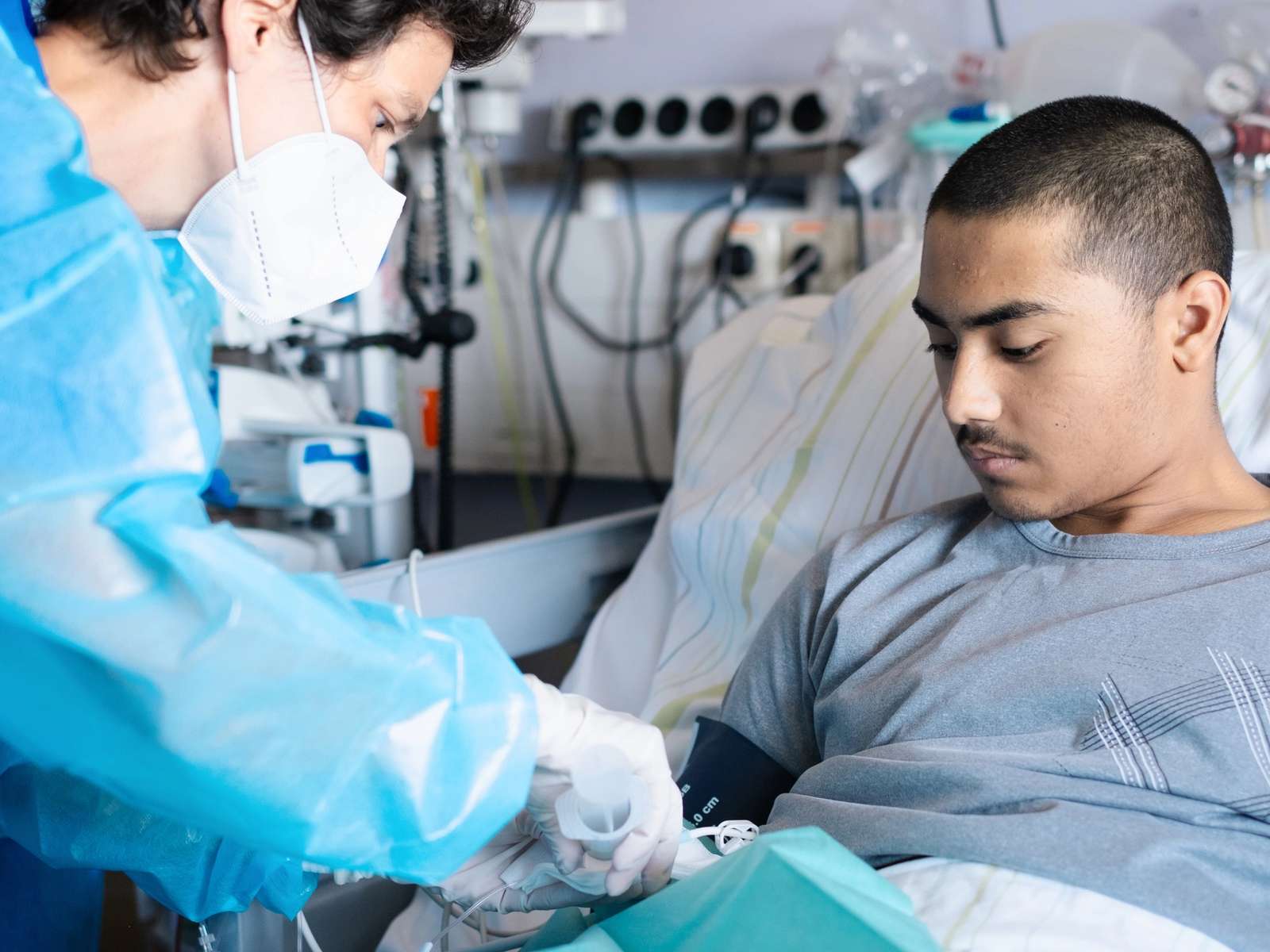
Charité in Berlin has given Germany's first routine CRISPR-based treatment to a 19-year-old with beta-thalassemia. Four months later his hemoglobin is normal and he no longer needs transfusions.
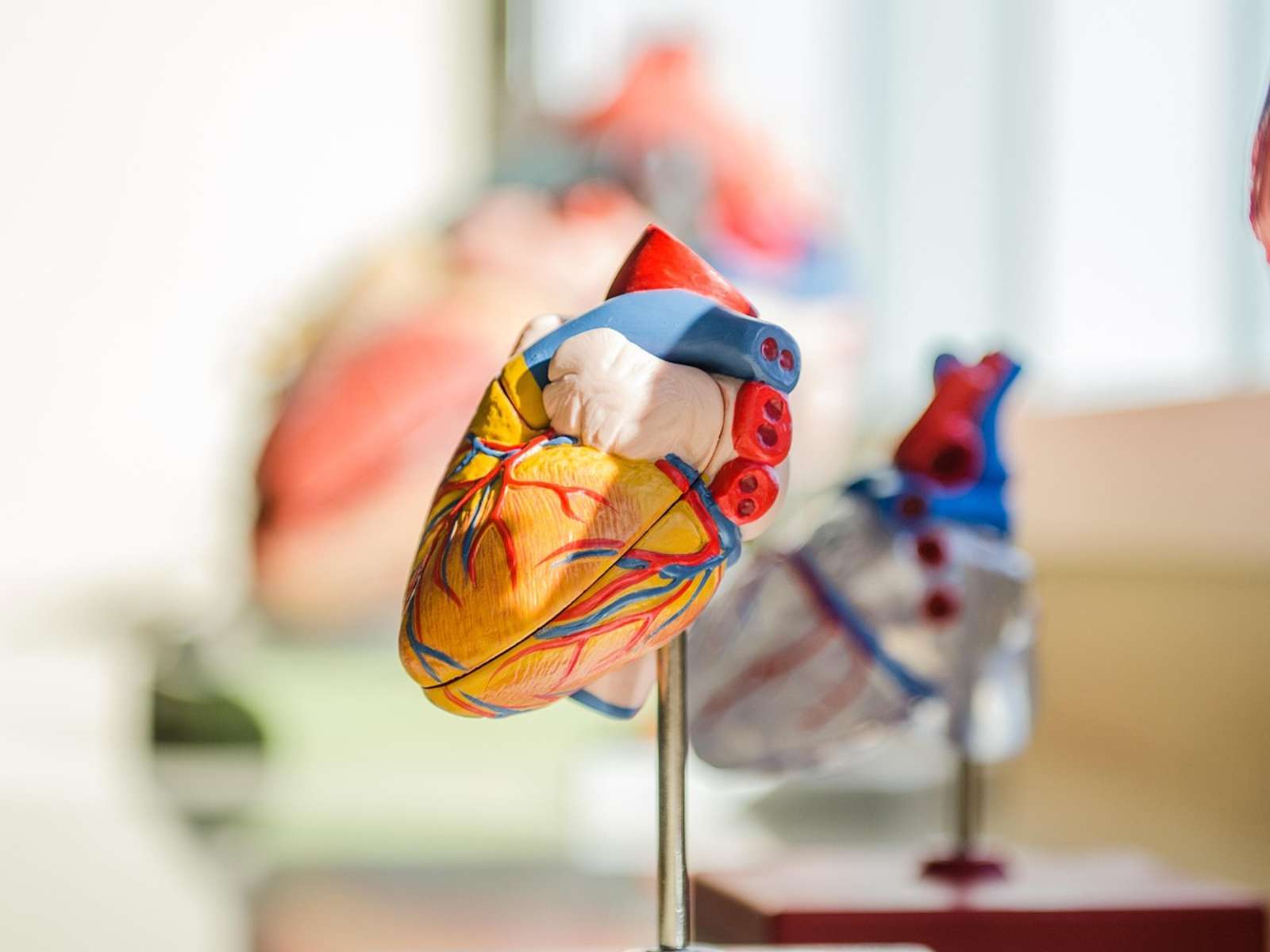
A University of South Florida lab is using umbilical cord cells and tissue-like materials to build heart valves the body could rebuild over time, so a child born with a heart defect might need one valve surgery instead of several. The work is still preclinical.
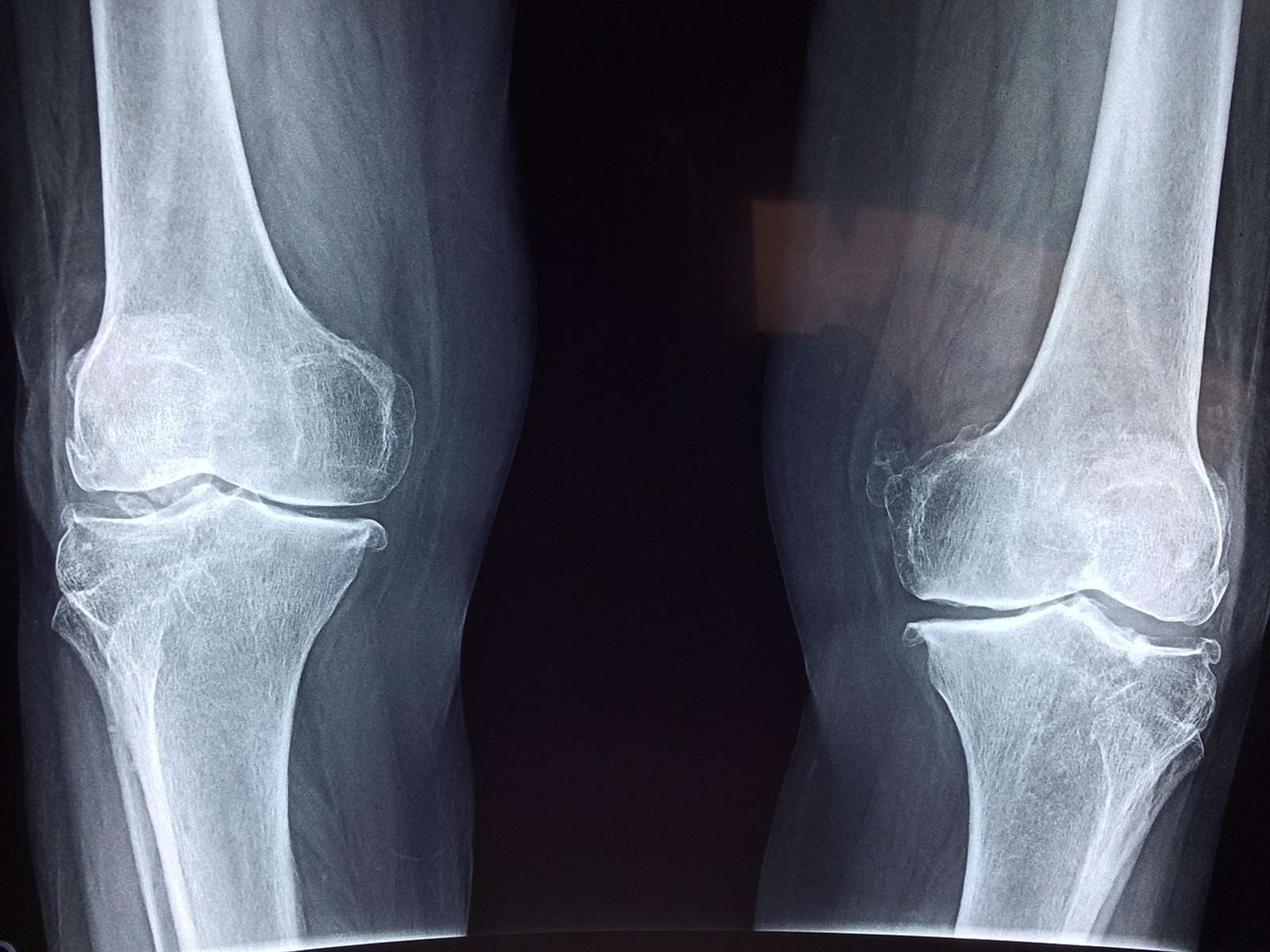
In a first-in-human trial in Murcia, Spain, 10 women with advanced osteoporosis received their own stem cells with a sugar tag that steers them to bone marrow. No serious side effects occurred and fractures fell sharply, but the study had no control group.
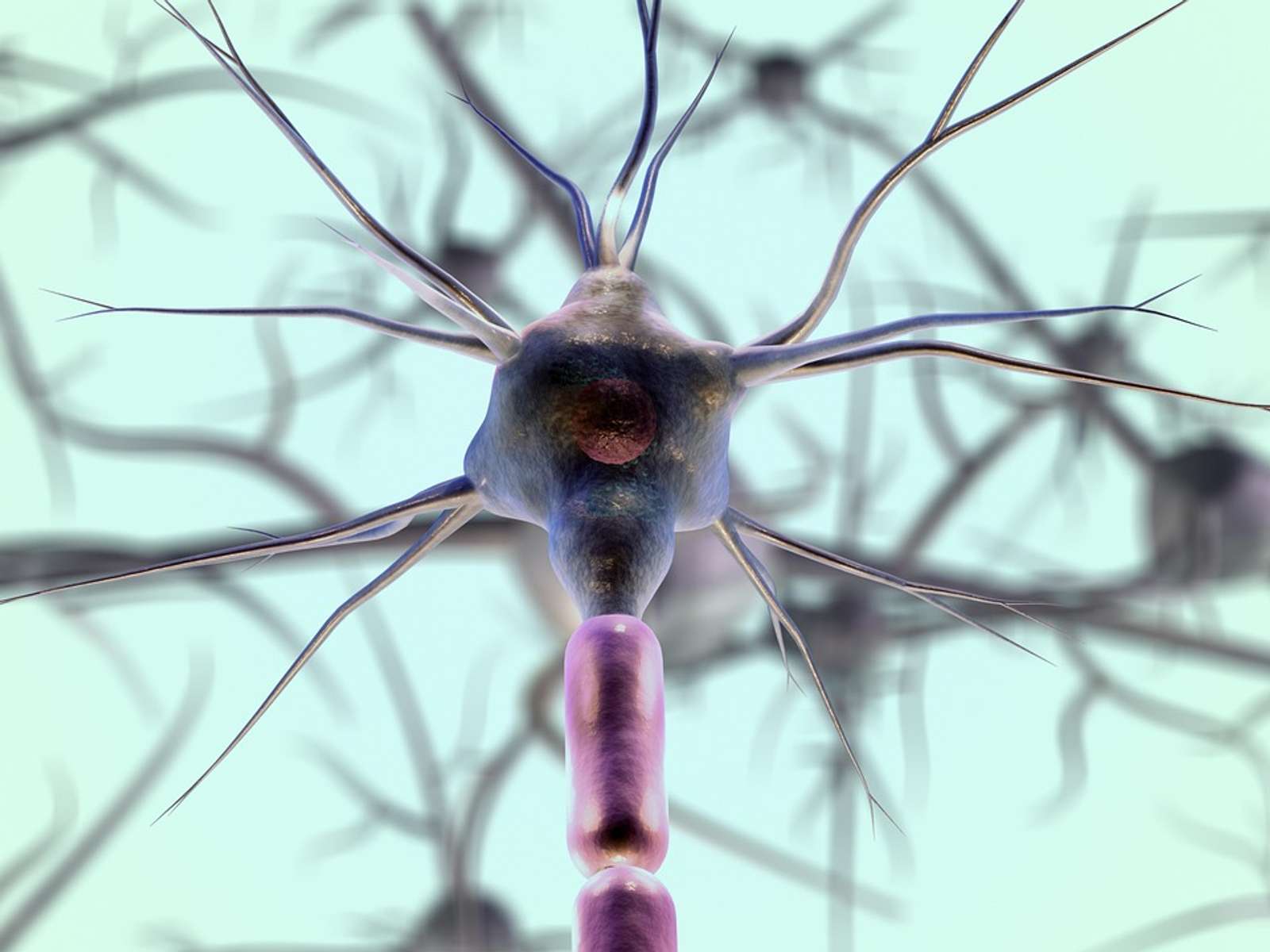
Northwestern chemists built self-assembling threads with precisely placed electric charges. In cell cultures, neurons treated with them grew longer branches, showed four times more calcium activity and formed more synapses.
University at Buffalo researchers grew tiny salivary glands from human stem cells. Transplanted into mice, they survived more than 40 days and formed saliva-making cells, an early step toward treating severe dry mouth after cancer radiation.