Sugar-Tagged Stem Cells Sent to Bone Marrow Show Early Promise Against Osteoporosis
In a small first-in-human trial, 10 women with advanced osteoporosis received their own stem cells modified with a sugar-based homing tag. The treatment appeared safe, and fractures dropped, though experts warn efficacy is unproven.
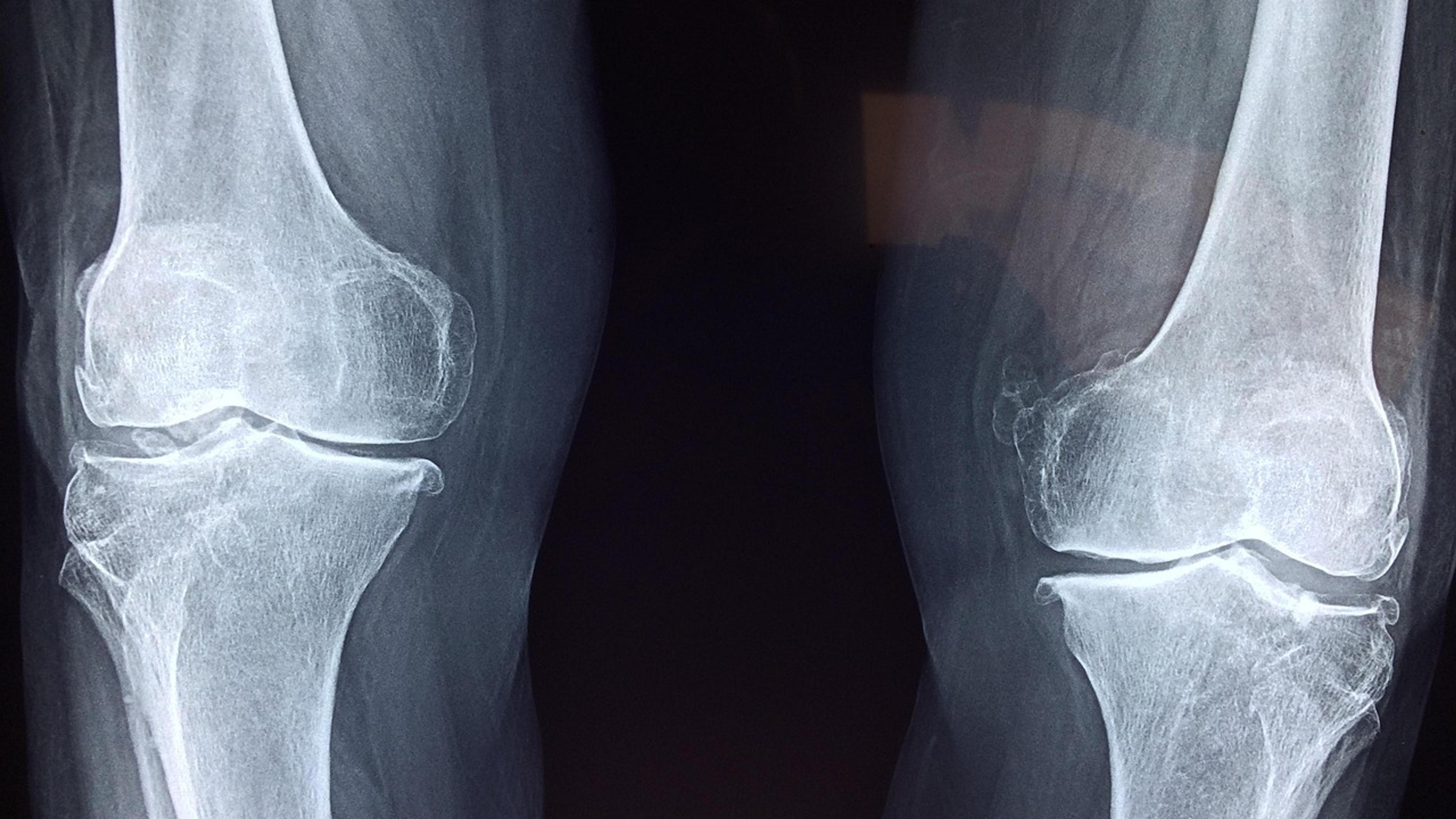
A small first-in-human trial found that stem cells given a sugar-based homing tag to guide them to bone marrow were safe in 10 women with advanced osteoporosis and were followed by fewer fractures, Chemical & Engineering News reported. The phase 1 results were published in the journal Cell.
A one-hour reaction adds a temporary homing signal
Mesenchymal stem cells can build bone, but when injected into the bloodstream they lack a way to find the skeleton. The team, led by bone marrow transplant physician Robert Sackstein of the Miami Veterans Affairs Medical Center, took each woman’s own stem cells and used an enzyme to add the sugar fucose to a surface protein called CD44. That created a temporary tag that docks onto receptors in bone marrow blood vessels.
Each participant received one infusion of her modified cells. Over roughly six years of follow-up there were no treatment-related serious adverse events. In the two years after infusion the women had one fragility fracture, compared with 16 in the two years before. Bone biopsies at four months showed more trabecular bone tissue.
“The efficacy signal was completely unanticipated.” — Robert Sackstein, bone marrow transplant physician, Miami Veterans Affairs Medical Center
Outside experts say it is too early to claim it works
Serge Ferrari of Geneva University Hospital called the study “clear progress” but noted that most participants also took bone drugs, which muddies the picture. Endocrinologist Marc Wein of Mass General Brigham said efficacy claims are “speculative at best,” pointing to the small size of the study and largely negative DXA bone scans.
Sackstein’s group plans larger, multicenter trials to confirm the effect. The paper is available in Cell.
The approach is part of wider stem cell research, such as work on growing salivary glands from stem cells to treat dry mouth.
Like what you're reading?
Related stories
Scientists Grow Working Salivary Gland Tissue From Stem Cells, Offering Hope for Severe Dry Mouth
University at Buffalo researchers grew miniature salivary glands from human stem cells that functioned after transplant into mice, a step toward treating severe dry mouth from cancer therapy and autoimmune disease.
High-Dose Vitamin B3 Shows Early Promise Against Glioblastoma in Small Calgary Trial
In an interim analysis of a University of Calgary trial, 82% of 24 glioblastoma patients given controlled-release niacin alongside standard treatment had no cancer progression after six months. The researchers stress the results are preliminary.

More Than Half of Young Adults With Early Type 2 Diabetes Reached Remission in a 24-Week Diet and Exercise Trial
In a randomized trial of adults under 45, 54% of those on a low-calorie diet with supervised exercise reached type 2 diabetes remission at 24 weeks, versus 4% receiving usual care, researchers at McGill and Leicester report.