Japan's first patient receives an approved stem-cell therapy for Parkinson's and is back at work
A woman in her 50s became the first patient to receive Amchepry, Japan's conditionally approved iPS-cell therapy for Parkinson's disease, at Kyoto University Hospital. Sumitomo Pharma says she is recovering well and has returned to work.
By Diego Callegari, Editor
· Japan · 2 min read
Source: News On Japan (Sumitomo Pharma announcement) ↗
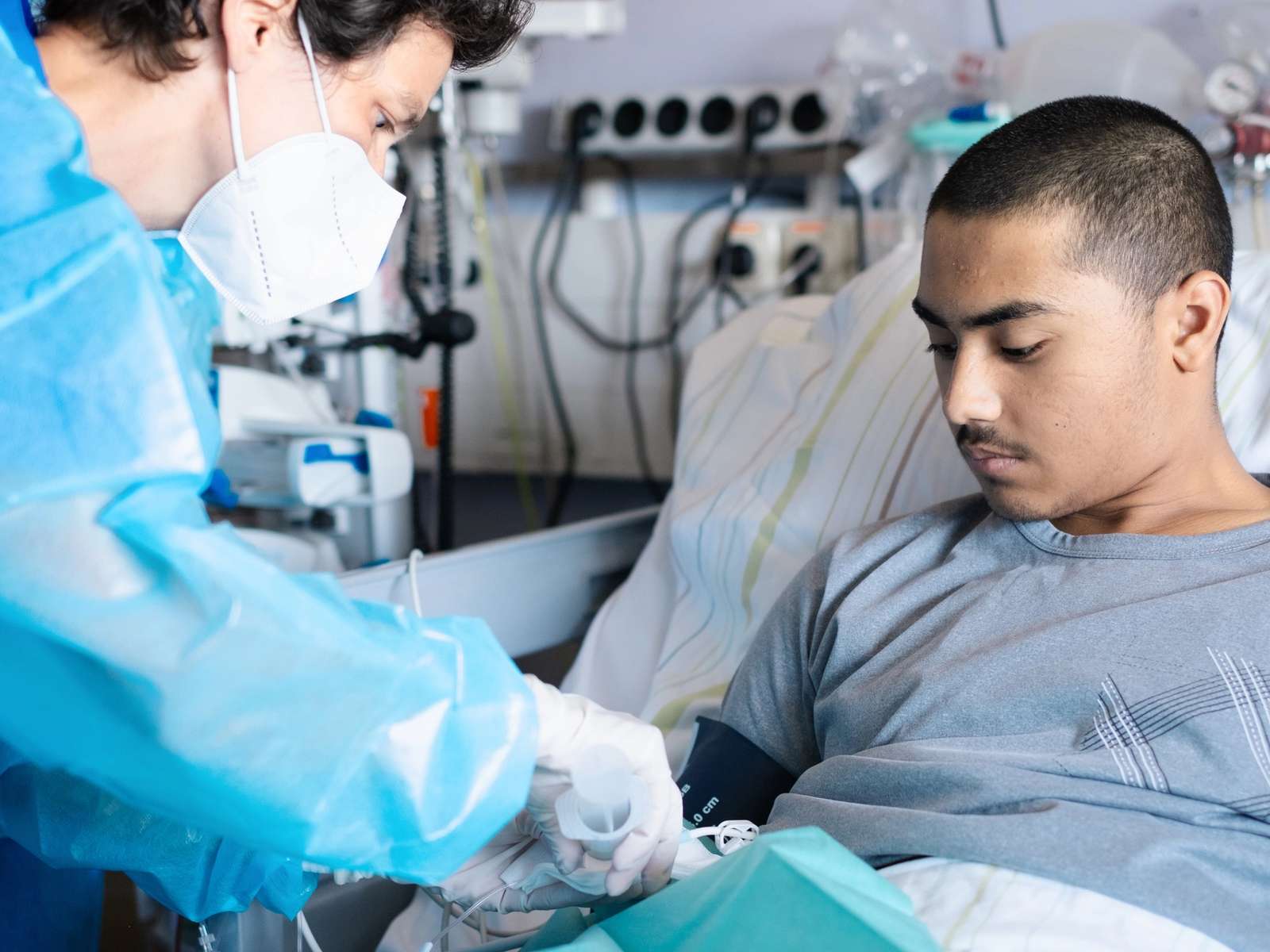
The first patient has been treated with Japan's newly approved stem-cell therapy for Parkinson's disease, Osaka-based Sumitomo Pharma announced on 30 October, News On Japan reported. A woman in her 50s received the transplant at Kyoto University Hospital in early October, and the company says she is recovering well and has already returned to work.
Replacing the brain cells Parkinson’s destroys
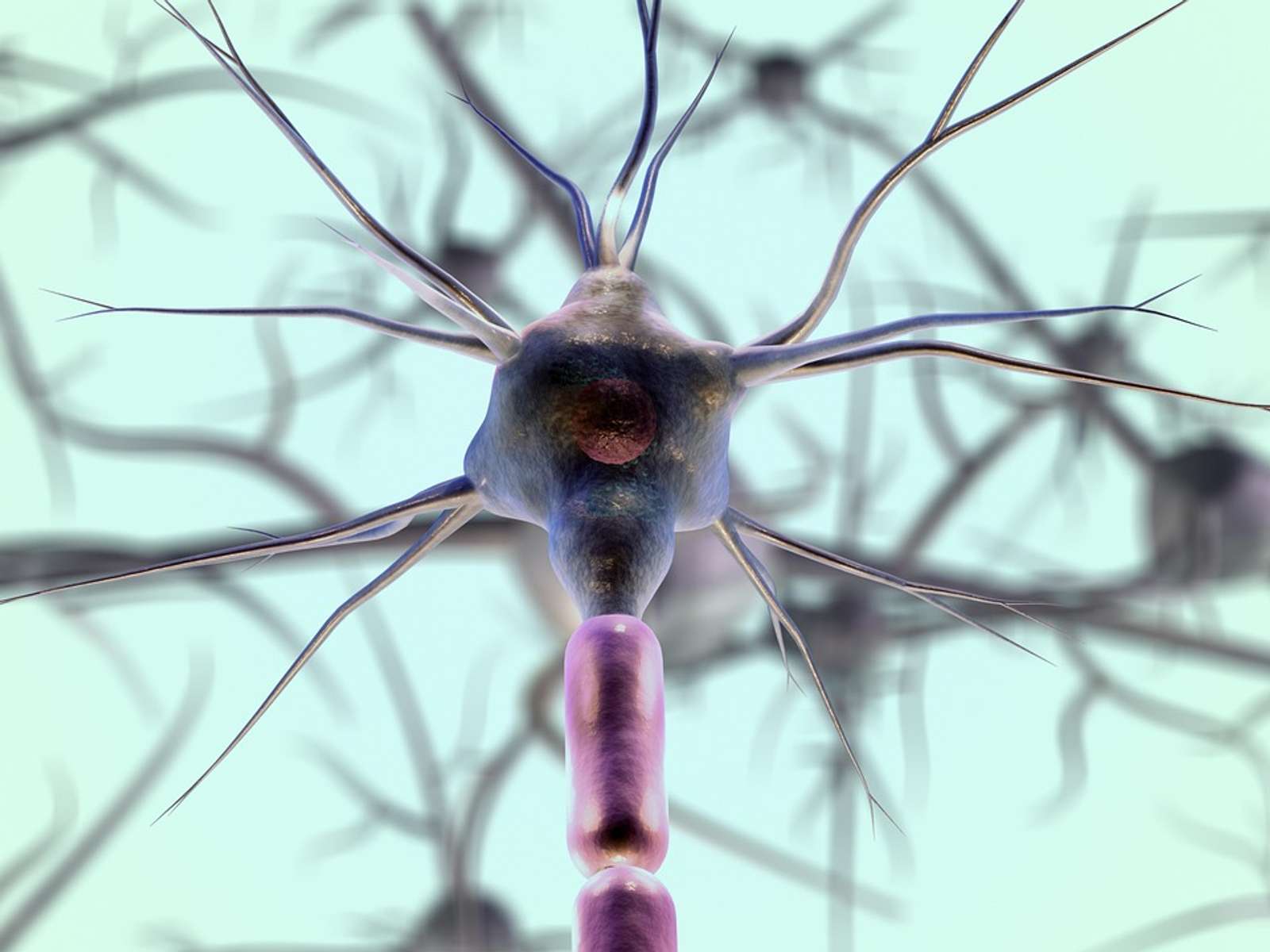
The therapy, called Amchepry, transplants nerve cells grown from induced pluripotent stem (iPS) cells into the brain. Cells from healthy adult donors are reprogrammed into iPS cells, which can become almost any cell type. Here they are turned into dopamine-producing cells and implanted in the brain areas where dopamine neurons have been lost.
Japan's health ministry granted Amchepry conditional, time-limited approval in March 2026, the first approval of a stem-cell-based therapy for Parkinson's anywhere, according to the American Parkinson Disease Association. Japan's system allows time-limited approval once safety and early signs of benefit are shown, while larger studies continue. The approval rests on a Kyoto University trial in seven patients aged 50 to 69, who received 5 to 10 million cells on both sides of the brain. The cells survived without serious safety problems over two years, and four of the seven patients improved.
What it means for patients now
For now, the therapy is available only in Japan, under the conditional approval. Because the approval is based on far less data than usual, Sumitomo Pharma must keep collecting evidence: it plans a phase 4 study and aims to give Amchepry to 35 patients by around 2029 before applying for full approval. Long-term safety and effectiveness still need clinical evaluation, and the company did not publish results for the first patient beyond her recovery.
“We will make a company-wide effort to complete the Phase 4 trial as soon as possible and obtain full approval.” — Toru Kimura, President, Sumitomo Pharma
Pricing, insurance coverage and access outside Japan had not been decided when the therapy was approved, according to the APDA. In the United States, two trials are under way: one at UC San Diego using the same product and one by Sumitomo Pharma America using a related cell product.
250,000 people with Parkinson's in Japan
Roughly 250,000 people in Japan have Parkinson's disease. The therapy was developed by Sumitomo Pharma with Dr. Jun Takahashi of Kyoto University, who has said more studies with more patients at several institutions are needed. The stages a treatment goes through before approval are explained on our clinical trial hub.
Not medical advice. This article reports on research and health programs for general information. Results from early studies often change in larger trials. Talk to a doctor before making decisions about your own health or treatment.
Sources
- News On Japan (Sumitomo Pharma announcement) · newsonjapan.com
- apdaparkinson.org
How we choose and verify sources: editorial policy.