Cinereous vultures keep growing in Portugal, and a sixth breeding colony turns up at Monfortinho
Portugal recorded 127 to 131 breeding pairs of cinereous vultures in 2026, up from 119 to 126, and found a new colony at Monfortinho, the Vulture Conservation Foundation said. The species stopped breeding in Portugal in the 1970s.
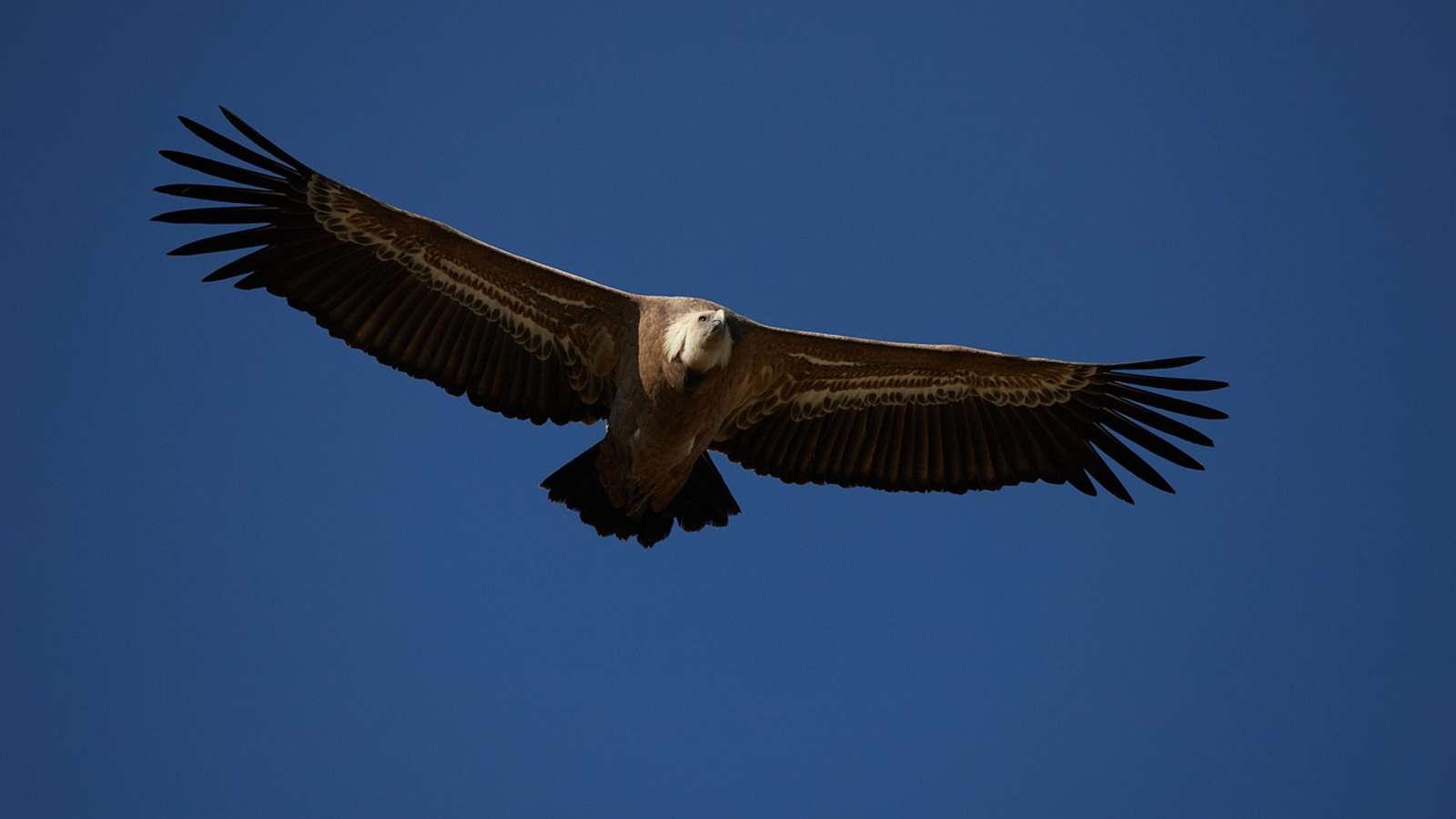
The cinereous vulture is still gaining ground in Portugal. Monitoring teams counted 127 to 131 breeding pairs of cinereous vultures in 2026, up from 119 to 126 in 2025, and discovered a new breeding colony at Monfortinho in central Portugal, the Vulture Conservation Foundation said on 30 October.
Back from local extinction
The cinereous vulture, Aegypius monachus, stopped breeding in Portugal in the 1970s. Its return is described by the foundation as a major conservation achievement. Several of the Portuguese colonies sit close to the Spanish border, and birds move between the two countries, so the recovery depends on cooperation between Portuguese and Spanish conservation authorities and organizations.
Breeding success also improved. Across the six monitored colonies, 114 pairs laid eggs in 2026 and raised an estimated 61 to 68 fledglings, compared with 56 last year. That is 0.54 to 0.60 fledglings per pair that laid eggs, up from 0.50 in 2025. The foundation stresses that monitoring has to go beyond counting pairs, to see how many actually raise young each year.
Six colonies, each with its own story
Tejo Internacional remains the stronghold, with 71 to 73 pairs, more than half of the national total, and 33 to 35 fledglings. Herdade da Contenda in the south held about 20 pairs, and Vidigueira/Portel in the Alentejo, first found in 2024, kept 13 pairs. Serra da Malcata, which links the Douro and Tejo regions, had 11 to 12 pairs and 9 to 11 fledglings. Contenda's 18 egg-laying pairs raised seven to nine young, while Vidigueira/Portel produced only four or five, and the foundation says breeding performance there remains a concern.
The Douro Internacional colony, badly hit by a wildfire in August 2025, recovered to 10 or 11 pairs from eight, and produced seven fledglings. Some birds released there in a controlled “soft release” have also shown signs of breeding behavior. The foundation says the colony's long-term prospects still depend on successful breeding and habitat protection.
Monfortinho: two pairs and one chick
The newest colony is small. Monitoring teams found two breeding pairs among seven nests at Monfortinho, and the colony produced one fledgling. The foundation says new colonies like this help the species recolonize its former range, and that finding them early shows why systematic field monitoring matters.
Growth does not guarantee recovery, the foundation warned: monitoring, better food availability, protection of nesting habitat and measures to reduce threats are still needed. Partner groups such as SPEA and Palombar took part in the monitoring, according to the photo credits on the foundation's post. The same foundation has also tracked a sharp fall in vulture poisoning deaths in the Balkans.
Sources
- Vulture Conservation Foundation · 4vultures.org
How we choose and verify sources: editorial policy.