Ten more scarlet macaws fly free near La Ceiba, where the birds had not been recorded since the 1960s
Ten scarlet macaws were released in the Cangrejal River basin near La Ceiba, Honduras, on 26 October, bringing this year's total to 26. Wild scarlet macaws had not been recorded in the area since the 1960s.
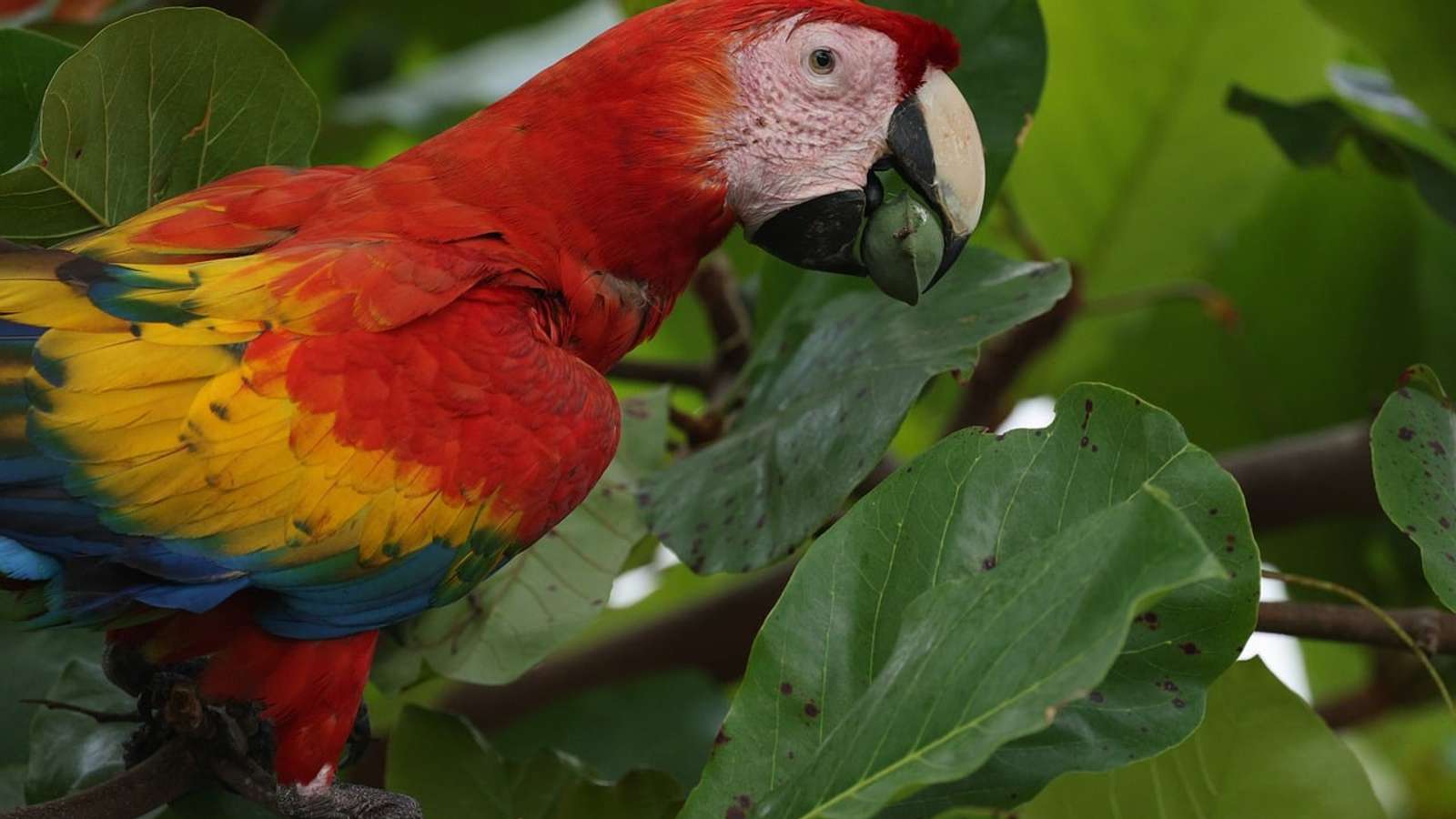
Ten scarlet macaws took to the skies over the Cangrejal River basin near La Ceiba, on Honduras' Caribbean coast, on 26 October, La Prensa reported. The release brings the number of macaws returned to the area this year to 26, in a region where wild scarlet macaws had not been recorded since the 1960s.
The third release of the year
The project, called the La Ceiba Macaw Reserve, began with a group of nine birds in May, followed by seven more in June, according to the World Parrot Trust, which supports the work. All 16 birds of the first two groups were moved from Copán to El Cangrejal earlier in the year. Before their release, they spent a period there getting used to their new surroundings, finding natural food and learning to survive on their own.
The macaws come from Macaw Mountain Bird Park and Nature Reserve in Copán Ruinas, in western Honduras. They were raised at the park's Incubation and Assisted Breeding Centre, where training covered flight, behavior, nutrition and gradual adaptation to the wild. La Prensa said the latest group had been rehabilitated there, and described the release as a step toward restoring the species in areas where it once lived.
“Seeing Scarlet Macaws return to El Cangrejal is an important milestone for parrot conservation in Honduras.” — Dr. Noelia Volpe, World Parrot Trust and PRO-ALAS project leader
Building on 15 years of releases in Copán
The scarlet macaw is Honduras' national bird. The La Ceiba project builds on a reintroduction program that Macaw Mountain and the organization PRO-ALAS started in 2011 in Copán Ruinas, together with government agencies and conservation groups. Birds released there now form a free-flying population that breeds successfully in the wild, according to the World Parrot Trust.
PRO-ALAS leads the La Ceiba work with local partners. Supporters include Honduras' Institute of Forest Conservation (ICF), the Honduras Institute of Tourism, the Municipality of La Ceiba and the Honduran Navy, along with local businesses and individuals. Pro Alas president Lloyd Davidson described the project as “a conservation model that delivers long-term benefits for biodiversity.”
Forest corridors to two national parks
The Cangrejal River basin connects to Pico Bonito National Park and Nombre de Dios National Park, which gives the birds room to spread beyond the release site. A technical team and members of the local community follow the macaws, and each sighting adds data on where they move, which habitats they use and how they adapt.
That monitoring is what decides whether a release works. International guidelines on reintroductions call for following survival and breeding after animals are set free, as our explainer on how species reintroductions work describes. The organizations have not said whether more birds will be released near La Ceiba, or when the first breeding attempts there might be expected.
Sources
- La Prensa (Honduras); World Parrot Trust · laprensa.hn
- parrots.org
How we choose and verify sources: editorial policy.